- Category
- War in Ukraine
Nearly One-Quarter of Ukraine Is Covered in Mines—and Clearing Them Could Take Over a Decade
 Prefer U24 Media on Google
- Authors


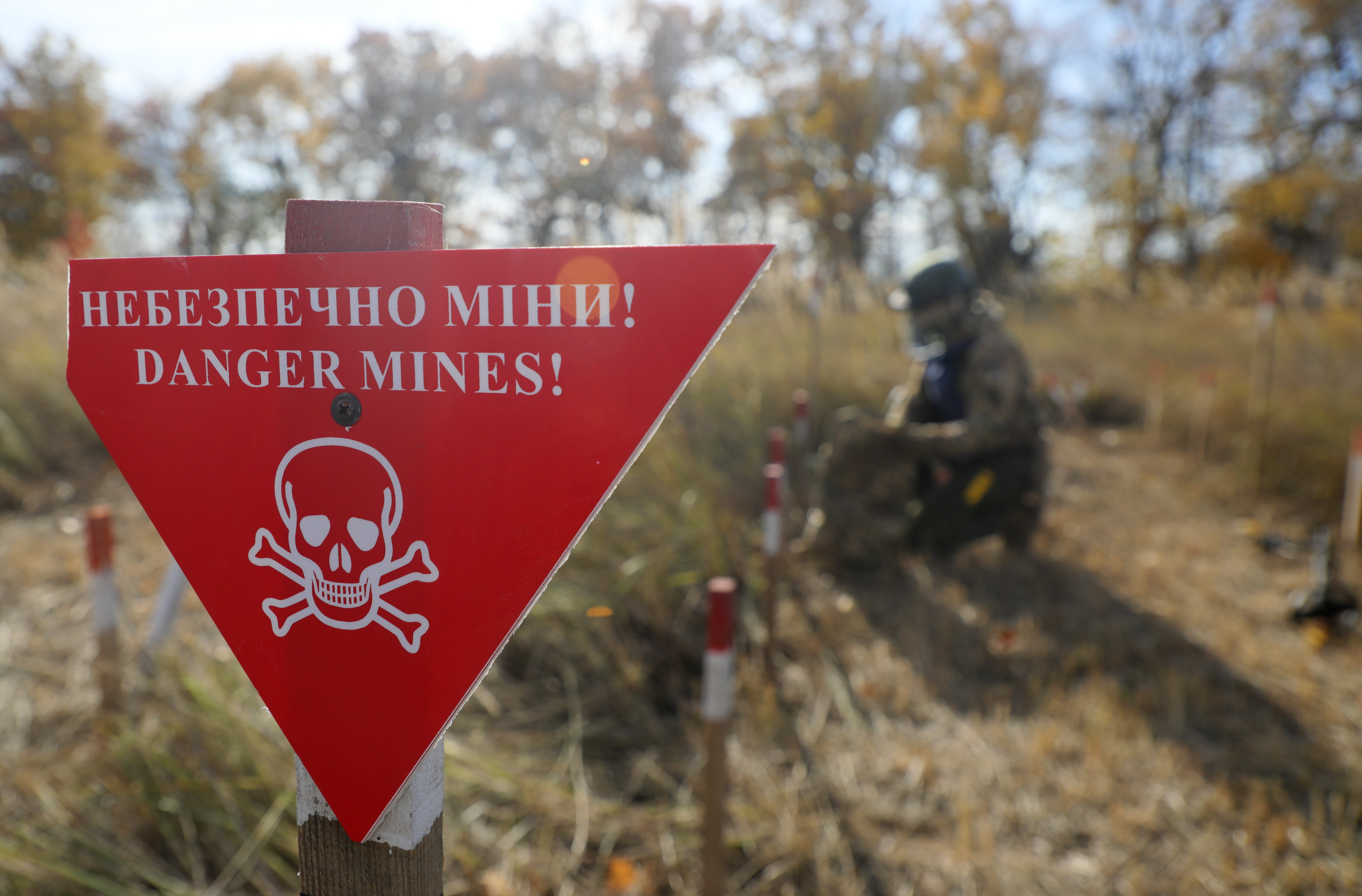
Almost 23% of Ukraine’s territory remains contaminated by mines and unexploded ordnance, and full clearance operations are expected to take at least 10 years.
We bring you stories from the ground. Your support keeps our team in the field.
According to Polish outlet Rzeczpospolita on May 25, Ukraine has become one of the most heavily mined countries in the world since the start of Russia’s full-scale invasion.
The report, citing Ukrainian and international demining experts, states that vast areas of farmland, former combat zones, and previously occupied territories remain contaminated with mines and unexploded ordnance, posing ongoing risks to civilians.
“Where there was occupation, there are minefields and unexploded ordnance. (…) Ukraine will not be cleared of mines even in the next ten years,” said Olha Shustova of the Ukrainian branch of HALO Trust, an international humanitarian demining organization, as quoted by Rzeczpospolita.
The publication reported that Ukrainian authorities are prioritizing the clearance of agricultural land to restore farming activity and reduce risks to civilians. According to the report, demining one hectare of land costs at least $1,400.
According to Rzeczpospolita, a shortage of military sappers continues to slow operations, prompting Ukraine to rely increasingly on international assistance and private-sector technologies.
The outlet also reported that Ukraine has launched a digital platform called GRIT, which uses artificial intelligence and technology from US company Palantir to analyze potentially mined territory using drone imagery and other data sources.
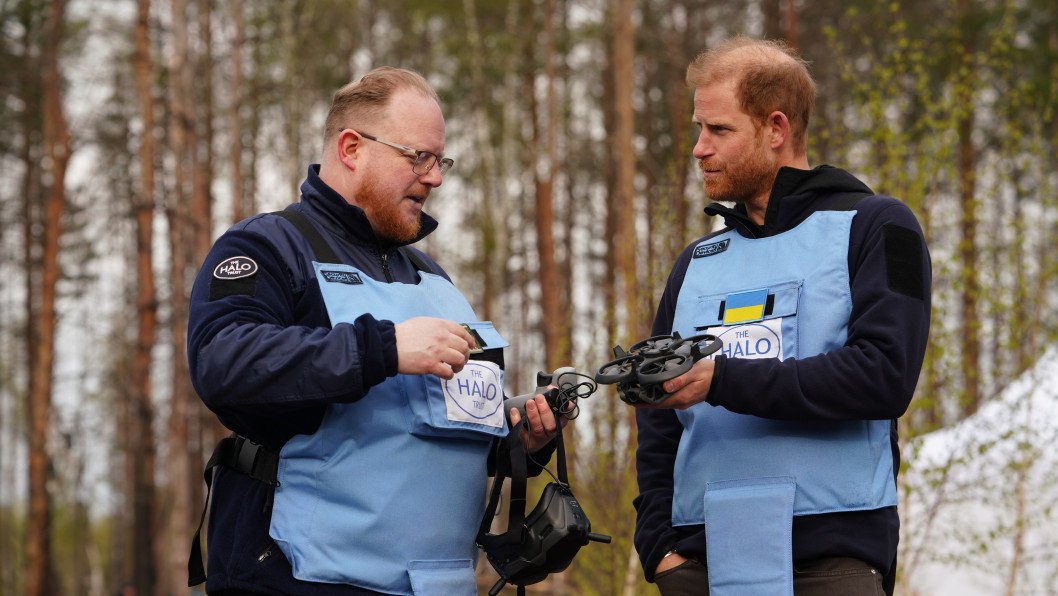
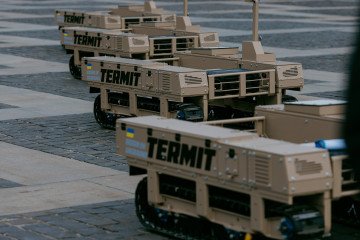
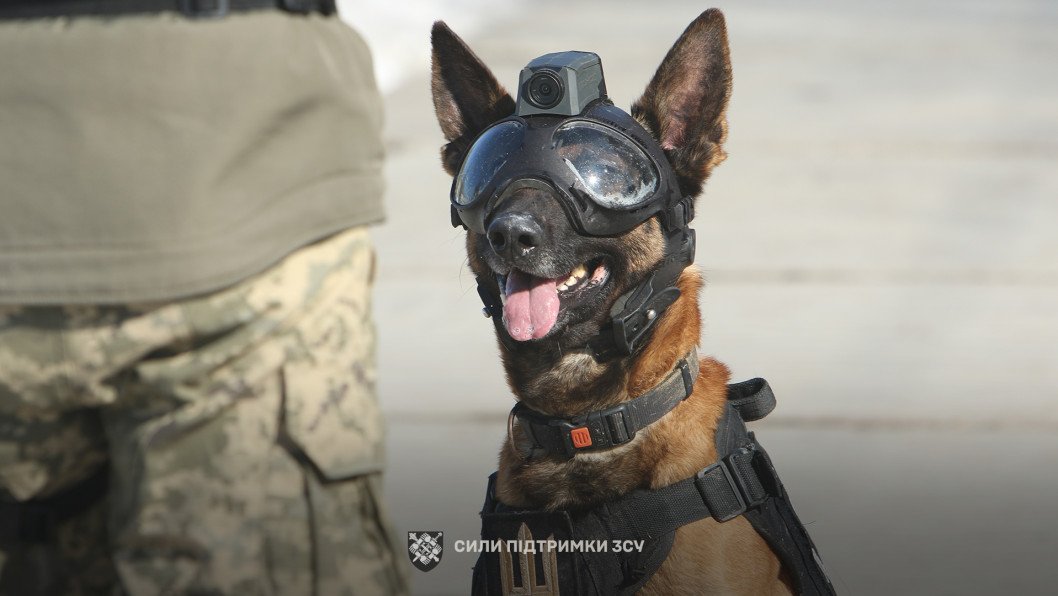
Demining teams are also using AI-assisted drones capable of detecting unexploded ordnance with an accuracy rate of around 70%, the newspaper reported. Ukrainian company SkyLab UA has additionally developed the remotely operated Sirko-S1 robotic demining system, which is expected to be deployed initially near frontline areas.
According to Ukraine’s Humanitarian Demining Center, approximately 128,000 square kilometers of territory are currently considered potentially contaminated. Officials estimate that between 20% and 30% of those areas will require direct demining operations.
Rzeczpospolita also cited demining specialist Yuliia Chykolba, who pointed to Afghanistan as an example of how long mine contamination can persist after a war ends.
“Combat operations may stop, but the threat from mines—for ordinary residents now—remains. For example, humanitarian demining teams in Afghanistan are still removing mines left after the Soviet invasion,” Chykolba said.
Earlier, Ukraine’s National Police reported that at least 1,358 people had been killed or injured by mines and unexploded ordnance since the start of Russia’s full-scale invasion, including 380 fatalities and 978 wounded civilians.
Authorities stated that Ukraine remains one of the world’s most heavily mine-contaminated countries, with hundreds of thousands of explosive devices already cleared from liberated territories.
Discuss this article:
-9a7b3a98ed5c506e0b77a6663f5727c5.png)


-c439b7bd9030ecf9d5a4287dc361ba31.jpg "Photo of Katherina Popilnichenko")


-72b63a4e0c8c475ad81fe3eed3f63729.jpeg "Photo of Cyril Barabaltchouk")