- Category
- Latest news
Russia Attacks Ukraine Using the Oreshnik Missile System
 Prefer U24 Media on Google
- Authors


-29a1a43aba23f9bb779a1ac8b98d2121.jpeg "Photo of Illia Kabachynskyi")

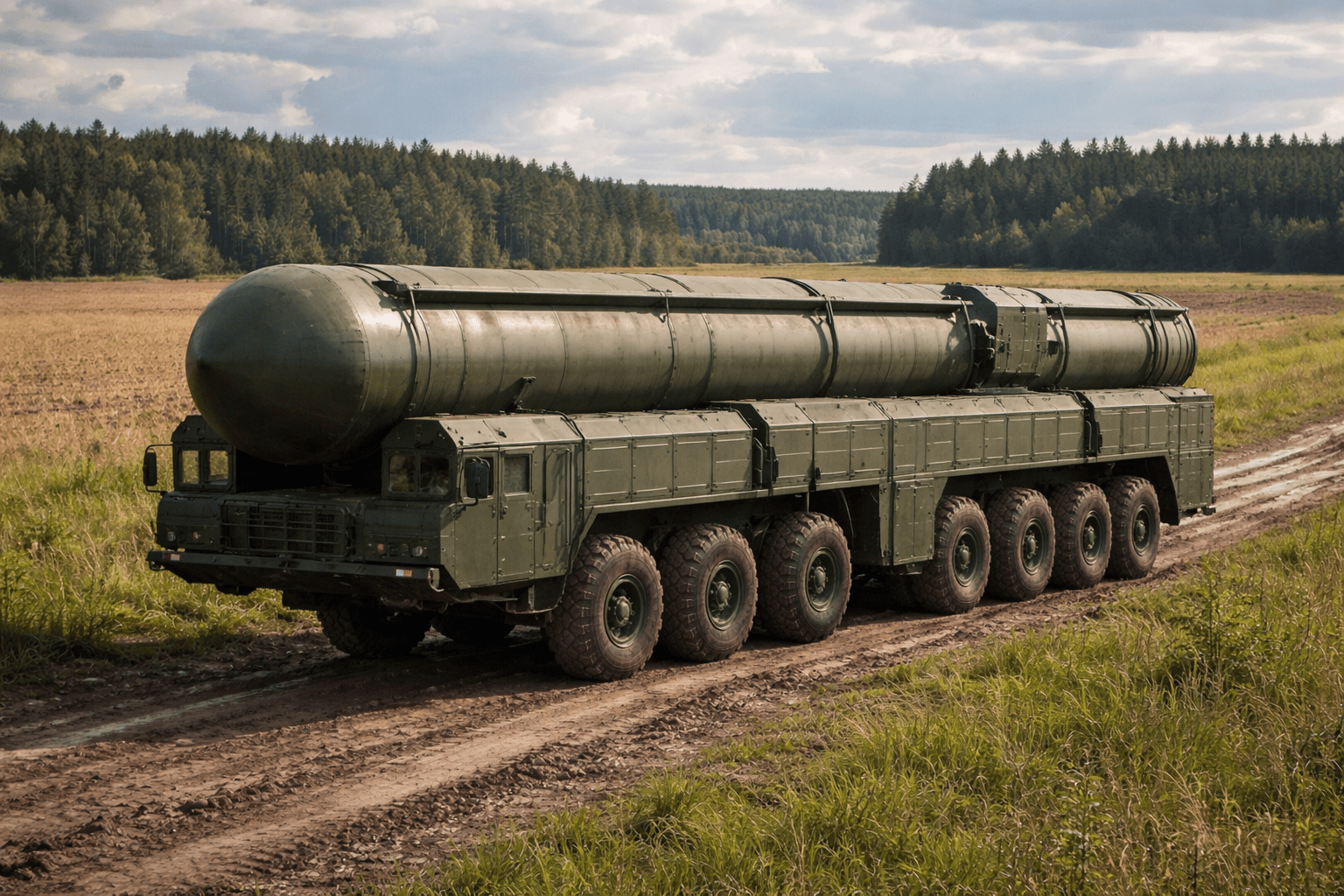
Russia attacked Ukraine using the Oreshnik missile system, a weapon associated with intercontinental nuclear strike capabilities. Moscow appears to have ordered a second such launch against Ukrainian territory, though the strike in the western Lviv region was carried out without a warhead and appears to have been intended primarily as a psychological demonstration rather than a kinetic attack.
According to Russia’s Ministry of Defense, the strike was carried out in retaliation for what it claimed was a Ukrainian attack on Russian leader Vladimir Putin’s residence in Valdai. Ukraine has denied carrying out any strike on Putin’s residence, saying the claim is part of a deliberately coordinated disinformation campaign aimed at undermining peace negotiations.
We bring you stories from the ground. Your support keeps our team in the field.
Ukrainian and Western monitoring groups first reported the possible use of the Oreshnik late Wednesday. This would not be the first time Russia has launched the system at Ukraine. In 2024, Moscow fired an Oreshnik missile toward the city of Dnipro, also without a warhead, in what analysts described as a signal rather than a battlefield operation. Ukrainian territory has effectively been used as a testing ground — a stage on which the Kremlin showcases the weapons at Putin’s disposal.
This time, the apparent target was Ukraine’s Lviv region. Analysts are assumed that the intended target may have been the Stryi gas storage facility, the largest underground gas storage site in Europe. The facility plays a critical role in Ukraine’s energy security during the winter and serves as a logistical gas hub for European countries as well. Such infrastructure is essential not only for Ukraine, but for parts of Europe, ensuring that civilian homes have heating during the cold months.
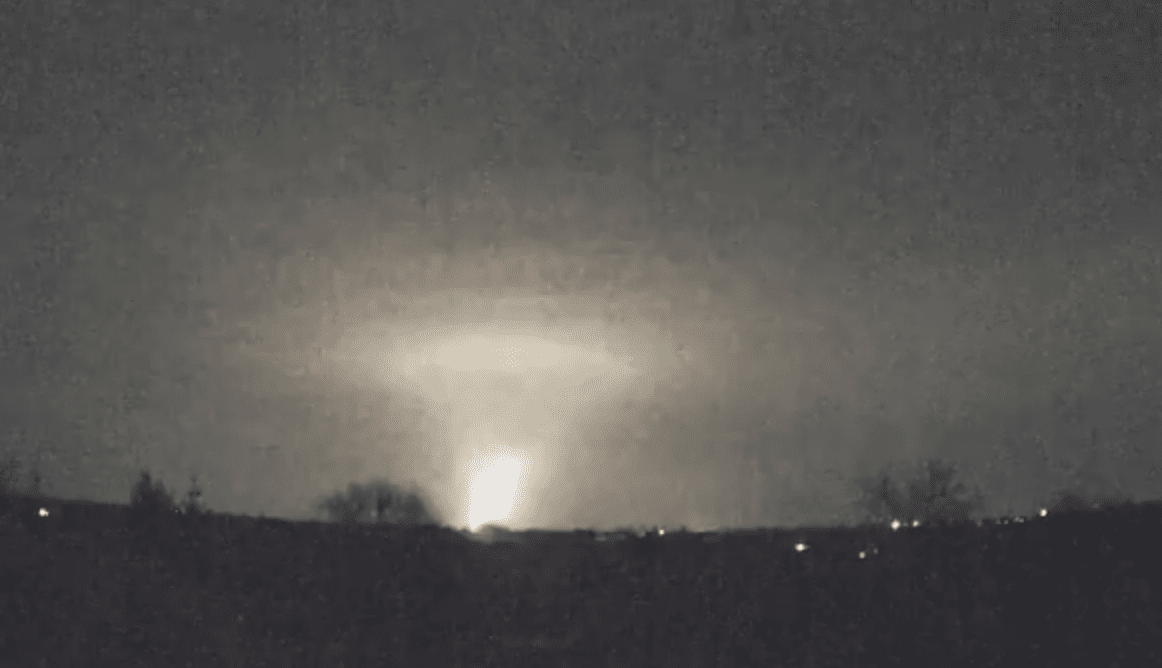
For Russia, attacks on energy and civilian infrastructure have become a familiar tactic. On the same night, strikes on Kyiv damaged energy facilities, leaving parts of the capital without electricity.
Ukraine has not officially confirmed the use of the Oreshnik missile. However, the Air Force Command said that at 11:47 p.m. on January 8, Russian forces launched a ballistic missile strike on infrastructure targets in Lviv, noting that the aerial object was traveling at approximately 13,000 kilometers per hour along a ballistic trajectory — a speed consistent with the Oreshnik system.
Preliminary reports indicate that the Stryi gas storage facility was not hit, leaving the precise target of the attack unclear. Officials say another infrastructure site in the Lviv region sustained damage.
As in previous launches, the Oreshnik missile reportedly carried no explosive warhead, only an inert mass — effectively a large piece of metal striking the ground at extreme speed. The resulting crater is caused not by an explosion, but by the kinetic force of an object impacting the earth at more than 10,000 kilometers per hour.
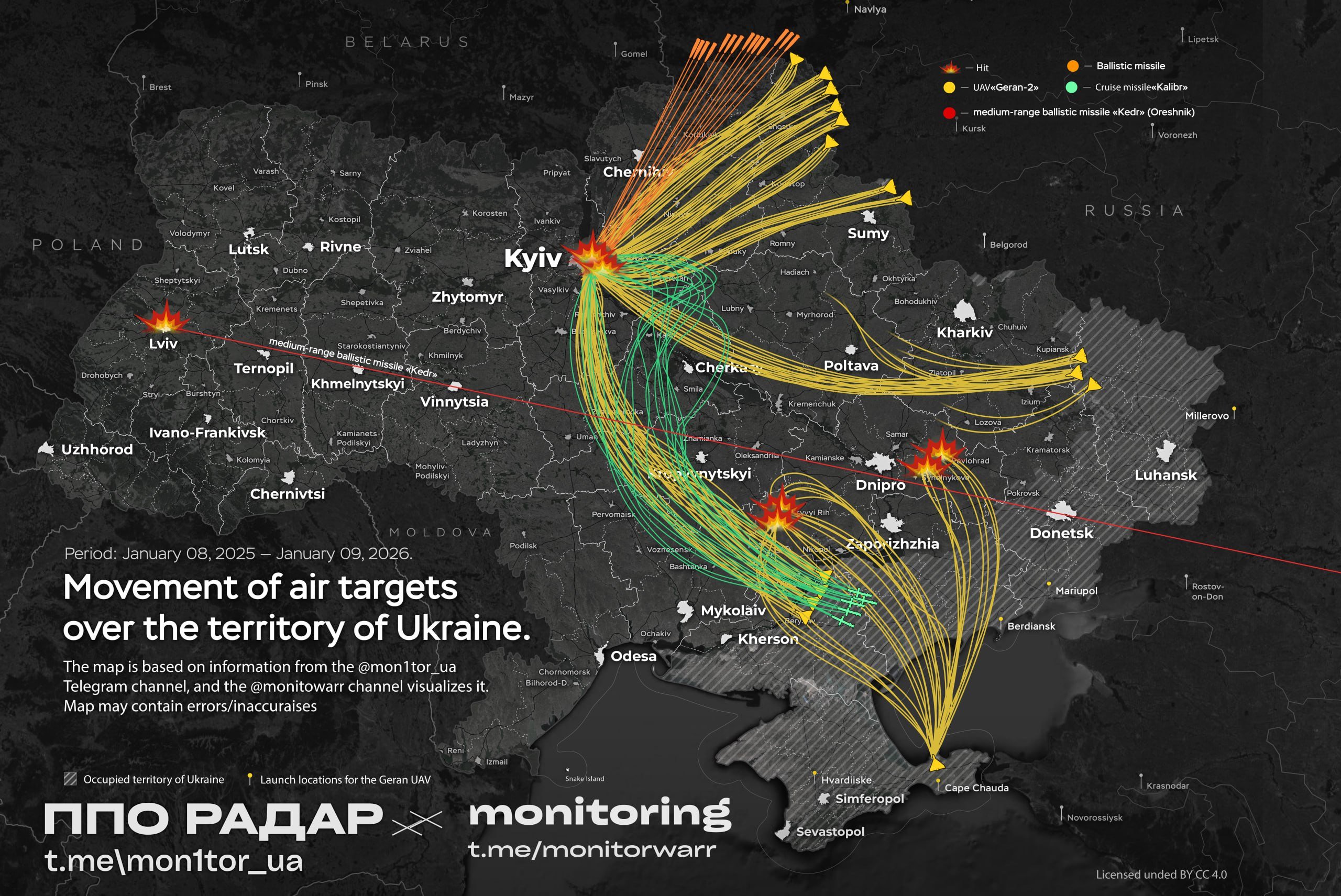
Ukrainian officials and analysts describe such strikes as acts of terror and psychological pressure rather than military necessity. The apparent target — critical civilian infrastructure — is protected under the Geneva Conventions and prohibited from attack.
In 2024, Russia similarly launched an Oreshnik missile into an open field near the Pivdenmash industrial complex in Dnipro, again without a warhead. The objective, analysts said, was simply to demonstrate capability.
Notably, the latest launch came one day after the United States delivered a peace plan to the Kremlin that had been coordinated with Ukraine, and shortly after President Volodymyr Zelenskyy held a series of meetings with European leaders aimed at advancing a path toward peace and ending the war.
Discuss this article:
-9bd5e1532102621f8fb1c4ba871a3171.png)


-c439b7bd9030ecf9d5a4287dc361ba31.jpg "Photo of Katherina Popilnichenko")