- Category
- War in Ukraine
Ukraine Details Over 100 Long-Range Strikes on Russia in New Report to Washington
 Prefer U24 Media on Google
- Authors


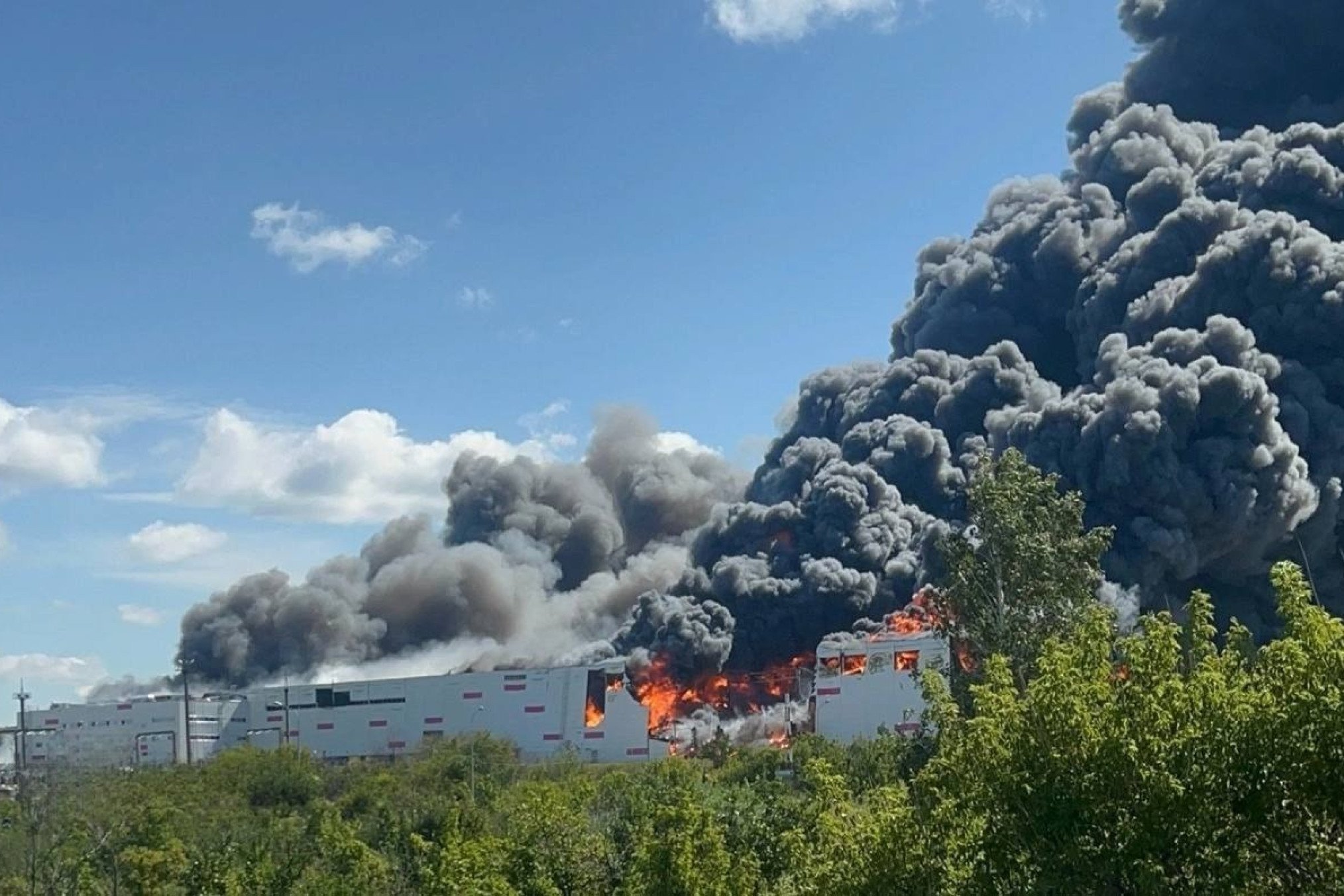
Ukraine has informed the administration of US President Donald Trump that its long-range strike campaign against Russian targets has significantly intensified, while warning that a shortage of interceptor missiles is limiting its ability to defend cities from Russian ballistic attacks.
A memorandum prepared by Ukraine’s Defense Ministry was submitted to the Trump administration earlier this week. According to Radio Free Europe/Radio Liberty on August 13, the document says the Security Service of Ukraine (SBU) carried out more than 100 “successful strikes” against strategic targets in Russia and temporarily occupied Ukrainian territories over a 40-day period.
We bring you stories from the ground. Your support keeps our team in the field.
According to the document, which was provided to Radio Free Europe/Radio Liberty by the Ukrainian Embassy in the US, the campaign authorized by President Volodymyr Zelenskyy has entered a “new phase.”
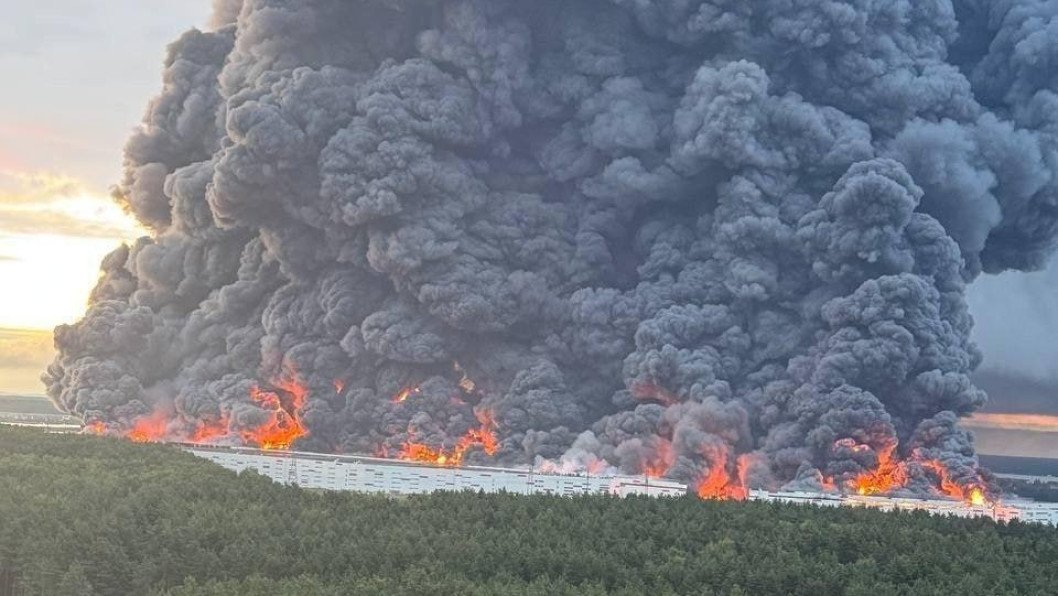
The memorandum says Ukrainian forces have now targeted all 10 of Russia’s largest oil refineries, with strikes reaching as far as Omsk, roughly 2,500 kilometers from Ukraine. The attacks involved FirePoint drones with a claimed range of up to 3,400 kilometers.
Ukraine told Washington that its strikes on Russian refineries have taken place roughly every two days. Kyiv estimates that more than 30% of Russia’s refining capacity has been disrupted, resulting in losses of approximately $15 billion, the outlet reported.
The campaign has also expanded to Russia’s so-called shadow fleet, with nearly 200 vessels operating in the Black and Azov seas reportedly coming under attack.
In addition, Ukrainian forces have targeted dozens of Russian military facilities across the country. In occupied Crimea, strikes have focused on several military airfields, including Saky, Hvardiiske, Belbek, and Bagerove.
According to Radio Free Europe/Radio Liberty, the Ukrainian memorandum also points to heavy Russian equipment and personnel losses in July. It describes the month as the most damaging of the full-scale war for Russia’s transport vehicles and fuel tankers, with nearly 14,000 units destroyed or damaged.
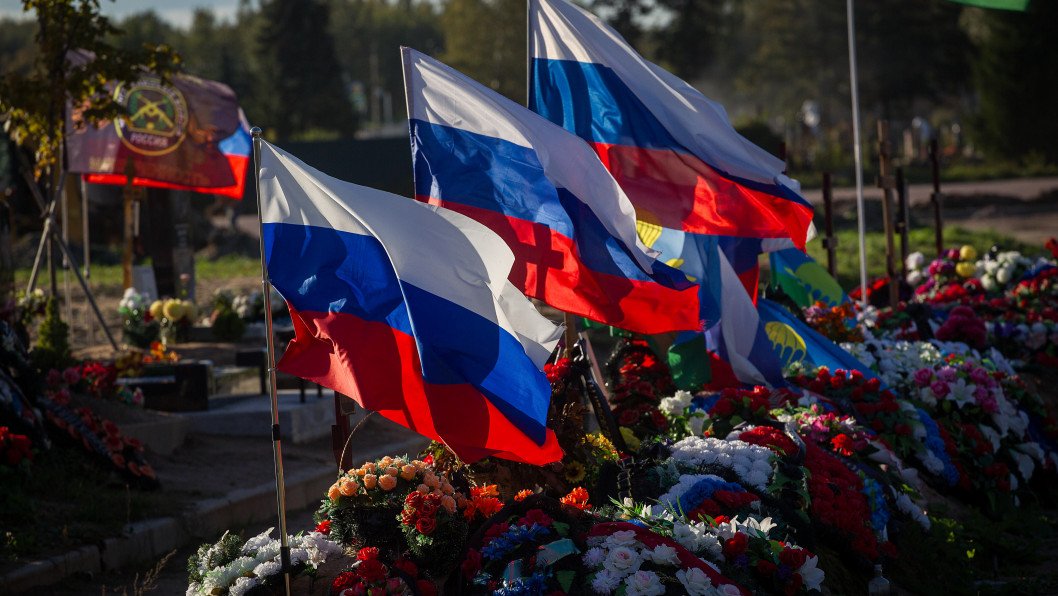
Ukraine estimates that 42,860 Russian servicemen were killed or wounded in July, calling the figure the highest level of Russian military casualties recorded over the previous year. Moscow generally does not comment on Ukrainian estimates of its losses.
The document also argues that Russia has made limited territorial gains despite the Kremlin’s stated objective of capturing Ukraine’s Donetsk region, the outlet noted.
The memorandum also said that Russian forces had advanced by less than 100 square kilometers across the entire frontline over several months. It assessed that, given the Kremlin’s stated goal of capturing Ukraine’s Donetsk region, Russia was increasingly unlikely to achieve that objective in 2026 or 2027. The document also noted that Ukrainian forces were conducting offensive operations in several sectors, while details of those operations remained classified.

At the same time, Kyiv highlighted what it described as a critical shortage of interceptor missiles needed to counter Russia’s ballistic arsenal.
The memorandum cites Russia’s August 5 missile attack on Kyiv, which killed 18 people and damaged civilian infrastructure. According to the Ukrainian side, none of the 24 ballistic missiles launched during the attack were intercepted because Ukraine did not have enough suitable interceptor missiles.
The document further states that Russia launched around 100 ballistic missiles in July, while Ukraine’s interception rate remained “critically low.”
Kyiv also told Washington that Russia has sought North Korean support as it escalates its campaign of attacks, with dozens of KN-23 ballistic missile launchers already delivered and being deployed against Ukrainian cities.
The memorandum comes as Ukraine continues to expand the geographic reach of its own long-range strikes. Ukraine launched 600 drones toward the Moscow region over a 24-hour period, marking the largest number of UAVs reported heading toward the Russian capital since the beginning of Russia’s full-scale invasion.
Discuss this article:
-9a7b3a98ed5c506e0b77a6663f5727c5.png)