- Category
- Latest news
The Invisible War With Russia Has Already Begun Under Britain’s Waters
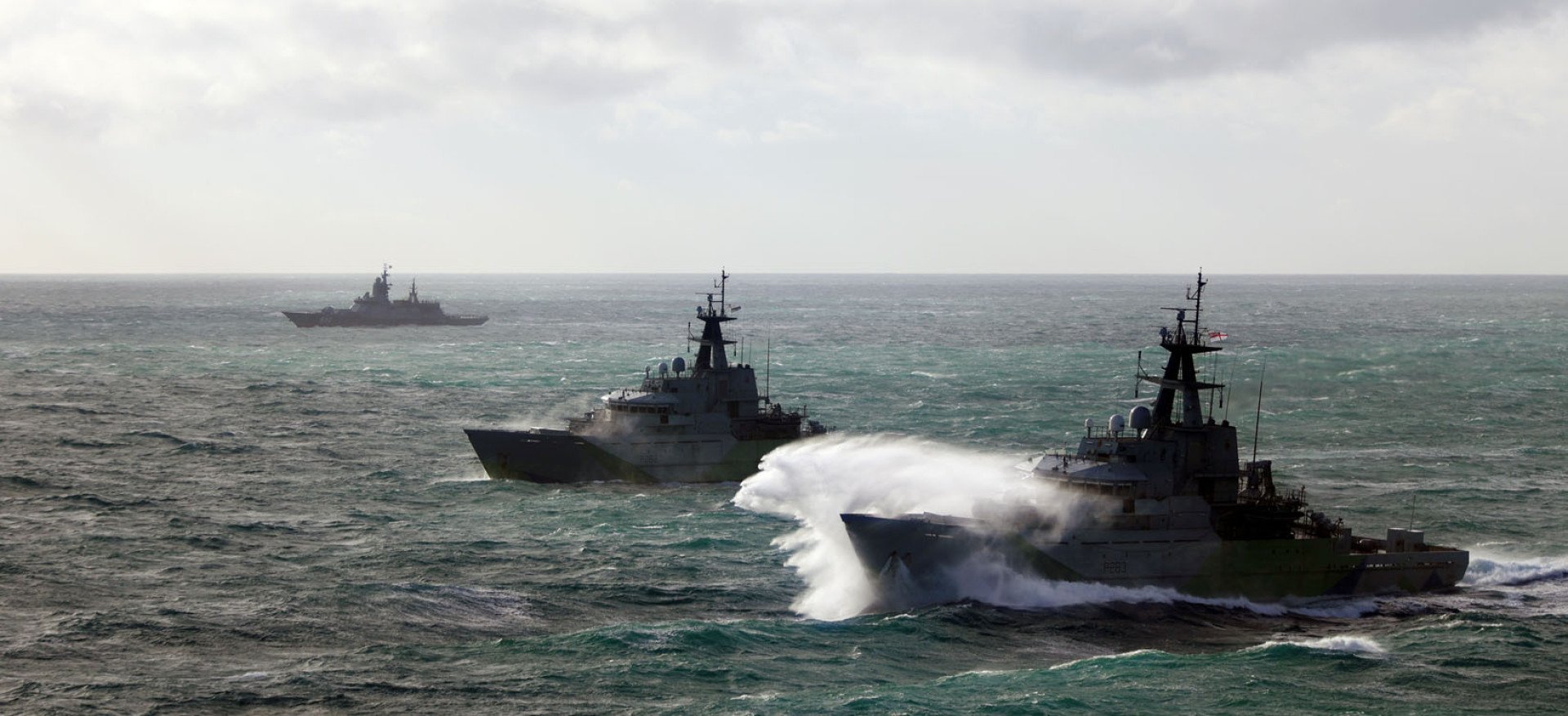
The United Kingdom may become a primary target in a hidden war beneath the sea, experts told Parliament. Russia’s growing submarine capabilities and focus on critical undersea infrastructure put Britain at risk of disruptions to global trade, communications, and energy supplies—even without a single missile being fired.
 Prefer U24 Media on Google
- Authors


Britain faces a growing security risk from potential Russian attacks on undersea cables and energy infrastructure, maritime experts told lawmakers during a parliamentary briefing, according to BFBS Forces News on February 11.
We bring you stories from the ground. Your support keeps our team in the field.
Analysts warned that the UK’s role as a major data and trade hub makes it especially vulnerable to disruption in a future hybrid conflict.
Professor Pete Roberts, an associate fellow at the University of Exeter’s Centre for Public Understanding of Defence and Security, told MPs that Russia’s targeting of data cables, energy links, and gas infrastructure—combined with Britain’s geographic position—places the country squarely in Moscow’s crosshairs.
Spotted: An armed UK Hunter Killer submarine leaving Gibraltar.
— Ministry of Defence 🇬🇧 (@DefenceHQ) January 27, 2026
The @RoyalNavy ensures their presence at sea at all times to deter potential adversaries and protect the nation and @NATO allies. pic.twitter.com/XSi6w7kXpB
As highlighted in BFBS Forces News’ ongoing coverage of maritime security, the UK serves as a critical digital and commercial gateway between Europe and North America.
“The UK hosts 119 data cables,” Roberts said during testimony cited by BFBS Forces News.
“Seventeen trillion dollars worth of trade passes through the UK data cables that are hosted here. It’s the gateway to Europe, it’s the gateway to the Mediterranean.
“In data-cabled terms, it’s the gateway for Europe into the United States. I mean, it’s huge… So the UK is on the front line.
“And more than that, President Putin has expressed, both in his doctrine and in his speeches, his desire to strike at the UK directly.”
Russian undersea capabilities raise alarm
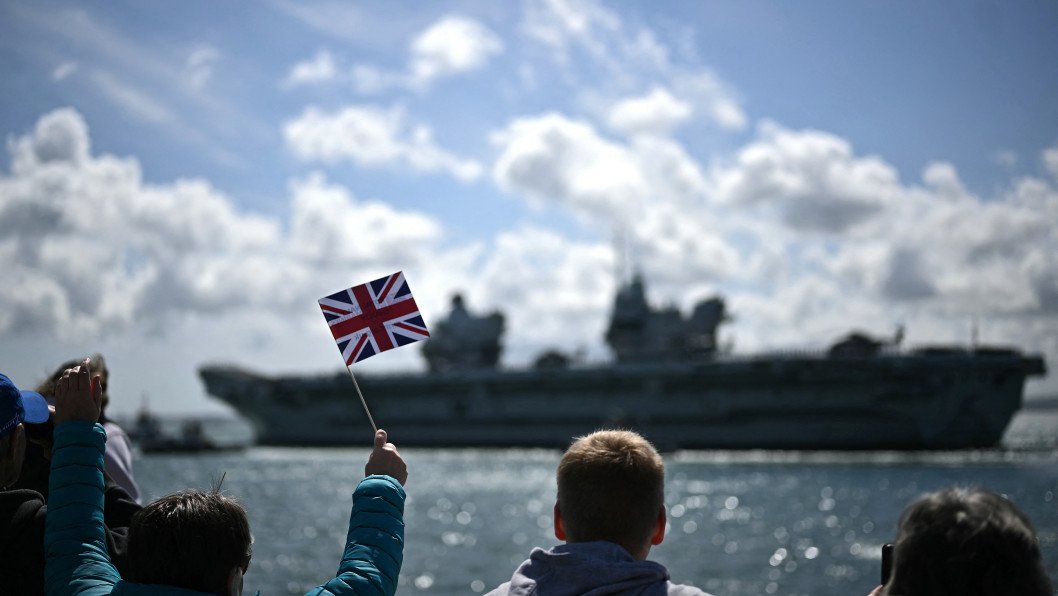
Roberts told the Defence Committee that Russia significantly expanded its submarine force after the Cold War, building a fleet of 64 submarines compared with the UK’s nine.
He added that Moscow funds specialized maintenance programs and the secretive undersea research directorate known as GUGI, enabling Russian submariners to operate at depths of up to 6,000 meters and conduct missions beneath Arctic ice—capabilities Western militaries struggle to match.
.@hms_mersey and @hmssevern were dispatched alongside a Wildcat helicopter from @815NAS to intercept Russian corvette Boikiy and accompanying oil tanker MT General Skobelev as they sailed towards the North Sea.
— Royal Navy (@RoyalNavy) January 23, 2026
🔗 https://t.co/tv5bYGF1nK pic.twitter.com/tBA4btYH5Z
According to previous BFBS Forces News reporting, the movement of Russian vessels through UK waters may also serve hybrid-warfare and psychological signaling purposes.
Roberts warned that the Kremlin may now be trading sensitive submarine expertise to partners such as North Korea and Iran in exchange for military or political support—an evolution from earlier technology transfers involving ballistic missiles.
Tracking submarines is far from simple
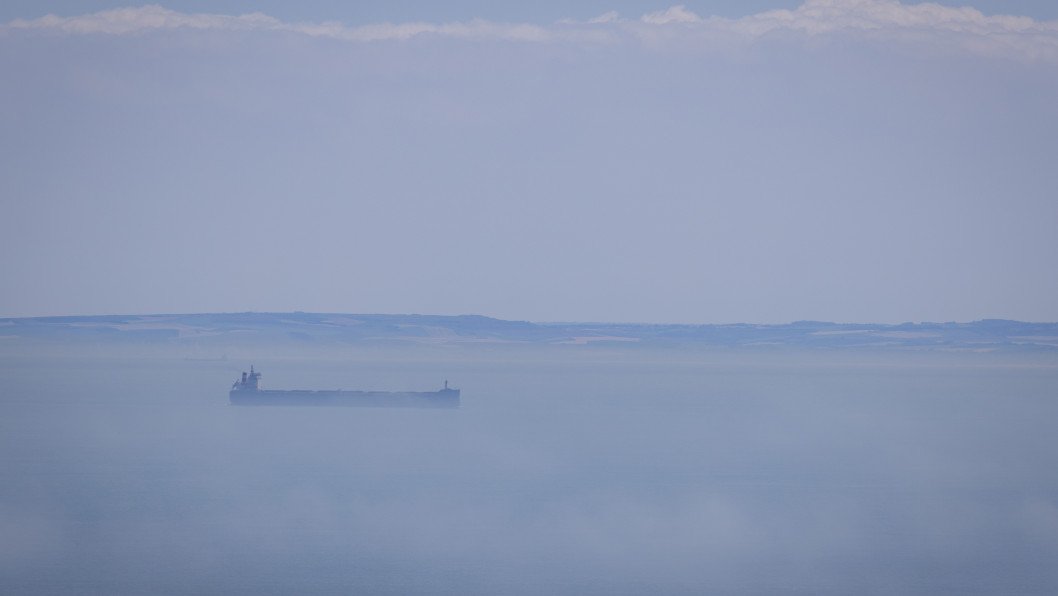
Former Deputy Director of Submarines, Commodore (Ret.) John Aitken told MPs that detecting submarines requires deep understanding of the ocean’s layered physics, Forces News wrote.
“We have invested… heavily in quietening technologies and in ensuring that they’re difficult to find,” he said. “When people look at the sea… they tend to think of it as a homogeneous body of water. And it absolutely is not.”
The @RoyalNavy monitors UK waters 24/7/365 and is ready to deter any suspicious vessels threatening us.
— Ministry of Defence 🇬🇧 (@DefenceHQ) December 17, 2025
🔊 Lt Cdr Tom Sleight from UK Maritime Operations Command explained to BBC Radio 5 Live how the Armed Forces have recently escorted Russian ships in British waters. pic.twitter.com/oi2J9m0ipm
He explained that variations in salinity, temperature, and pressure dramatically affect how sound travels underwater, making modern ballistic-missile submarines—such as Britain’s Vanguard class—extraordinarily hard to detect.
“The invulnerability of the Vanguard-class submarines is absolutely unchallenged… It’s the proverbial needle in a haystack.”
China’s rapid submarine expansion
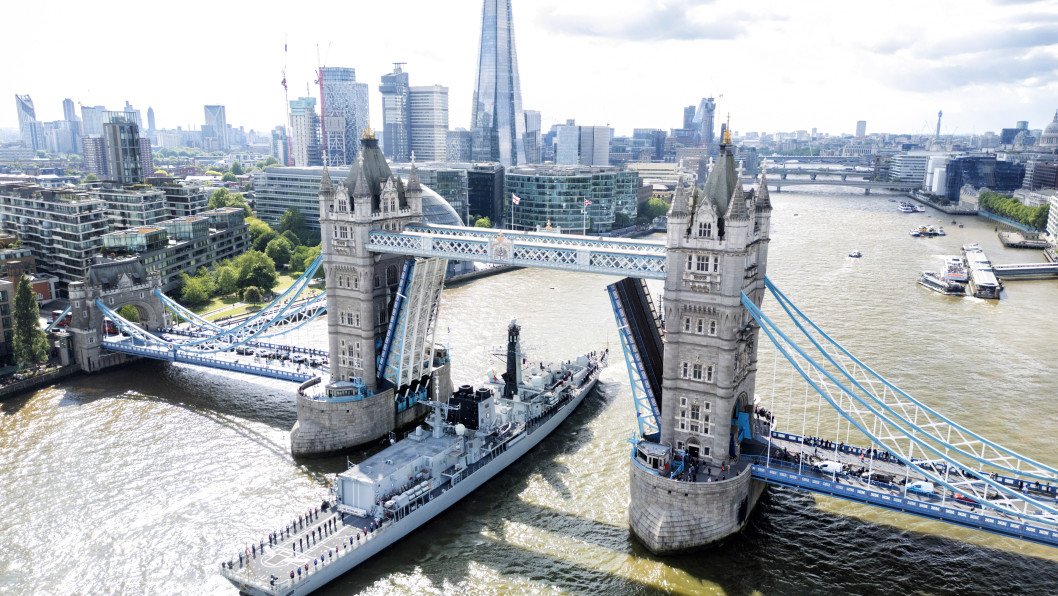
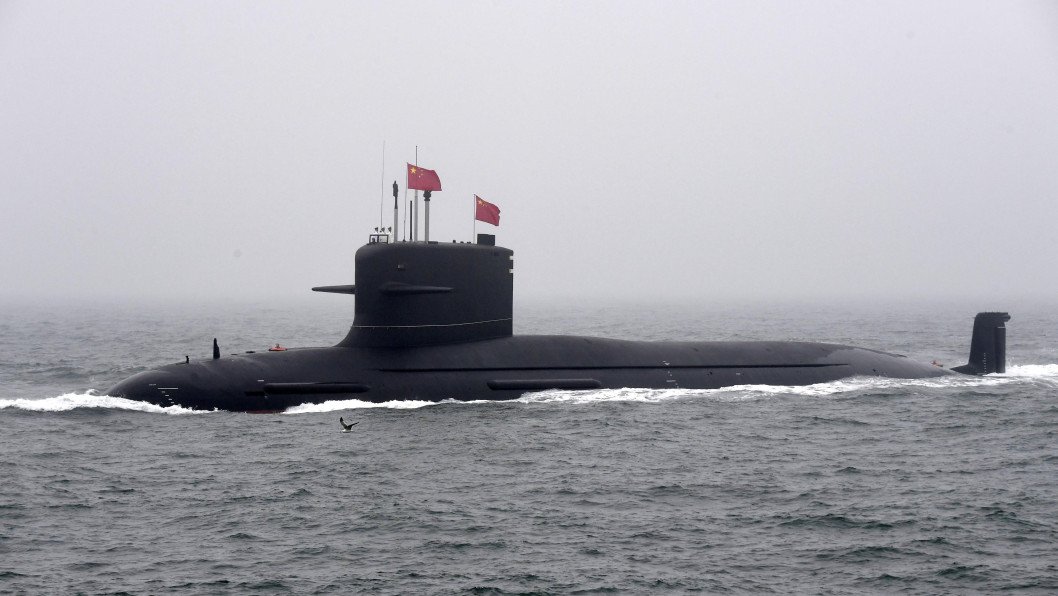
Roberts also pointed to China’s accelerating submarine production, describing the pace—three to five boats annually compared with Western output—as unprecedented in modern naval history.
“The rate at which they’re accelerating is shocking,” he said. “I don’t think we’ve ever seen anything like this… faster than we’ve seen in submarine warfare before.”
Doubts over Britain’s Atlantic Bastion response
Lawmakers also examined the Royal Navy’s proposed Atlantic Bastion hybrid warfare program, combining crewed and uncrewed systems to counter renewed Russian undersea activity, according to Forces News.
While experts praised the Navy’s world-class mine-hunting capability, they warned Atlantic Bastion remains underdeveloped and reliant on unproven technologies.
“Atlantic Bastion is based on what isn’t even an experiment yet,” Roberts said. “Doing it on the basis of a couple of PowerPoint slides and an industry pitch, I don’t think is wise.”
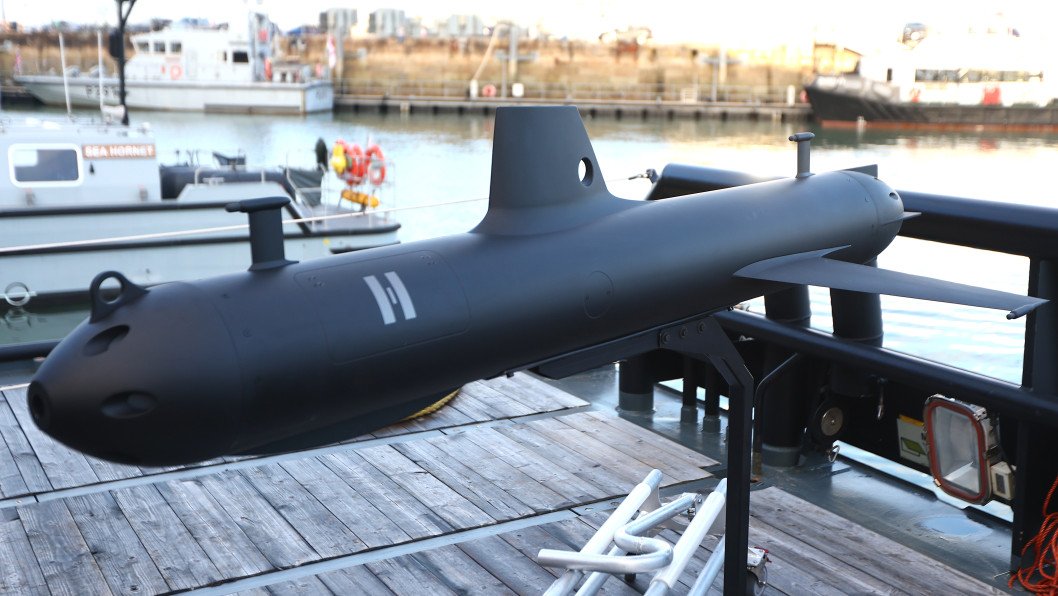
“I think Atlantic Bastion is a really good concept. But… it relies upon a number of unproven technologies… and it’s going to be really hard to do,” Aitken agreed.
Both experts also questioned whether focusing primarily on the Atlantic makes strategic sense as the Arctic grows in military importance—a concern echoed across multiple BFBS Forces News security briefings.
The Defence Committee chair said the testimony would help inform both MPs and the public about the scale of the invisible undersea threat now shaping Britain’s national security.
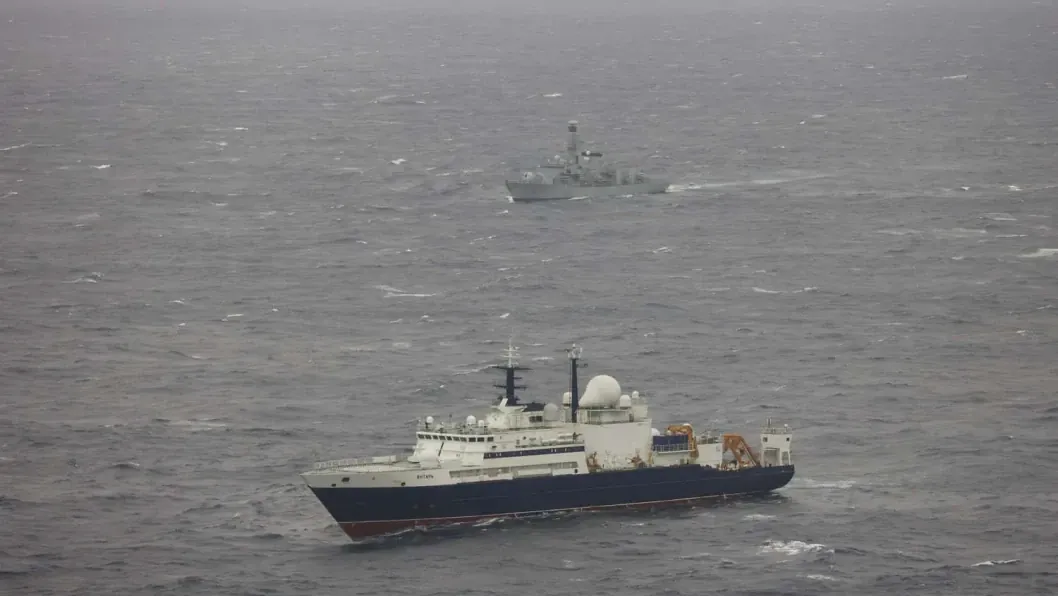
Earlier, British military forces ordered a Russian cargo vessel to leave UK territorial waters after it anchored dangerously close to transatlantic undersea communications cables in the Bristol Channel.
The Russian-flagged vessel SINEGORSK dropped anchor roughly 2.3 miles (3.7 km) off the coast of Somerset.
The ship’s position placed it less than 1.1 miles (1.8 km) from a cluster of critical subsea telecommunications cables linking the UK with the United States, Canada, Spain, and Portugal.
Discuss this article:
-4a56a6b482ec132402c16ef6fcabf9a2.png)





-c439b7bd9030ecf9d5a4287dc361ba31.jpg "Photo of Katherina Popilnichenko")