- Category
- Latest news
UK Royal Navy Prepares Command Hub to Hunt Russia’s Shadow Fleet
 Prefer U24 Media on Google
- Authors


The United Kingdom’s Royal Navy is preparing to establish a command center on the country’s eastern coast to counter Russia’s so-called shadow fleet, The Sunday Times reported on February 8.
From the new hub, military personnel would be able to track sanctioned oil tankers and potentially seize vessels suspected of sanctions evasion.
We bring you stories from the ground. Your support keeps our team in the field.
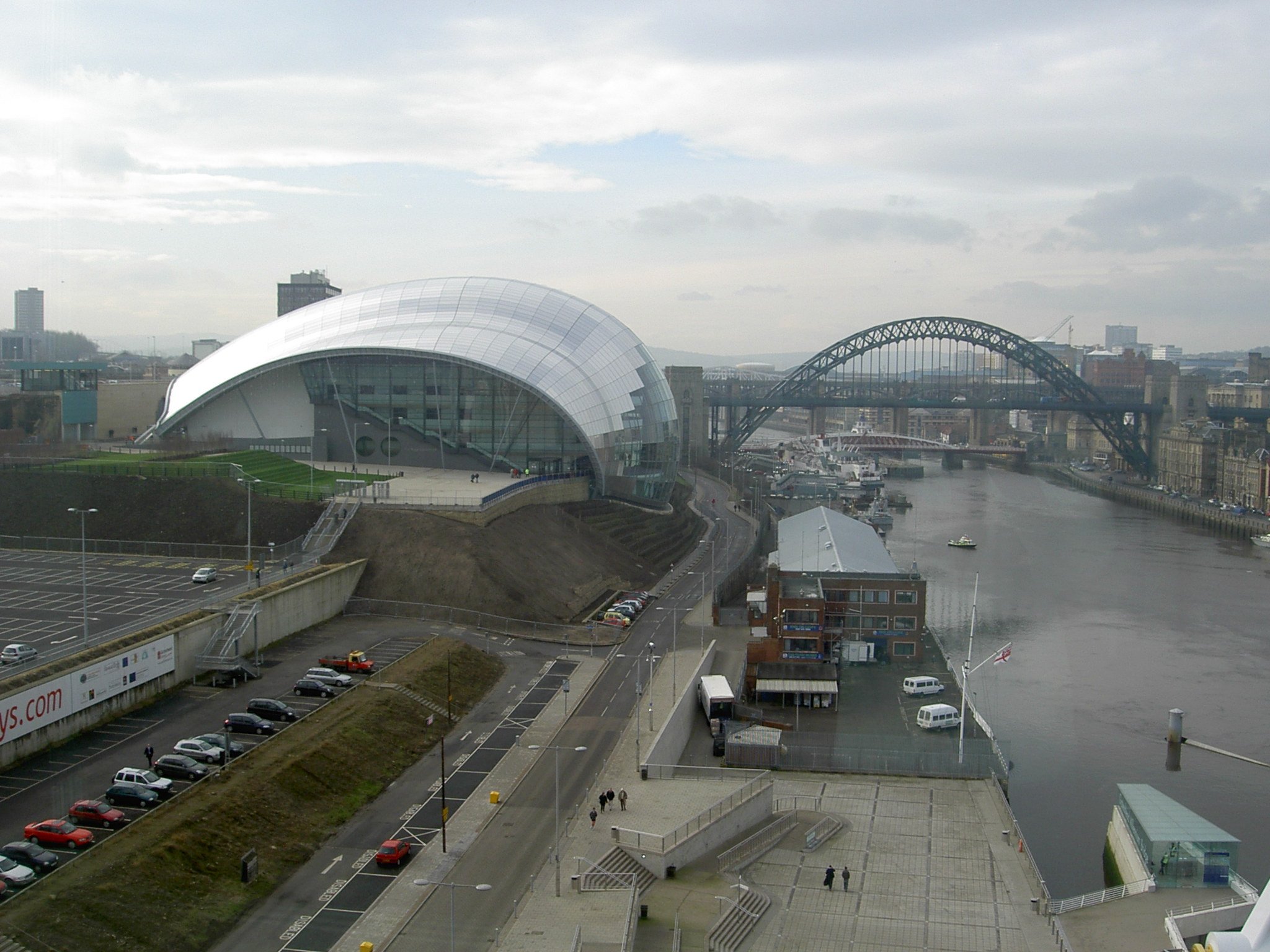
The facility is expected to be created by converting HMS Calliope, a naval reserve training center in Gateshead, into an operational base. Plans also include acquiring remotely operated unmanned patrol boats capable of monitoring the North Sea and the English Channel at distances of up to 800 kilometers.
These drones would identify ships sailing under false flags and relay movement data to British authorities, allowing rapid interception of suspected violators.
UK Defense Secretary John Healey previously said the government is working with allies to detain additional vessels tied to Russia’s shadow fleet, with potential involvement from the Special Boat Service (SBS), the Royal Navy’s elite maritime special forces unit.
However, defense sources told the newspaper that such operations could prove costly. Holding seized tankers for extended periods may require millions of pounds, prompting officials to consider offsetting expenses by selling confiscated oil cargoes. Healey has proposed directing any resulting revenue toward support for Ukraine.
According to the Centre for Research on Energy and Clean Air (CREA), Russia has transported roughly 550 million tons—or about 4 billion barrels—of oil worth £239 billion ($298 billion) through the English Channel since the start of the full-scale invasion of Ukraine. In total, shadow-fleet vessels have completed 9,584 transits through the Dover Strait.
“Deterring, disrupting and degrading Russia’s shadow fleet is a priority for this government,” a UK Ministry of Defence spokesperson told the outlet, noting that Britain has already sanctioned more than 500 oil tankers and 16 liquefied natural gas carriers linked to Moscow.
Estimates suggest the true size of Russia’s shadow fleet may reach 1,400 vessels. Investigative findings cited by the Dossier Center indicate Moscow drew on tactics previously used by Iran and Venezuela, purchasing aging tankers through broker networks and registering them in jurisdictions with weak regulatory oversight.
The Sunday Times notes that crews on such ships are often composed of low-paid sailors from Asian countries, while maintenance standards are frequently minimal. To avoid detection, many vessels disable tracking transponders or falsify location data. In the Mediterranean, ship-to-ship oil transfers—an inherently risky maneuver that can trigger major spills—are commonly used to obscure the origin of cargo.
Earlier, a large multinational NATO naval force sailed from southern Spain, launching the maritime phase of one of the alliance’s most important exercises of the year.
Discuss this article:
-9bd5e1532102621f8fb1c4ba871a3171.png)


-c439b7bd9030ecf9d5a4287dc361ba31.jpg "Photo of Katherina Popilnichenko")