- Category
- Latest news
NATO’s Most Powerful Amphibious Fleet in Years Sets Sail for Baltic Sea
 Prefer U24 Media on Google
- Authors


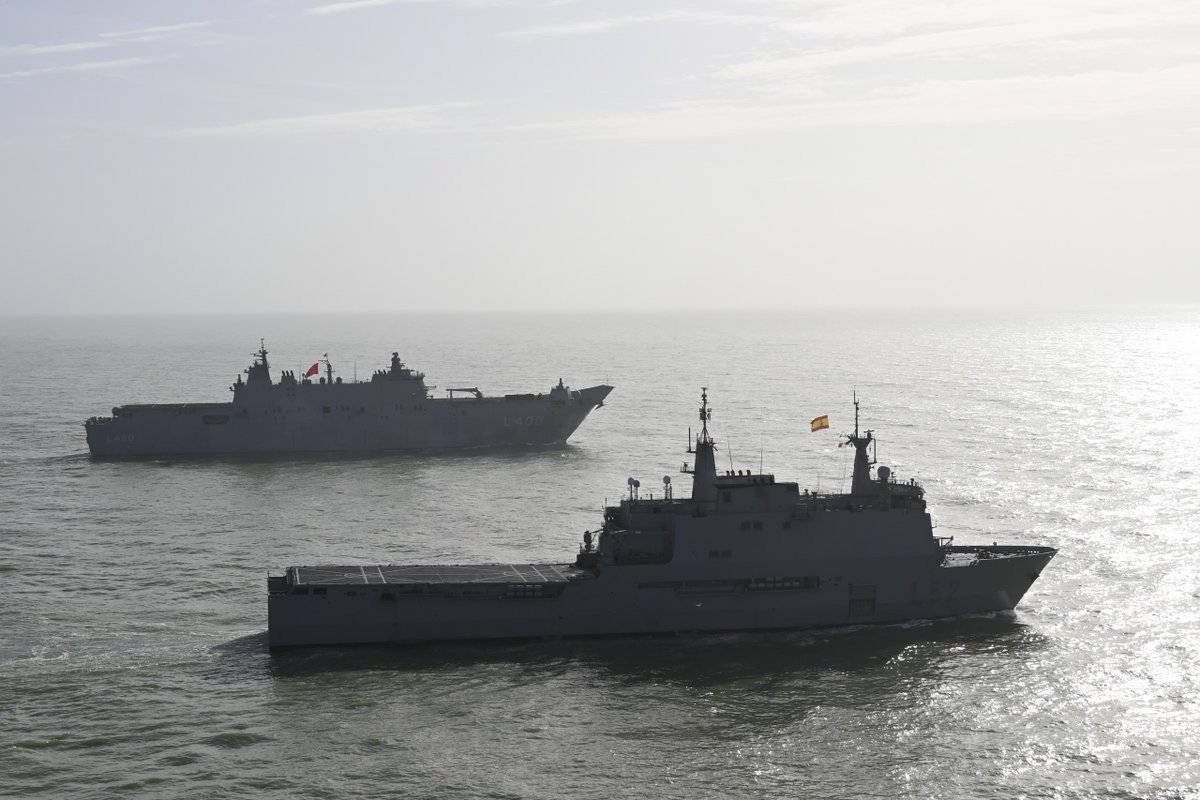
A large multinational NATO naval force has sailed from southern Spain, launching the maritime phase of one of the alliance’s most important exercises of the year, according to NATO Allied Joint Force Command Brunssum on February 1.
The Maritime Component Command of the Allied Reaction Force departed Rota Naval Base on January 31 aboard Spain’s amphibious assault ship Castilla, marking the start of major naval activity under Exercise STEADFAST DART 26.
We bring you stories from the ground. Your support keeps our team in the field.
The deployment is led by Spain’s Maritime Forces Headquarters, which is currently assigned as NATO’s high-readiness Maritime Component Command for the Allied Reaction Force. In this role, the Spanish command is responsible for planning, directing, and coordinating all maritime operations conducted under the alliance’s rapid-response framework.
Six warships sailed from Rota under the task group’s command. The Spanish Navy’s Castilla is serving as the flagship and command platform, escorted by the air-defense frigate Cristóbal Colón.
🚢🌍 NATO Maritime Forces on the move!
— NATO Allied Joint Force Command Brunssum - JFCBS (@NATOJFCBS) February 1, 2026
The 🇪🇸 Spanish-led Maritime Component Command (MCC) of NATO’s Allied Reaction Force has departed Rota Naval Base aboard ESPS Castilla to kick off the maritime phase of Exercise #SteadfastDart26 ⚓️🔥
🔹 6 ships deployed from 🇪🇸 & 🇹🇷, incl.… pic.twitter.com/eAUARM5VeL
The formation is reinforced by a Turkish amphibious task group, including the drone-capable assault ship Anadolu alongside Derya, İstanbul, and Oruçreis, creating a powerful combined maritime force.
Roughly 2,000 sailors, aircrew, and marines are assigned to the maritime headquarters element supporting STEADFAST DART 26.
The force includes amphibious units, helicopters, maritime patrol aircraft, unmanned systems, landing craft, and armored and amphibious vehicles, enabling operations across a wide range of naval and littoral scenarios.
#SteadfastDart26 deployment is currently ongoing🔄
— NATO Allied Joint Force Command Brunssum - JFCBS (@NATOJFCBS) January 27, 2026
Do you know that it is the first large-scale deployment of the Allied Reaction Force (ARF) within JFC Brunssum’s area of responsibility❓
For more details ➡️ https://t.co/aFAICqekpv#WeAreNATO |#StrongerTogether |… pic.twitter.com/ya4gtEV7uf
As the task group moves north toward the Baltic Sea, with Germany’s Kiel listed as a key destination, it is expected to integrate additional NATO naval formations, including Standing NATO Maritime Group 1 and Standing NATO Mine Countermeasures Group 1. This expansion will significantly increase the scale of the exercise and deepen multinational coordination.
During the transit, the force will also conduct joint training with allied navies from Portugal, France, and the Netherlands, focusing on interoperability, command integration, and rapid force assembly across long distances.
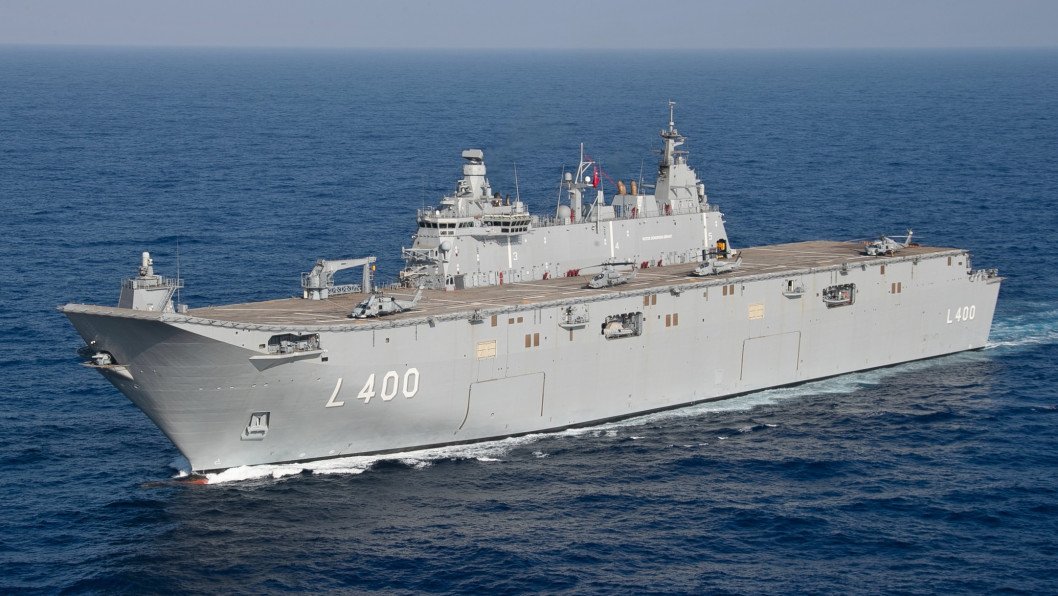
NATO officials say STEADFAST DART 26 is designed to test the readiness and deployability of the Allied Reaction Force in a contested security environment. The exercise aims to demonstrate the alliance’s ability to rapidly assemble, command, and sustain multinational maritime forces in support of deterrence and collective defense.
Earlier, US Army soldiers from the 3rd Armored Brigade Combat Team, 1st Cavalry Division, carried out Bradley Fighting Vehicle live-fire gunnery drills on January 11–12 at the General Silvestras Žukauskas Training Area near Pabradė, Lithuania, as part of ongoing efforts to maintain combat readiness along NATO’s eastern flank.
Discuss this article:



-c439b7bd9030ecf9d5a4287dc361ba31.jpg "Photo of Katherina Popilnichenko")