- Category
- Latest news
Dozens of Sanctioned Russian Shadow Fleet Ships Slip Past UK Control in Channel
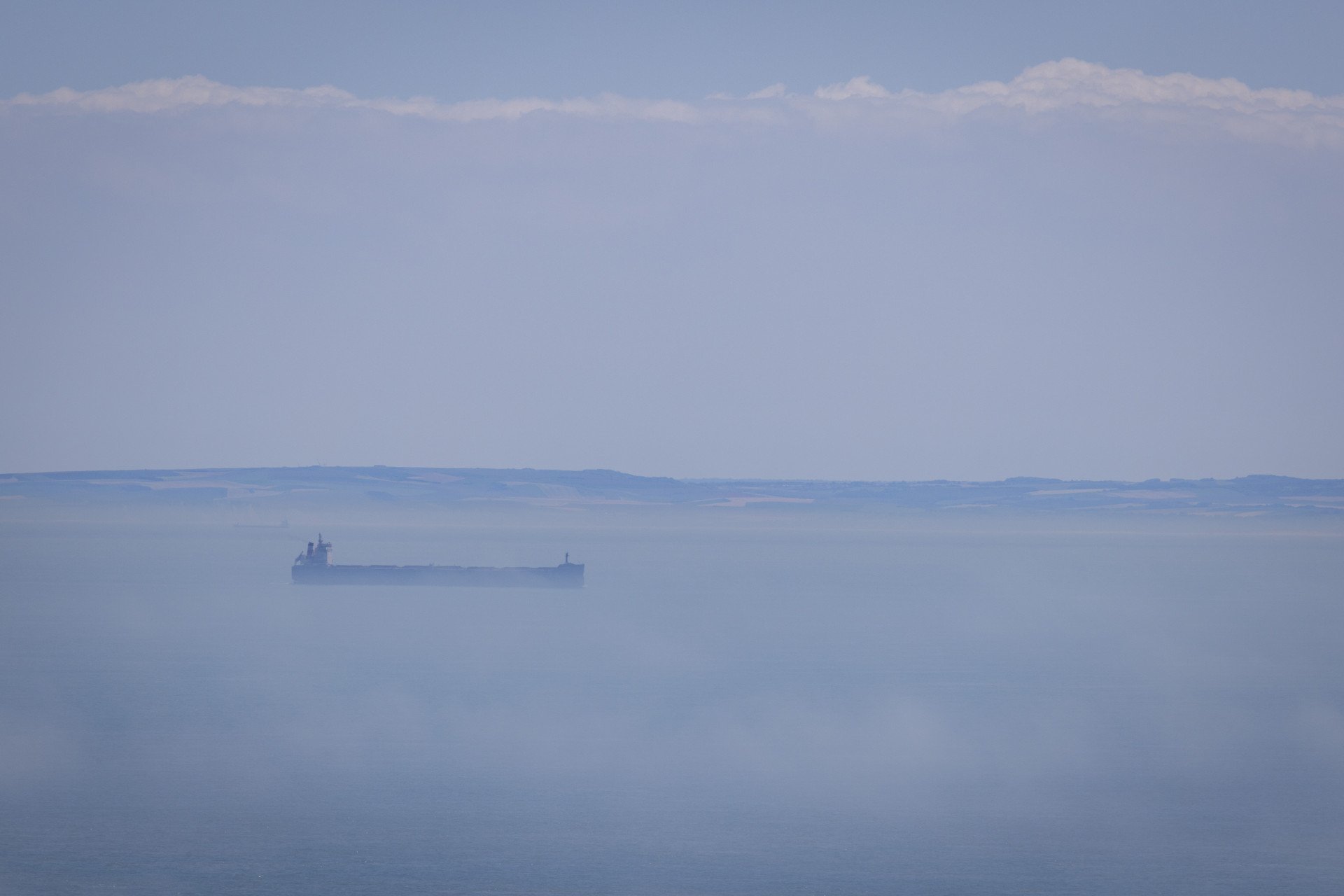
Despite public pledges to take tougher action against Russia’s covert oil shipping network, dozens of tankers sanctioned by the UK have transited the English Channel in recent weeks, raising questions about enforcement and political will.
 Prefer U24 Media on Google
- Authors


At least 42 oil tankers sanctioned by the UK passed through the English Channel this month, even after British officials received legal advice confirming the vessels could be detained, according to an investigation by BBC Verify published on January 23.
We bring you stories from the ground. Your support keeps our team in the field.
Since the start of Russia’s full-scale war against Ukraine, Moscow has relied on a so-called shadow fleet—hundreds of aging oil tankers with opaque ownership structures—to bypass Western sanctions on its energy exports.
The BBC reported that the UK government received legal assurances earlier this month confirming that sanctioned vessels could be stopped under domestic law. Nevertheless, all 42 tankers identified by BBC Verify made their passage through the Channel after that guidance was issued.
Dozens of shadow fleet tankers have traversed the English Channel since promises of tougher stance
— auonsson (@auonsson) January 23, 2026
Danish Straits see about the same numbers
BBC is not clear on if they mean flagless or flagged tankers, but either way there are lots
Pic related, sanctioned tankers this minute pic.twitter.com/KrLtYDxxNr
The case of the Sofos and Nasledie
Among the ships was the Sofos, an oil tanker sanctioned by the UK Foreign Office in May 2025. The vessel transited the Channel after arriving from Venezuela and was later tracked near Saint Petersburg.
Ship-tracking data shows the Sofos loaded oil in Russia in mid-November, then sailed to Turkey before continuing to Venezuela, where it switched off its tracking signal.
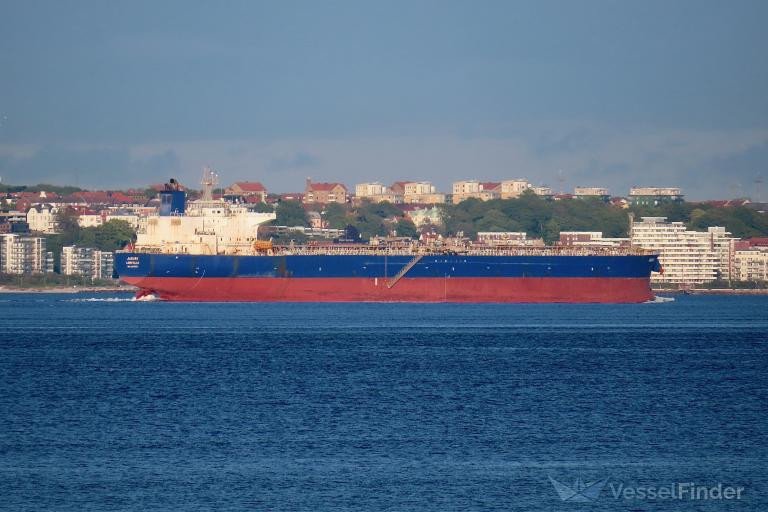
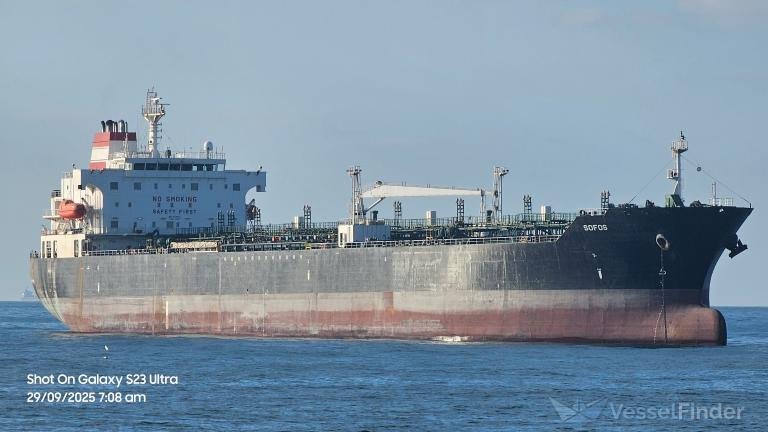
Satellite imagery later placed the vessel at Venezuela’s José oil terminal on December 22 and 23, before its signal reappeared outside Venezuelan waters on December 26.
Another tanker, the Nasledie, also passed through the Channel in January. More than 20 years old, the ship was sanctioned by the UK in May 2025 and has operated as part of the shadow fleet since 2023, according to Vortexa analyst Anna Zhminko.
BREAK: A Russian shadow fleet tanker, sanctioned by the US, is currently sailing through the English Channel under a false name.
— Richard Holmes 🕵🏻♂️ (@Richard_AHolmes) January 8, 2026
The vessel was sanctioned by the US while carrying the name Tia (IMO: 9147447) in 2024. It now uses a fake name Tavian to carry out its suspected… pic.twitter.com/FkvQdrg7dn
Formerly known as Blint, the vessel changed its name and registry in November, switching to Russian registration after falsely operating under the Comoros flag.
It departed Russia in late December and entered the Channel carrying roughly 100,000 tonnes of Urals crude oil just days after the BBC reported on the UK’s legal position.
🇺🇸 The Americans have seized another tanker from the ruSSian shadow fleet. pic.twitter.com/BpseyGYxF1
— 𝔗𝔥𝔢 𝕯𝔢𝔞𝔡 𝕯𝔦𝔰𝔱𝔯𝔦𝔠𝔱△ 🇬🇪🇺🇦🇺🇲🇬🇷 (@TheDeadDistrict) January 21, 2026
Political promises, limited action
The shadow fleet has played a central role in helping Russia cushion the impact of the oil embargo imposed in 2022, providing a critical revenue stream for an economy under heavy sanctions pressure.
In January, UK Foreign Secretary Yvette Cooper said Britain was ready to “tighten the chokehold” on Russia and take “assertive actions” against shadow fleet vessels. Her remarks followed confirmation that British forces could board and seize ships under the Sanctions and Anti-Money Laundering Act 2018.
While the UK has assisted United States forces in seizing a tanker near Iceland earlier this month, and France has detained a vessel in the Mediterranean, British forces have yet to independently seize any sanctioned tankers.
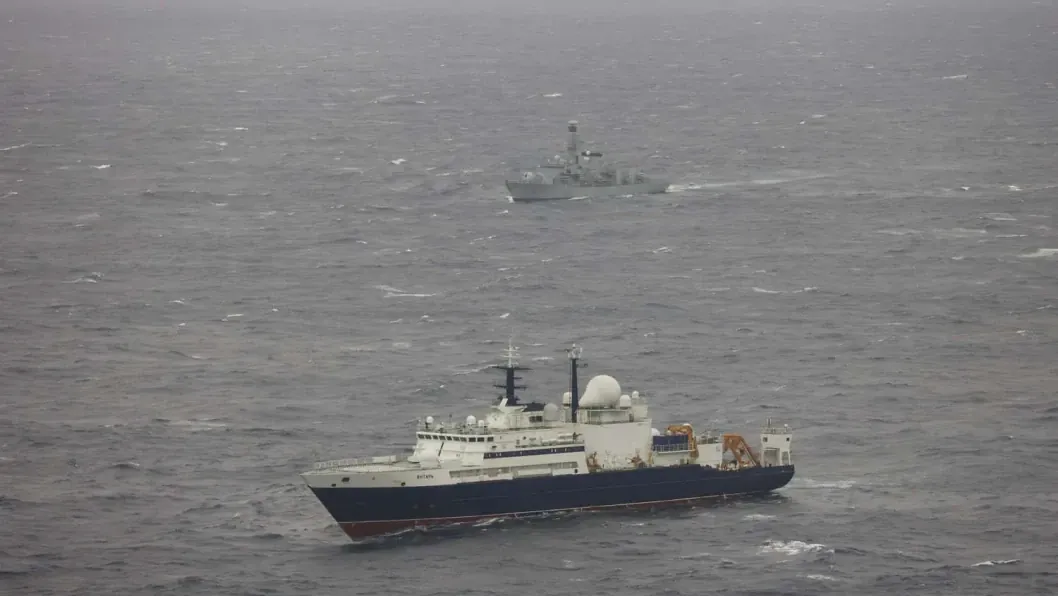
This is despite BBC Verify identifying six vessels operating in the Channel under false flags since the start of January. Under international maritime law, ships without legitimate registration can be treated as stateless and seized.
Lawmakers voice frustration
Emily Thornberry, chair of Parliament’s Foreign Affairs Select Committee, said she was “very disappointed” that the tankers had not been intercepted, according to the BBC.
“I think in order to give Ukraine proper support, we have to have not only sanctions that look on paper, but we have to make sure we mean it and that we implement those sanctions,” she said.
Mike Martin, a Liberal Democrat lawmaker and former British Army officer, questioned why the UK has been reluctant to act independently.
“It’s not that hard to project force 12 miles off the Straits of Dover,” he said. “It’s not that difficult to board a tanker.”
Russia pushes back
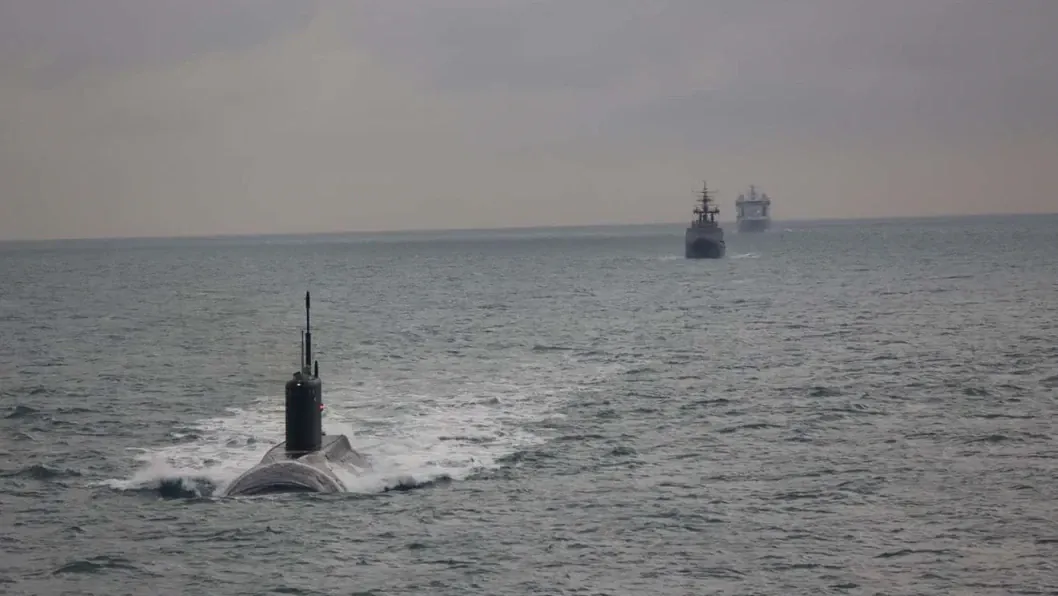
Russia appears to have adjusted its tactics in response to Britain’s warnings. On January 20, The Times reported that a Russian warship escorted the sanctioned tanker General Skobelev through the Channel.
Days earlier, Russian Foreign Ministry spokeswoman Maria Zakharova warned that any detention of tankers would be viewed as a violation of international law and as “harming Russian interests.”
In a statement to BBC Verify, a UK Ministry of Defence spokesperson said:
“Deterring, disrupting and degrading the Russian shadow fleet is a priority for this government. Alongside our allies, we are stepping up our response to shadow vessels—and we will continue to do so.”
-72e32e2e8a42f8347acfef3f0316f46d.jpg)
Why the Shadow Fleet still matters
Other tankers sanctioned by the US and European Union, but not by the UK, have also passed through the Channel this month.
One vessel identified by BBC Verify employed extreme measures to evade detection and has been described by maritime experts as “the darkest of the dark fleet.”
According to the Center for Strategic and International Studies, shadow fleet tankers transport between $87 billion and $100 billion worth of oil annually.
A sanctioned Russian ‘Shadow Fleet’ tanker, on the run from Venezuela looks like it could be headed through the English Channel.
— Richard Holmes 🕵🏻♂️ (@Richard_AHolmes) January 19, 2026
Hyperion seems to have diverted from passing through the Strait of Gibraltar and is now heading north towards the UK.
The ship slipped from Trump’s… pic.twitter.com/iwEw3sWOPF
Analyst Vaibhav Raghunandan of the Centre for Research on Energy and Clean Air estimates that 68% of Russian crude exports in December 2025 were carried by sanctioned vessels, BBC reports.
Martin argued that this revenue continues to finance Russia’s war effort.
“A key lever we have to pull is knock out oil sales through the shadow fleet,” he said. “So I think it’s massively important. It’s irritating we didn’t get on it much earlier.”
Earlier, the UK was weighing proposals that would allow oil seized from Russia’s shadow fleet to be redirected toward supporting Ukraine’s war effort.
Discuss this article:



-c439b7bd9030ecf9d5a4287dc361ba31.jpg "Photo of Katherina Popilnichenko")