- Category
- Latest news
Russia’s Submarine Surfaced in the Channel—But the UK Was Ready
 Prefer U24 Media on Google
- Authors


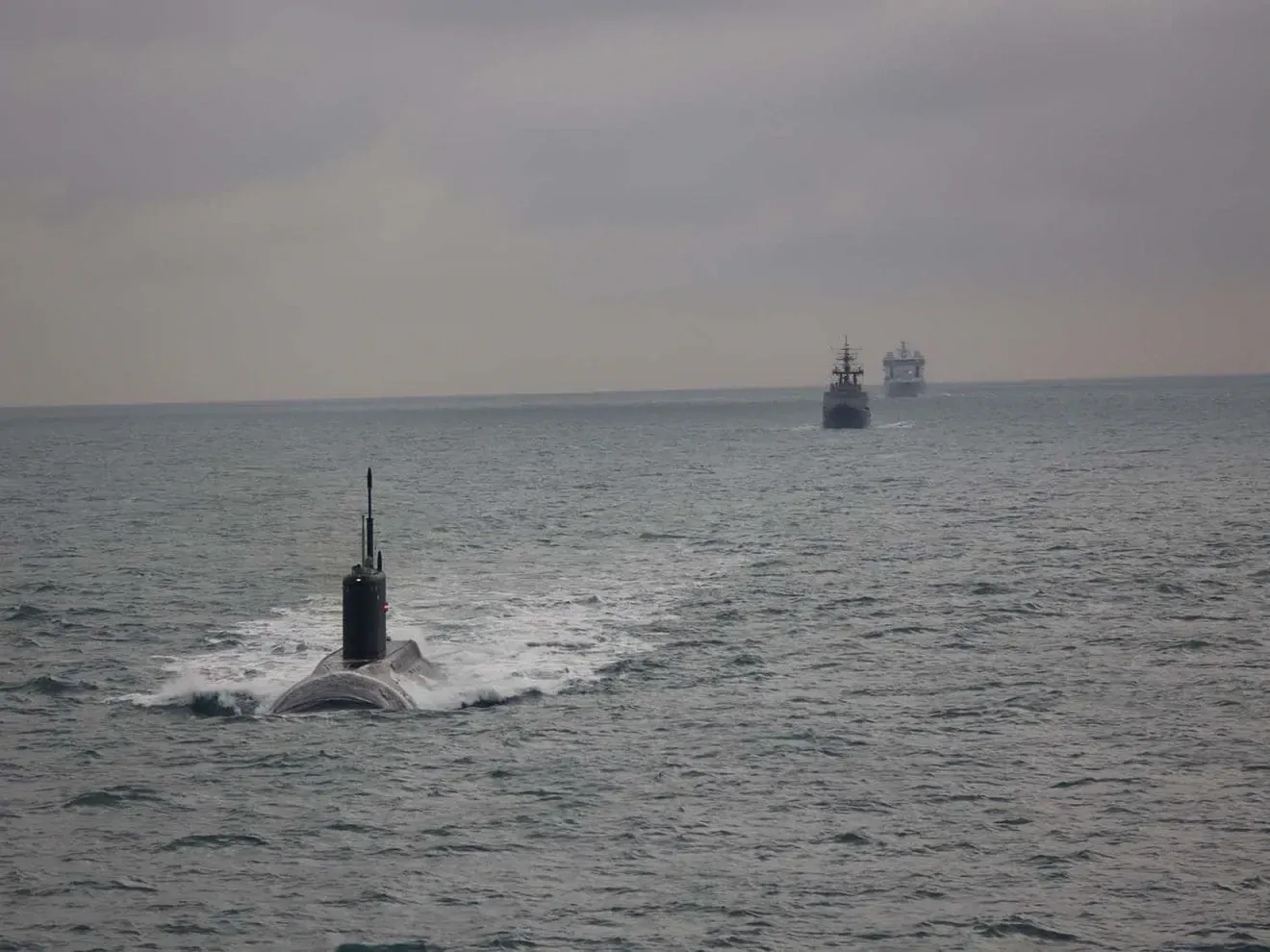
British forces conducted a three-day operation to track a Russian Kilo-class submarine as it transited some of Europe’s most sensitive waters, underscoring what London describes as a sharp rise in Russian naval activity near the UK, according to information released by the Royal Navy on December 11.
We bring you stories from the ground. Your support keeps our team in the field.
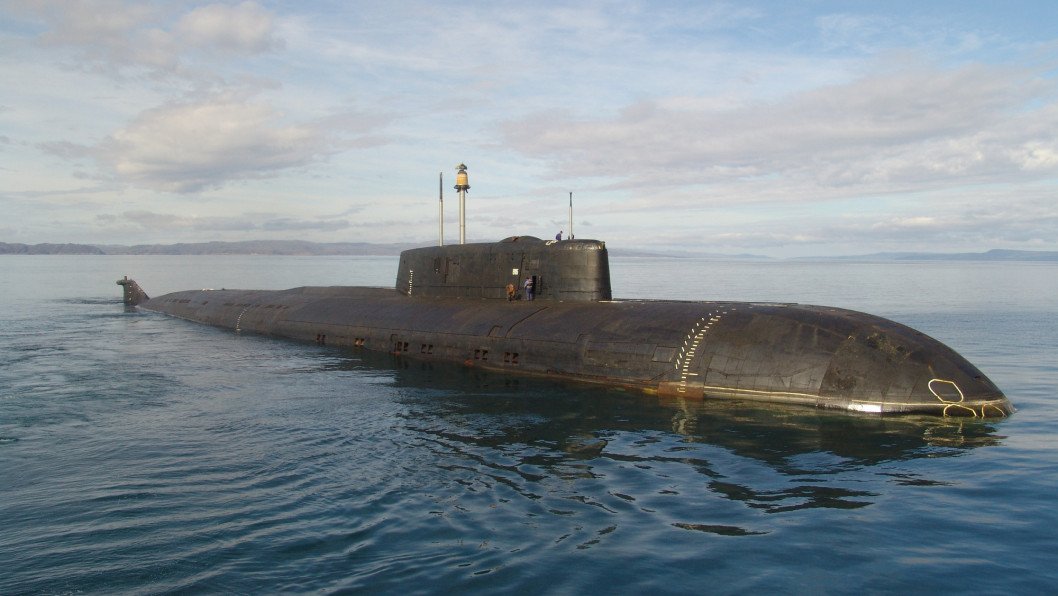
The operation began on December 11, 2025, as the Russian submarine Krasnodar—accompanied by the tug Altay—moved west from the North Sea, passed through the Strait of Dover, and entered the English Channel. UK forces maintained continuous shadowing until responsibility was handed over to a NATO ally near Ushant, off the northwest coast of France, Army Recognition reported.
Despite rough seas, Krasnodar remained on the surface throughout the transit. British aircrews were prepared to immediately shift into full anti-submarine warfare mode if the submarine submerged, the Navy said.
RFA Tidesurge escorted Russian submarine RFA Krasnodar and tugboat Altay through the English Channel.
— UK Forces Tracker (@UKForcesTracker) December 11, 2025
(Src: https://t.co/TlPoiVf572) pic.twitter.com/CVqNHqEVGY
At the tactical level, the mission featured a deliberately visible, layered deterrence posture. A Merlin Mk2 helicopter from 814 Naval Air Squadron operated from the Royal Fleet Auxiliary tanker RFA Tidesurge, which served as a mobile aviation platform for the duration of the operation.
The Merlin Mk2 is equipped for submarine hunting, using dipping sonar, sonobuoys, and onboard processing systems that allow crews to rapidly classify contacts and cue additional forces. If escalation were required, the helicopter’s primary underwater weapon is the Sting Ray lightweight torpedo, giving it the ability not only to track but also to engage hostile submarines if necessary, Army Recognition noted.
Tidesurge’s embarked 814NAS Merlin Mk2 Atlantic Flight honing their ASW skills. Use of the Training variant Torpedo (TvT) provides the Air Engineering Team chance to conduct weapon loading drills. #814NAS #SurgeCapacity #TorpedoDrills @RFAHeadquarters @RoyalNavy @RNASCuldrose pic.twitter.com/pdyTZalTWe
— RFA Tidesurge (@RFATidesurge) December 4, 2025
The Royal Navy emphasized that the mission was intended to send a clear deterrent signal. Lieutenant Commander David Emery said that maintaining an overt presence and continuous monitoring of Russian vessels near UK waters is essential for national security.
While RFA Tidesurge is not a frontline combat ship, its role proved critical. The 39,000-ton Tide-class tanker is designed to support Britain’s Queen Elizabeth–class aircraft carriers and supply fuel and water to Royal Navy, NATO, and allied vessels worldwide. Crucially for operations like this one, the ship can operate Merlin, Wildcat, and Chinook helicopters, effectively turning a logistics vessel into a temporary aviation base when operational tempo demands it.
Merlin HM2 helicopter from 814 Naval Air Squadron embarked aboard RFA Tidesurge to join operations in the North Atlantic supporting HMS Somerset and allied warships.
— UK Forces Tracker (@UKForcesTracker) November 29, 2025
(Src: @RFATidesurge) pic.twitter.com/2t87KWl6Rr
Krasnodar is a Project 636.3 Improved Kilo-class diesel-electric submarine—a type widely regarded as a challenging threat for NATO navies. Open-source data indicates the class has a submerged displacement of roughly 3,100 tons, an operational depth of about 240 meters, and patrol endurance measured in weeks.
Its armament includes six 533-mm torpedo tubes capable of firing heavyweight torpedoes, laying mines, and launching Kalibr cruise missiles, giving the submarine the ability to strike both maritime and land targets depending on mission configuration.
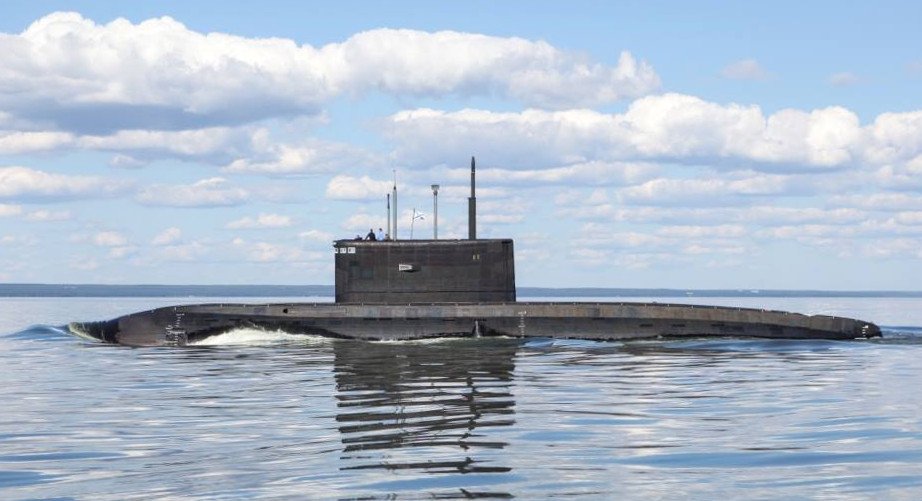
In this instance, no underwater pursuit unfolded because the submarine remained surfaced. However, British officials made clear that future transits may not be so predictable.
The broader strategic context is driving UK concern. The Royal Navy says it has observed a 30% increase in Russian vessels operating near UK waters over the past two years. Officials have increasingly linked this activity to intelligence collection and seabed reconnaissance.
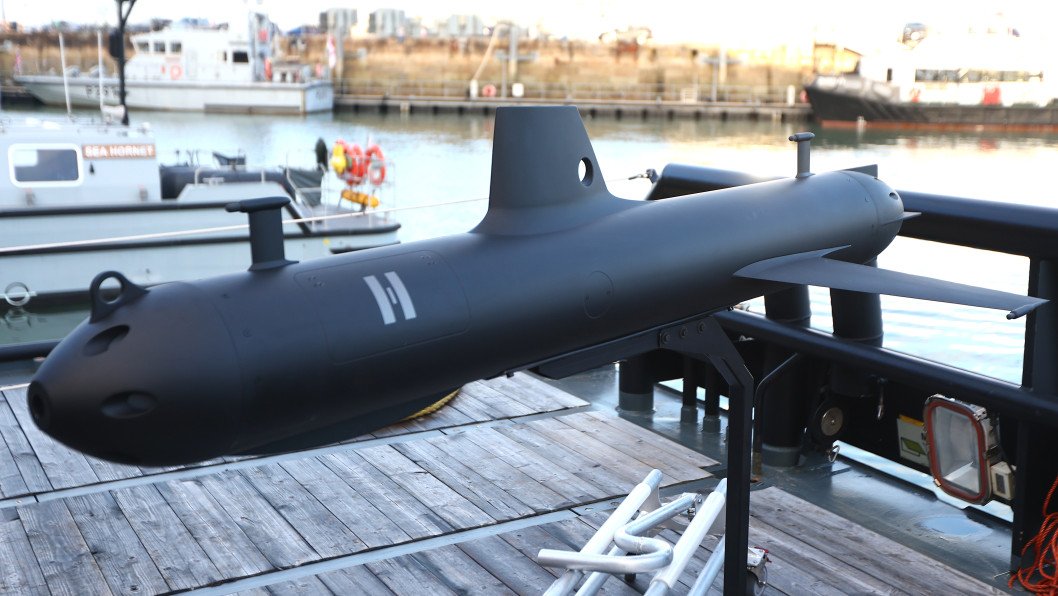
In late November, the UK defense secretary publicly accused the Russian intelligence ship Yantar of operating near British waters to map undersea cables, declaring: “We see you. We know what you are doing. And we are ready.”
Those warnings reflect genuine infrastructure concerns. A UK parliamentary inquiry has noted that roughly 60 undersea cables connect Britain to the outside world, carrying approximately 99% of its international data traffic. Protecting that network has become a core national security issue.
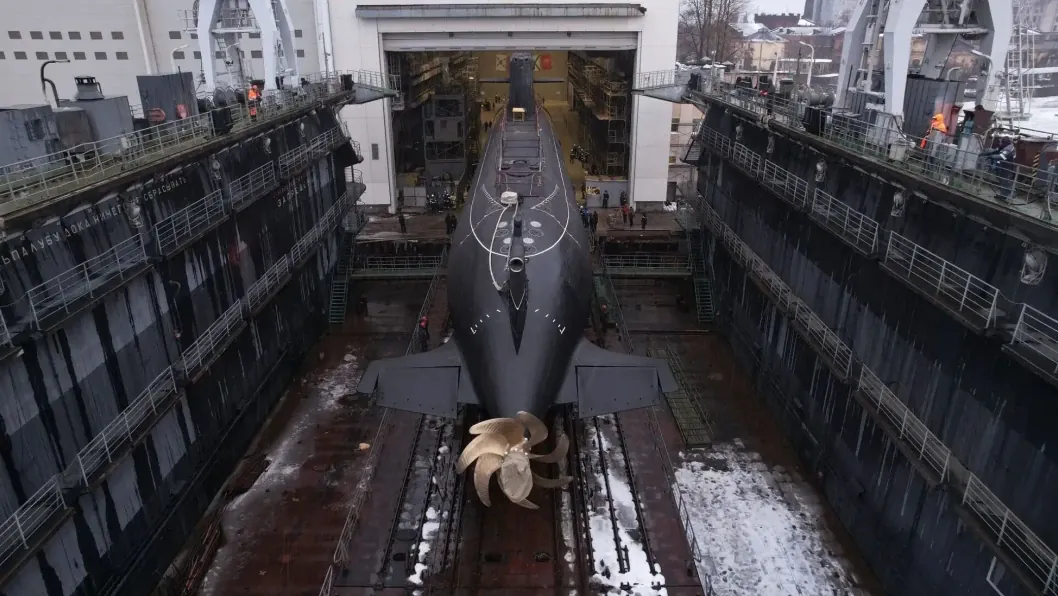
To address the threat, the UK has launched the Atlantic Bastion initiative, combining autonomous systems, artificial intelligence, surface ships, and aircraft to defend undersea cables and pipelines. The protected infrastructure also includes the UK’s continuous at-sea nuclear deterrent, centered on HMNB Clyde and RNAD Coulport—facilities the Royal Navy describes as central to the nation’s Trident nuclear force.
Under international law, Russian vessels are permitted to transit these waters. The UN Convention on the Law of the Sea requires submarines conducting innocent passage in territorial seas to remain on the surface and show their flag, though rules differ in international straits. In practice, NATO navies must constantly balance legal obligations with operational risk.
For the UK, the three-day shadowing mission was not an isolated intercept but a snapshot of what British officials increasingly describe as the new normal in the Channel and the North Atlantic approaches.
Earlier, a group of volunteer scuba divers off the coast of Wales unexpectedly recovered what defense analysts believe is a Russian sonar buoy designed to track submarines.
Discuss this article:



-c439b7bd9030ecf9d5a4287dc361ba31.jpg "Photo of Katherina Popilnichenko")