- Category
- Latest news
Russia’s Kalibr-Armed Sub Breaks Down, Exposing Cracks in Putin’s Naval Power
 Prefer U24 Media on Google
- Authors


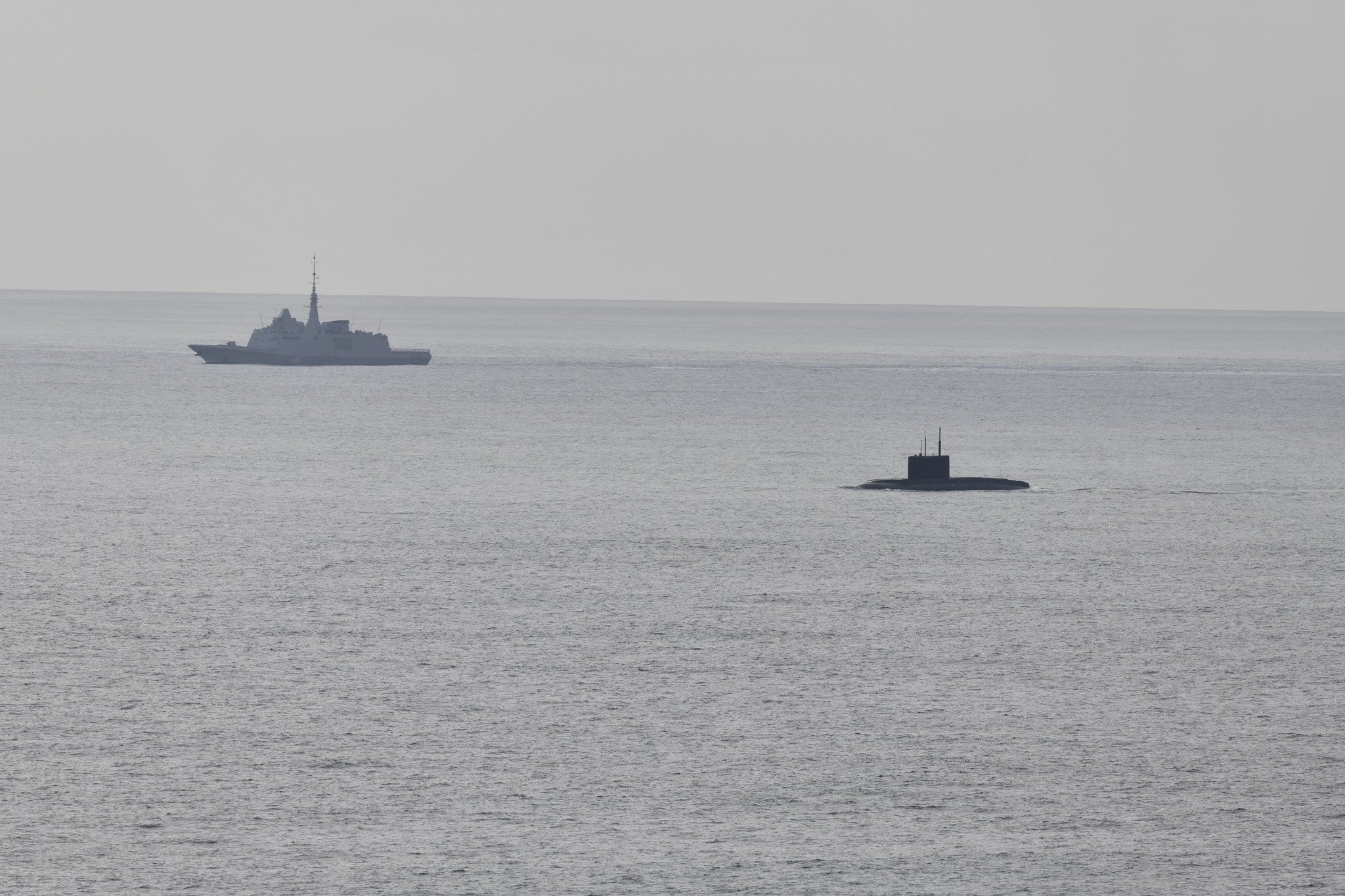
A Russian submarine armed with Kalibr cruise missiles was forced to return from a Mediterranean deployment in surface mode due to mechanical failure—an incident that underscores broader challenges facing Russia’s naval operations beyond its borders.
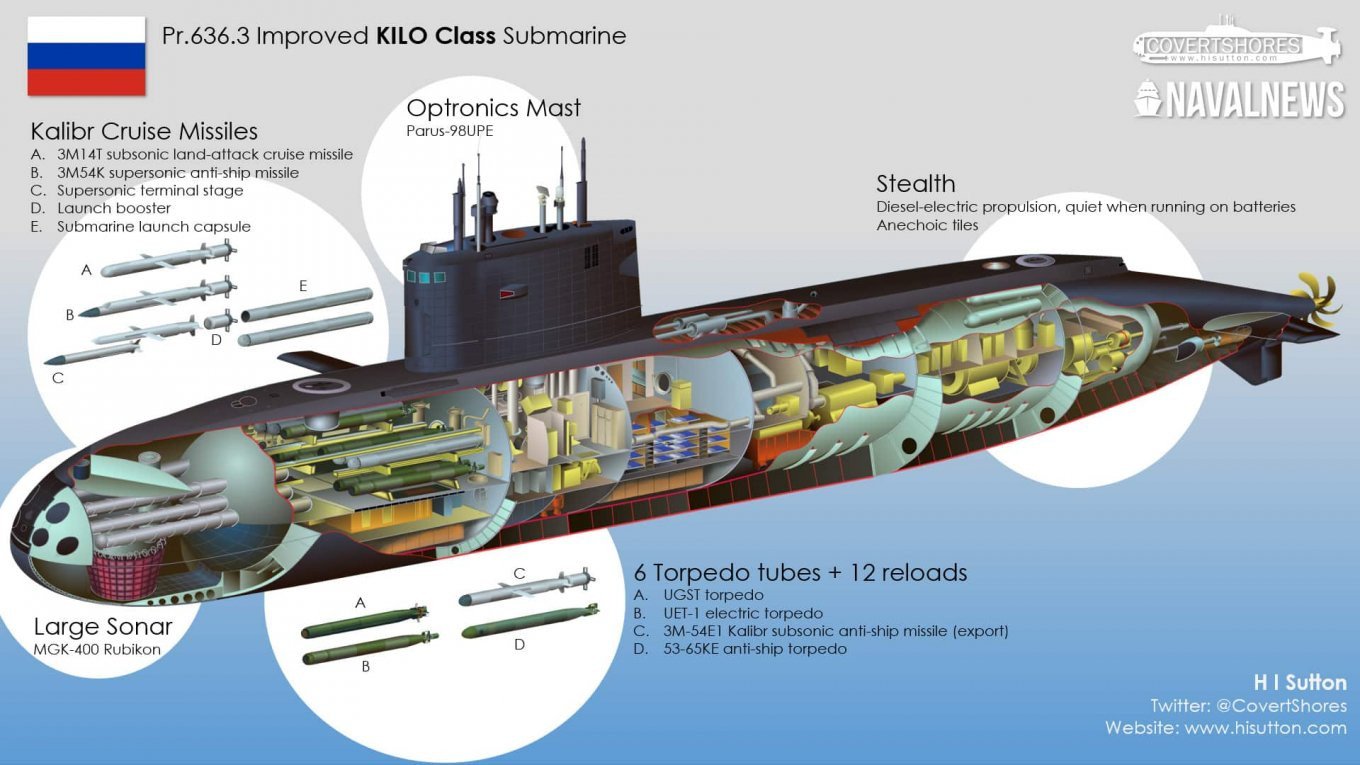
According to Defense Express on October 18, the diesel-electric submarine Novorossiysk—a Project 636.3 “Improved Kilo”-class vessel—suffered a fuel system leak during a prolonged mission.
Diesel fuel reportedly flooded part of the hull, prompting a premature withdrawal to its home base in Saint Petersburg for repairs.
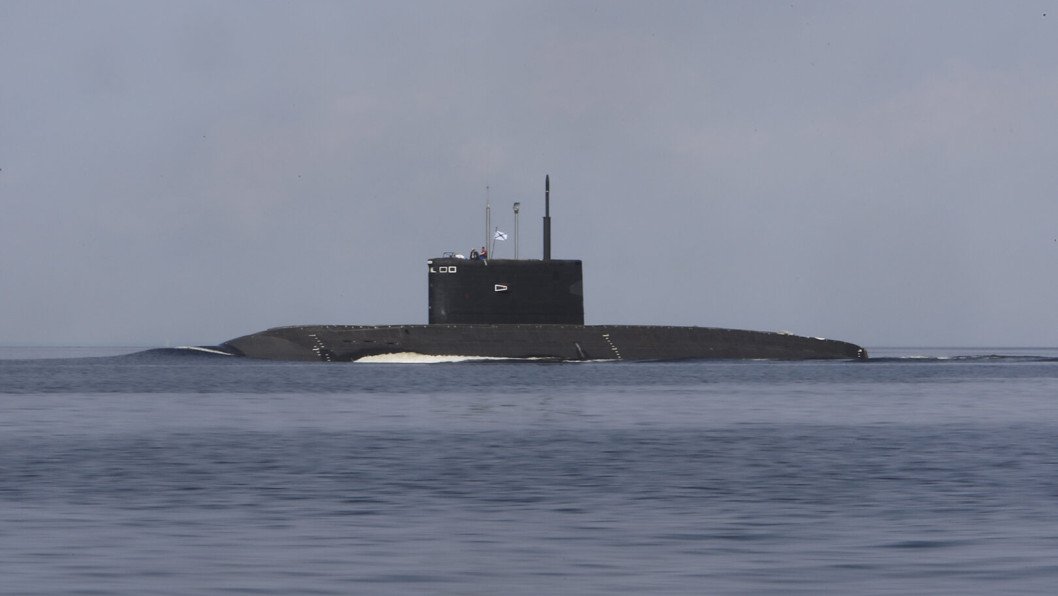
The Novorossiysk, officially assigned to Russia’s Black Sea Fleet, had been operating in the Mediterranean since June 2025.
Due to Turkey’s closure of the Bosphorus Strait to warships—under the Montreux Convention invoked following Russia’s full-scale invasion of Ukraine—the submarine had to take a longer 8,500-kilometer route from the Baltic Sea instead of a 2,000-kilometer journey from the Black Sea.
The submarine’s return voyage occurred in surface mode, a significant vulnerability. As Defense Express noted, the Novorossiysk was visually tracked while passing NATO waters, including escort by French and Swedish naval and air forces.
While the immediate cause of the return was mechanical, the article emphasizes that the failure is symptomatic of broader strategic problems. The root issue lies in Russia’s diminished ability to sustain naval missions in the Mediterranean due to logistical constraints and geopolitical isolation.
Russia previously relied on its naval logistics hub at Tartus, Syria, for maintenance and resupply. However, it reportedly lost access to the facility in early 2025, leaving Russian warships without nearby repair infrastructure. Attempts to refuel or receive support from Cyprus were also reportedly denied.
The loss of Tartus and Turkey’s restrictions have had a compounding effect on Russia’s ability to project maritime power in the Mediterranean. As Defense Express explains, Moscow has increasingly relied on Baltic Fleet units for deployments, straining vessel endurance and support chains.

The Novorossiysk incident demonstrates the consequences of this shift: long-distance missions with no maintenance support en route, limited fuel autonomy, and absence of qualified repair personnel in theater.
Submarines of the Project 636.3 class, like Novorossiysk, are among the few Russian platforms capable of launching Kalibr land-attack cruise missiles, which have been used extensively during the war in Ukraine.
Their stealth and long-range strike capabilities once played a role in signaling strategic reach, particularly during Russian operations in Syria.
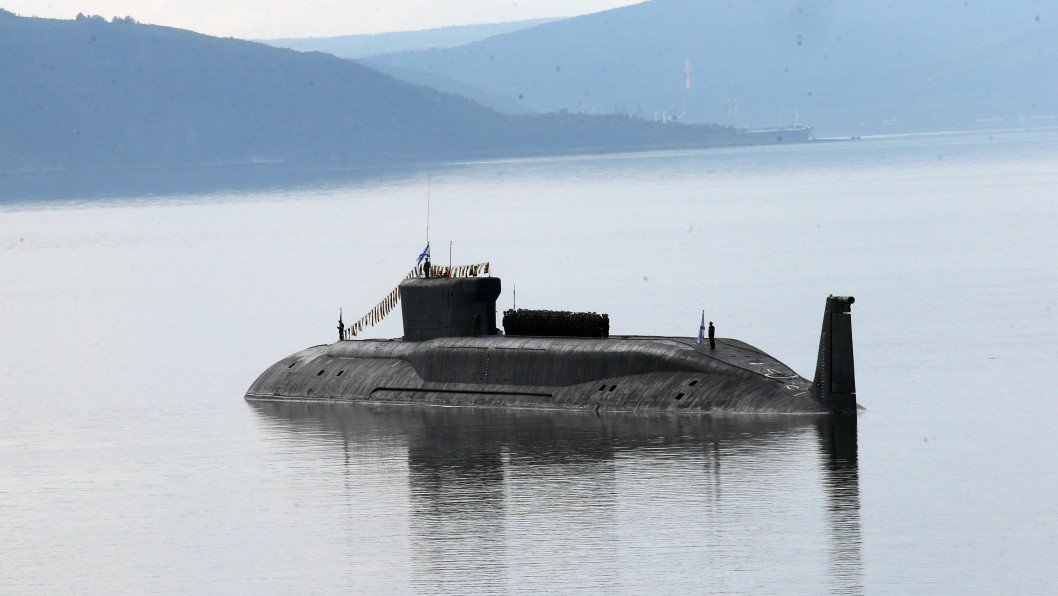
However, the inability to sustain these assets abroad now limits their operational relevance. The mechanical failure of a single submarine—normally a routine issue—thus takes on disproportionate significance given the degraded support structure.
Earlier on August 9, a newly built Russian Navy tugboat, Kapitan Ushakov, sank at the Baltic Shipyard in St. Petersburg during final outfitting works, according to Fontanka. The Project 23470 vessel capsized overnight after flooding began in the auxiliary machinery compartment, highlighting ongoing safety and quality issues within Russia’s naval shipbuilding industry.
Discuss this article:






-111f0e5095e02c02446ffed57bfb0ab1.jpeg "Photo of Roman Kohanets")