- Category
- Latest news
Russia Retreats From Mediterranean, Refocuses Naval Power on NATO’s Northern Flank
 Prefer U24 Media on Google
- Authors


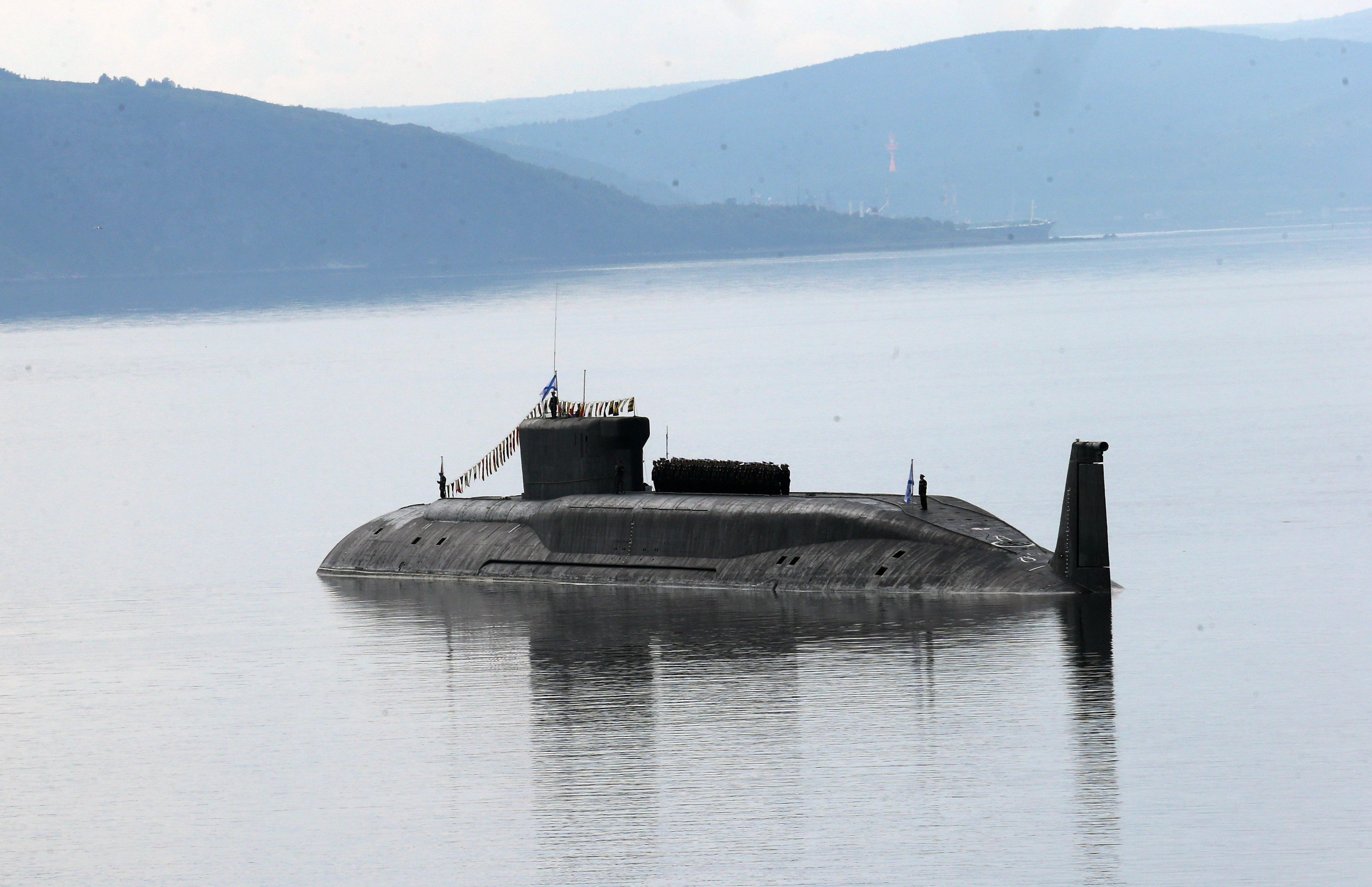
Russia’s naval activity in the Mediterranean has significantly declined in recent months, according to Defense News. NATO officials attribute the drop to operational readiness issues and Moscow’s growing focus on the Baltic Sea and Arctic regions.
A NATO representative told Defense News that Russia now maintains “only a few maritime assets” in the Mediterranean, a stark contrast to 2018 when Moscow deployed one of its largest task forces there, including two submarines and ten surface ships.
“It is our assessment that the Russian Navy, which is already resource-constrained regarding where to place its assets, is experiencing force-generation challenges and dilemmas currently affecting their posture in the Mediterranean Sea,” the official said.
According to Defense News, one of the key setbacks has been the loss of Russia’s long-standing naval foothold in Tartus, Syria.
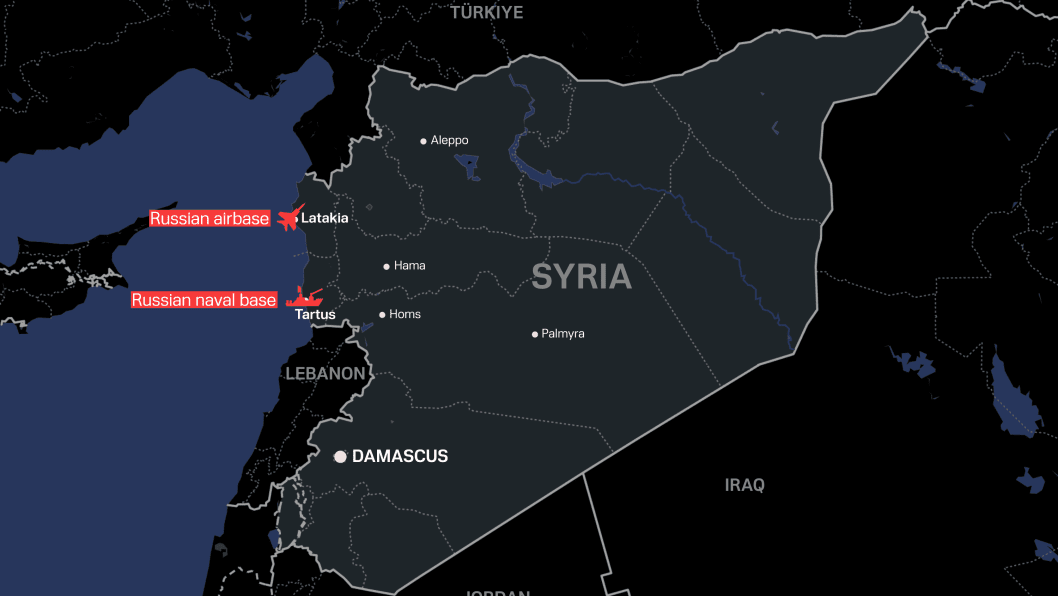
The port had served since 1971 as the country’s primary refueling and maintenance hub in the Mediterranean. Earlier this year, Syria’s new government terminated the agreement that allowed Moscow’s naval presence there.
Without access to Tartus, Russian vessels and submarines must now rely on distant ports in the Baltic or the Arctic for maintenance and supplies.
The NATO official noted that “being able to sustain operations is definitely more challenging,” citing the case of a Kilo-class submarine that was forced to surface near the Strait of Gibraltar in September due to technical issues before returning to the Baltic Sea for repairs.
NATO analysts say Moscow’s reduced Mediterranean activity coincides with its increased attention to the Baltic and High North regions.
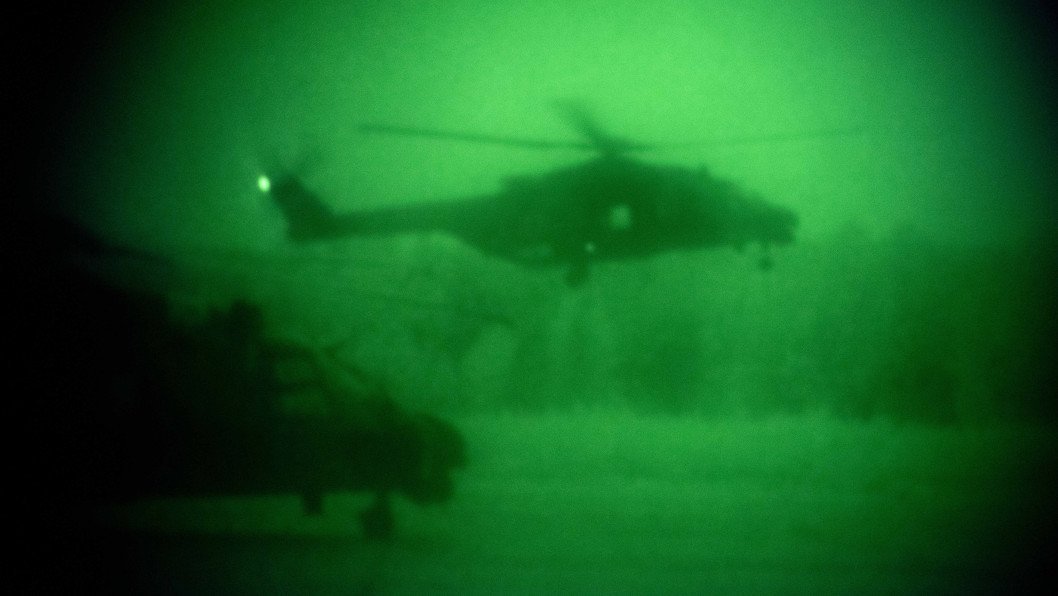
In January, the Alliance launched the Baltic Sentry mission to enhance the protection of critical underwater infrastructure and maritime surveillance, deploying frigates, patrol aircraft, drones, and national monitoring assets.
According to the same Defense News report, Russia has redirected more naval resources to counter NATO’s growing presence in these northern waters.
However, open-source assessments suggest that the Russian Baltic Fleet—comprising around 69 vessels, many of them smaller and older—is heavily outnumbered by NATO naval forces in the region.
Frederik Van Lokeren, a former Belgian Navy officer cited by Defense News, observed that Russia may seek to integrate unmanned surface vessels to strengthen its fleet, though NATO currently maintains a “technological advantage” in naval drone systems.
Earlier, Newsweek reported that the United States deployed P-8 Poseidon maritime patrol aircraft to Norway, conducting anti-submarine operations over the Baltic Sea near Russia’s Kaliningrad region. The move, confirmed by Norway’s armed forces, supports NATO’s Baltic Sentry mission aimed at enhancing surveillance and deterring hostile activity in Northern Europe.
Discuss this article:



-c439b7bd9030ecf9d5a4287dc361ba31.jpg "Photo of Katherina Popilnichenko")