- Category
- Latest news
Is Russia Ready for What Could Follow the First Shot in the Baltics? Defense Expert Warns
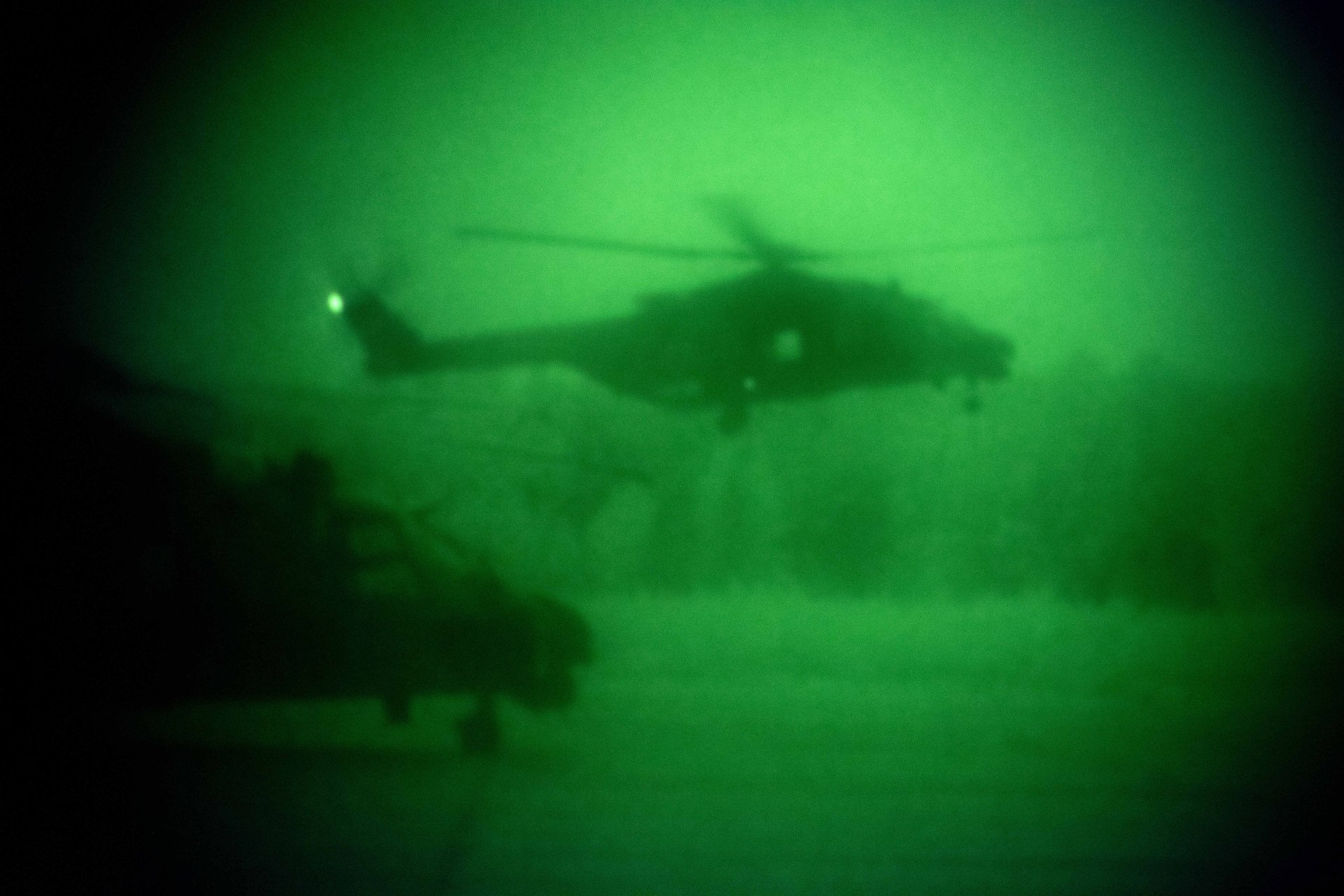
While NATO fortifies its eastern borders, signs suggest Russia may be planning something bigger—just not yet. Could a single move in the Baltics set off a chain reaction across the alliance? One expert thinks the clock is already ticking.
 Prefer U24 Media on Google
- Authors


Fears of a potential Russian offensive against NATO’s eastern flank have resurfaced across Europe.
According to Defense Blog on July 30, Lithuanian defense expert Darius Antanaitis believes such a scenario is more likely to occur around 2030, not 2027 as previously suggested — and only under specific geopolitical conditions.
Antanaitis, a prominent commentator on regional security issues, referred to recent NATO intelligence, Lithuania’s Assessment of Threats to National Security, and broader defense data indicating that Russia would need significantly more time to restore its military capacity before attempting large-scale operations against NATO.
“If the war in Ukraine were to end in Russia’s favor and sanctions were lifted, Russia could begin military action against one or two NATO countries around the year 2030,” Antanaitis said. “This scenario is considered more likely than the previously predicted 2027 timeline.”
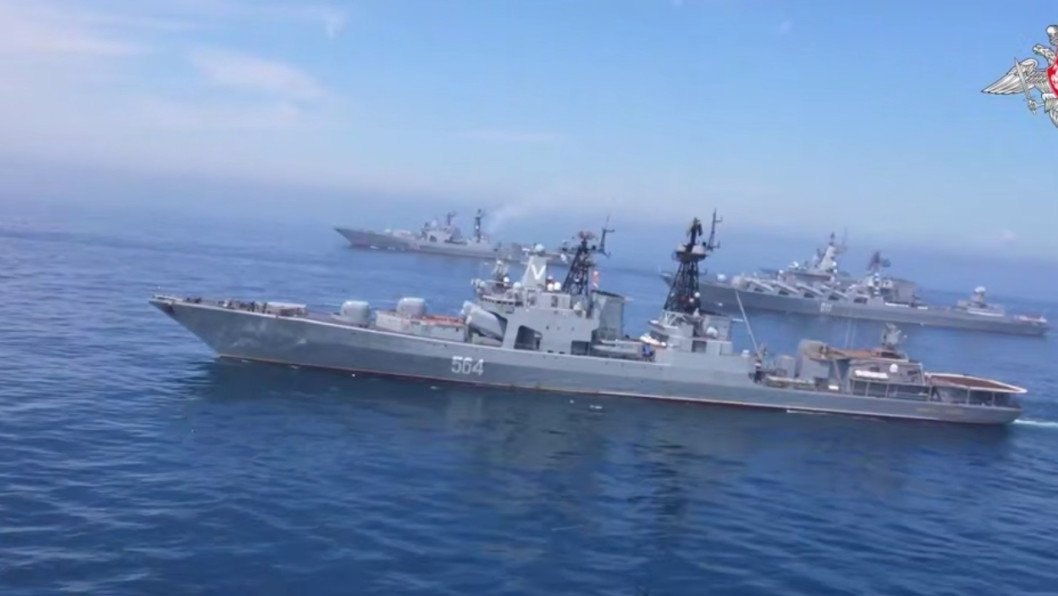
Discussion in recent months has largely focused on the potential seizure of the Suwałki Corridor — a narrow land route between Poland and Lithuania bordered by Kaliningrad and Belarus. However, Antanaitis argues that its strategic importance has diminished.
“With Finland and Sweden joining NATO, the strategic significance of the Suwałki Gap has decreased,” he explained. “NATO forces can now arrive via air over the Baltic Sea or by sea itself.”
He added that Russia’s efforts to militarize the Arctic — including increased investments in northern infrastructure — were among the key drivers behind Finland and Sweden’s decision to join NATO, alongside U.S. weapons prepositioning in Norway.
Looking at potential scenarios, Antanaitis suggested that any major Russian campaign in the region would likely involve more than isolated strikes.
“To gain access to the Atlantic from the Baltic Sea, Russia would likely need at least partial political or military control over Sweden — especially the island of Gotland,” he said.
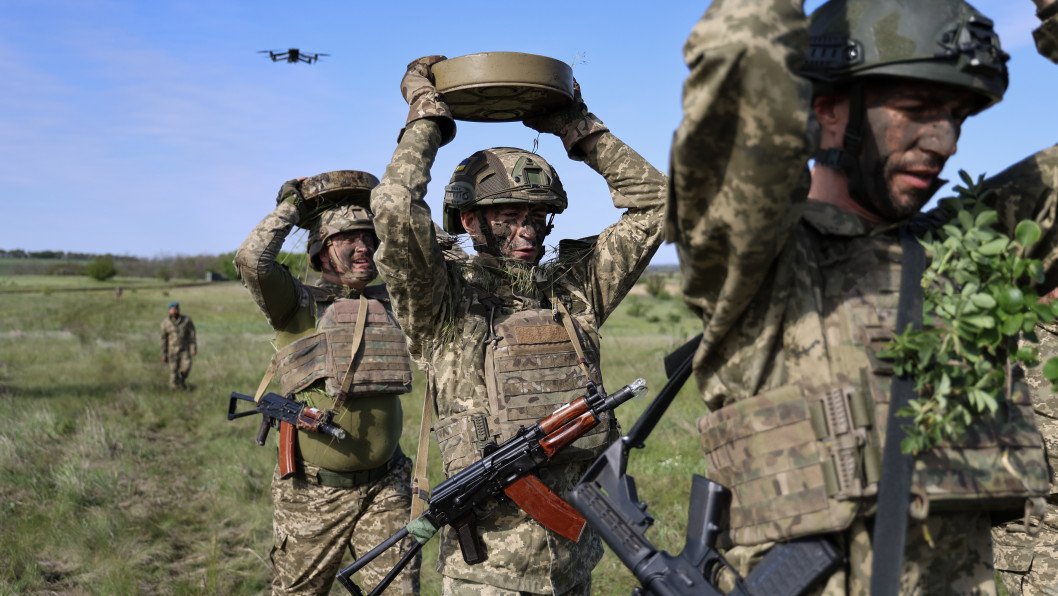
He described a wider offensive that would require linking Kaliningrad with mainland Russia via corridors through Lithuania and Latvia. Naval operations would also be necessary to cut off Lithuania from the sea and assert control over both shores of the Gulf of Finland — implying operations in Estonia and Finland.
“In other words, by launching a full-scale war against Lithuania, Russia would simultaneously engage in conflict with Finland, Estonia, Latvia, Lithuania, and Poland,” Antanaitis said.
He emphasized that Lithuania continues to take the threat seriously and is advancing both national and allied defense measures in response.
“For Lithuania specifically, the most important security factor is the forward deployment of the armed forces of Europe’s largest economic power — Germany,” he said. “The presence of U.S. troops is also crucial, as well as ongoing NATO and national intelligence efforts.”
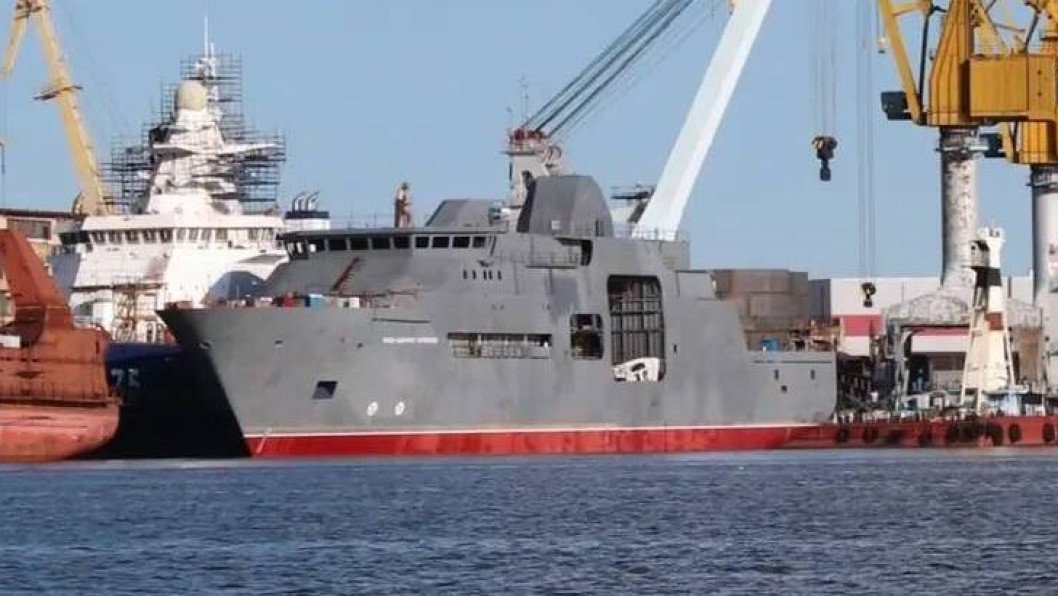
Antanaitis noted that any increased Russian troop movements near NATO’s eastern borders would be met with a proportional allied buildup. “As Russian forces increase near our borders, so does the presence of our allies.”
He concluded by underlining Lithuania’s long-term planning in coordination with NATO.
“We monitor Russia’s military recovery and strategic posture closely,” Antanaitis said. “Our force development, NATO deployments, procurement decisions, and training efforts are planned in line with this outlook — aiming for a high level of readiness by 2030.”
Earlier, German intelligence warned that Russia is preparing for a potential large-scale war with NATO by 2030. According to a joint report by the BND and the Bundeswehr, the Kremlin views its standoff with the West as a long-term conflict and is rebuilding its military capacity for possible operations near the Baltic region once the war in Ukraine ends.
Discuss this article:

-c439b7bd9030ecf9d5a4287dc361ba31.jpg "Photo of Katherina Popilnichenko")