- Category
- Latest news
Putin Sends His Navy in All Directions—Baltic, Arctic, Pacific—Just to See Who Flinches First
 Prefer U24 Media on Google
- Authors


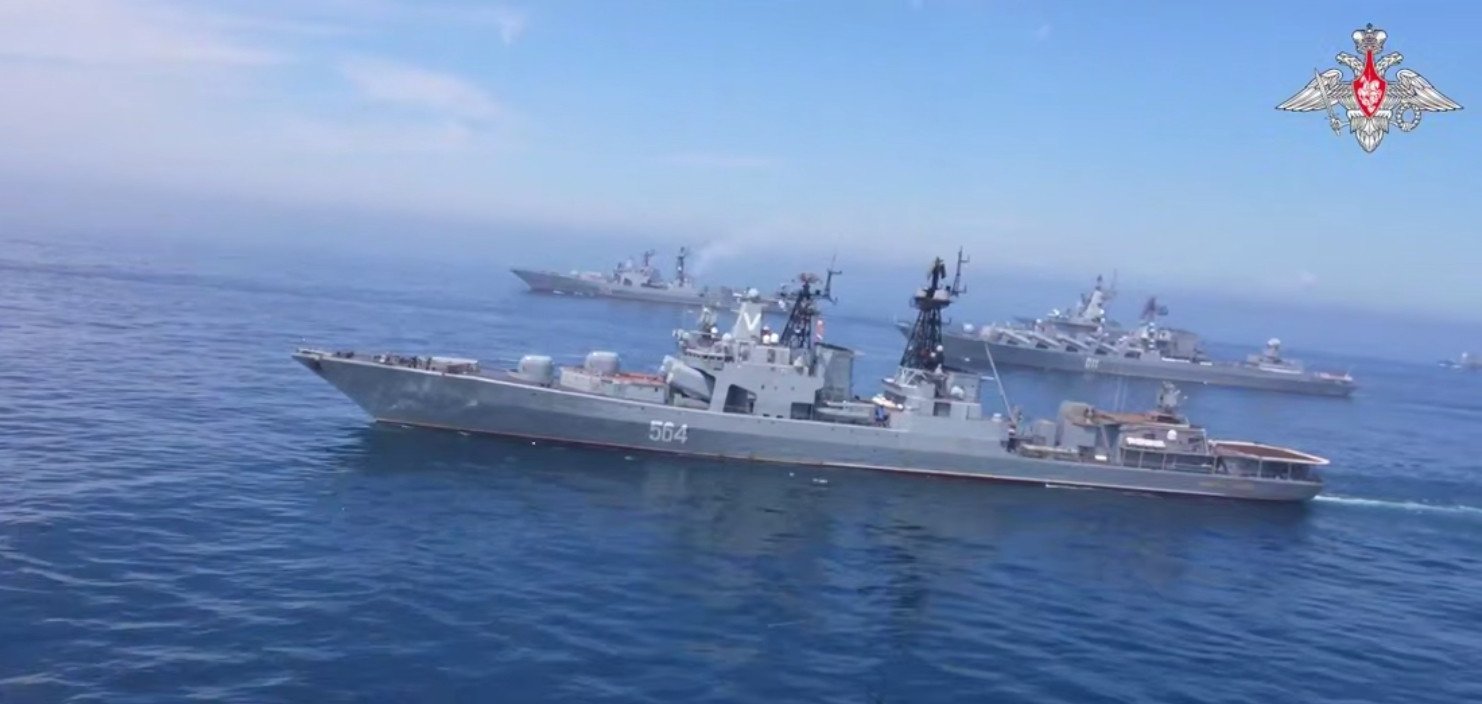
Russia has launched its largest naval drills in recent years, conducting simultaneous operations in the Arctic Ocean, the Pacific, and the Baltic Sea, with additional activity reported in the Caspian.
The exercises, titled “July Storm”, began on July 23 and are scheduled to continue until July 27, according to the Russian Ministry of Defense.
The drills involve more than 15,000 personnel, over 150 naval and auxiliary vessels, 120 aircraft, 10 coastal missile systems, and approximately 950 other military assets. Four of Russia’s fleets are participating in the operation: the Baltic, Northern, Pacific, and Caspian Fleets.
The exercises are being overseen by Admiral Aleksandr Moiseyev, the newly appointed Commander-in-Chief of the Russian Navy.
According to the Ministry of Defense, the goal is to assess the fleets’ readiness to conduct “non-standard operational tasks” and to deploy advanced systems, including long-range precision weapons and unmanned technologies.
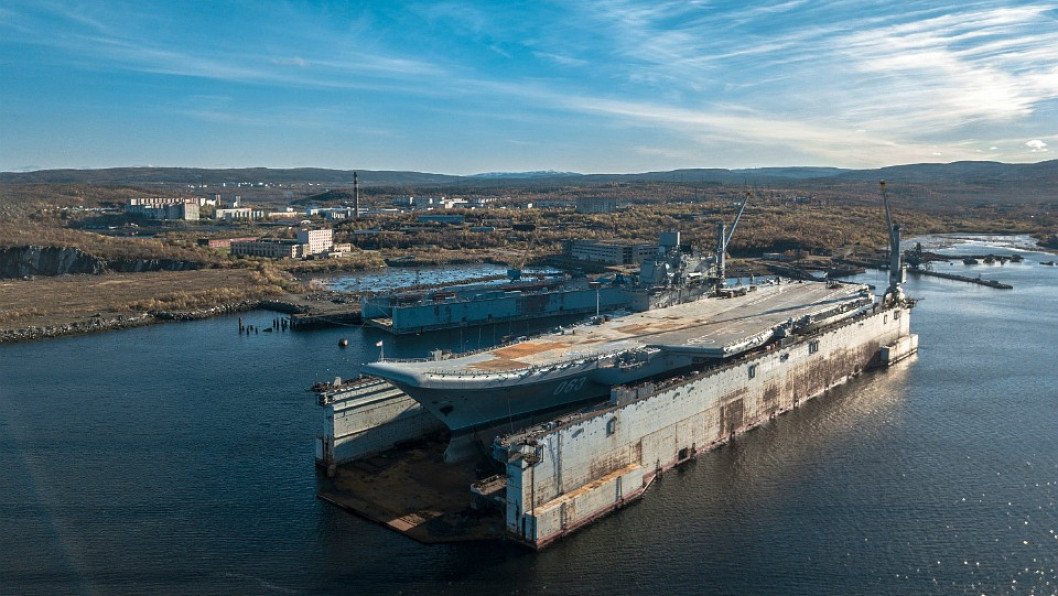
In open-sea scenarios, participating units are training for anti-submarine warfare, the defense of naval bases and economic zones, and the protection of shipping routes. The drills also include repelling simulated attacks by unmanned aerial vehicles, surface drones, and enemy aircraft, as well as executing strikes on maritime and land targets.
Russian naval forces are rehearsing deployments to combat zones, coordination among fleet groupings, and joint operations involving aviation and submarine elements. The inclusion of high-precision weapons and drone systems is intended to test their integration into broader naval tactics.
While Moscow describes the operation as routine, its geographic scale—spanning from NATO’s eastern flank near Poland to maritime routes in the Pacific—has drawn attention from military analysts and Western officials.
Russia maintains the world’s third-largest navy by size, following the United States and China, although it has incurred notable losses since the start of its full-scale invasion of Ukraine.
The “July Storm” drills underscore Russia’s continued efforts to project naval power across multiple theaters and maintain operational presence in strategically sensitive waters.
Earlier, on July 2, the Royal Navy tracked a surfaced Russian Kilo-class submarine, Novorossiysk, as it transited the North Sea and English Channel—an unusual maneuver seen as a show of force near NATO waters. The sub was accompanied by a support tug and monitored by HMS Mersey and UK helicopters, underscoring rising Russian naval activity around the UK.
Discuss this article:


-c439b7bd9030ecf9d5a4287dc361ba31.jpg "Photo of Katherina Popilnichenko")


