- Category
- Latest news
Russia Spent 26 Years Upgrading a Submarine—and Ended With Scrap Metal
 Prefer U24 Media on Google
- Authors


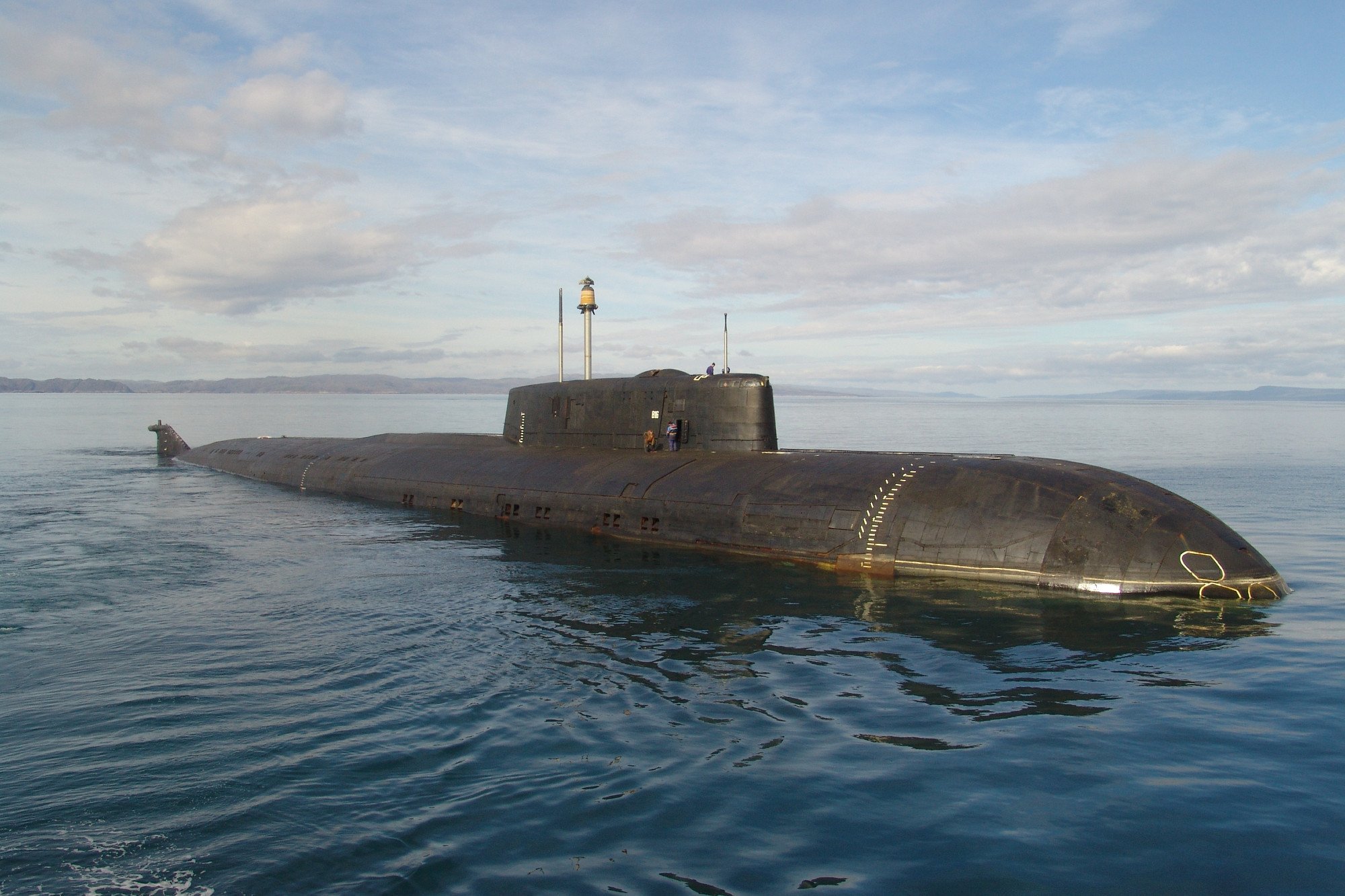
Russia has decided to scrap the K-132 Irkutsk, launched in 1988, a nuclear-powered cruise missile submarine once slated for a major weapons overhaul that was meant to transform it into a launch platform for Zircon hypersonic missiles, Oniks anti-ship missiles, and Kalibr cruise missiles, according to Ukrainian media Defense Express, citing Russian outlet CAST on December 8.
We bring you stories from the ground. Your support keeps our team in the field.
The submarine—a Project 949A Antey boat, the same class made infamous by the Kursk disaster—was first sent for repairs back in 2001, a process that slowly morphed into what Moscow described as a modernization effort.
That upgrade, part of the broader 949AM program, was intended to redesign the Cold War–era submarine class for contemporary warfare.
OTD in 2000: Russian Project 949A Antey nuclear powered submarine 'K-141 Kursk' sinks during naval exercises in the Barents Sea, causing the death of all 118 crew-members that were on board. pic.twitter.com/mtoOFe0DgS
— Status-6 (Military & Conflict News) (@Archer83Able) August 12, 2024
According to Defense Express, Project 949A vessels, created in the late 1970s and 1980s, were built around a single mission: destroying US Navy carrier strike groups with up to 24 massive P-700 Granit supersonic anti-ship missiles.
To accommodate them, the submarines reached unprecedented size—comparable to ballistic missile submarines.
Between the original 949 and improved 949A variants, 13 submarines were produced, with the most notorious being the K-141 Kursk, which sank in 2000.
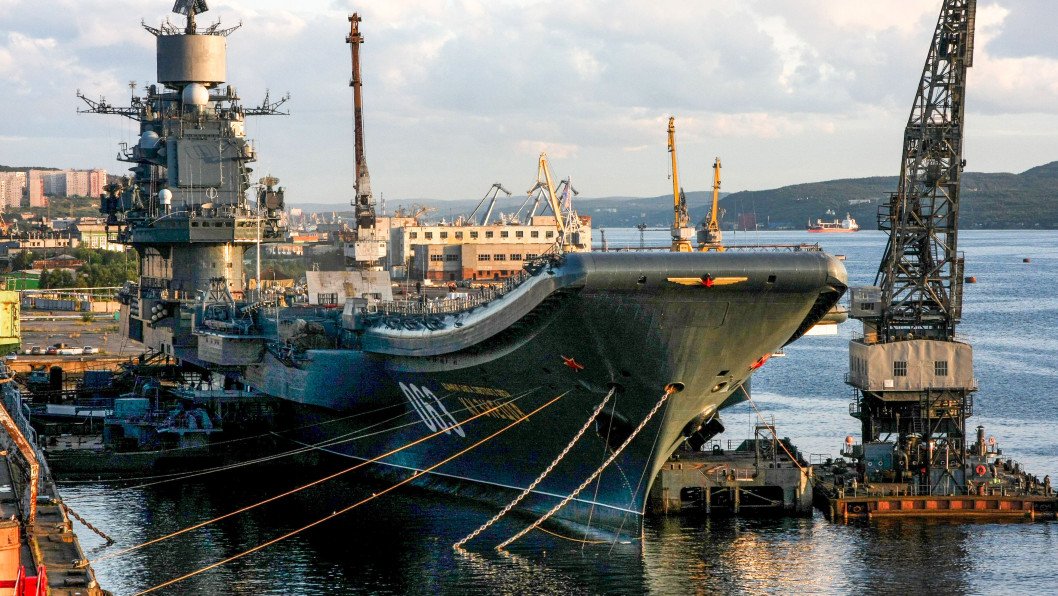
The 949AM upgrade concept emerged no later than 2011. The redesigned submarines were meant to trade their aging Granit launchers for universal vertical launch cells, enabling a mix of weapons—Oniks, Kalibr, and eventually Zircon—offering range, flexibility, and relevance to modern naval combat. The Irkutsk was to be the first test case.
Work on the modernization formally began in 2013, though the submarine had already been sitting in a shipyard near Vladivostok since 2001, Defense Express reported.
In the top tier of Soviet submarines, are probably the Alfa SSN, Typhoon SSBN and Oscar class SSGNs. Full story of Project 949 Granit/949A Antey. https://t.co/OOcZyCdtxp #sovietnavy #sovietskyflot #russiannavy #submarinekursk #belgorodsub #oscarclassssgn #russiansubmarine pic.twitter.com/NM6WnijCxy
— Naval Encyclopedia (@NavalEncyclope1) August 5, 2025
Repairs reportedly did not truly begin until 2008, and modernization slipped repeatedly—first promised for completion in 2017, then pushed further right every year, in typical Russian fashion.
Reports circulated in state media claiming the submarine was floated in 2023 and began sea trials in 2024—none of which were ever independently confirmed.
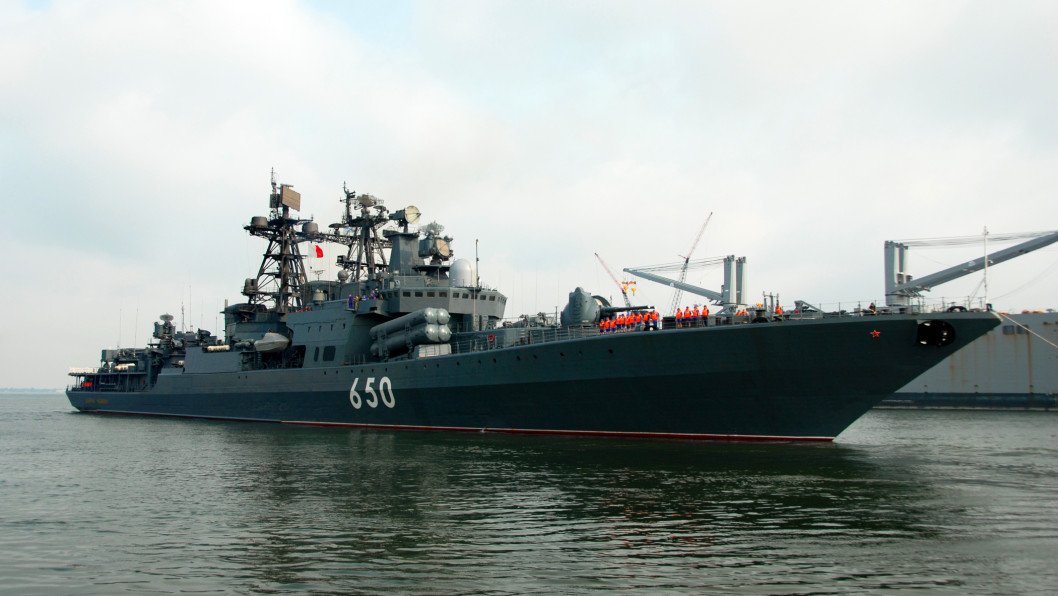
Now, after 26 years on the dock and no operational return, Russia is reportedly moving ahead with dismantling the submarine, a decision that also signals the likely collapse of the entire 949AM modernization effort.
If confirmed, the Navy will abandon upgrades for two additional Antey submarines—K-442 Chelyabinsk, under “repair” since 2014, and K-150 Tomsk, in the same status since 2022—expected now to be written off as well.
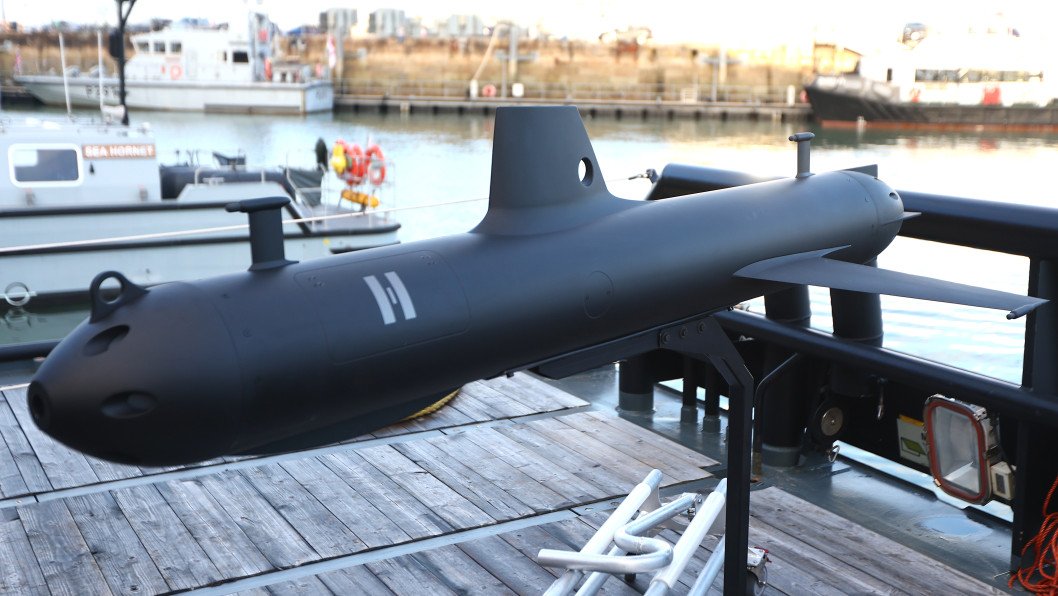
That would leave the Russian fleet with only four active 949A submarines: Smolensk, Tver, Orel, and Omsk—a fraction of the once-ambitious fleet built to counter NATO carriers during the height of the Cold War.
Earlier, reports emerged that Russia quietly relaunched an upgraded Tarantul-class corvette after years of delays, converting a 1990s hull into a modern coastal strike ship armed with Kh-35 “Uran” anti-ship missiles.
Discuss this article:
-9bd5e1532102621f8fb1c4ba871a3171.png)



-111f0e5095e02c02446ffed57bfb0ab1.jpeg "Photo of Roman Kohanets")

-72b63a4e0c8c475ad81fe3eed3f63729.jpeg "Photo of Cyril Barabaltchouk")