- Category
- Latest news
Britain’s New Underwater Hunt Begins—and Moscow Is the Target
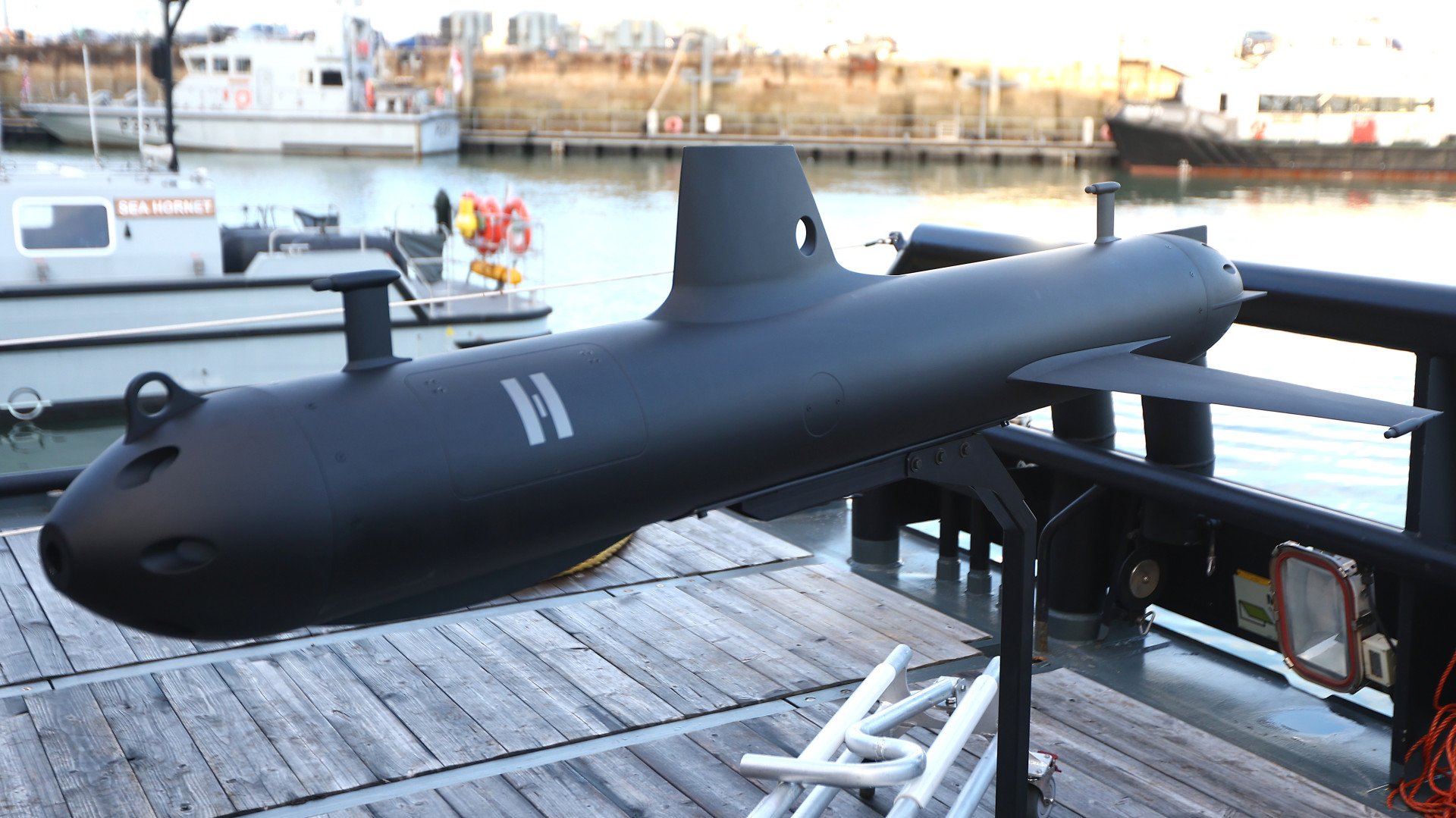
The Royal Navy has quietly entered a new phase of undersea warfare, deploying autonomous gliders capable of patrolling the depths for months at a time in response to a surge of Russian submarine activity near UK waters.
 Prefer U24 Media on Google
- Authors


The Royal Navy is rolling out a new tactic to counter Russian submarine activity in the North Atlantic—a fleet of autonomous undersea gliders designed to patrol deep waters for months at a time while silently listening for hostile movement, according to program lead Katie Ray on the BBC on December 8.
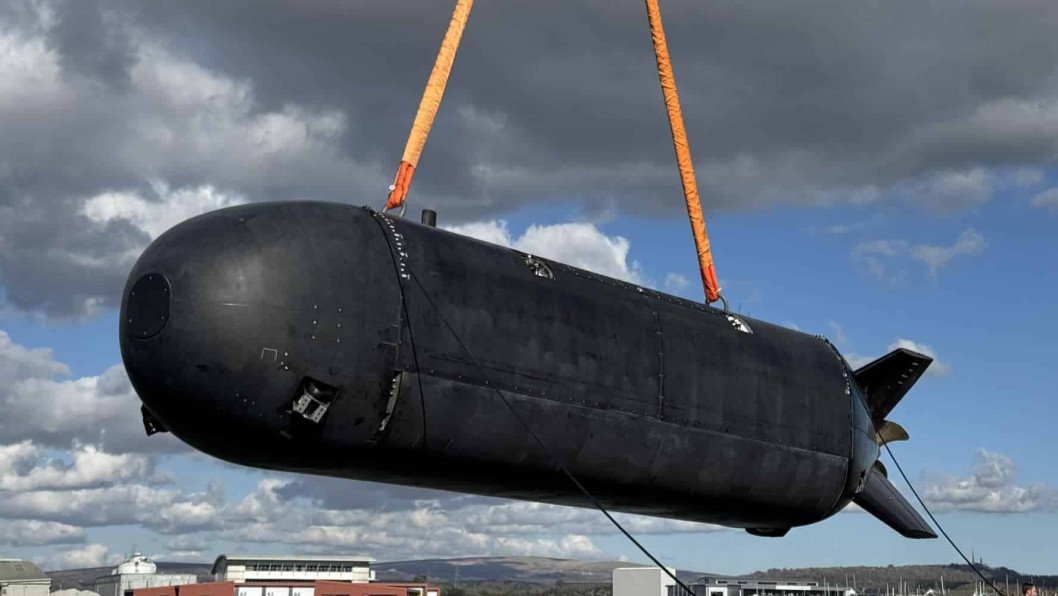
The SG-1 Fathom glider is already operating at depth, “monitoring and listening for potential adversaries” in waters around the United Kingdom.
We bring you stories from the ground. Your support keeps our team in the field.
The system is aimed squarely at shadowing adversaries like Russian submarines suspected of operating covertly in or near British waters and working with intelligence vessels to map the UK’s critical network of seabed cables and energy pipelines.
The Fathom glider, built by European defense firm Helsing, moves by altering buoyancy and riding hydrodynamic forces rather than propellers—allowing it to travel long distances in a distinct saw-tooth motion across a programmed range of depths.
Helsing has opened its first UK Resilience Factory, in Plymouth UK – the centre of maritime autonomy. We're building our autonomous underwater glider SG-1 Fathom there. Check out @DefenceHQ @JohnHealey_MP opening our new factory. pic.twitter.com/tIpZiFRdOc
— Helsing (@HelsingAI) November 20, 2025
Its onboard sensors collect data continuously, processing acoustic information with AI software trained on decades of submarine detection records.
Ray noted the system identifies threats “faster than we were ever able to before.”
If trials prove successful, Fathom gliders are expected to become part of Atlantic Bastion, Britain’s emerging network of autonomous drones, warships, and patrol aircraft built to protect seabed infrastructure and tighten surveillance across the North Atlantic.
🇩🇪 Helsing (@HelsingAI) opened a new manufacturing facility in 🇬🇧 Plymouth,UK.
— Counter Unmanned Systems (@CUAS_NEWS) November 22, 2025
"The new facility will initially be producing Helsing’s subsea autonomous AI-enabled glider, the SG-1 Fathom. The SG-1 Fathom is designed to hunt down enemy submarines and protect our sea lanes and… pic.twitter.com/NCXQrdZFKY
A race to secure the seabed
The UK Ministry of Defence calls Atlantic Bastion a direct response to the sharp rise in Russian undersea activity. Government figures suggest the number of Russian vessels posing a risk to British waters has climbed 30% over the past two years.
The warning comes as British lawmakers sound alarms. In September, the Parliamentary Committee on National Security Strategy said it was “not confident” in the UK’s ability to protect underwater cables—and cautioned that a sabotage event could trigger “catastrophic disruption” to Britain’s financial and communications systems.
Britain unveils new undersea warfare technology under the Atlantic Bastion project, aiming to counter threats from Russia by integrating autonomous vessels and AI with warships and aircraft pic.twitter.com/Li8vzPQ4yL
— Reuters (@Reuters) December 8, 2025
Last month, the Russian intelligence ship Yantar—long suspected of mapping undersea infrastructure—pointed lasers at British pilots monitoring its movements near UK waters.
Defence Secretary John Healey condemned the behavior as “extremely dangerous” and confirmed Yantar has repeatedly entered and exited the UK’s exclusive economic zone.
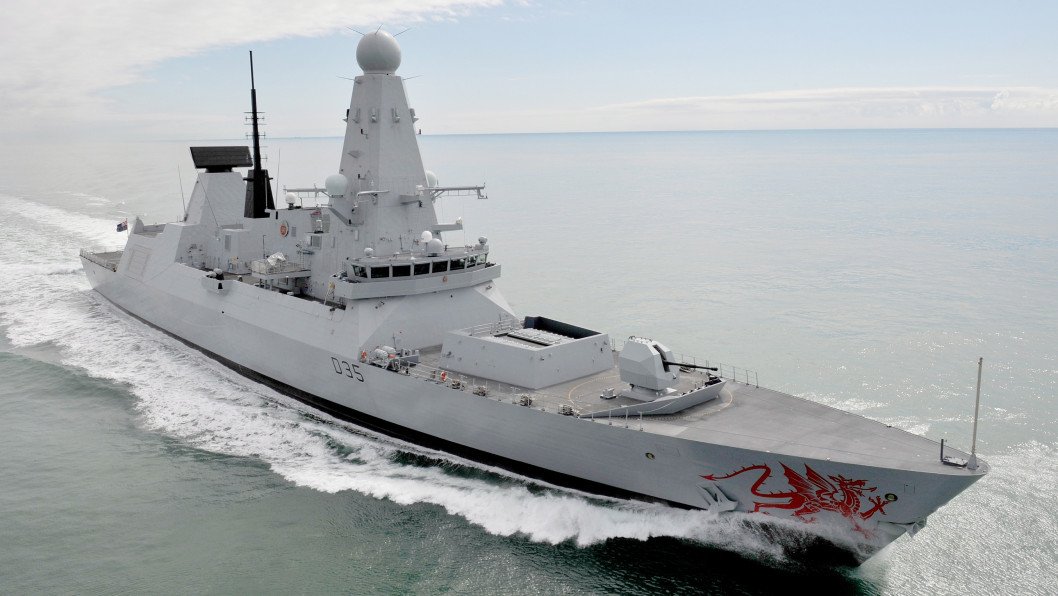
Britain accelerates uncrewed maritime tech
During a recent visit to Portsmouth, Healey underscored that investing in new technology is now a matter of urgency.
“This is about staying ahead of the Russians,” he said onboard XV Patrick Blackett, the Royal Navy’s experimental technology test ship.
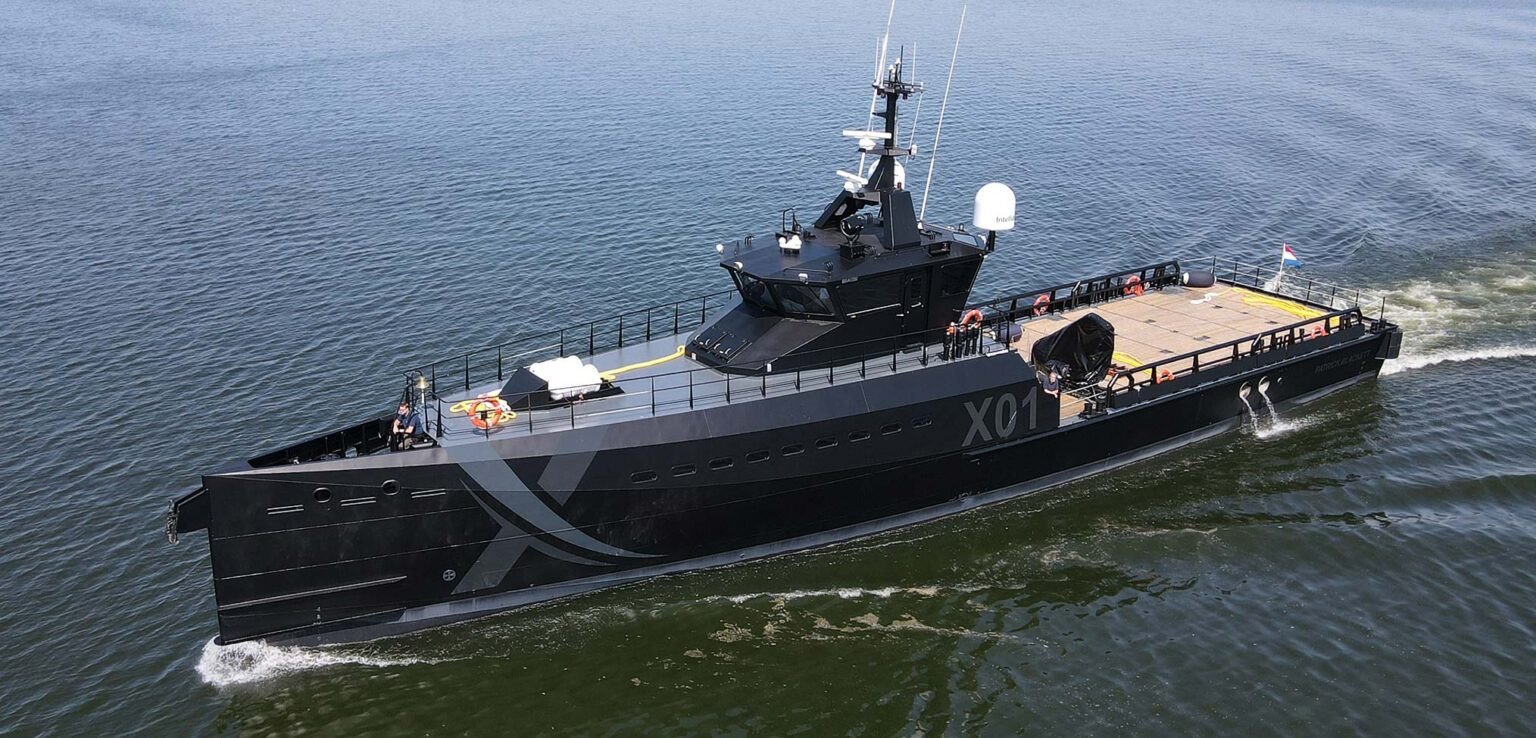
A display of new systems included a remotely operated surface craft, a prototype of Proteus—the Royal Navy’s first unmanned helicopter—and Excalibur, a 12-meter, 19-ton autonomous submarine launched for trials this year.
“We know they are mapping our cables, our networks and our pipelines, and we know they are constantly developing new capabilities to put them at risk,” Healey said.
Alongside a newly signed cooperation with Norway under the Lunna House Agreement—aimed at jointly hunting Russian submarines and defending critical subsea assets—officials stressed that timing is crucial as maritime competition moves further below the surface.
Earlier, Britain began developing a new Atlantic surveillance drone network designed to detect submarines and strengthen maritime intelligence operations amid rising concerns over Russian espionage and undersea activity.
Discuss this article:



-c439b7bd9030ecf9d5a4287dc361ba31.jpg "Photo of Katherina Popilnichenko")