- Category
- Latest news
UK Unveils Monster Submarine Drone—and Operates It From 10,000 Miles Away
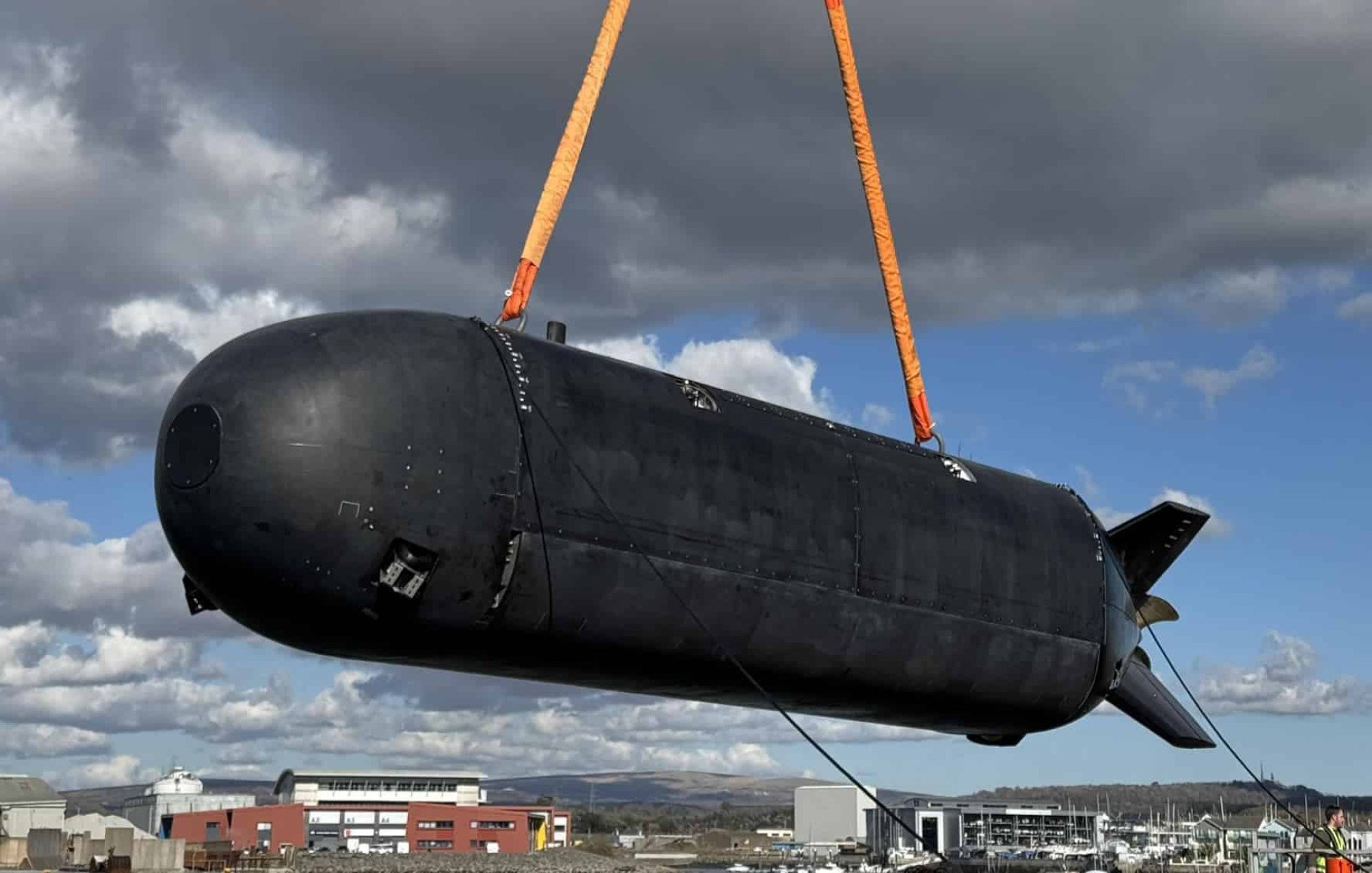
The Royal Navy has quietly tested a giant uncrewed submarine dubbed “Excalibur,” successfully operating it from more than 10,000 miles away in what could mark a turning point for undersea warfare. The submarine’s name nods to British naval tradition, referencing both King Arthur’s legendary sword and a Cold War-era submarine of the same name—a blend of heritage and innovation.
 Prefer U24 Media on Google
- Authors


The UK’s Royal Navy has successfully demonstrated long-range remote control of its newest submarine drone, Excalibur, during multinational exercises with Australia and the US under the AUKUS security partnership, Interesting Engineering reported on August 18.
The trial, held as part of Exercise Talisman Sabre in July, saw an operations center in Australia remotely control a 40-foot autonomous submarine while it was submerged in British waters, more than 10,000 miles away, at its home base in Plymouth.
Royal Navy XLUUV (Extra-long Uncrewed Underwater Vessel) Excalibur unveiled in naming ceremony in Plymouth, England - May 15, 2025
— WarshipCam (@WarshipCam) May 16, 2025
SRC: INT- https://t.co/9XT2zZcIbJ pic.twitter.com/aGtooItw57
The test was part of the AUKUS Pillar II “Maritime Big Play” program, which explores how the three allies can integrate robotics and autonomous systems into future naval operations. Japan also joined the exercise to coordinate advances in underwater acoustic communications.
A new class of underwater drone
Excalibur is the UK’s first Extra-Large Uncrewed Underwater Vehicle (XLUUV). Built by Plymouth-based MSubs under the Royal Navy’s three-year Project Cetus initiative, it is the largest uncrewed submarine tested by Britain to date.
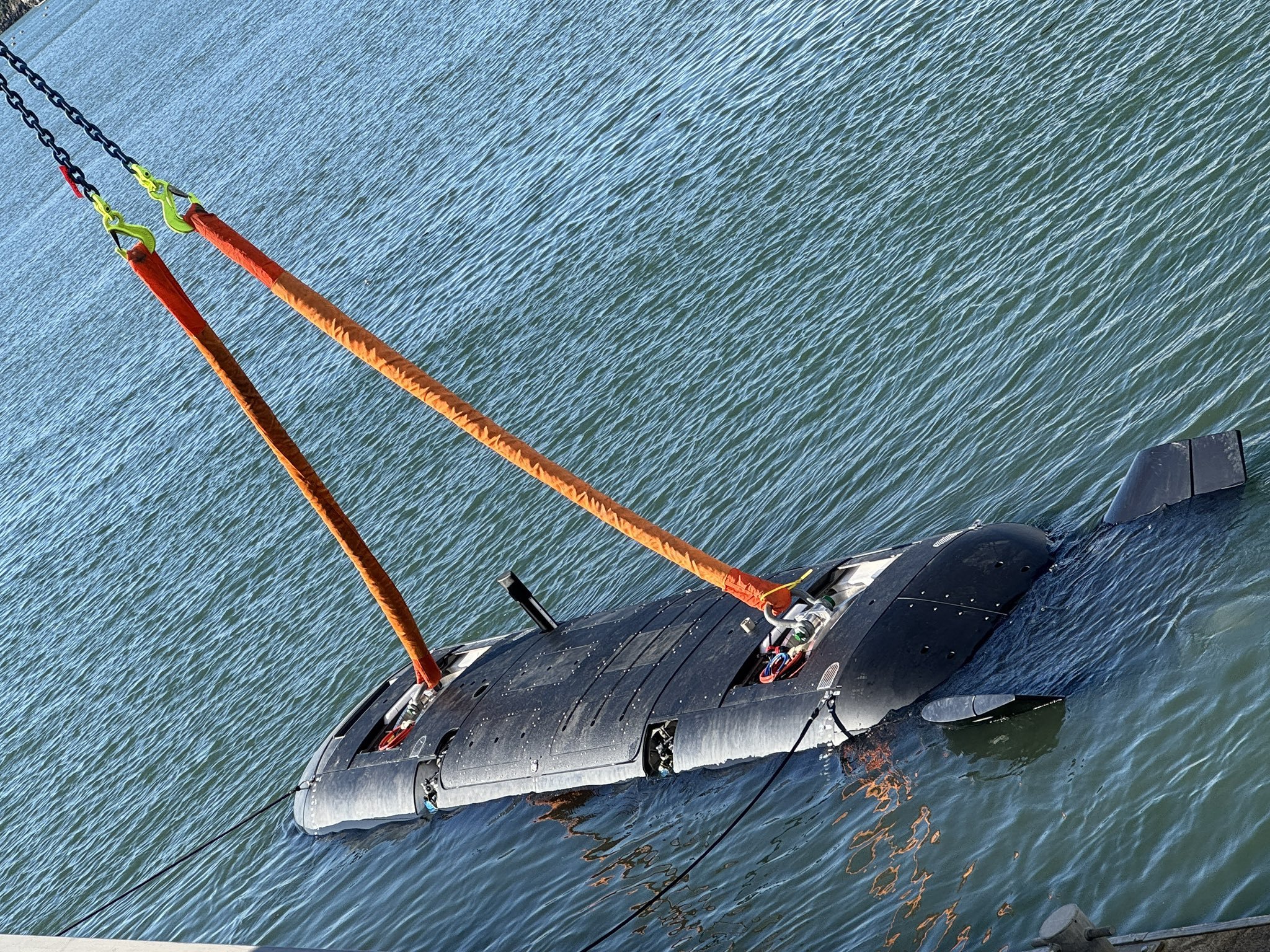
The 21-ton platform measures 39 feet (12 meters) in length, with a mission endurance of up to 1,000 miles. Unlike the Navy’s manned submarines, Excalibur can dive deeper while operating independently.
Officials stress that Excalibur is not meant for combat deployment. Instead, it serves as a testbed for new tactics, payloads, and the integration of crewed and uncrewed systems.
-37ff8e107397e276258d3d7c1297afdf.jpg)
“This is an exciting day for the Royal Navy, the UK Armed Forces, and my team,” said Rear Admiral James Parkin, the Royal Navy’s Director of Developments.
“In our journey towards autonomy and mass, it is vital we learn by doing, and Excalibur will be our mechanism for understanding the complexity and challenges of operating a future team of crewed and uncrewed systems underwater.”

Shaping the future fleet
The platform’s modular design enables it to be equipped with various payloads, supporting missions such as intelligence gathering, surveillance, and reconnaissance in contested waters.
Commodore Marcus Rose, Deputy Director of Underwater Battlespace Capability, said the trials will be critical for shaping the Navy’s future force.
“The upcoming trials will allow us to rapidly develop our understanding of operating large uncrewed vessels underwater,” Rose explained.
“The lessons learnt will build on our existing knowledge base, such as that gained through the Mine Hunting Capability programme, and enable us to move toward a mixed-force construct.”
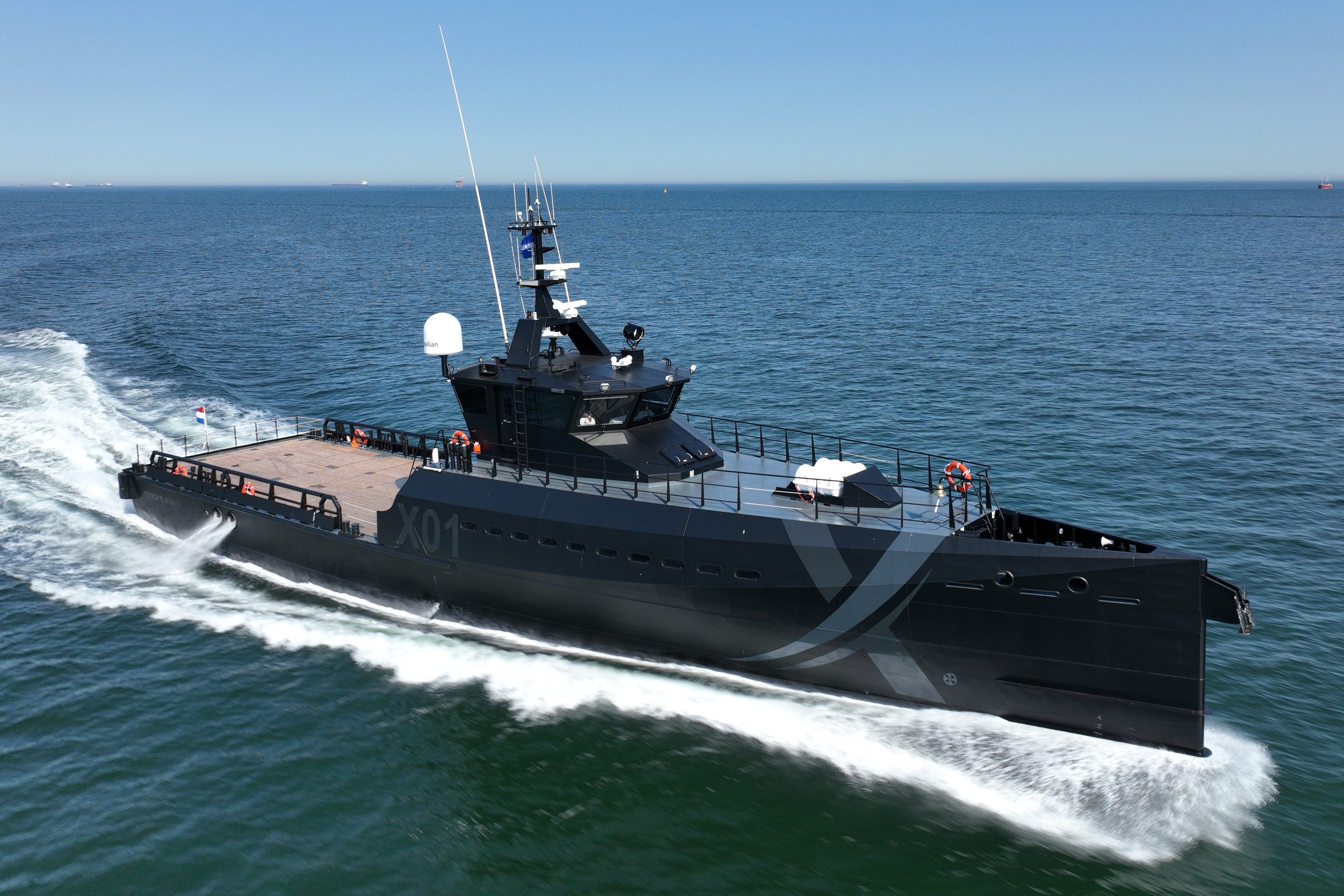
Excalibur is part of the Royal Navy’s Fleet Experimentation Squadron, which also operates the surface experimentation vessel XV Patrick Blackett. Both are central to testing disruptive naval technologies over the next two years.
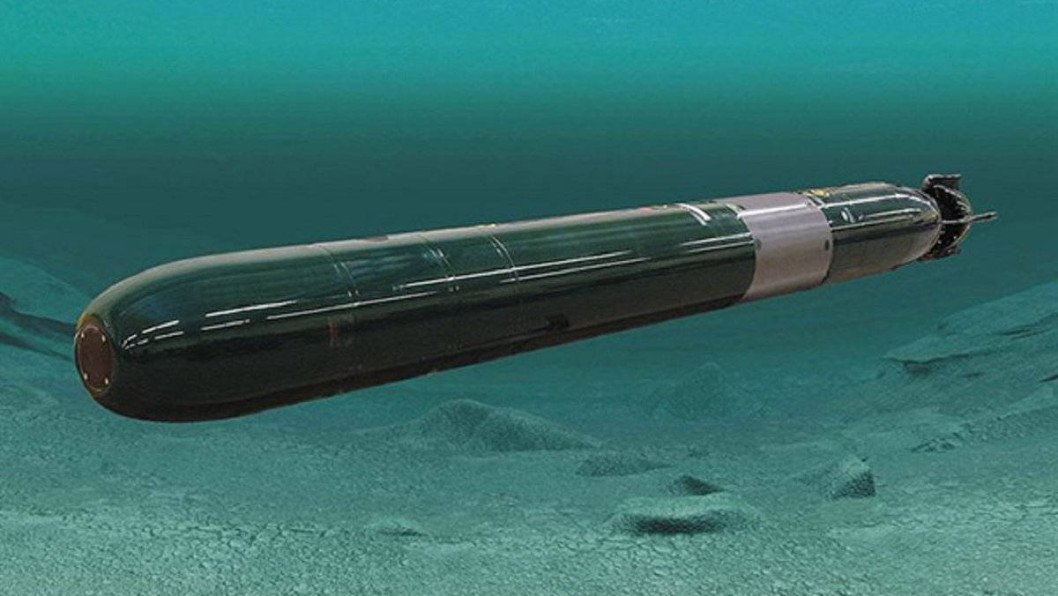
Earlier, China showcased several new oversized underwater vehicles that drew comparisons to Russia’s Poseidon nuclear torpedo during preparations for a recent military parade in Beijing.
Discuss this article:



-c439b7bd9030ecf9d5a4287dc361ba31.jpg "Photo of Katherina Popilnichenko")