- Category
- Latest news
New Chinese Underwater Drones Resemble Russia’s Poseidon “Doomsday” Torpedo
 Prefer U24 Media on Google
- Authors


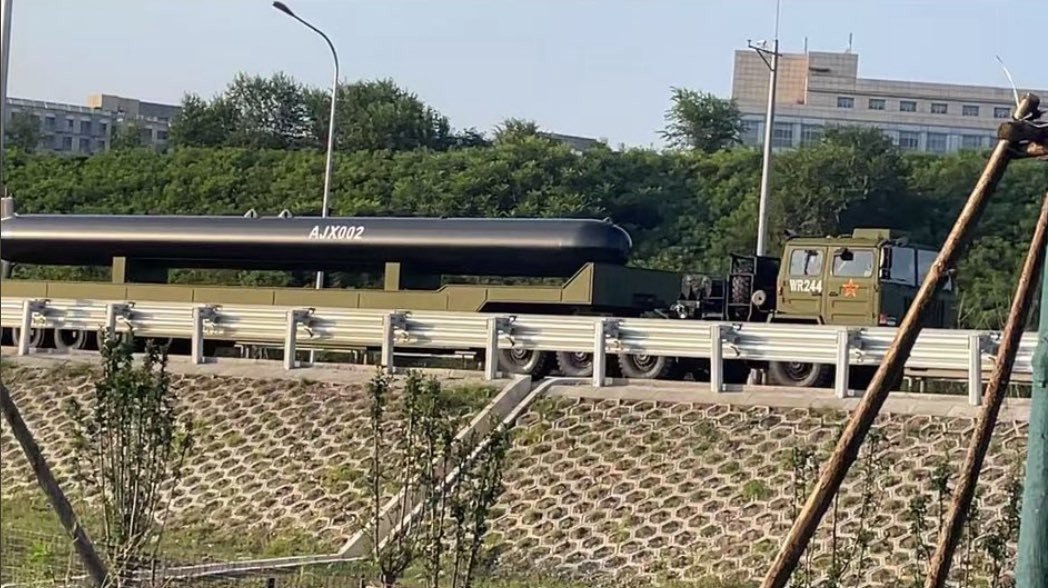
During preparations for a recent military parade in Beijing, China showcased several new oversized underwater vehicles that drew comparisons to Russia’s Poseidon nuclear torpedo.
According to Defense Express on August 18, photographs from the event show large unmanned underwater platforms being transported on trailers.
Their dimensions and external design bear similarities to Russia’s Poseidon system, which is described as a 20-meter nuclear-powered torpedo capable of carrying a multi-megaton warhead across intercontinental distances.
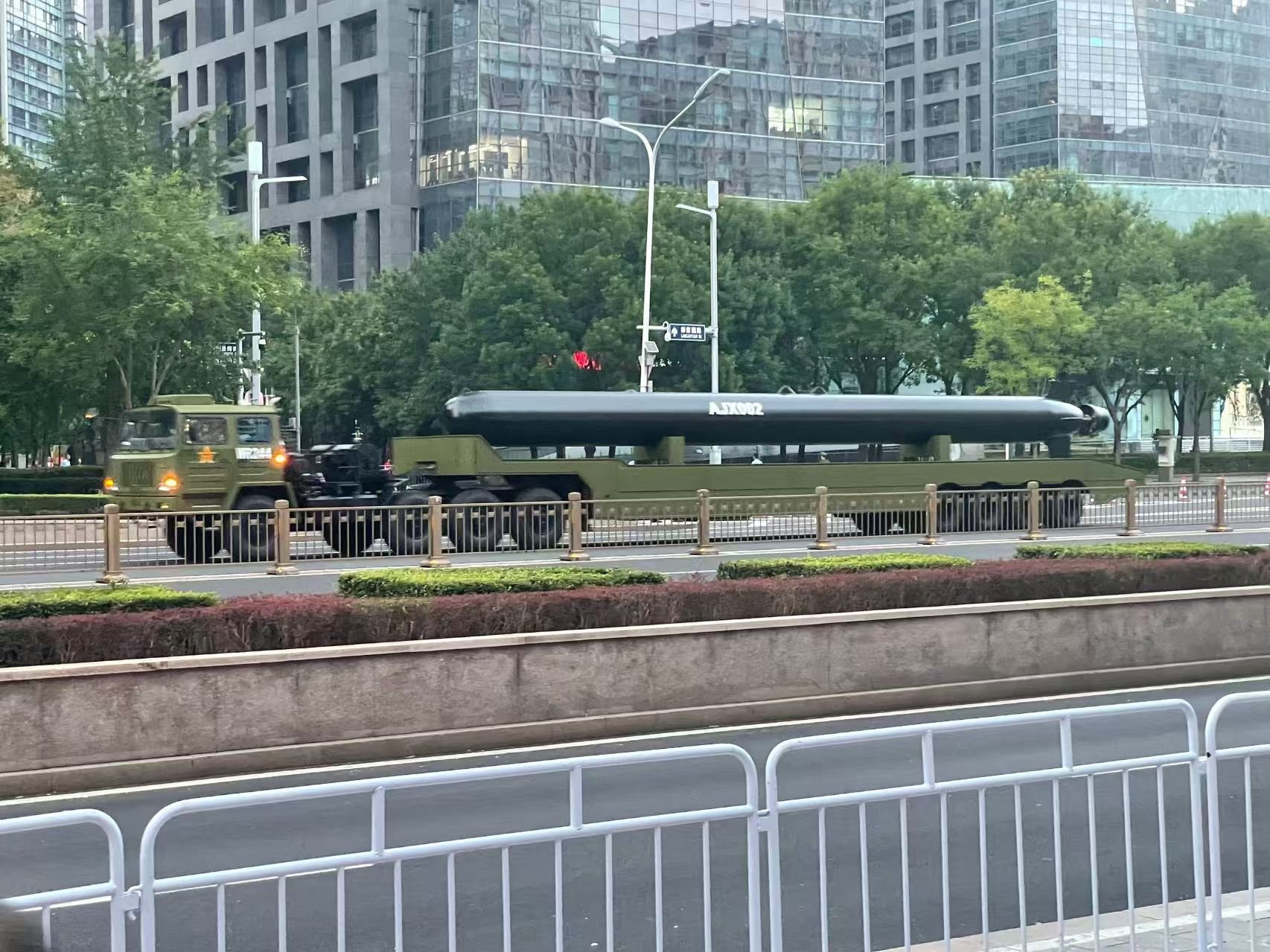
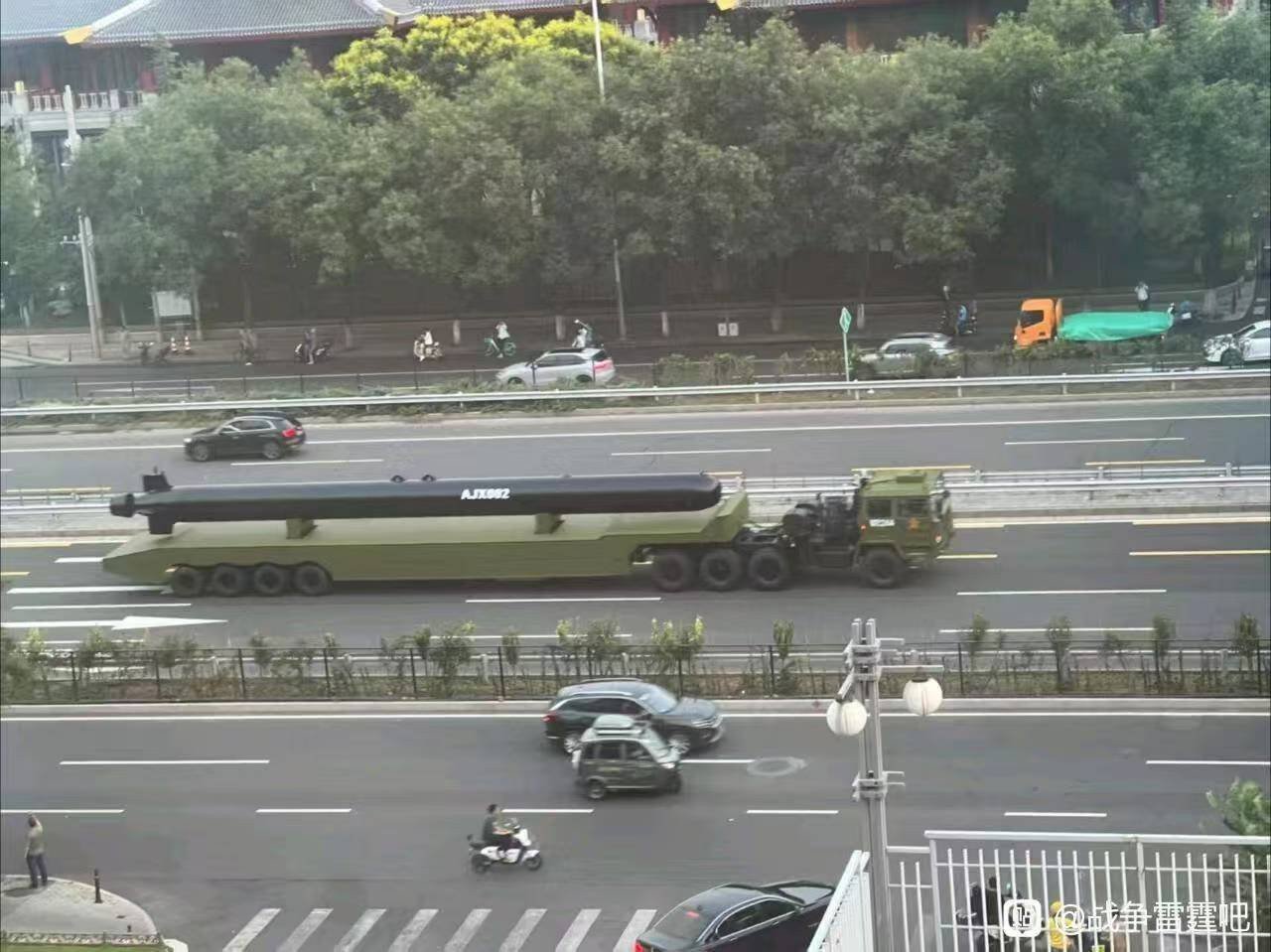
However, defense analysts note that the Chinese prototypes appear to belong to the category of extra-large unmanned underwater vehicles (XLUUVs) rather than nuclear torpedoes. Evidence supporting this includes the visible crane fixtures on the hulls, suggesting shore-based launch methods rather than deployment through submarine torpedo tubes.
Observers reported at least six such XLUUVs: four units marked AJX002 and two larger designs transported under covers. Based on the trailer sizes, AJX002 is estimated to be 18–20 meters long with a diameter of 1–1.5 meters. The second, larger model features a raised structure on top of the hull that could house satellite communications equipment or sensors.
At present, the exact role of these systems remains unclear. Like similar projects in the United States and Europe, Chinese developers may be pursuing a multi-purpose approach, enabling such platforms to perform reconnaissance, transport, or strike missions.
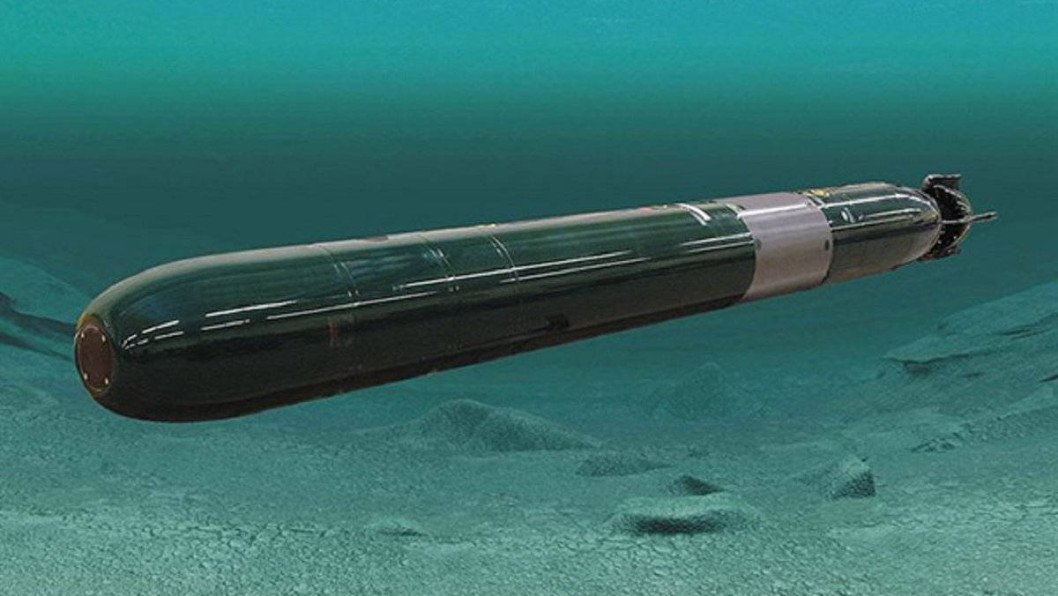
Comparable concepts are under development by companies such as Anduril in the United States with its Dive-XL system.
Although these Chinese XLUUVs are still at the prototype stage, their rapid emergence over recent years suggests they could enter series production in the near future. By contrast, Russia’s Poseidon—first delivered in limited numbers in 2023—remains unable to serve as a carrier for nuclear weapons, despite earlier claims by Moscow.
Earlier, Beijing reduced its reliance on Russian arms imports by 40% between 2009 and 2023, largely through reverse-engineering and technology theft. Over the past two decades, at least 21 espionage and cyberattack cases targeted Russia’s defense sector, while China repeatedly copied systems such as the Su-27 fighter and S-300 air defense. Although arms purchases declined, Beijing continues to rely on Russia for aircraft engines, even as it develops domestic alternatives.
Discuss this article:


-c439b7bd9030ecf9d5a4287dc361ba31.jpg "Photo of Katherina Popilnichenko")