- Category
- Latest news
US Deploys Ukraine-Tested Drone Killer to Hunt Iranian Shahed Swarms
 Prefer U24 Media on Google
- Authors


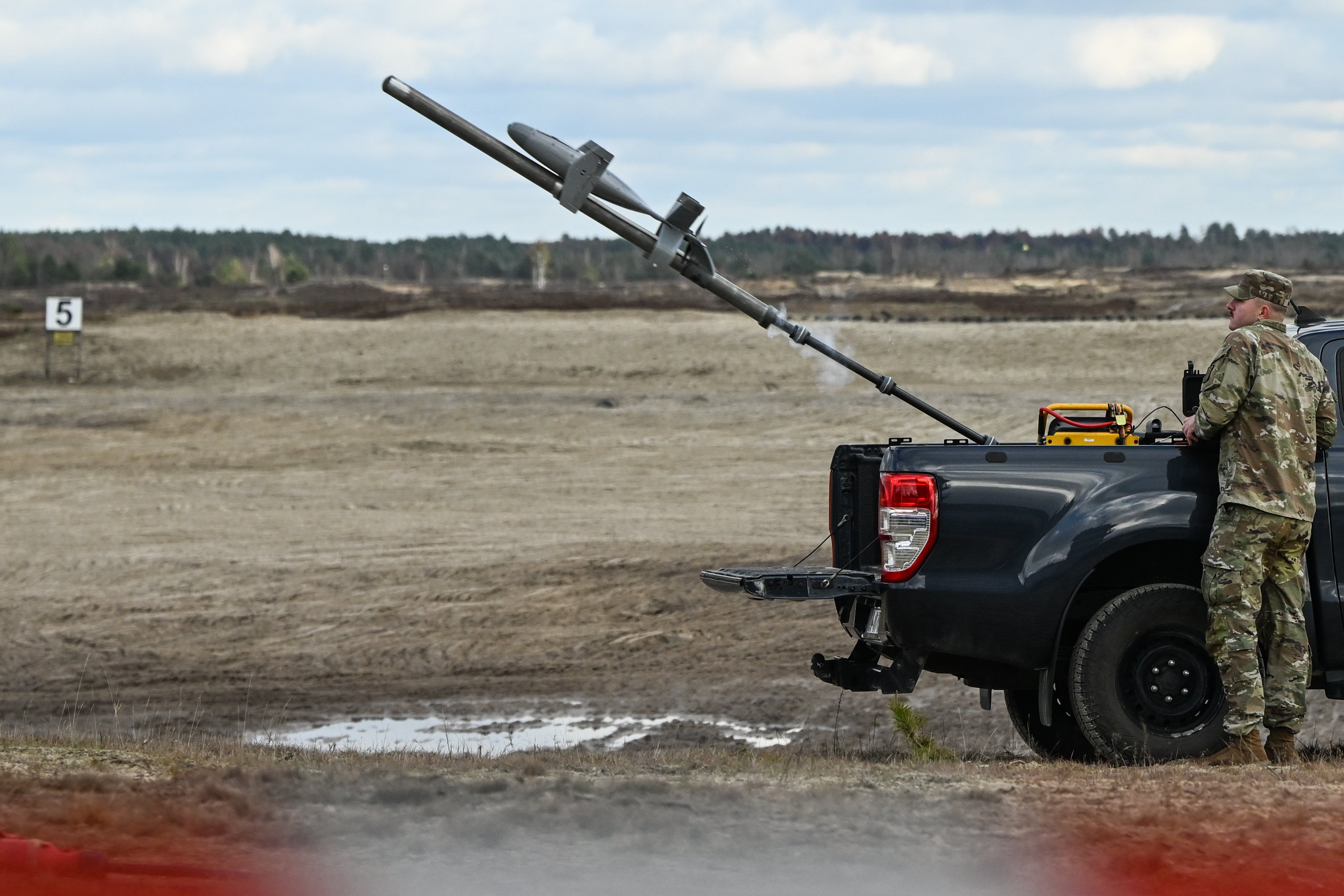
The US Army is deploying the Merops counter-drone system to the Middle East in an effort to intercept Iranian Shahed-type attack drones threatening US forces and critical infrastructure across the region.
The move adds a lower-cost air-defense layer designed specifically to defeat mass drone raids without relying on expensive interceptors such as Patriot or THAAD missiles, according to Army Recognition on March 10.
We bring you stories from the ground. Your support keeps our team in the field.
As noted by Army Recognition, the decision reflects a growing recognition that traditional missile defense systems are optimized to stop ballistic and cruise missiles but are less cost-effective against large numbers of inexpensive drones.
US officials told the Associated Press that the Merops system—already tested in combat against Russian-operated Shahed variants in Ukraine—will be deployed at multiple locations across the Middle East, including some sites where American troops are not permanently stationed.
🇺🇸 The American anti-aircraft "drone" complex Merops has gained the ability to receive information from many different radar systems.
— Visioner (@visionergeo) December 10, 2025
Each drone costs approximately 14,500 US dollars, and the Merops system is one of the most promising developments in the C-UAS field.
See the… pic.twitter.com/s8NwrI2YeB
According to reporting cited by Army Recognition, the deployment underscores a key lesson emerging from modern warfare: while the United States maintains strong missile defenses, mass drone attacks present a different and growing challenge.
Associated Press reporting indicates that Iranian retaliation has relied heavily on large-scale drone attacks, with targets including ports, airports, oil facilities and military bases.
Officials in Dubai alone said that air defense systems intercepted more than 540 Iranian drones over two days, alongside ballistic and cruise missile launches.
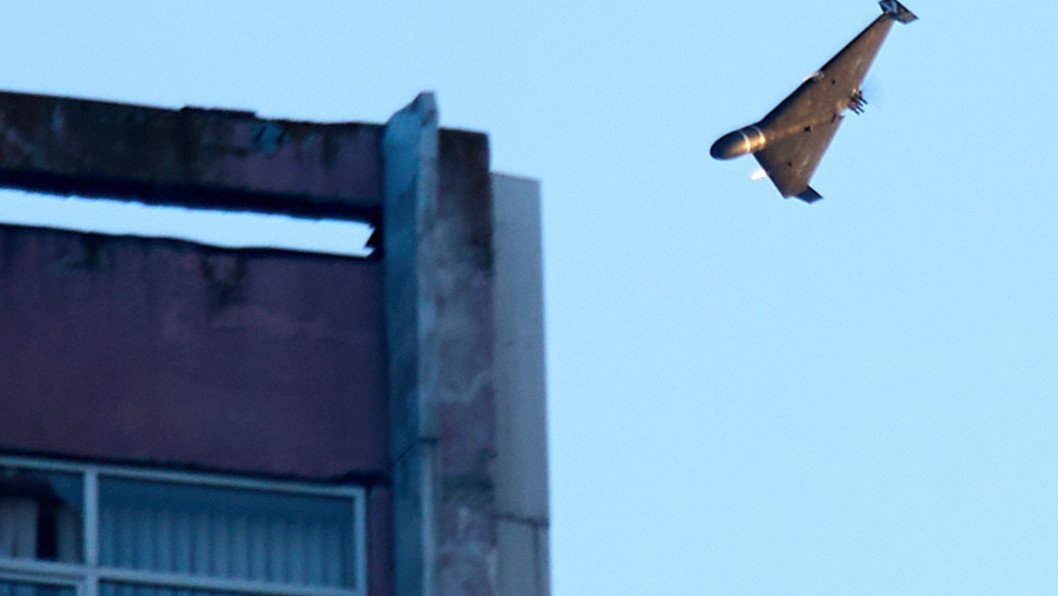
According to Army Recognition, the Merops system is being deployed in this environment because the US Central Command needs a mobile and scalable solution capable of dealing with large numbers of incoming drones.
Merops is a compact counter-UAS system built around a fast fixed-wing interceptor drone known as Surveyor.
The system includes a launch rail, ground-control equipment and links to external sensors such as radar networks.
According to NATO information cited by Army Recognition, the system can be launched from the bed of a pickup truck and can track targets autonomously using radio-frequency signals, radar guidance or thermal signatures.
The US is sending the Merops counter-drone system to the Middle East, which has already shot down over 1,000 Shahed drones in Ukraine.
— Clash Report (@clashreport) March 7, 2026
It uses a small $15,000 interceptor drone (Surveyor) to destroy enemy drones, offering a much cheaper defense than expensive missiles like… pic.twitter.com/dcrNBApqKV
This capability is particularly important in contested electronic-warfare environments where GPS signals or communications links may be disrupted.
During NATO demonstrations in Poland, Merops was integrated with the Italian RPS-42 radar, and officials emphasized that the system can ingest targeting data from multiple radar types. That allows it to operate as part of a layered air-defense network, rather than as a stand-alone system.
The economics of modern drone warfare played a major role in the system’s development.
Each Surveyor interceptor costs roughly $14,500 to $15,000, can reach speeds above 175 mph, and can destroy targets either through direct collision or by detonating a small warhead near the drone.
If a target is not engaged, the interceptor can descend by parachute and be recovered for reuse.
That cost structure creates a more sustainable exchange rate when facing Shahed-class attack drones, which are typically estimated to cost $20,000 to $50,000 each.
As Army Recognition notes, the system can also pass targeting data to other air-defense systems, allowing commanders to decide whether to engage the drone directly with Merops or cue other interceptors.
Merops was designed primarily to counter the type of threats increasingly used by both Iran and Russia—slow-flying one-way attack drones and larger reconnaissance UAVs.
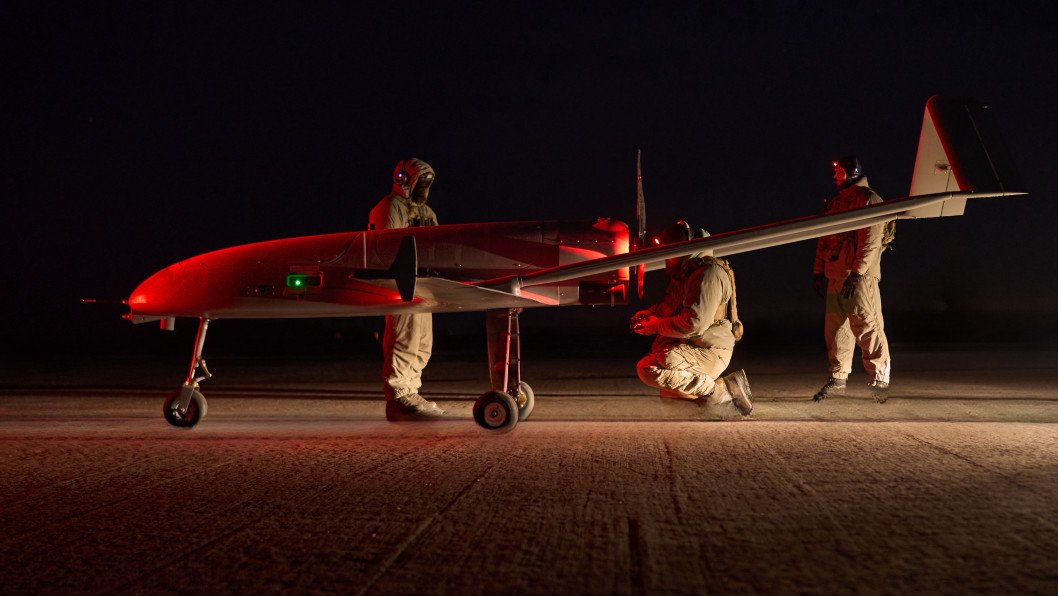
Ukraine’s battlefield experience has played a key role in validating the system.
According to NATO and Associated Press reporting cited by Army Recognition, Merops has been credited with more than 1,000 destroyed Russian drones, while Business Insider previously reported nearly 1,900 successful intercepts and an estimated success rate of about 95 percent against Shahed-type drones.
The system has also been deployed in Poland and Romania after Russian drones entered NATO airspace, suggesting that the technology is now considered mature enough for operational use rather than experimental testing.
Merops is not designed to defeat every drone threat. Reports from NATO demonstrations indicate it is less effective against small FPV quadcopters flying at very low altitudes.
Its greatest value comes when paired with radars, optical sensors and command-and-control networks.
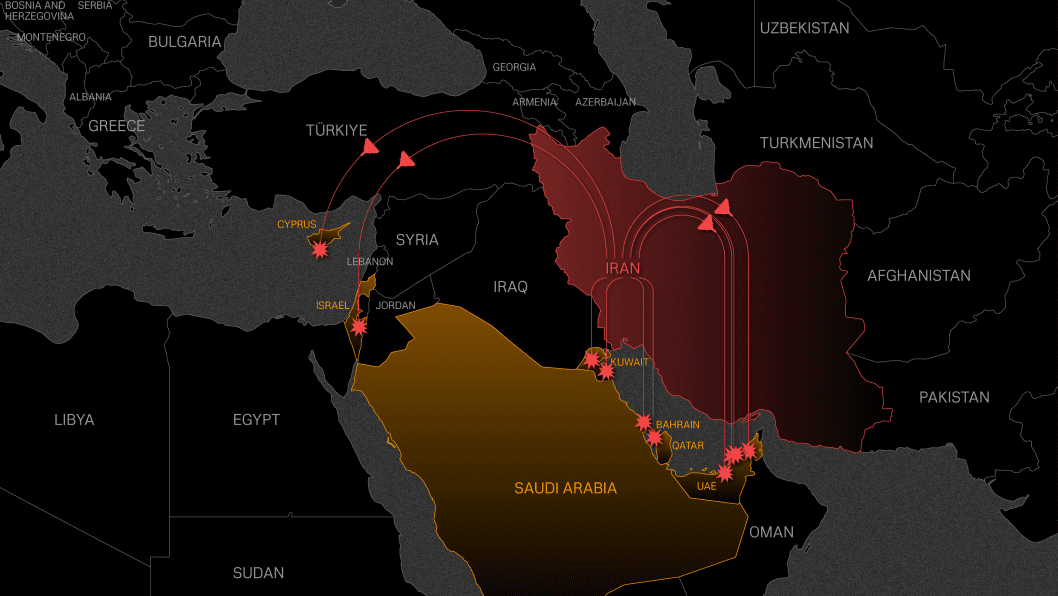
That limitation does not reduce its relevance in the Middle East. The Shahed family of drones typically flies at about 180 kilometers per hour, can reach ranges of roughly 2,000 kilometers, and carries warheads weighing around 40 kilograms.
This combination makes them a relatively inexpensive but highly disruptive weapon capable of targeting military bases, energy infrastructure and logistics hubs across large distances.
The deeper reason for the Merops deployment is strategic rather than purely technical.
As Army Recognition notes, Washington is increasingly absorbing lessons from Ukraine’s experience in defending against sustained drone bombardment.
Modern air defense systems must include attritable, low-cost interceptors positioned below high-end systems such as Patriot and THAAD in the engagement chain.
❗️The 🇺🇸U.S. Army is deploying Merops anti-drone systems to the Middle East. These systems previously underwent testing in Ukraine and at European ranges, according to the Wall Street Journal.
— 🪖MilitaryNewsUA🇺🇦 (@front_ukrainian) March 7, 2026
According to sources cited by the publication, Ukraine will likely provide… pic.twitter.com/I46eEpUbFc
According to Associated Press reporting, the US has even consulted Ukraine for advice on countering Iranian Shahed drones.
For defense analysts cited by Army Recognition, the significance of Merops is clear: it represents a cost-effective anti-drone layer designed to preserve expensive missile interceptors while giving defenders breathing room during large-scale drone attacks.
Earlier, an Iranian missile attack damaged a building housing German military personnel at an air base in Jordan, though no troops were injured.
In addition, new satellite imagery suggests that several rare US AN/TPY-2 missile-tracking radars, a critical component of the THAAD ballistic missile defense system, may have been damaged in recent Iranian strikes across the Middle East.
Discuss this article:



-c439b7bd9030ecf9d5a4287dc361ba31.jpg "Photo of Katherina Popilnichenko")