- Category
- Latest news
Britain Unveils “Atlantic Bastion”—AI Drone Wall to Counter Russia Under the Sea
 Prefer U24 Media on Google
- Authors



Britain is set to deploy a new multi-layered underwater surveillance and anti-submarine warfare network known as Atlantic Bastion, a programme described as a major step in reshaping how the Royal Navy secures the seabed and critical infrastructure, according to UK Defence Journal on December 8.
The initiative links autonomous surface and subsurface vessels, AI-enabled sensor grids, and existing naval and air platforms.
We bring you stories from the ground. Your support keeps our team in the field.
During a visit to Portsmouth, Defence Secretary John Healey framed the programme as a cornerstone of the Strategic Defence Review’s push to “rapidly innovate at a wartime pace.” Healey warned, “People should be in no doubt of the new threats facing the UK and our allies under the sea, where adversaries are targeting infrastructure that is so critical to our way of life.”
He added that “This new era of threat demands a new era for defence.”
Britain unveils new undersea warfare technology under the Atlantic Bastion project, aiming to counter threats from Russia by integrating autonomous vessels and AI with warships and aircraft pic.twitter.com/Li8vzPQ4yL
— Reuters (@Reuters) December 8, 2025
The UK Defence Journal notes Atlantic Bastion has emerged against the backdrop of increased Russian underwater activity, including operations by the intelligence-gathering ship Yantar near UK waters.
Healey called the effort “a blueprint for the future of the Royal Navy”, combining autonomous systems, AI and existing fleets “to detect, deter and defeat those who threaten us.”
British defence intelligence has assessed that Moscow aims to modernise its submarine fleet in ways that increase the risk to undersea cables, energy links, and pipelines—assets that power Europe, carry global financial data, and underpin NATO communications.
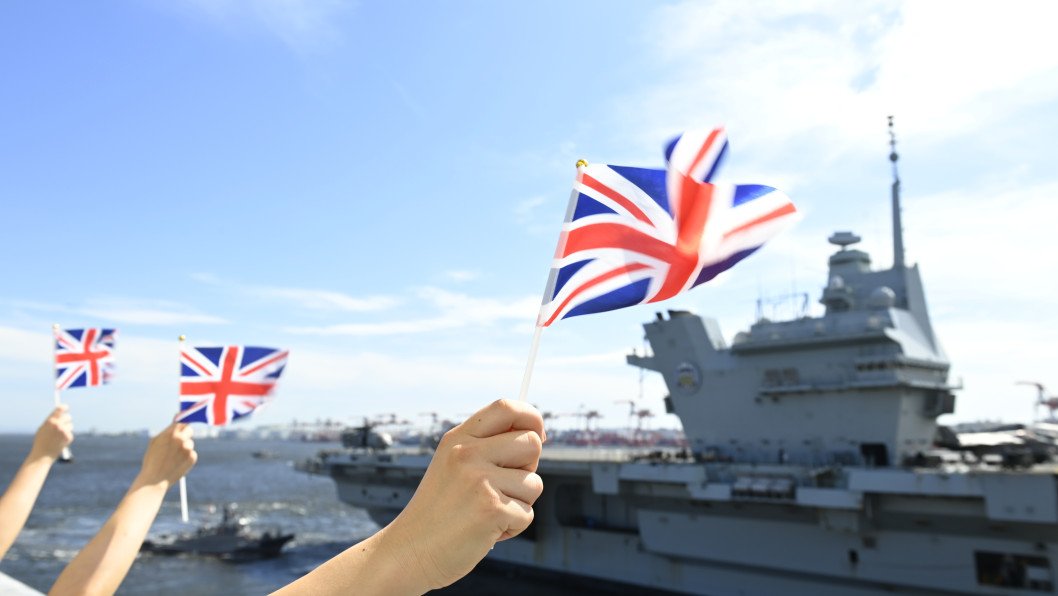
According to the UK Defence Journal, Atlantic Bastion is designed to counter that shift through a fused network of crewed warships, submarines, unmanned platforms, and distributed acoustic sensors powered by AI analytics.
Industry uptake has been significant. UK Defence Journal reporting states the government has already allocated £14 million in seed funding, with private sector investment matching at a four-to-one ratio. Twenty-six companies have submitted new sensor designs, and twenty firms are demonstrating early systems, some of which are expected to enter water trials next year.
The First Sea Lord, General Sir Gwyn Jenkins, is expected to expand on how Atlantic Bastion fits into a broader maritime future at the International Sea Power Conference.
🇬🇧 The UK has launched Atlantic Bastion, a new undersea defence network using AI-driven drones & sensors to counter growing submarine threats. A major step in protecting Atlantic sea lanes and critical infrastructure. pic.twitter.com/inScmPXCk1
— Defence Day (@Tahir_Arrival) December 8, 2025
In his remarks, he argues the maritime domain is “increasingly vulnerable” and that “maritime security is a strategic imperative for the UK. It is time to act.”
He calls Atlantic Bastion “our bold new approach to secure the underwater battlespace against a modernising Russia” and a “revolutionary underwater network—more autonomous, more resilient, more lethal and British built.”
Jenkins adds, “We’ve already made rapid and significant progress with delivering Atlantic Bastion—a force that keeps us secure at home and strong abroad.”
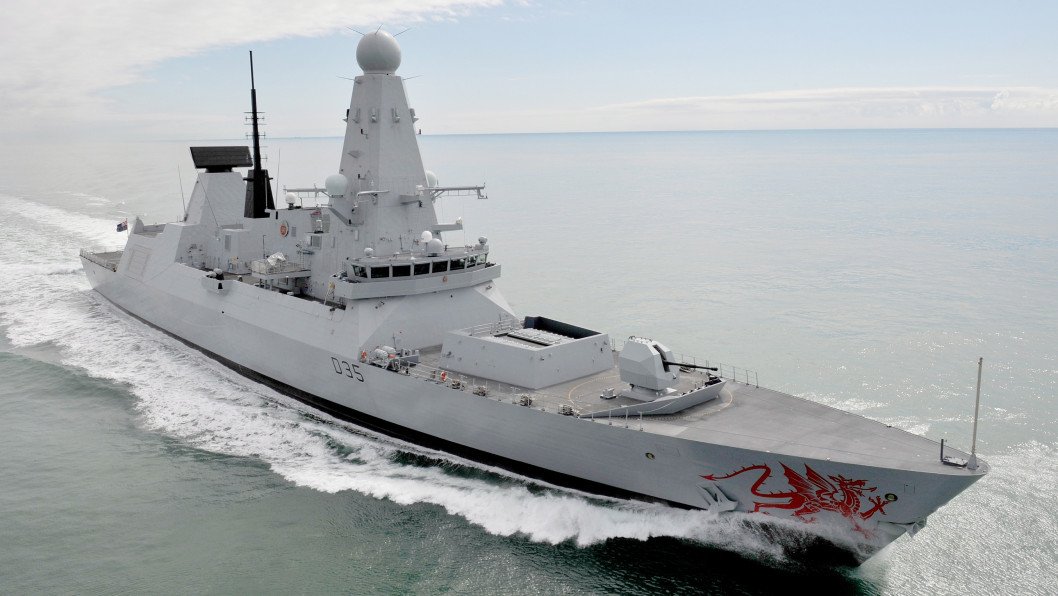
The programme also showcases capabilities under development by UK-based and international defence firms, a trend repeatedly highlighted by the UK Defence Journal. Dr. Rich Drake of Anduril UK said the government had challenged the industry “to create the modern warfighter,” adding that its Seabed Sentry project reflects investment in “British talent, British technology and Britain’s tomorrow.”
BAE Systems and Helsing have made similar statements, pitching autonomy and AI as the decisive factors in future underwater warfare. Helsing’s Amelia Gould told the UK Defence Journal the company stands ready to help “create a sea drone wall to protect NATO.”
🇬🇧⚓ UK unveils new Atlantic strategy as Russian sub activity rises 30%.
— InsightsofWave (@InsightsofWave) December 8, 2025
Royal Navy deploys AI Fathom gliders, unmanned subs & drones to protect undersea cables under Atlantic Bastion.
UK–Norway sign new pact to track Russian subs.#Atlantic #Antalya #deprem #Britain #Russian pic.twitter.com/EG89uEsdl8
Officials say Atlantic Bastion represents early delivery against the Strategic Defence Review and could support the UK’s growing hybrid-navy industrial base. The challenge now, they argue, lies in successfully integrating naval, air and digital assets into a real-time sensor-to-shooter system spanning the North Atlantic—one designed not to react to threats but to anticipate them.
Earlier, the Swedish navy said it was encountering Russian submarines in the Baltic Sea on an almost weekly basis and is bracing for even more activity if Russia’s war against Ukraine moves toward a ceasefire or armistice.
Discuss this article:
-9bd5e1532102621f8fb1c4ba871a3171.png)

-6b3c58bbcf8c8f2f38775f349181b1ab.jpg "Recruits, supervised by instructors, cover a distance on Day Zero of Basic Military Training at the 118th Separate Mechanised Brigade of the Ukrainian Armed Forces on April 5, 2026. (Source: Getty Images)")