- Category
- Latest news
Russia Could Use Baltic Island Occupation to Test NATO, Swedish Commander Warns
 Prefer U24 Media on Google
- Authors


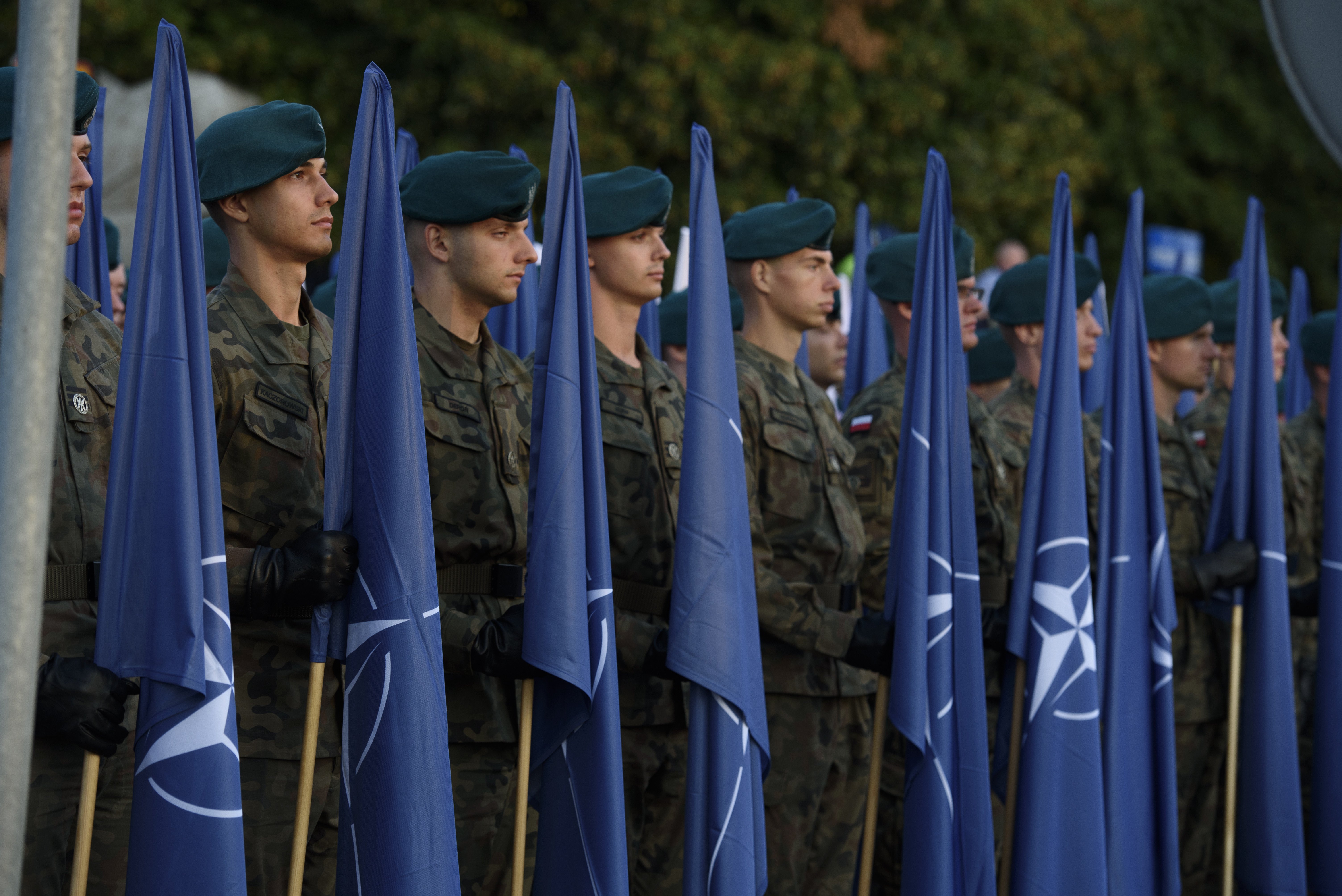
The Commander of the Swedish Armed Forces has suggested that Russia could use the temporary occupation of an island in the northern Baltic as a possible means of escalating tensions in the region, according to The Baltic Sentinel on January 19.
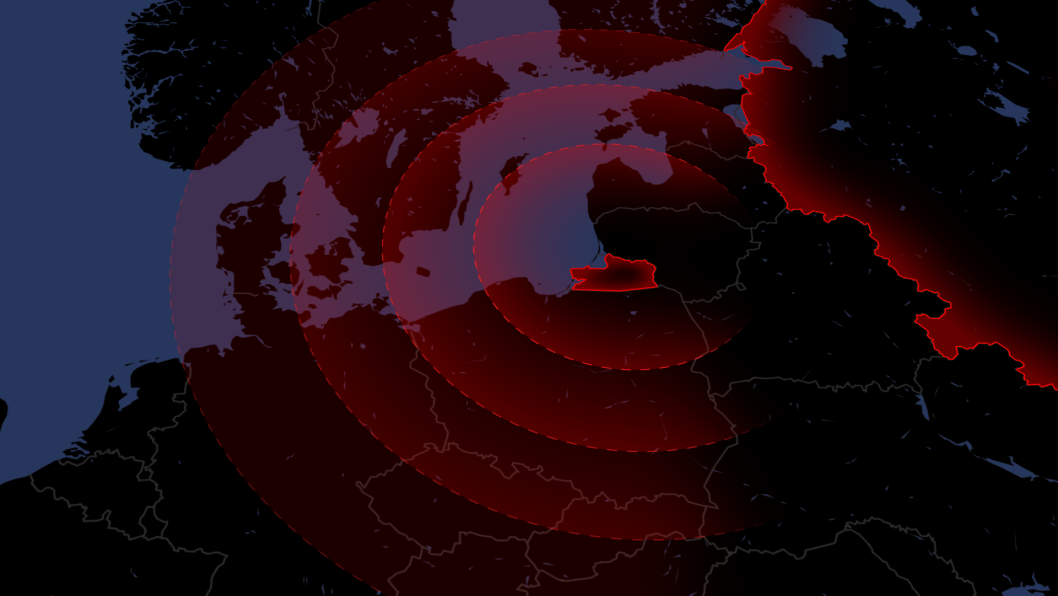
Speaking at the Swedish Security Conference in Sälen, Michael Claesson, the Commander of the Swedish Armed Forces, presented a hypothetical scenario where Russian forces could occupy an island in the Northern Archipelago for a short time.
We bring you stories from the ground. Your support keeps our team in the field.
The commander suggested that the rationale behind such a move could involve political messaging, such as framing the action as necessary for safeguarding maritime traffic or ensuring the “freedom of navigation” in the Baltic Sea.
Claesson clarified that this scenario was purely speculative, not a direct warning of an impending threat, The Baltic Sentinel reported. He emphasized that the objective of such an operation would likely be less about maintaining territorial control and more focused on testing NATO’s response, particularly its ability to act swiftly and collectively under Article 5, the mutual defense clause of the alliance.
Highlighting the potential risks of “gray-zone” or hybrid tactics, Claesson warned that adversaries may exploit uncertainty, legal ambiguity, and political hesitation, rather than seeking a full-scale war that they expect to lose. He noted that if NATO were to fail in responding decisively to a limited incursion, it could send a signal to both individual member states and the alliance as a whole that NATO lacks the capacity or unity to take action.
Claesson further stated that while a direct war between Russia and NATO remains unlikely, as Russia understands it would face defeat in a conventional military confrontation, the more probable course of action is gradual escalation through hybrid tactics. These tactics are designed to stay below the threshold of open warfare while still achieving strategic effects, as reported by The Baltic Sentinel.
He explained that a temporary occupation of a small area, such as an island in the Baltic region, would align with this strategy. Such an action could serve as a “symbolic demonstration of force,” followed by a period of waiting to observe NATO’s response, according to The Baltic Sentinel.
At the same time, NATO is gearing up for the Steadfast Dart-2026 military drills, which will test the rapid deployment and movement of the Alliance's Reaction Forces. The primary operations will be conducted in Germany, Turkey, Italy, and Spain.
According to Germany's Bundeswehr, the exercises are scheduled to take place from January to March 2026, with approximately 10,000 troops from Italy, Greece, Germany, the Czech Republic, Spain, Lithuania, Bulgaria, and Turkey participating, alongside additional support from France, Belgium, and the United Kingdom.
Earlier, it was reported that civilian vessels and aircraft in the Baltic Sea increasingly turned to older, non-satellite navigation systems due to growing interference, which Swedish and Finnish authorities attribute to Russia.
Discuss this article:


-6b3c58bbcf8c8f2f38775f349181b1ab.jpg "Recruits, supervised by instructors, cover a distance on Day Zero of Basic Military Training at the 118th Separate Mechanised Brigade of the Ukrainian Armed Forces on April 5, 2026. (Source: Getty Images)")