- Category
- Latest news
What Is the GIUK Gap—and Why It Matters for the UK as Russia Pushes Into the Arctic
 Prefer U24 Media on Google
- Authors


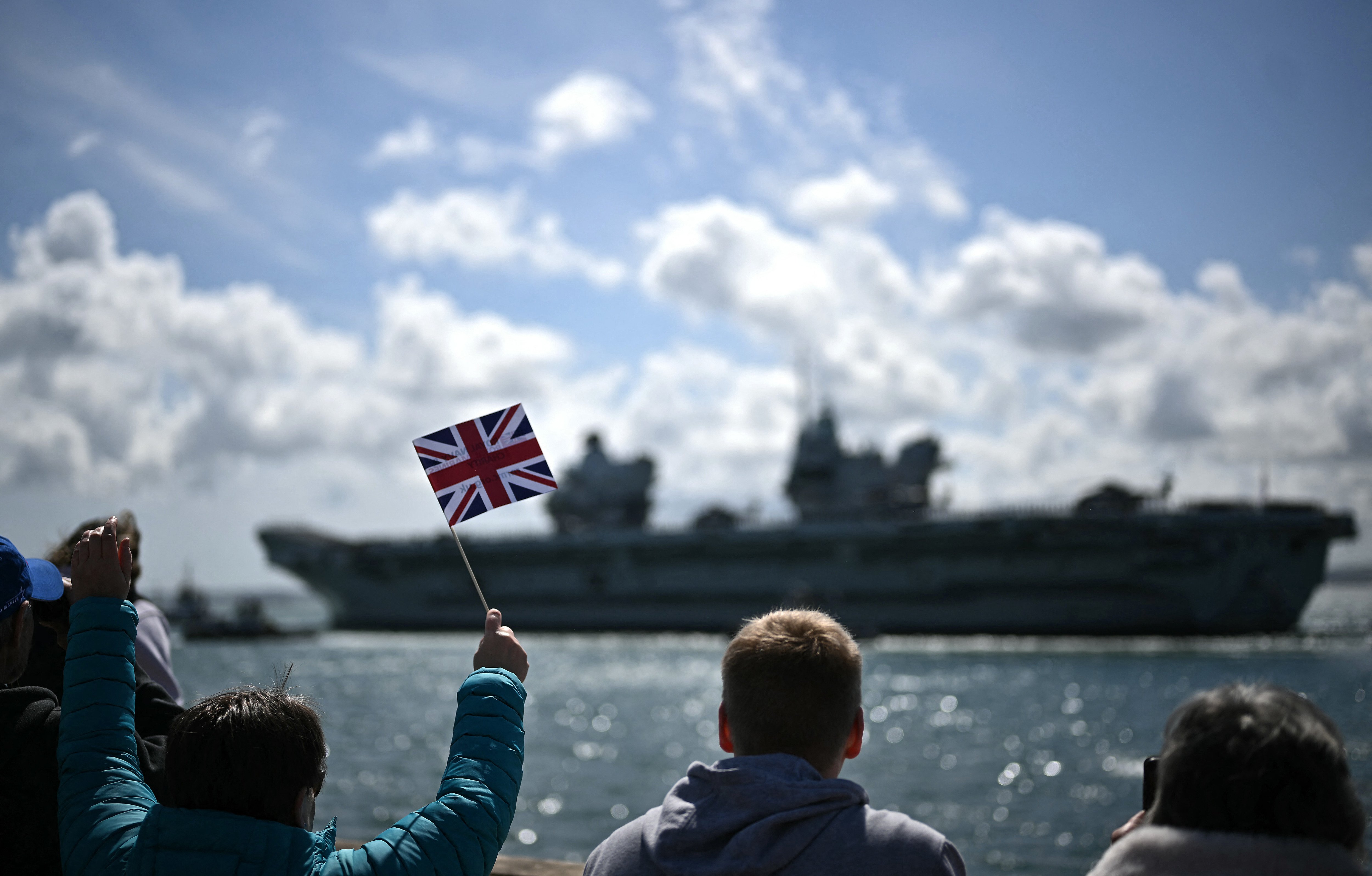
The United Kingdom would need to expand its maritime forces to two or even three times their current size to effectively counter Russia’s growing naval activity in the North Atlantic, a former Royal Navy submarine commander has warned.
Ryan Ramsey, who spent more than 23 years serving in the Royal Navy, said chronic underinvestment has left Britain struggling to secure the Greenland–Iceland–UK Gap, or GIUK Gap—a strategically vital maritime corridor linking Russian naval forces to the wider Atlantic. He made the remarks in an interview with BFBS Forces News published on January 26.
We bring you stories from the ground. Your support keeps our team in the field.
The GIUK Gap, long a focal point of Cold War naval strategy, has regained prominence as Russia increases submarine patrols and surveillance activity in northern waters. Ramsey warned that the balance has shifted as Moscow steadily expanded its fleet while Britain failed to keep pace.
“Defending the Atlantic bastion is exceptionally difficult and there’s a massive gap, and the Russians know that and they exploit it continuously as we’re seeing with how they’re operating,” Ramsey said.
With U.S. forces seizing the Russian-flagged & Iranian-linked vessel Marinera (Bella 1) north of the Scottish coast, it’s worth mentioning the importance of the GIUK gap.
— Visegrád 24 (@visegrad24) January 7, 2026
The Greenland-Iceland-United Kingdom Gap is the “defense wall” against Russian & Chinese submarines pic.twitter.com/MtWyBHPC9h
He described Britain’s current predicament as the result of decades of underinvestment.
“It’s chronic underinvestment by successive governments in defence over not the last five, 10, 15 years – but the last 20, 25 – and that’s the price of peace, interestingly,” he said.
“People get comfortable with peace, and they go ‘why are we spending money on defence? ’
“But if you look through history, those that prepare for war generally have really good peace – and we haven’t done that particularly – so there is a price, and the Russians are exploiting that.”
Ramsey pointed to Russia’s sustained focus on undersea warfare since the mid-2000s, including the introduction of modern attack submarines such as the Yasen and Kilo classes.
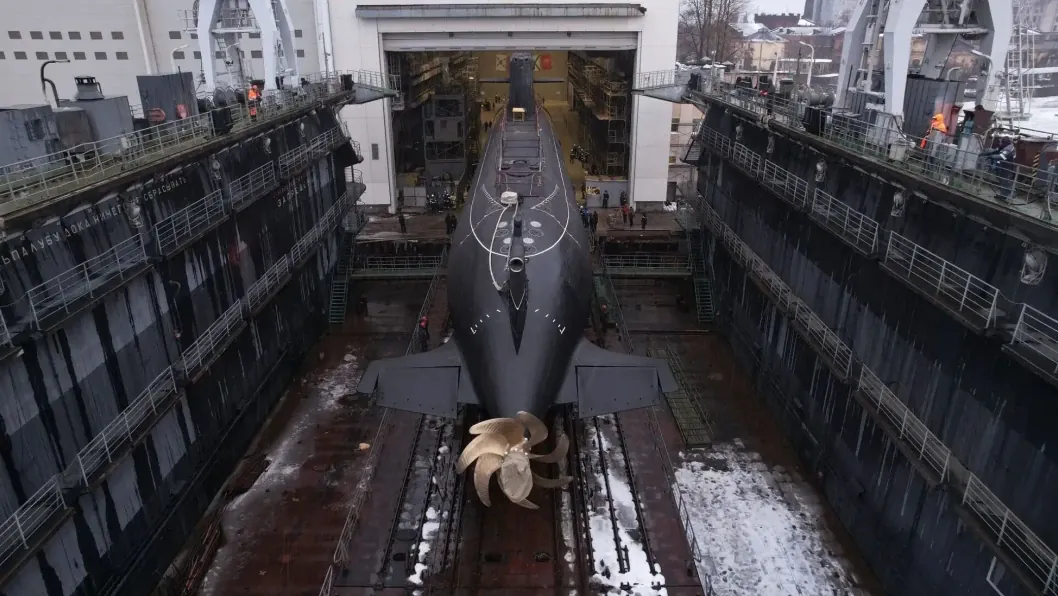
According to him, Moscow has commissioned more than 30 submarines during that period, steadily increasing both production tempo and operational activity.
“All the Russians have done since 2005 onwards is invest in more and more submarines, increasing the pace of build, increasing the pace of operations, increasing their operational tempo, and we haven’t been able to match that,” he said.
According to Forces News, he argued that Britain is now reaching a critical moment, made worse by the slow production rate of its most advanced submarines.
“And now it’s come to this crux point when finally we realise that there’s a real problem we need to deal with it, and then how are we going to do that because the pace of build for an Astute class is ridiculously slow.”
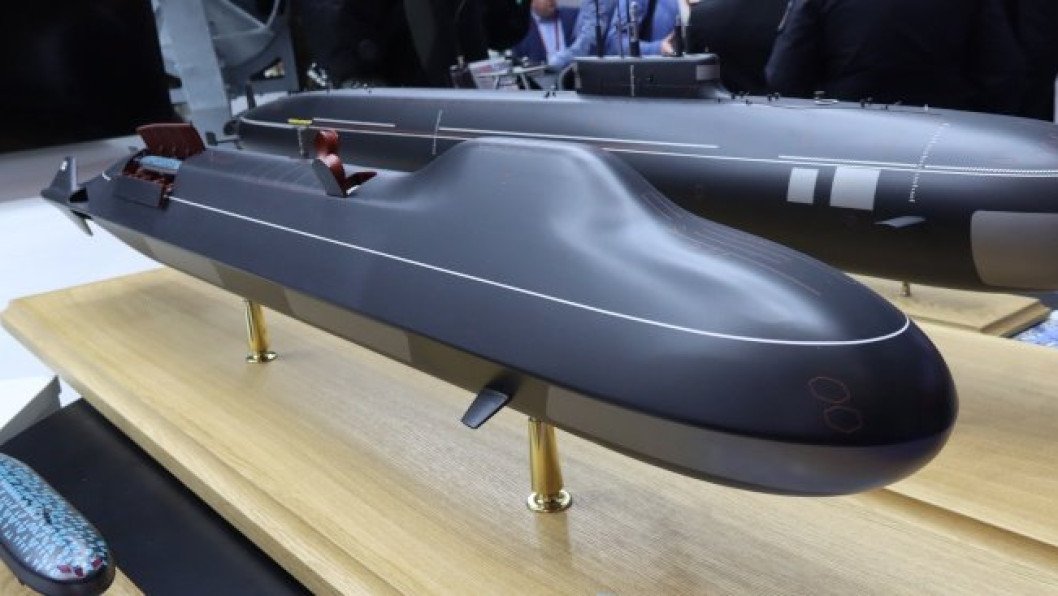
To compensate, Ramsey said the UK must rethink how it builds maritime power, including wider use of unmanned systems.
“I think you’re talking about an increase in maritime capability of two to three times what we have right now,” he said.
Ramsey stressed that headline fleet numbers often mask deeper readiness problems.
“Asset availability is the key thing with this. If you say you have seven Astutes, but three are in maintenance, one might be at sea, one’s under training, that doesn’t leave many left,” he said.
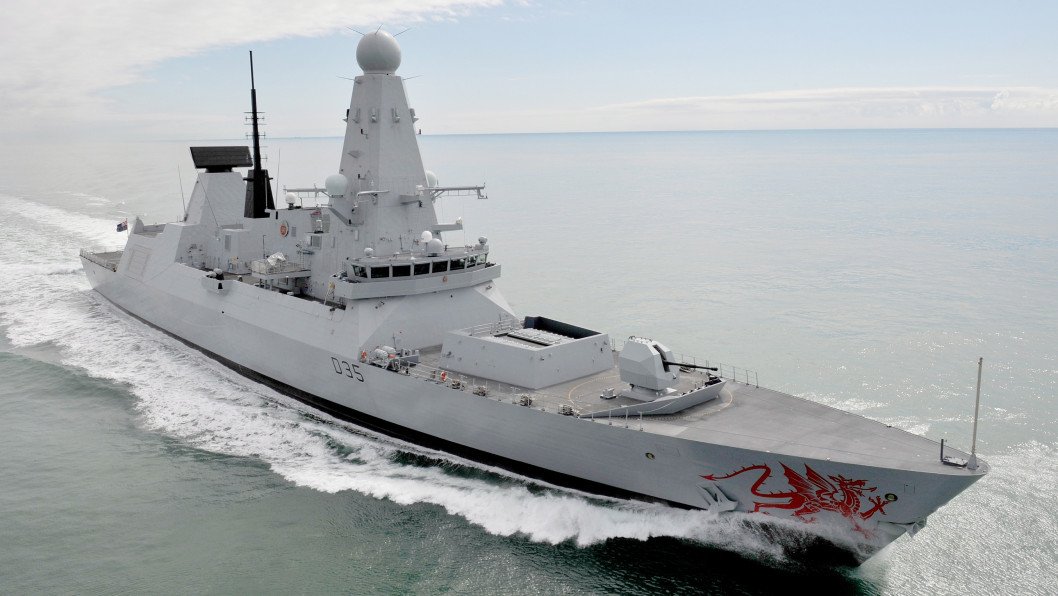
He added that surface forces face similar limitations, with a shrinking number of frigates equipped with towed-array sonar — a critical tool for detecting submarines — and destroyers lacking comparable capabilities.
“If it was for me, I’d be turning around and saying we had two, three times the amount of maritime patrol aircraft that we’ve ordered,” Ramsey said.
“We’d have three to four times the amount of submarines that we have — and I’m not saying about having very expensive Astute-class submarines, but some other submarines that can do anti-submarine warfare with loads of drones that are available.
“And then of course, towed-array frigates, you’d need more of those.”
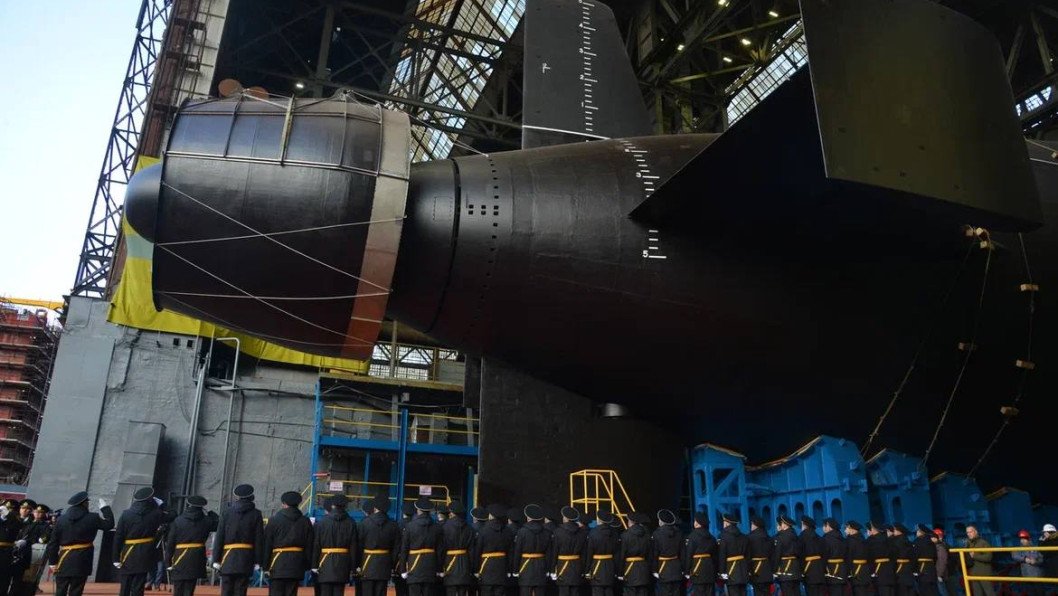
Forces News added that beyond military maneuvering, Ramsey warned that the GIUK Gap is critical to Britain’s economic security. Major undersea communications cables pass through the region, carrying the vast majority of the country’s data traffic.
“This is not about the deterrence getting detected, because they’re not going to go around attacking the deterrent whilst we’re not in a war state,” he said.
“But what they can do without any effect whatsoever is attack our critical national infrastructure.”
“Ninety-nine per cent of all of our communications come through cables across the sea as opposed to by satellite. You cut that – you chop our economy – and it creates disaster.”
-95fba37a134e492693263f1aa201dd39.jpg)
He said Russian surveillance activity near undersea infrastructure has grown more assertive in recent years, Forces News wrote.
“They’ve been doing it for years and years, but now they’re increasing their capability, and they’re coming closer … closer to the UK, and they’re becoming more belligerent about the way they do it,” Ramsey said.
“They don’t see that there’s any opposition that goes with this and they can do what they want, and we need to get control of that to make sure that we protect ourselves.
“So if I was in government, I would genuinely be worried about this.”
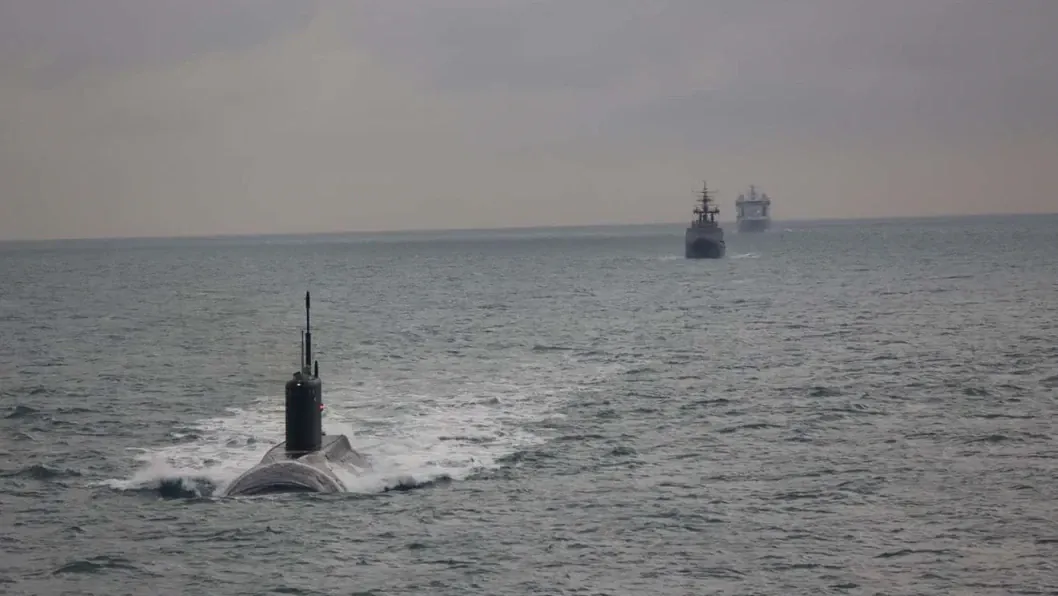
Previously, it became known that Russia spent more than a decade secretly building an undersea surveillance network in the Arctic using advanced Western technology purchased through shell companies in Europe and Asia.
In response, the Royal Navy quietly entered a new phase of undersea warfare, deploying autonomous gliders capable of patrolling the depths for months at a time in response to a surge of Russian submarine activity near UK waters.
Earlier, reports emerged that Britain was set to deploy a new multi-layered underwater surveillance and anti-submarine warfare network known as Atlantic Bastion, a programme described as a major step in reshaping how the Royal Navy secures the seabed and critical infrastructure.
Discuss this article:
-9bd5e1532102621f8fb1c4ba871a3171.png)


-c439b7bd9030ecf9d5a4287dc361ba31.jpg "Photo of Katherina Popilnichenko")


