- Category
- Latest news
Russia Confirms Work on a Fifth-Generation Nuclear Submarine—A New Undersea Arms Race Begins
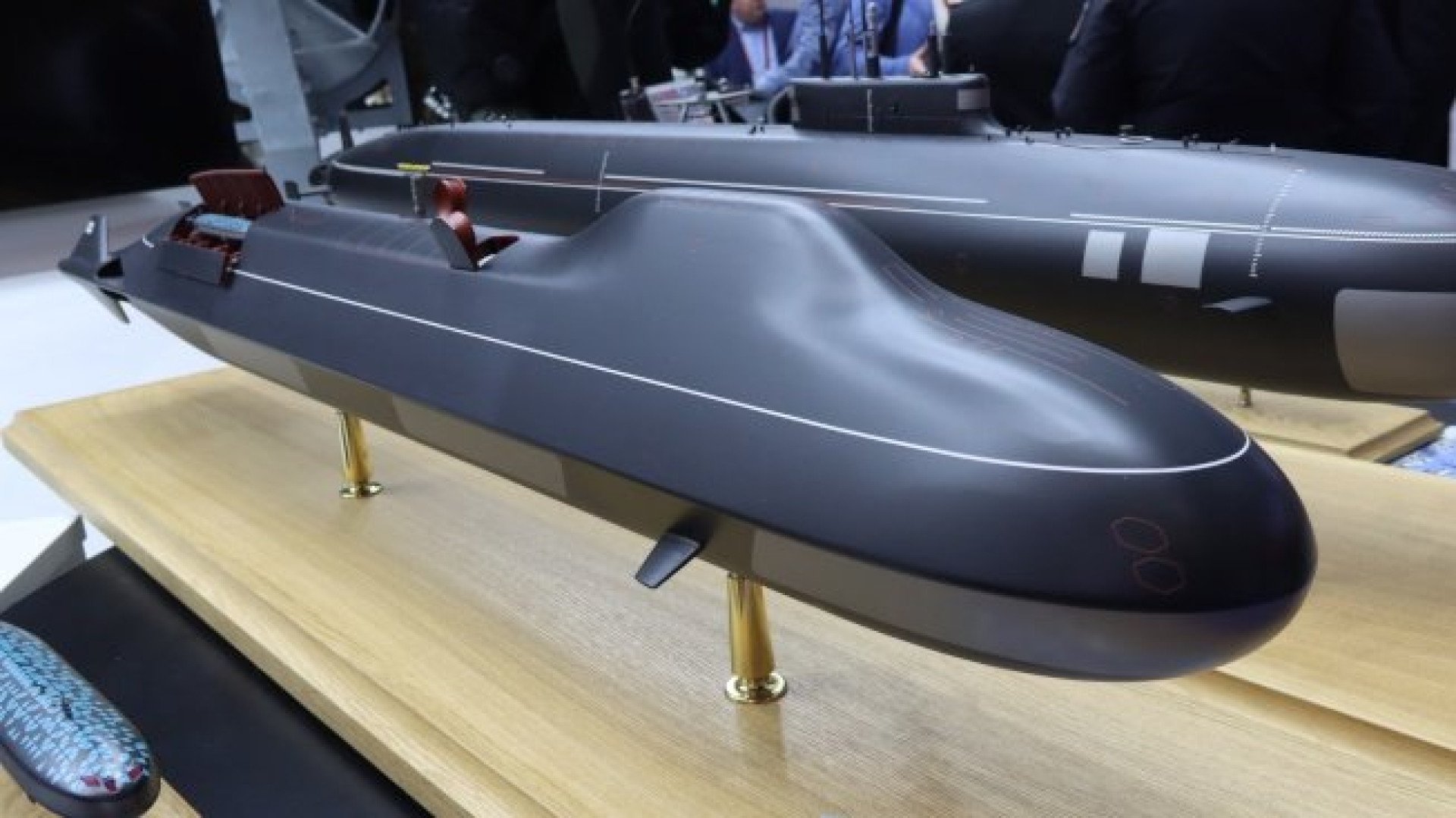
As the US Navy advances its Columbia-class submarines and Britain fields the Dreadnought program, Russia has confirmed it is developing a fifth-generation nuclear ballistic missile submarine—setting the stage for a new chapter in undersea strategic competition.
 Prefer U24 Media on Google
- Authors




Russia has officially confirmed that it is developing a fifth-generation strategic nuclear submarine, a move that underscores Moscow’s long-term focus on preserving the credibility of its sea-based nuclear deterrent despite sanctions, industrial pressure, and accelerating NATO naval modernization, according to Army Recognition on December 23.
We bring you stories from the ground. Your support keeps our team in the field.
The confirmation came from Nikolai Patrushev, chairman of Russia’s Naval Board and a presidential aide, during remarks marking the 125th anniversary of the Rubin Central Design Bureau for Marine Engineering.
According to Patrushev, Rubin engineers are actively engaged in the design of a next-generation nuclear-powered ballistic missile submarine (SSBN), placing the project firmly beyond conceptual speculation and into an early development phase.
Beyond Borei: what fifth-generation means
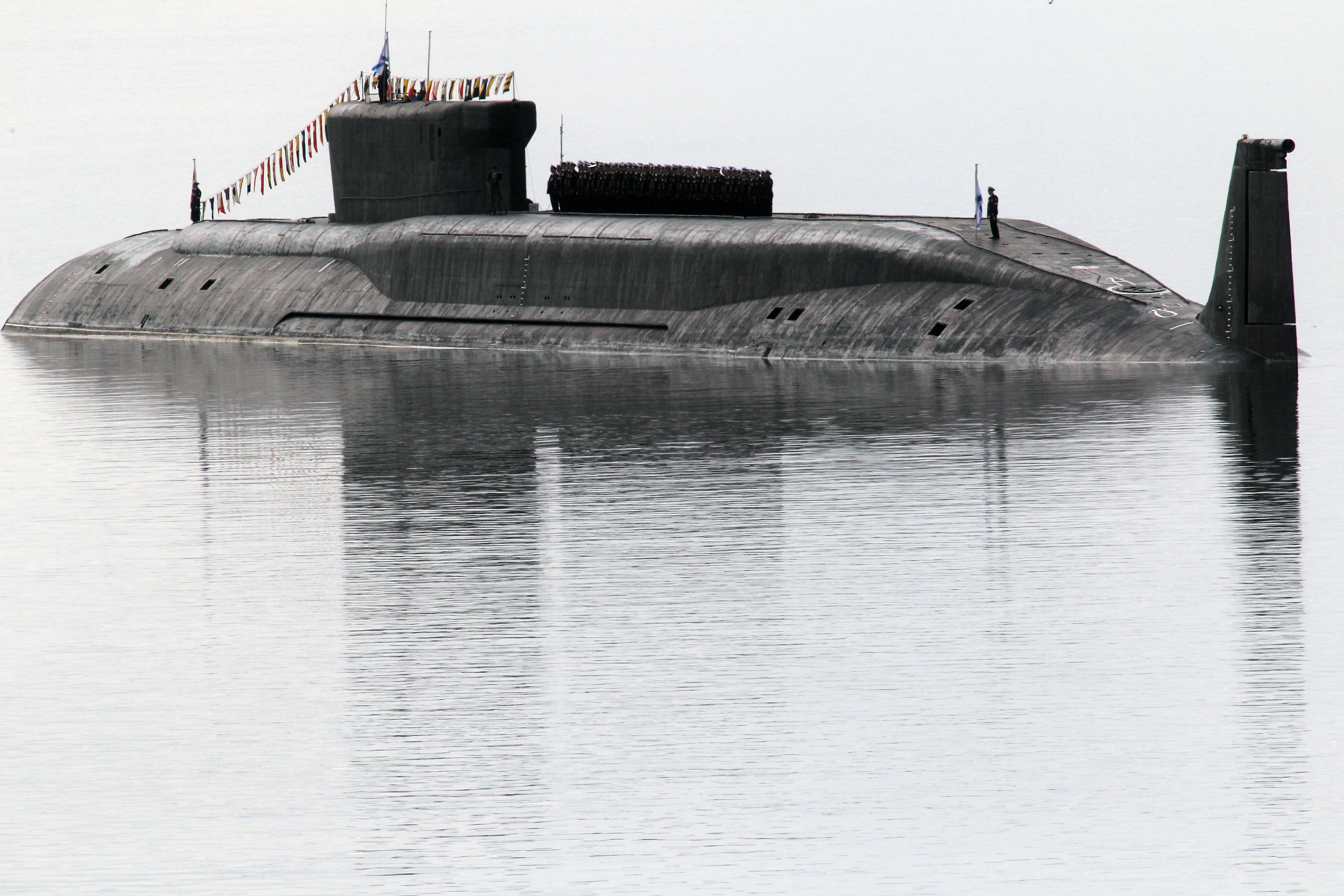
Russia’s current sea-based nuclear deterrent rests primarily on the Project 955 and 955A Borei-class submarines—fourth-generation SSBNs armed with Bulava submarine-launched ballistic missiles. The fifth-generation platform is expected to represent a significant qualitative leap.
Western defense analysts cited by Army Recognition assess that the new class is likely to feature:
highly reduced acoustic signatures;
higher levels of automation enabling smaller crews;
extended underwater endurance;
deep integration with future network-centric warfare systems;
compatibility with advanced underwater weapons and autonomous systems.
Patrushev added that the program also encompasses autonomous underwater vehicles and advanced undersea weapons “with no global analogues,” echoing earlier remarks by a Russian leader who has publicly alluded to tests of novel strategic underwater systems.
Russian Navy Project 955 Borei-class nuclear-powered ballistic missile submarine Yury Dolgorukiy (K-535) in Severodvinsk - December 24, 2023 #yurydogorukiy #k535
— WarshipCam (@WarshipCam) December 24, 2023
SRC: TW-@Saturnax1 / @fotoflota / Oleg Kuleshov pic.twitter.com/KzAaIZhvKb
Response to the US Navy’s Columbia class
Defense observers in the West view Russia’s announcement as a direct response to the US Navy’s Columbia-class submarine program, which has already entered early production and is intended to replace the aging Ohio-class fleet.
Exciting times for the future District of Columbia (SSBN 826), the first of it's class!
— Naval Reactors (@USNavyNNPP) December 1, 2025
Constructed by Newport News Shipbuilding, the brow has arrived at Electric Boat for Assembly. BZ to the shipbuilders for their expertise and dedication in advancing submarine technology! pic.twitter.com/UW7RVe6LKR
For Moscow, maintaining parity—or at least survivability—in the underwater leg of the nuclear triad is critical. Patrushev’s emphasis on “technological sovereignty” highlights Russia’s intent to shield key defense programs from Western export controls while continuing to invest in high-end naval capabilities.
Analysts referenced by Army Recognition suggest the new submarine could feature hybrid launch options, combining strategic ballistic missiles with non-nuclear payloads such as autonomous systems for intelligence, surveillance, reconnaissance, electronic warfare, or anti-submarine missions.
🚨╚» Happy 8-26 «╝🚨
— 🇺🇸𝗢𝗹𝗱 𝗦𝘂𝗯𝗺𝗮𝗿𝗶𝗻𝗲𝗿⚓️ (@USN_Submariner) August 26, 2024
Columbia-class ballistic missile submarine USS District of Columbia (SSBN 826) to be delivered in 2027, first strategic deterrent patrol in 2031
★The largest submarine ever built by the US‼️#USNavy #SilentService #Boomers pic.twitter.com/50FmOy3LdB
Rubin’s legacy and the road ahead
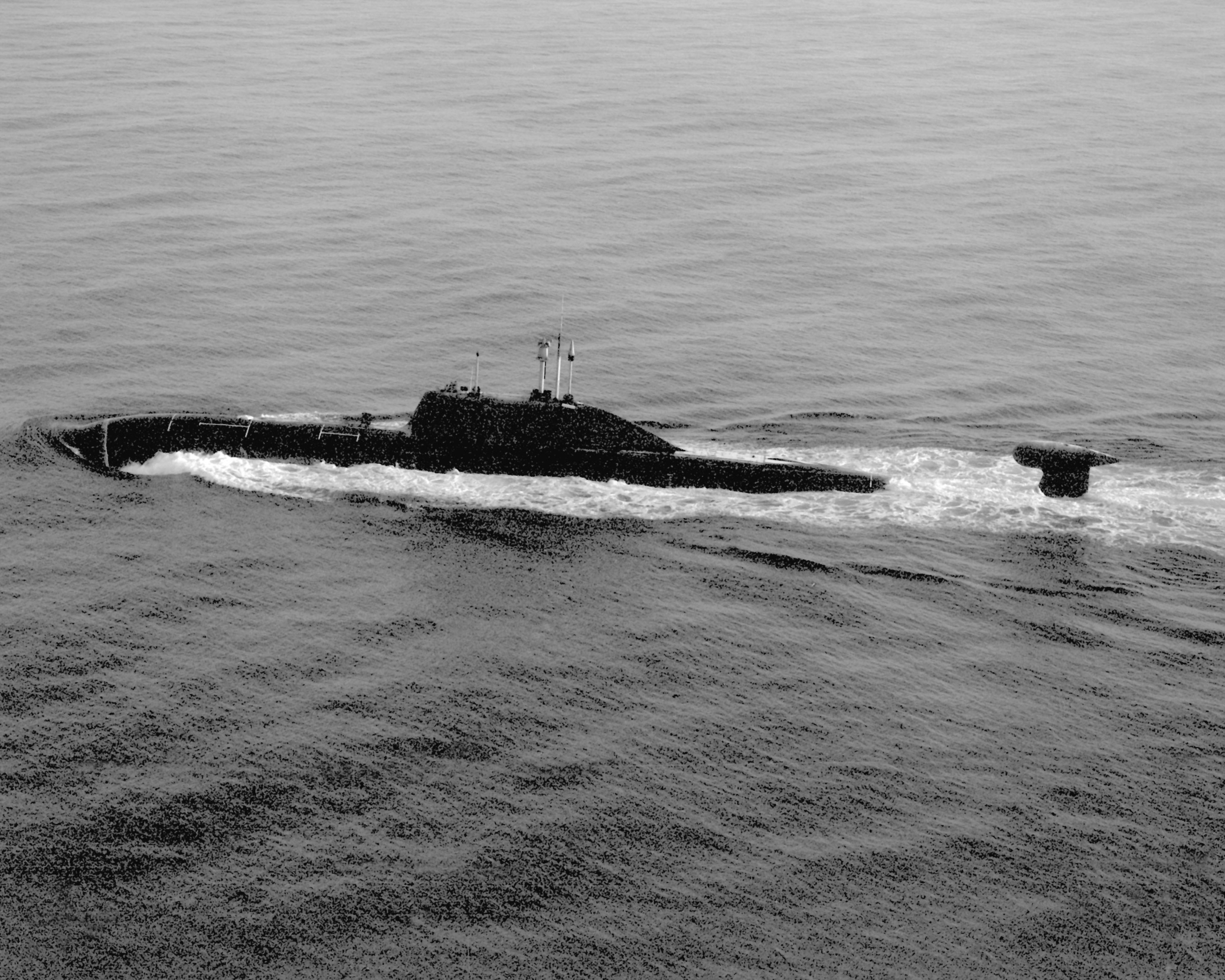
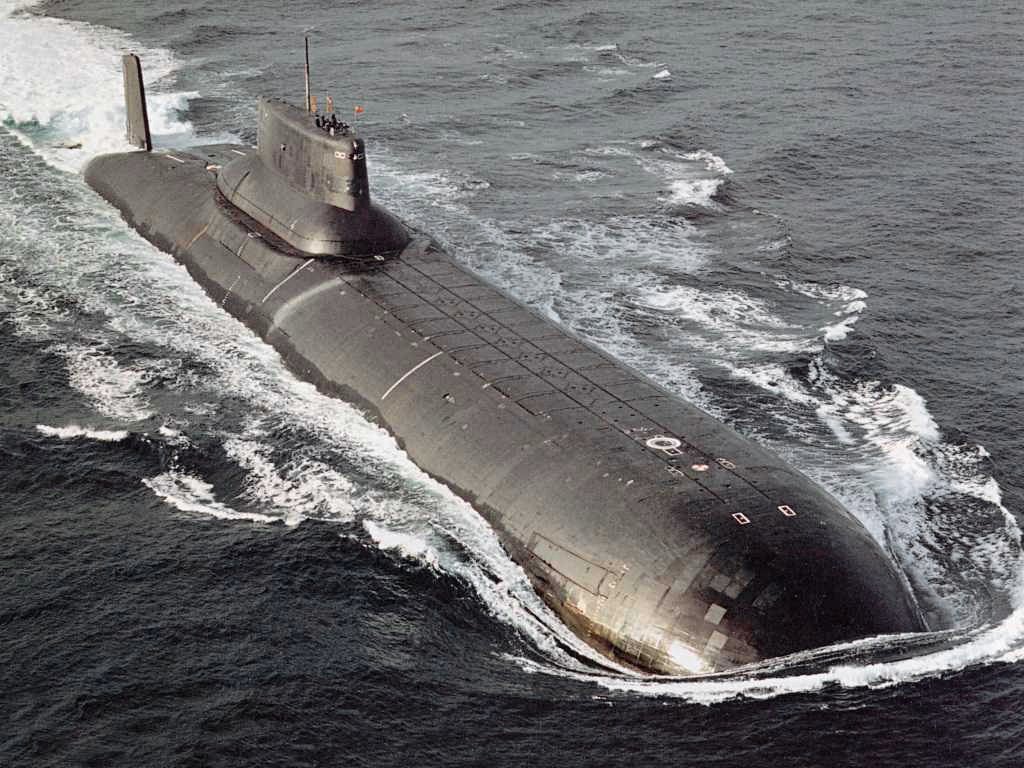
Founded in 1900 and based in St. Petersburg, the Rubin Design Bureau has been responsible for many of the Soviet Union’s and Russia’s most iconic submarines, including the Typhoon-class, Akula-class, and Borei-class boats. That pedigree gives weight to Moscow’s ambitions, even as timelines and specifications remain classified.
The fifth-generation effort is reportedly being pursued under a classified interagency program involving Russia’s Ministry of Defense, the United Shipbuilding Corporation, and research institutions in St. Petersburg and Severodvinsk. No firm construction or launch dates have been disclosed.
At the anniversary event, Rubin was awarded the Order of Alexander Nevsky, with senior military and regional officials in attendance—an unmistakable signal of the project’s strategic importance.
Implications for NATO and undersea balance
As strategic flashpoints multiply in the Arctic, North Atlantic, and Pacific, a quieter and more survivable Russian SSBN force would complicate NATO’s undersea surveillance and anti-submarine warfare planning.
Analysts cited by Army Recognition note that renewed attention is likely to focus on chokepoints such as the GIUK gap and Barents Sea approaches.
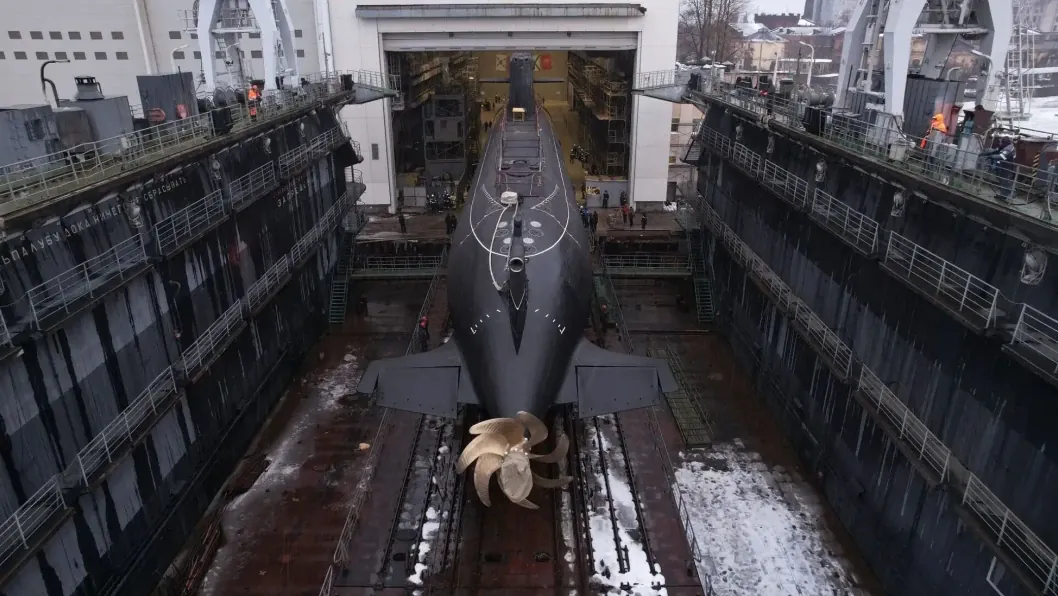
While the exact shape of Russia’s fifth-generation submarine remains opaque, the confirmation alone marks a clear inflection point.
Even under sanctions and wartime strain, Moscow is signaling that undersea nuclear deterrence remains a top priority—and that the next phase of strategic competition may be decided far below the surface.
Earlier, British forces conducted a three-day operation to track a Russian Kilo-class submarine as it transited some of Europe’s most sensitive waters, underscoring what London describes as a sharp rise in Russian naval activity near the UK.
Discuss this article:
-9bd5e1532102621f8fb1c4ba871a3171.png)


-c439b7bd9030ecf9d5a4287dc361ba31.jpg "Photo of Katherina Popilnichenko")