- Category
- Latest news
Ukraine Just Did the Unthinkable to a Russian Sub—And There’s Likely No Fix
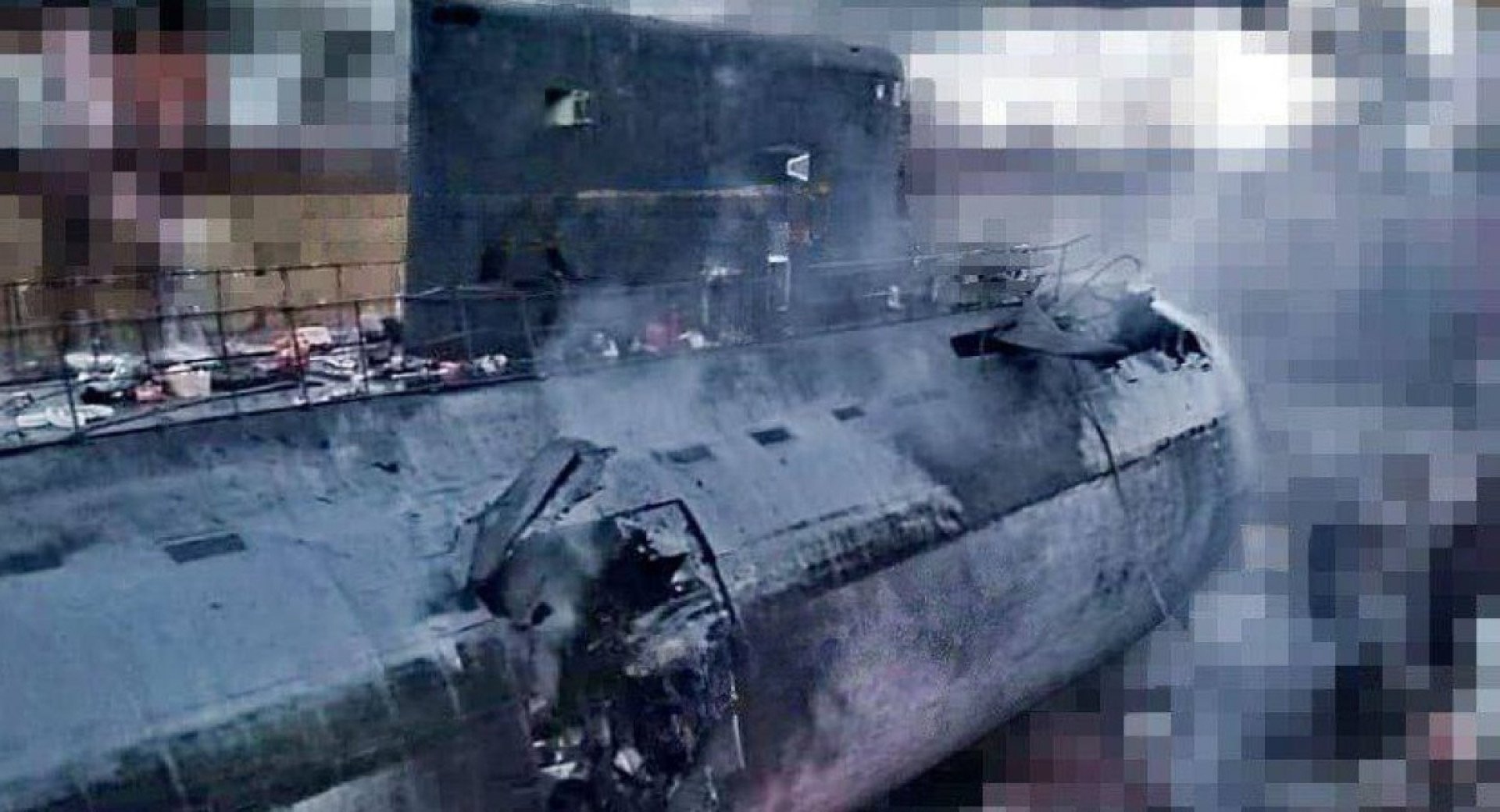
A Ukrainian underwater drone struck and critically disabled a Russian Project 636.3 Kilo-class submarine inside the Novorossiysk naval base. Ukrainian analysts say the strike effectively removes the submarine from service due to Russia’s inability to repair submarines in the Black Sea, while blast fragments from the explosion may have also damaged a second submarine moored nearby.
 Prefer U24 Media on Google
- Authors




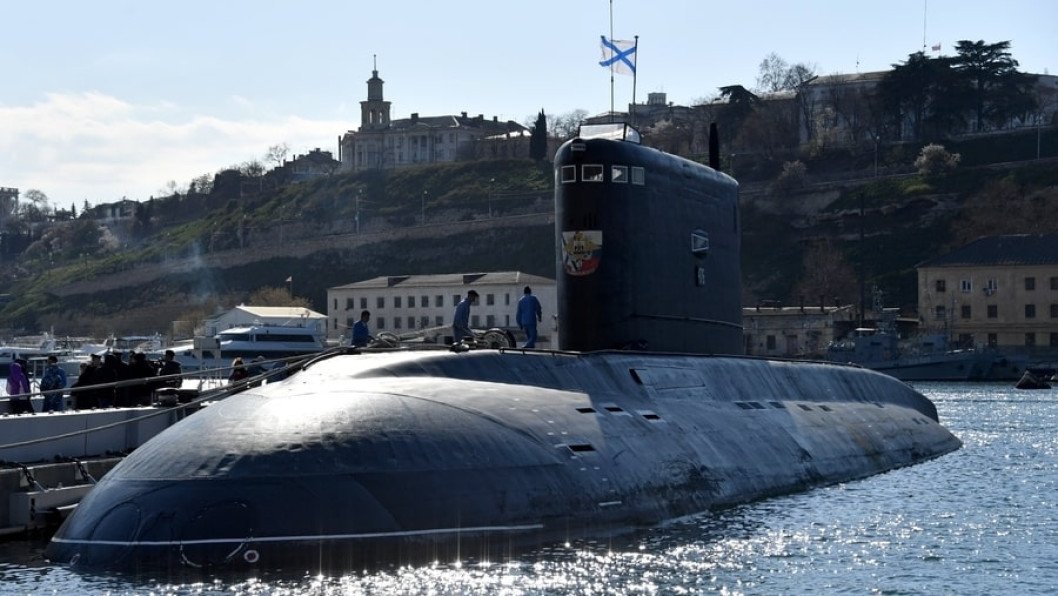
A Ukrainian underwater drone has carried out what appears to be the first successful drone attack on a submarine in history, crippling a Russian Project 636.3 “Varshavyanka”-class boat inside the naval base at Novorossiysk, according to SBU on December 15.
We bring you stories from the ground. Your support keeps our team in the field.
According to Defense Express, the submarine sustained “critical damage and was effectively taken out of service,” marking a major escalation in Kyiv’s campaign to neutralize Russian naval power in the Black Sea.
A first-of-its-kind underwater kill
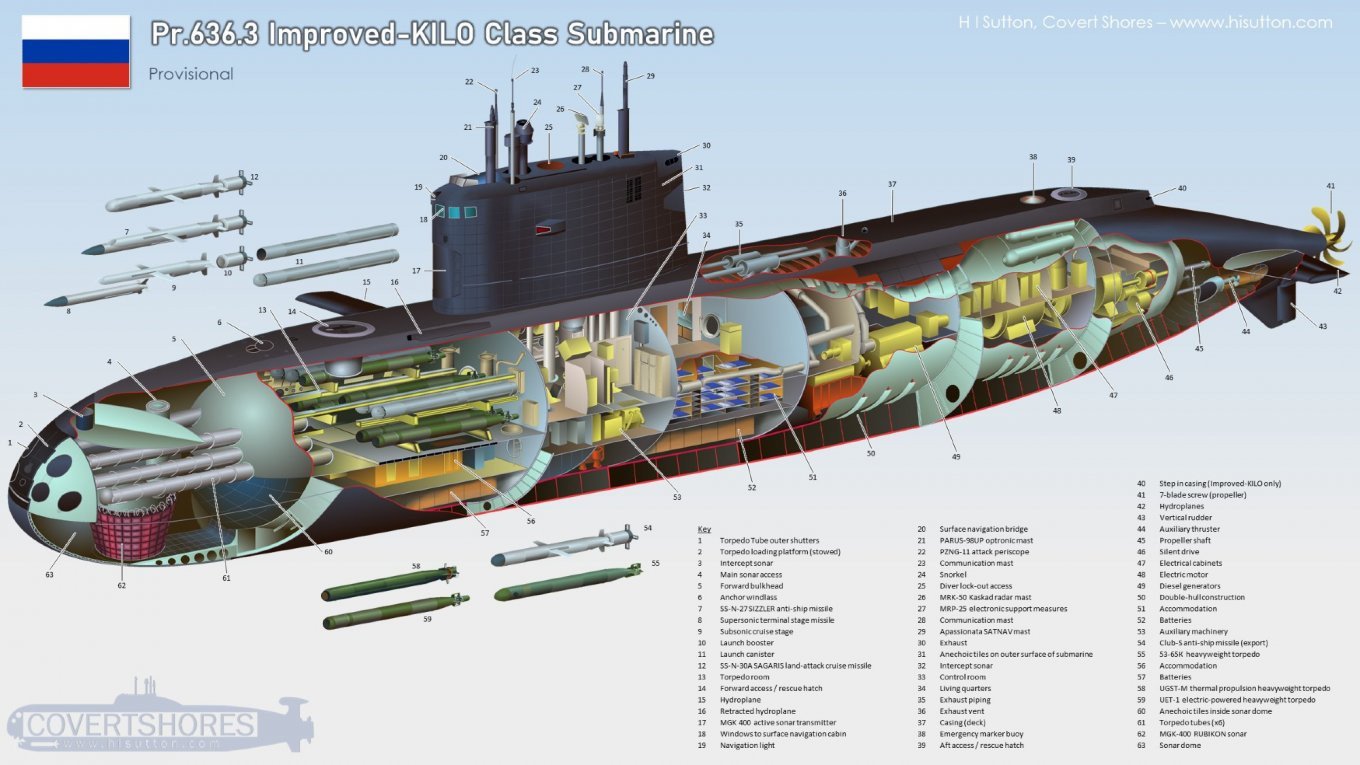
Video released by Ukrainian sources shows an underwater explosion near the submarine’s stern. The blast appears to have struck the propulsion section, likely damaging the propellers, shaft line, and steering mechanisms—failures that would render the submarine immobile and require extensive repairs.
If confirmed, the operation would represent the first recorded case of an underwater drone successfully attacking a submerged submarine, and doing so inside a protected naval harbor, Defense Express stated.
How the drone reached heavily defended naval base
One of the most striking aspects of the operation remains unanswered: how the Ukrainian drone penetrated Novorossiysk’s layered harbor defenses.
Defense Express notes that naval bases of this type are typically protected by surface barriers, underwater nets, and anti-diver systems designed specifically to stop sub-surface threats. Russian officials were already aware that Ukraine possessed underwater drones—yet the defenses failed.
Ukraine reportedly attacked Russia's Novorossiysk Port with undersea kamikaze drones, claiming to have hit a submarine (Russian Navy denied, says the attack failed)
— MenchOsint (@MenchOsint) December 15, 2025
It happened as US Navy P-8A Poseidon was just a few miles off the coast of Novorossiysk. https://t.co/SH4EGWzAbW pic.twitter.com/CyLBAKx6l8
The successful penetration suggests either a significant gap in base security or a major leap in Ukrainian underwater drone capabilities.
Half of Russia’s Black Sea Kilo-class now disabled
At the start of Russia’s full-scale invasion on February 24, 2022, four Project 636.3 submarines operated in the Black Sea:
B-237 Rostov-on-Don;
B-265 Krasnodar;
B-268 Veliky Novgorod;
B-271 Kolpino.
The Rostov-on-Don was struck twice—first in September 2023 and again in August 2024, after which it was reported to have “sunk at its mooring.”

Defense Express stated that with the latest Novorossiysk strike, up to 50% of Russia’s Black Sea Varshavyanka fleet is now assessed as non-operational, leaving at most two combat-ready boats—and one fewer Kalibr cruise missile carrier.
Why “damaged” likely means “lost”
While the submarine may not have sunk, Defense Express analysts argue the damage is effectively irreversible under current conditions.
Russia lacks the ability to conduct complex submarine repairs in the Black Sea. The only facilities capable of such work are located in occupied Sevastopol—itself under constant Ukrainian threat—and historically, even major repairs were outsourced to shipyards in the Baltic Sea.
That option is now blocked. Under the Montreux Convention, Russian warships cannot transit the Bosphorus during wartime.
Alternative routes via Russia’s inland river and canal network are technically possible, but the Varshavyanka’s six-meter draft exceeds the system’s depth limits, making such a transfer impractical without extreme measures. Notably, Russia never attempted this with the Rostov-on-Don.
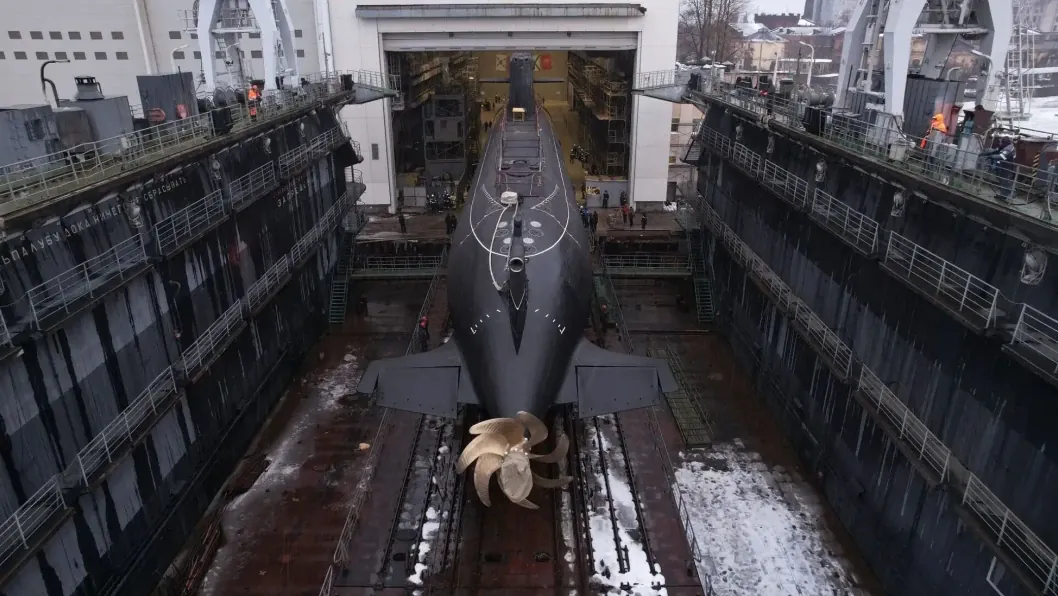
The result, Defense Express analysts say, is an irreversible loss for the duration of the war.
Collateral damage may extend further
The Crimean Wind partisan movement reported that shrapnel from the explosion may have struck a second Varshavyanka-class submarine moored nearby.
OSINT analysis shows the blast occurred adjacent to the propulsion system. At around 22 seconds into the video, fuel ignition is visible, and by the 27-second mark, debris can be seen falling onto the stern of another submarine.
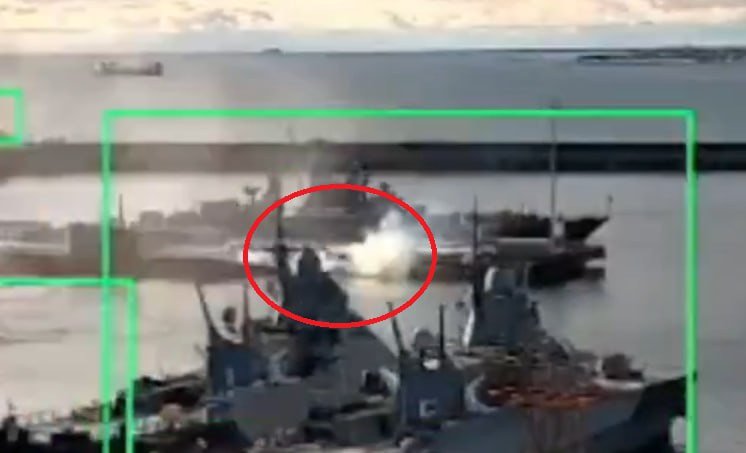
In addition, Russian sources, cited by the Crimean Wind, stated that 14 Russian sailors were killed in the strike, with 9 of them being conscripts and one a Navy officer.
Earlier, five elite Russian naval divers were killed in Novorossiysk Bay after attempting to examine a Ukrainian sea drone that detonated during recovery efforts.
Discuss this article:





-c439b7bd9030ecf9d5a4287dc361ba31.jpg "Photo of Katherina Popilnichenko")