- Category
- War in Ukraine
Ukraine Hits Russian Submarine With Underwater Drone “Sub Sea Baby” in Historic First
 Prefer U24 Media on Google
- Authors

-29a1a43aba23f9bb779a1ac8b98d2121.jpeg "Photo of Illia Kabachynskyi")
After a successful joint operation by Ukraine’s Security Service (SBU) and the Ukrainian Navy, Russia’s Black Sea Fleet has lost another submarine—the second since the start of the full-scale invasion. The strike is not only about a half-billion-dollar loss, but also about a direct reduction in Russia’s offensive capability: the submarine was a carrier of Kalibr cruise missiles used in strikes against Ukraine.
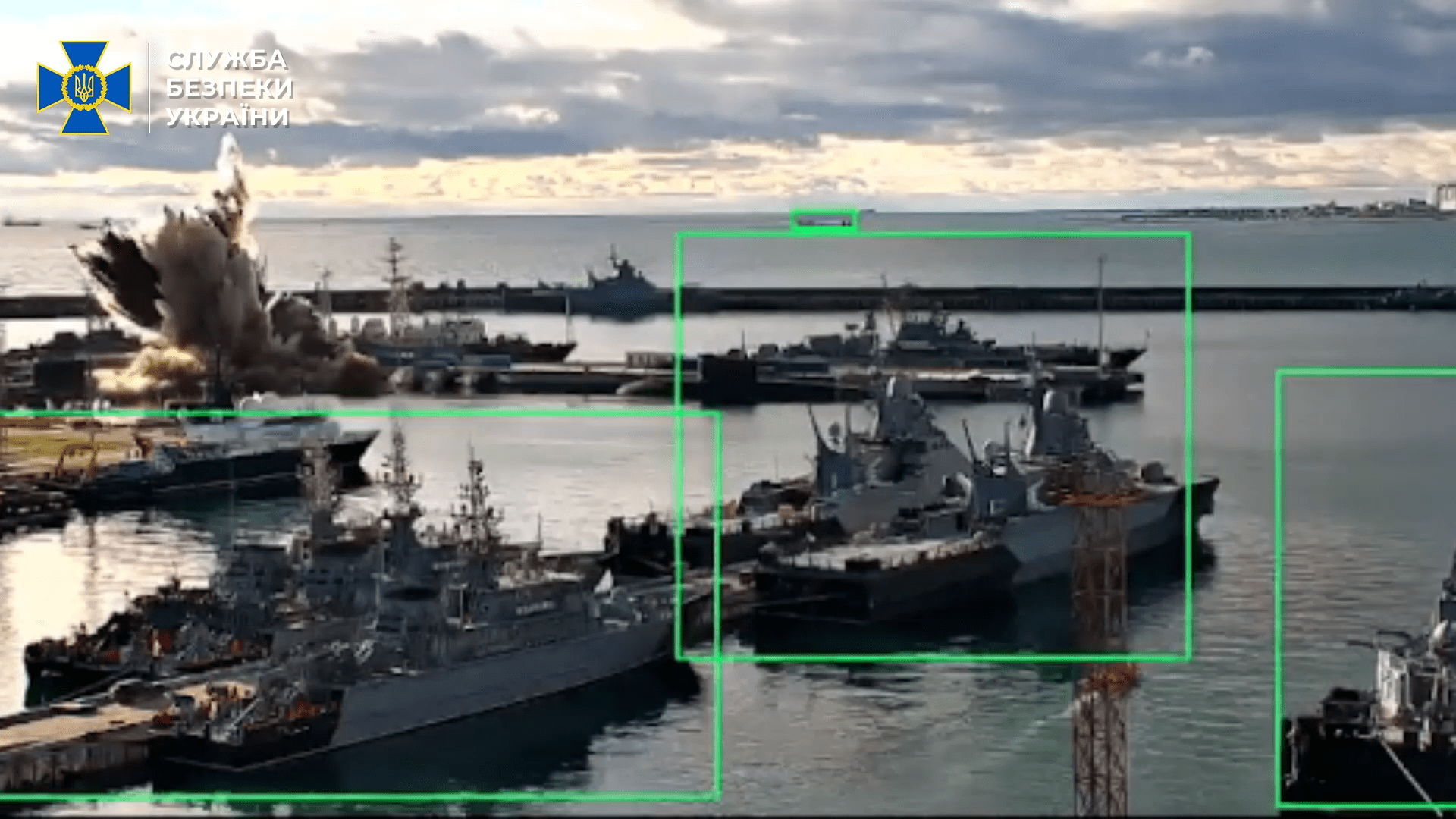
On the evening of December 15, the SBU announced that, together with the Ukrainian Navy, it had carried out a unique operation: for the first time in history, an underwater drone—Sub Sea Baby—struck a Russian submarine.
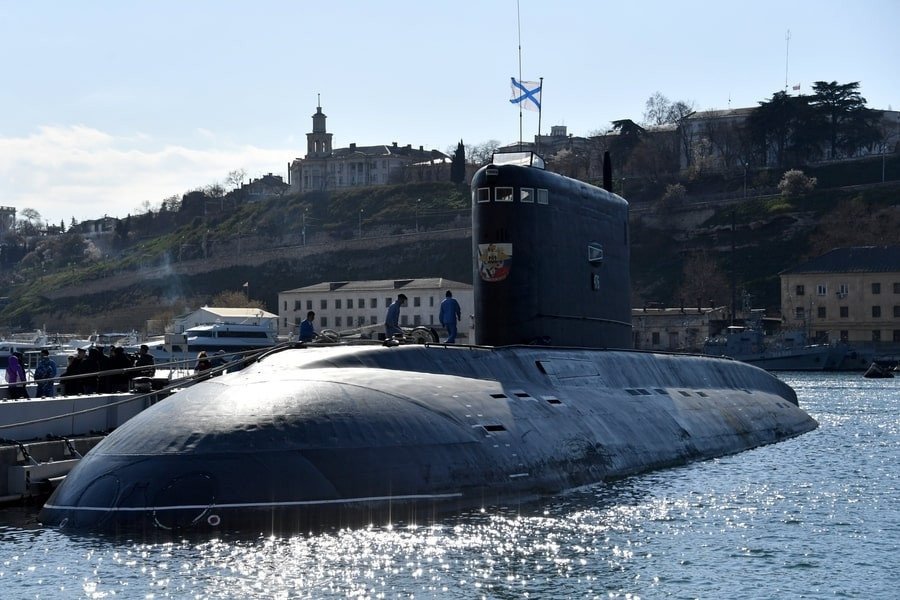
The operation is unprecedented not only because of the weapon used, but also because the drone managed to bypass defensive barriers. The submarine was hit inside a Russian harbor in the port of Novorossiysk, a heavily protected naval base.
Footage released by the SBU shows the drone striking the stern section, where key control systems are located. Whether the submarine can be restored remains unclear.
Repair options are limited: Russia’s primary submarine repair facilities are located in Sevastopol, a site with a poor track record. Ukrainian missiles previously struck the shipyard there, destroying another submarine, Rostov-on-Don.
Which submarine was hit?
At this stage, it is not publicly known which specific submarine was disabled. Among Russia’s remaining Kalibr-capable submarines in the Black Sea are:
B-265 Krasnodar
B-268 Veliky Novgorod
B-271 Kolpino
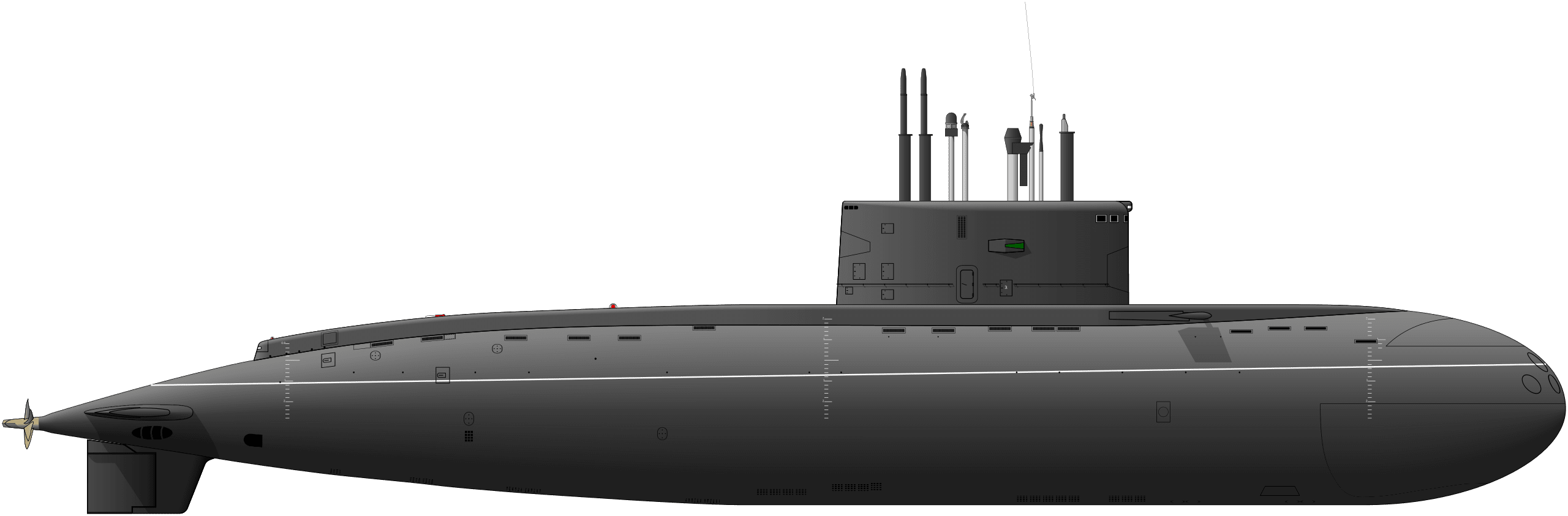
A submarine of this class typically carries a crew of 52, has an autonomy of up to 45 days, a maximum diving depth of 300 meters, and a top speed of around 20 knots. These are diesel-electric, multi-purpose submarines, designed to hunt other submarines, engage surface targets, defend naval bases, and patrol coastal waters.
We bring you stories from the ground. Your support keeps our team in the field.
The vessels belong to the Project 636 “Varshavyanka” class. Originally developed in the 1970s for export to Warsaw Pact countries such as Poland, Romania, and Bulgaria, the submarines were later sold worldwide after the collapse of the Soviet Union, including to China. Under NATO classification, they are known as Kilo-class submarines.
The class is also nicknamed the “Black Hole” due to its low acoustic signature and ability to absorb sound, making it difficult to detect by sonar.
The cost of such a submarine ranges from $400 million to $500 million, according to the SBU, with the higher estimate reflecting current sanctions and supply constraints. How long repairs would take—or whether repairs are even feasible—remains unknown.
Russia still has one additional submarine in the Black Sea, the Project 877 “Paltus” B-871 Alrosa, but it is not equipped to carry Kalibr missiles.
What is Sub Sea Baby?
Little is publicly known about Sub Sea Baby. Ukrainian authorities have not disclosed technical details. Ukraine has previously unveiled underwater drones such as the TLK 1000, TLK 400, and TLK 150, but it remains unclear whether Sub Sea Baby is related to those platforms or represents an entirely new system.
What is clear is its operational reach. The drone successfully struck a Russian warship in Novorossiysk, where Moscow had relocated part of its fleet after repeated Ukrainian strikes forced ships out of Crimea. While the port lacks the infrastructure of Crimean naval bases, it was considered Russia’s last major safe harbor in the Black Sea — until now.
Strategic consequences
For Russia, the strike marks yet another loss for the Black Sea Fleet. Due to the Montreux Convention, Moscow cannot redeploy warships or submarines from other fleets into the Black Sea during wartime. Transferring vessels via the Volga-Baltic Waterway is also not a viable option: the route is shallow and unsuitable for many large military ships.
Russia has already lost dozens of vessels and two submarines in the Black Sea. This has occurred despite Ukraine lacking a traditional navy capable of engaging Russia ship-to-ship. Instead, Kyiv has relied on domestically produced Neptune missiles, Western-supplied Storm Shadow / SCALP cruise missiles, and a growing fleet of surface and underwater drones.
Russia is losing the naval war to a country that is not fighting it with conventional warships.
Once again, Ukraine has demonstrated — to Russia and to the world — its capacity for technological innovation in warfare. An underwater drone has never before destroyed a submarine, let alone inside a heavily defended naval harbor.
Discuss this article:
-9bd5e1532102621f8fb1c4ba871a3171.png)


-c439b7bd9030ecf9d5a4287dc361ba31.jpg "Photo of Katherina Popilnichenko")