- Category
- Latest news
After Forcing Lada Into Service, Russia Commits to Two More “Silent” Submarines
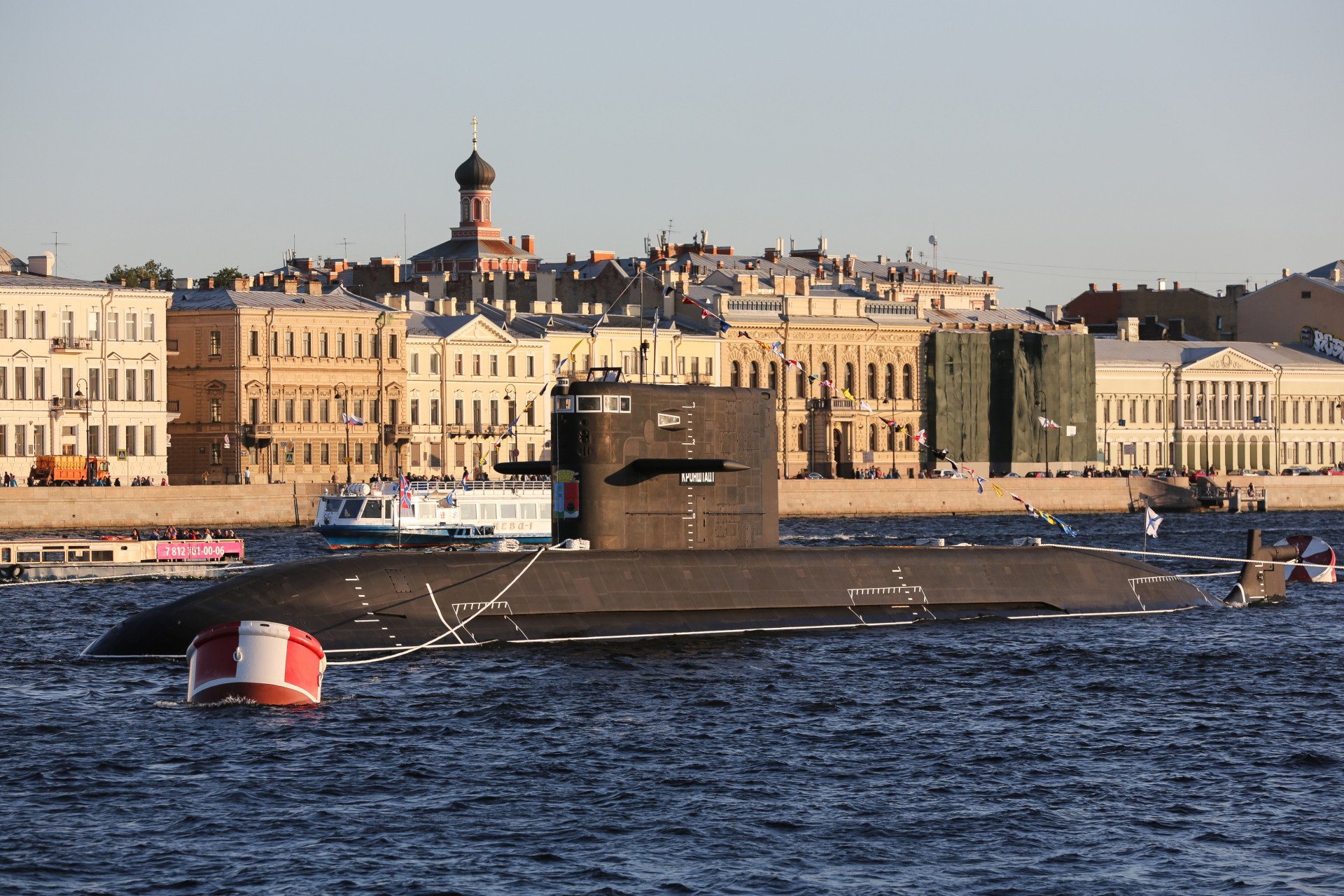
Russia plans to lay down two additional Project 677M Lada-class diesel-electric submarines in early 2026, a move that underscores Moscow’s continued push to modernize its non-nuclear submarine force despite years of technical setbacks.
 Prefer U24 Media on Google
- Authors




Russian Navy Commander-in-Chief Admiral Alexander Moiseyev confirmed on December 16 that two additional Velikiye Luki–series Project 677M submarines will be laid down at Admiralty Shipyards in St. Petersburg under the state defense order. Moiseyev made the remarks following the flag-raising ceremony for the submarine Velikiye Luki, according to Army Recognition on December 16.
We bring you stories from the ground. Your support keeps our team in the field.
The decision reinforces Moscow’s intent to make the Lada class the future backbone of its conventional submarine fleet, particularly for coastal and near-sea operations in regions such as the Baltic and Northern theaters.
Footage from the sea trials of the Project 677 Lada-class SSK B-587 "Velikiye Luki".
— Massimo Frantarelli (@MrFrantarelli) December 16, 2025
🎥USC pic.twitter.com/fZ7J2eTYCE
Program with a difficult history
According to Army Recognition, Velikiye Luki is the third Project 677 submarine to enter service and the second serially produced vessel of the class. The boat completed an extended cycle of state trials covering propulsion, navigation, combat systems, and acoustic performance before being accepted into the Russian Navy.
The class has had a troubled development path. The prototype Sankt Peterburg was ultimately retired after years of testing due to the high cost and complexity of upgrades, a fact highlighted by Army Recognition as emblematic of the program’s early challenges. Nonetheless, Russia has pressed ahead, with two more submarines—Vologda and Yaroslavl—already under construction.
Design and capabilities
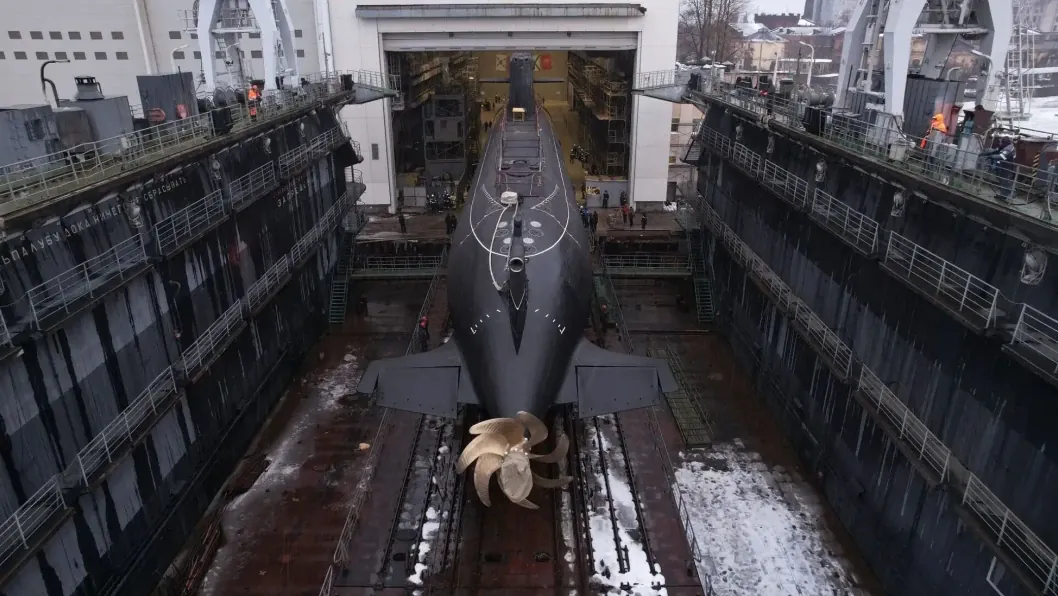
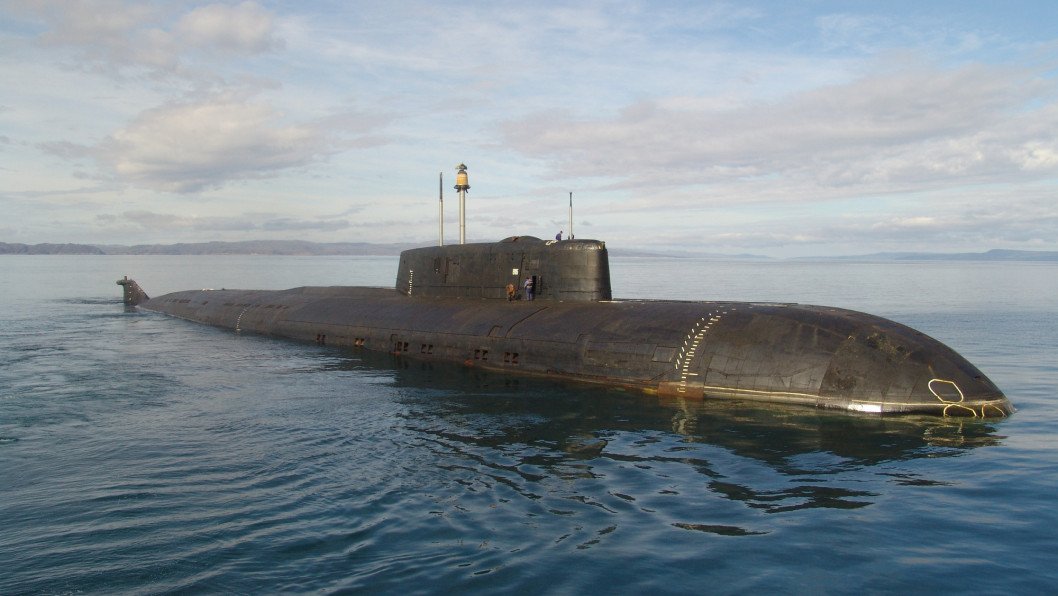
As detailed by Army Recognition, Project 677 Lada is intended as a next-generation successor to the older Project 877/636 Kilo family. Designed by the Rubin Central Design Bureau, the submarine features a smaller displacement, higher automation, and a reduced crew of roughly 35 personnel.
Open-source data cited by Army Recognition indicates a submerged displacement of around 2,700 tons, a maximum submerged speed of approximately 21 knots, and an endurance of up to 45 days. Russian sources also claim improved acoustic stealth through hull design changes, anechoic coatings, and upgraded sonar systems.
🇷🇺#Russian #Navy #Submarines Comparison of Kilo Class sails and Lada Class sails. pic.twitter.com/JbZn0WaVjN
— Capt(N) (@Capt_Navy) February 25, 2025
Kalibr missiles and strike potential
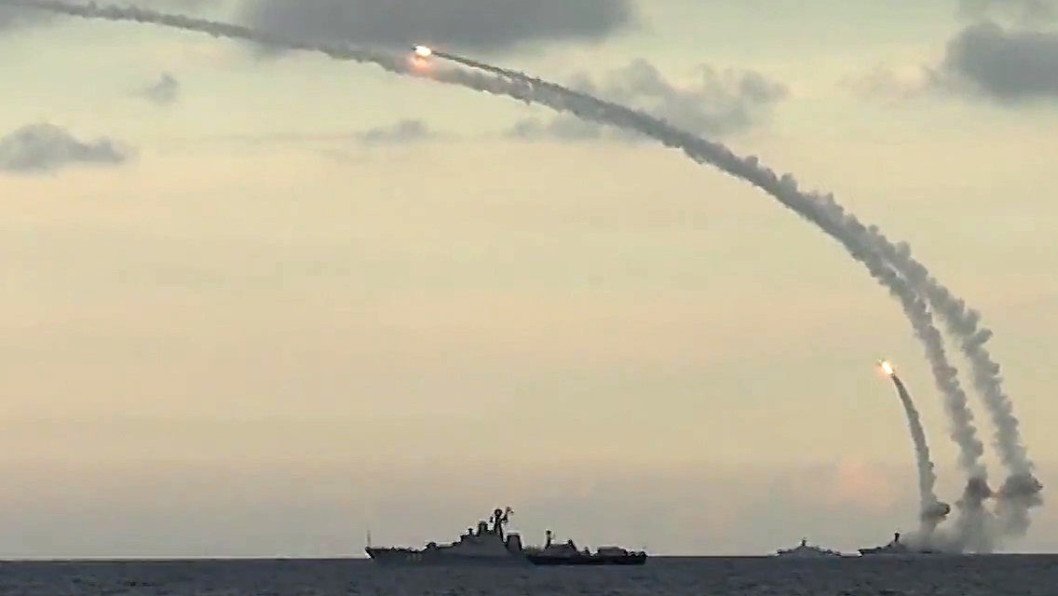
Firepower remains central to the Lada concept. According to Army Recognition, the submarines are equipped with six 533-mm torpedo tubes capable of launching torpedoes, mines, and Kalibr cruise missiles.
The integration of the Kalibr system gives even a relatively compact diesel-electric submarine the ability to conduct long-range precision strikes against maritime and land targets.
Army Recognition notes that this capability significantly expands the operational relevance of the Lada class beyond traditional coastal defense roles.
AIP still an unfulfilled promise
One of the program’s long-standing ambitions has been the integration of an air-independent propulsion (AIP) system to extend submerged endurance. However, as Army Recognition points out, Russia’s AIP solution—based on electrochemical generators—has faced repeated delays.
As a result, operational Lada-class submarines currently rely on conventional diesel-electric propulsion, albeit with improved batteries and energy-management systems. Whether future hulls will finally receive a mature AIP system remains unclear.
Strategic implications
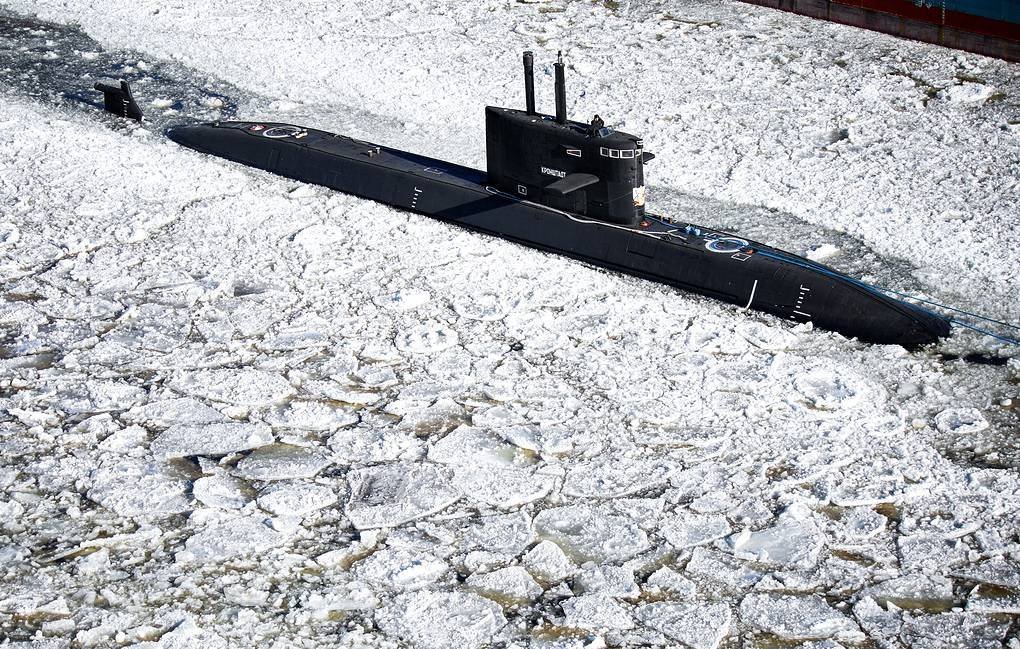
According to Army Recognition, the decision to proceed with two additional submarines signals Russia’s determination to maintain a capable conventional undersea force alongside its nuclear fleet.
In regional terms, additional Lada-class boats armed with Kalibr missiles could enhance Russia’s sea-denial and strike options in confined waters such as the Baltic Sea.
At the same time, Army Recognition notes that continued reliance on incremental improvements—rather than a fully realized next-generation design—suggests Moscow is still working to stabilize a program that began with ambitious goals but uneven execution.
What comes next
The planned keel-laying in early 2026 will test whether Russia can finally turn the Lada class into a reliable, serially produced platform.
As Army Recognition concludes, success would give Moscow a compact but flexible conventional submarine optimized for contested littoral environments; failure would leave the Russian Navy dependent on upgraded Kilo-class boats for the foreseeable future.
For now, the order confirms that Project 677 remains a central pillar of Russia’s non-nuclear undersea strategy.
Earlier, a Ukrainian underwater drone struck and critically disabled a Russian Project 636.3 Kilo-class submarine inside the Novorossiysk naval base.
Discuss this article:



-c439b7bd9030ecf9d5a4287dc361ba31.jpg "Photo of Katherina Popilnichenko")