- Category
- Latest news
Russia Builds Underwater Drone Fleet That Could Target NATO Cables and Pipelines
 Prefer U24 Media on Google
- Authors


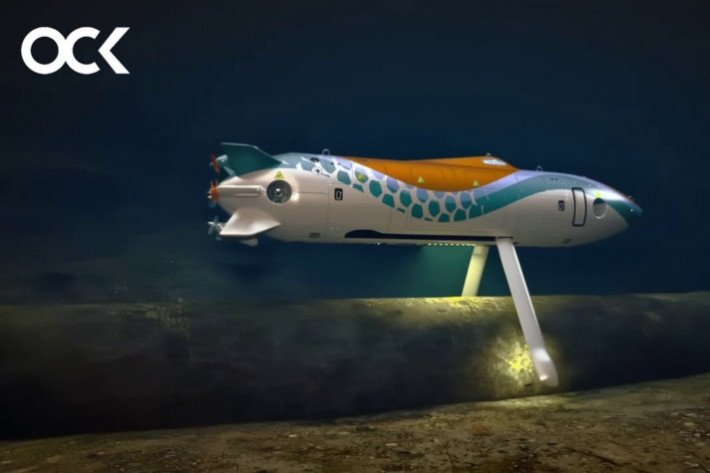
Russia is developing a new ecosystem of large autonomous underwater vehicles (AUVs), officially designated for scientific and civilian purposes, but with potential military applications against subsea infrastructure.
According to Defense Express on January 5, citing OSINT analyst H. I. Sutton, the program may be geared toward targeting underwater cables and pipelines, particularly in the Baltic Sea.
The program is being developed by Russia’s Rubin Design Bureau and includes three key systems: Argus-D, Argus-I, and Octavia.
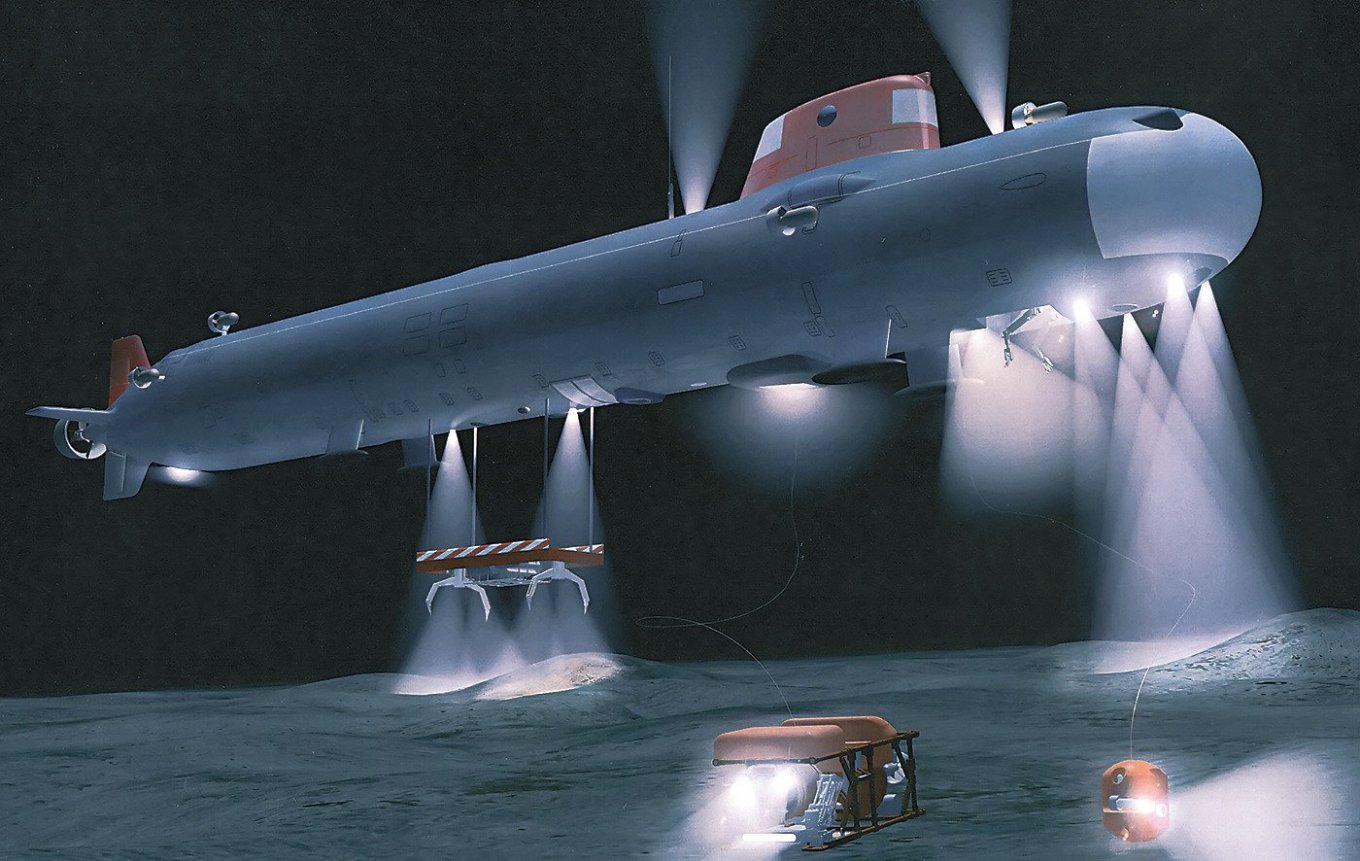
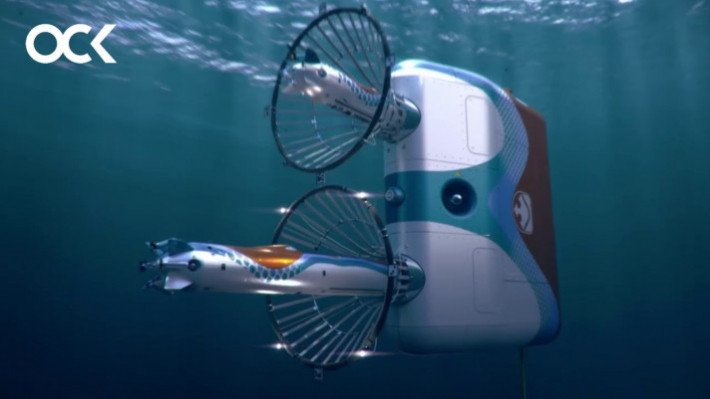
The Octavia unit serves as a seabed docking station, providing energy resupply, data exchange, and mission updates for other drones. It anchors or rests on the seafloor and is capable of supporting extended underwater operations.
The Argus-I (short for “Inspector”) is an inspection-type AUV equipped with sensor arrays mounted on two extendable arms. Its declared purpose is the inspection of pipelines for structural integrity and leaks.
However, Defense Express suggests that its real function may include locating potential targets for sabotage operations.
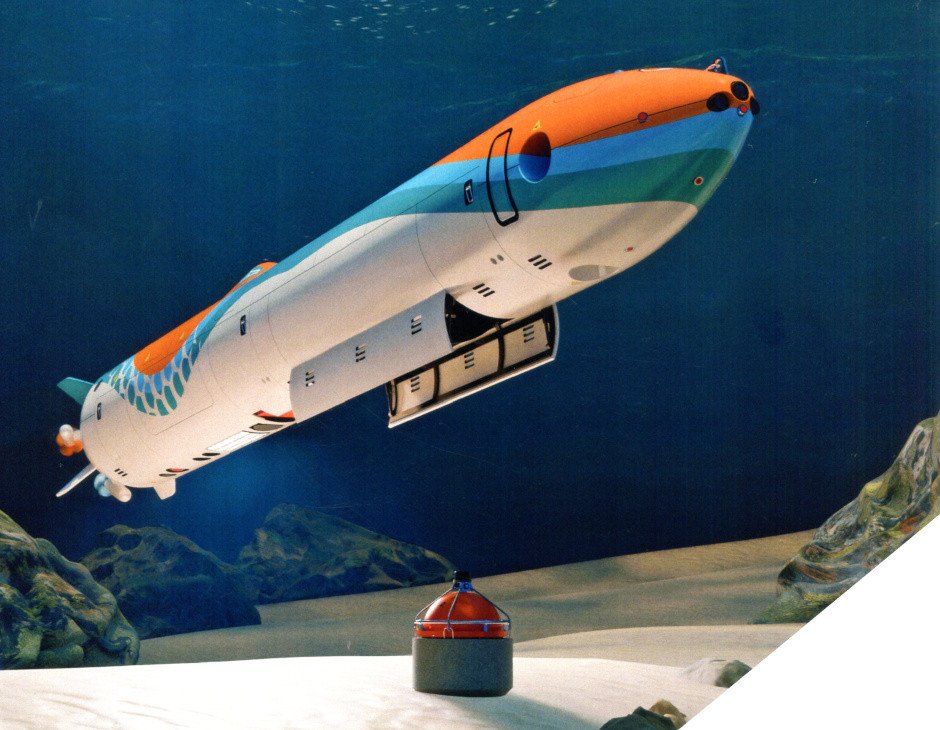
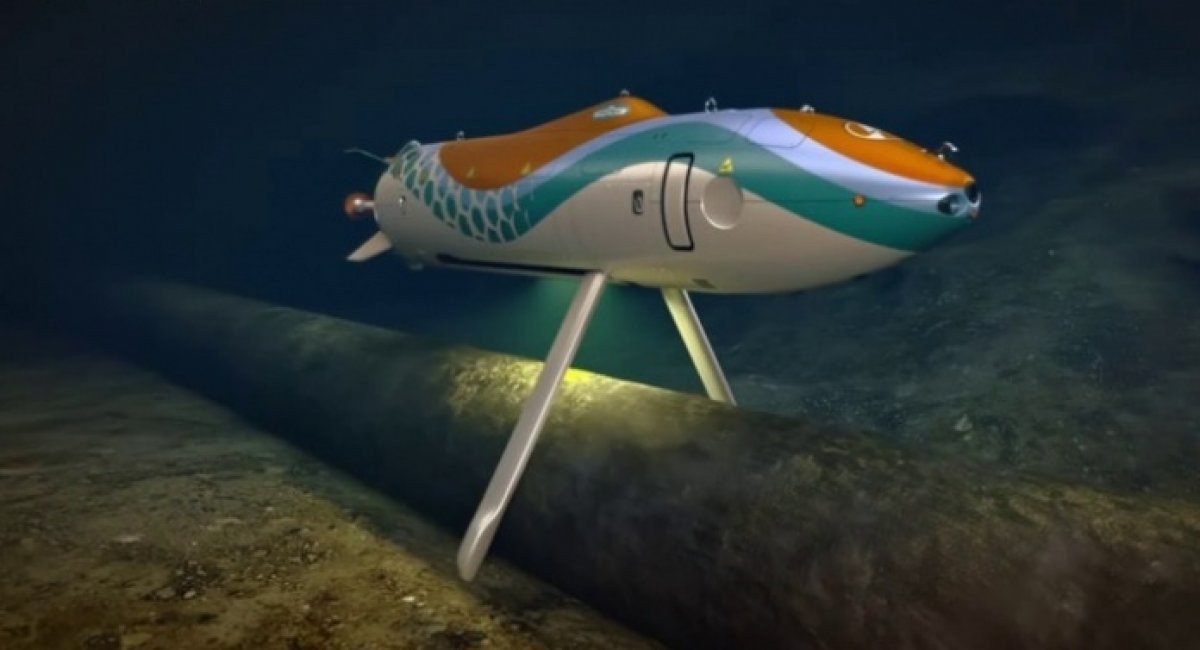
The third and largest drone in the system, Argus-D (“Delivery”), is designed to transport and deploy payloads on the seafloor. With a total weight of 5.5 tons and a payload capacity of 300 kilograms, the system is officially presented as a tool for deploying scientific instruments such as acoustic sensors or seismographic devices.
Nevertheless, analysts warn that the same capabilities could be used to place naval mines or explosive devices on critical infrastructure like fiber-optic cables or gas pipelines.
According to Defense Express, Russia’s interest in subsea infrastructure disruption has been growing. In October 2023 and again in late 2025, damage was reported to undersea communication cables between Finland and Estonia, raising concerns about covert sabotage operations in the Baltic Sea.
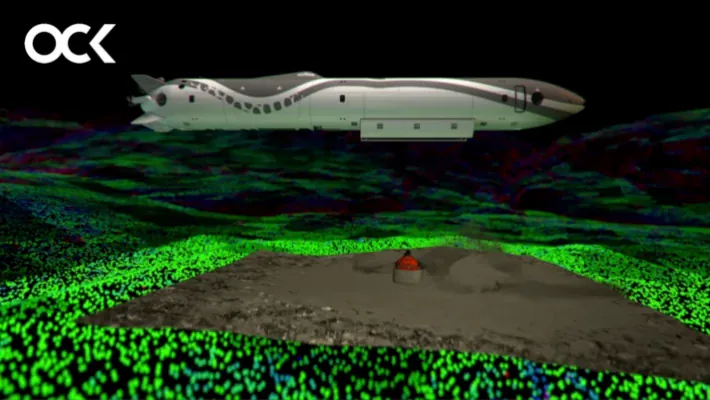
Autonomous systems such as Argus-D could offer a more efficient and less traceable alternative to manned missions for such activities.
However, current versions of the Argus drones face technical limitations. The Argus-D has a maximum operating range of approximately 100 kilometers and a top speed of 6 knots, with an operational autonomy of 20 hours at cruising speed.
Its maximum depth is currently rated at 1,000 meters, although Rubin claims future models could reach 3,000 meters—well beyond the Baltic Sea’s maximum depth of 459 meters.
Because of the limited range, any sabotage operation against NATO-linked infrastructure located farther from Russia’s coastline would require deploying the drones from either support vessels or submarines. This significantly increases the operational risk, as any surface vessel used for such a deployment could be detected, intercepted, or boarded.
In addition to the Argus ecosystem, Russia maintains a broader suite of technologies aimed at deep-sea operations. These include nuclear-powered submarines such as the Losharik (Project 210), designed for special missions including infrastructure disruption. However, the Losharik has remained out of service since a 2019 fire and is reportedly still undergoing repairs.
While the Argus program is officially framed within a civilian and scientific context, its dual-use potential raises concerns among Western analysts.
Autonomous systems with modular payloads and stealthy deployment capabilities present new challenges for the protection of undersea infrastructure. As tensions persist in the Baltic region, the deployment of such platforms—if confirmed—would likely heighten scrutiny over Russia’s maritime activities.
Earlier, a joint investigation by WDR, NDR, and Süddeutsche Zeitung revealed that Russian intelligence may have used the wreck of the MS Estonia ferry in the Baltic Sea as a covert surveillance site, placing underwater devices near the wreck to monitor NATO naval activity.
Discuss this article:
-4a56a6b482ec132402c16ef6fcabf9a2.png)