- Category
- Latest news
Russia Reportedly Turned Estonia Ferry Wreck Into Secret NATO Spy Site, Investigation Reveals
 Prefer U24 Media on Google
- Authors



Russian intelligence services may have used the wreck of the MS Estonia ferry in the Baltic Sea as a covert site for underwater surveillance operations targeting NATO naval activity, according to a joint investigation by WDR, NDR, and Süddeutsche Zeitung published on October 24.
The investigation, based on information from NATO security sources, indicates that Russian operatives may have installed underwater devices near the wreck capable of guiding drones and submersible robots and collecting the acoustic signatures of NATO warships and submarines.
These signatures help identify vessels by the unique sound patterns of their engines and propellers.
Because diving around the Estonia wreck is prohibited under an international agreement between Sweden, Estonia, and Finland, the devices could have remained undetected for years.
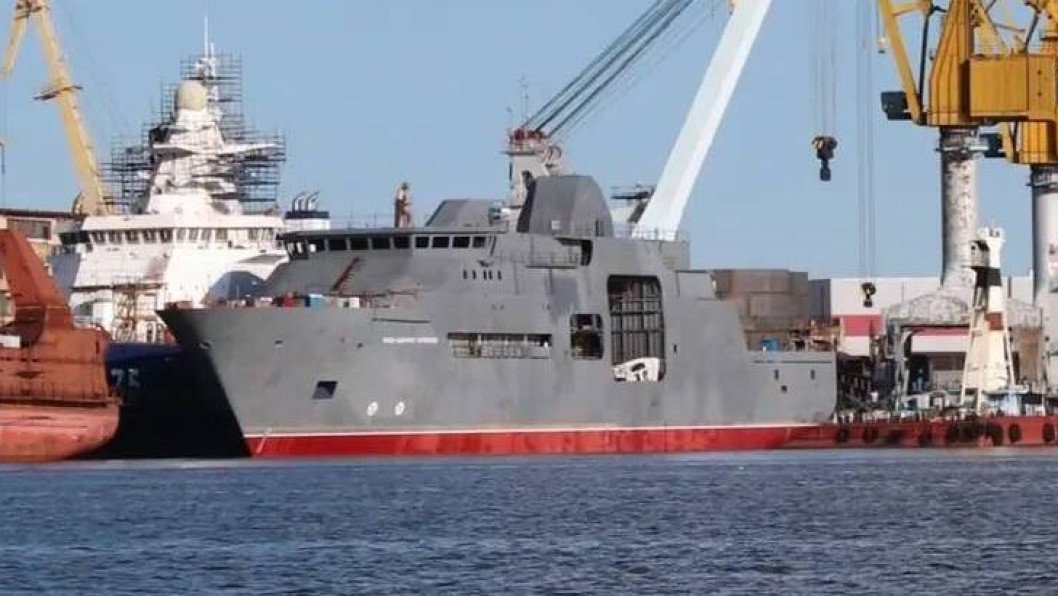
According to WDR and Süddeutsche Zeitung, Western intelligence believes Russia’s Main Directorate of Deep-Sea Research (known by its Russian acronym GUGI) is responsible for such operations. The secretive unit, operating directly under Russia’s Ministry of Defense, specializes in underwater espionage, sabotage, and reconnaissance missions.
GUGI controls a fleet of special-purpose vessels, mini-submarines, and underwater drones, including the ship Yantar, which NATO considers one of Russia’s key spy vessels. Western naval forces have tracked Yantar multiple times near undersea cables and critical infrastructure in the North and Baltic Seas.
The German outlets also reported that Russian firms have been purchasing advanced Western underwater surveillance technology for years through intermediaries, particularly companies registered in Cyprus. The estimated value of such transactions is around $50 million.
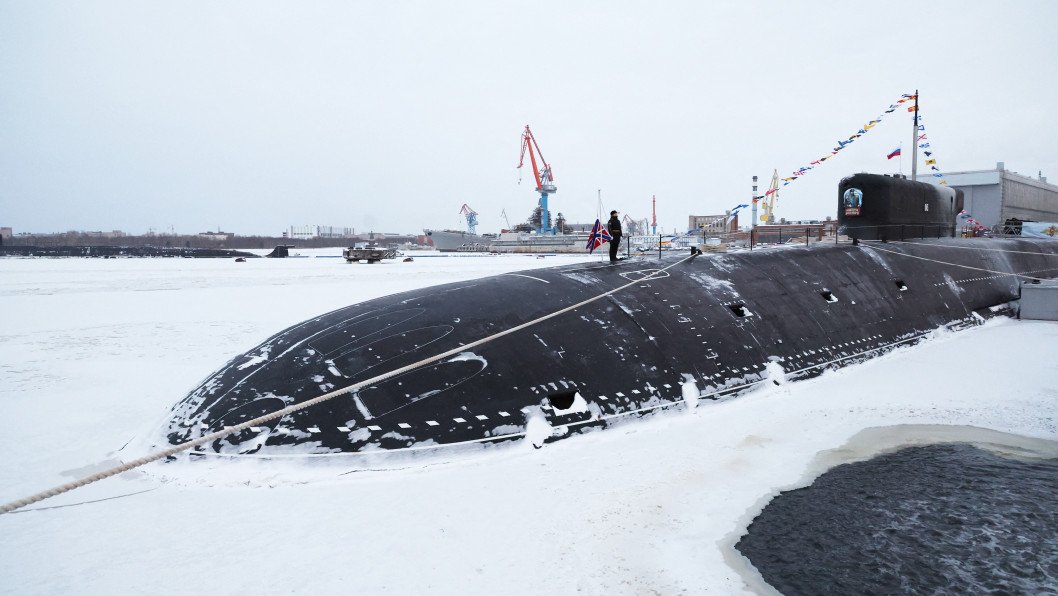
According to the investigation, the same technology was used in Russia’s “Harmony” project — an underwater sensor network in the Barents Sea designed to detect Western submarines and protect Russia’s Arctic nuclear fleet.
The Estonia ferry disaster occurred on September 28, 1994, when the vessel sank during a storm en route from Tallinn to Stockholm, killing 852 people. The wreck, located about 35 kilometers southeast of the Finnish island of Utö, lies at a depth of roughly 80 meters and is designated as a protected gravesite.
Between 2021 and 2024, Finland temporarily lifted parts of the protection zone to allow new investigations into the causes of the sinking. During this period, NATO states reportedly observed increased Russian underwater activity in the area.
Authorities in Finland, Estonia, and Germany confirmed they are monitoring developments in the Baltic Sea but declined to provide operational details, citing security concerns. Russia did not respond to journalists’ inquiries.
In recent years, several NATO countries — including Lithuania, Latvia, the UK, and Ireland — have reported finding unidentified underwater sensors resembling Russian-made devices.
Earlier, reports emerged that China was accelerating work on a multi-layered ocean surveillance system known as the Transparent Ocean strategy, designed to track submarines from the seabed to space and challenge US and allied undersea operations.
Discuss this article:
-331a1b401e9a9c0419b8a2db83317979.png)


-c439b7bd9030ecf9d5a4287dc361ba31.jpg "Photo of Katherina Popilnichenko")