- Category
- Latest news
How Britain Plans to Fight the Next War—Starting in 2027
 Prefer U24 Media on Google
- Authors




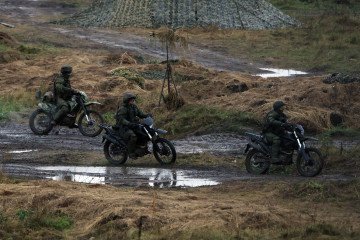
The head of the British Army has outlined an ambitious overhaul of the United Kingdom’s ground forces aimed at ensuring readiness for a potential high-intensity conflict by 2027, according to a report by UK Defence Journal published on January 21.
General Roland Walker, Chief of the General Staff, said his top priority is restructuring the Army to meet rapidly evolving security threats rather than waiting for a distant, idealized force model.
We bring you stories from the ground. Your support keeps our team in the field.
“We cannot wait for a perfect army in 2035—we must transform the army we have now,” Walker said.
“My ambition remains to double our fighting power by 2027 compared to where we were in 2024, and to triple it by 2030.”
Walker stressed that technology—particularly artificial intelligence—will sit at the core of this transformation.
The best of Defence 📸
— Ministry of Defence 🇬🇧 (@DefenceHQ) December 29, 2025
Military personnel deployed worldwide, captured at the moment it matters by Armed Forces photographers.
👉 These are our stand-out shots of 2025: https://t.co/fLzy9EFsbf pic.twitter.com/iBFSfsbE1a
A new lethality model: 20:40:40
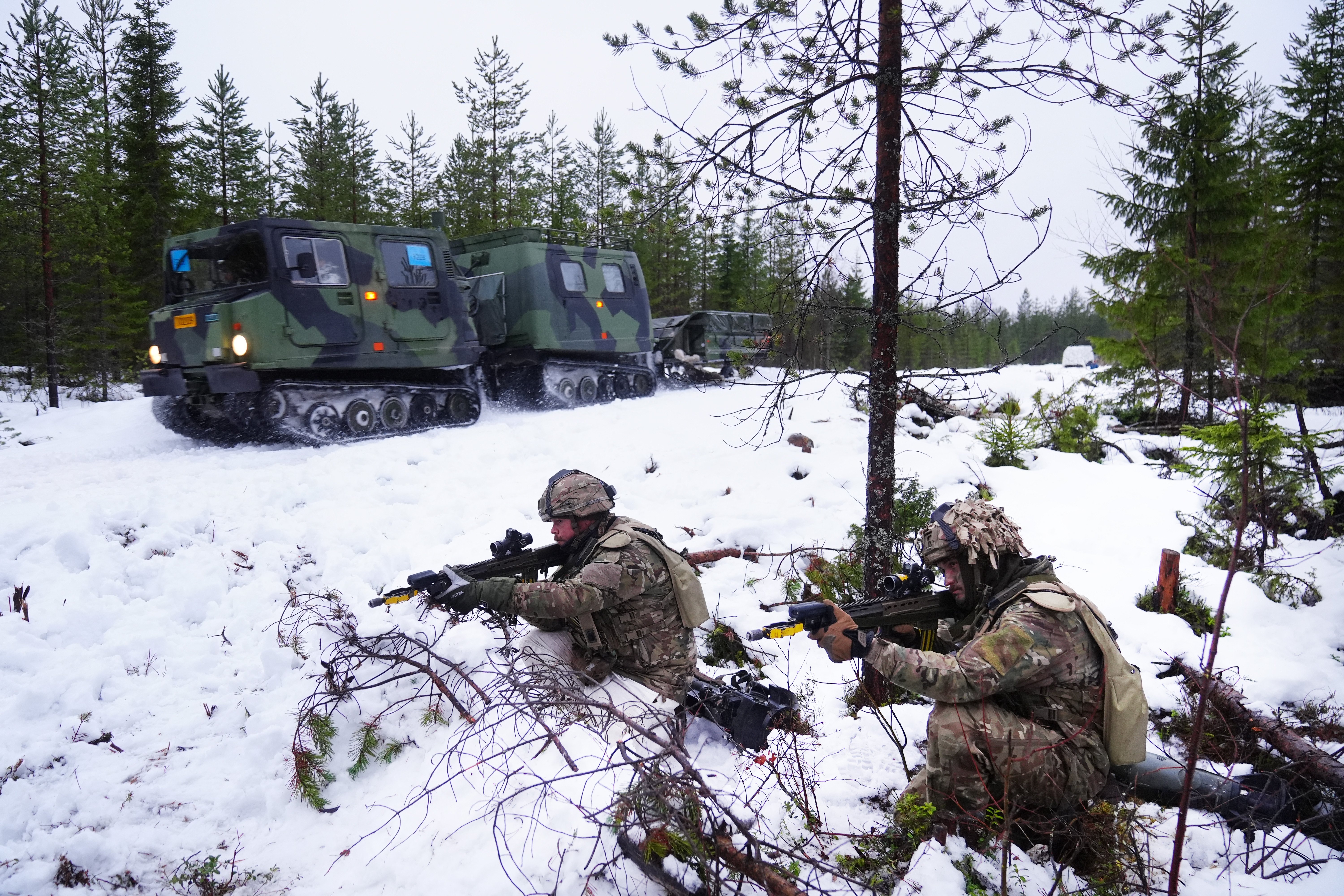
As part of the shift, the Army is moving toward what Walker described as a “20:40:40” approach to lethality, in which a smaller share of combat power comes from crewed heavy platforms — such as infantry fighting vehicles, tanks, and attack helicopters — while a much larger portion is delivered by unmanned systems and inexpensive, expendable weapons.
“These are cheap, disposable effectors that can be produced quickly and fielded at scale,” Walker said.
Billions invested, Ukraine in focus
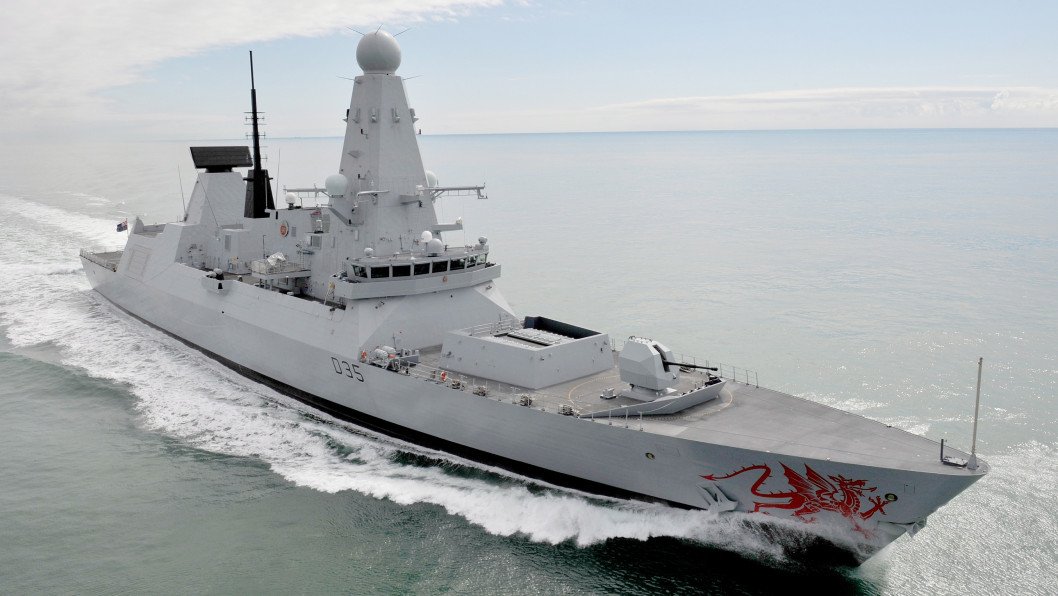
Walker noted that since September last year, the UK has invested more than £200 million in domestic weapons systems. He said those efforts are supporting formations intended for future operations and for continued military assistance to Ukraine.
At the same time, he emphasized that the growing emphasis on drones and autonomous systems should not undermine the survivability of armored forces. Initial operational capability for the Challenger 3 main battle tank, he said, remains scheduled for 2027.
Defense industry partners are also expected to resolve ongoing technical problems with the tracked Ajax armored vehicle family. In parallel, the Army plans to deploy 600 Boxer wheeled armored vehicles, a program that has previously faced delays.
Artillery, vehicles, and logistics modernization
Walker added that the first RCH155 self-propelled howitzers are expected to enter service in 2029 and confirmed progress on adapting the Patria 6×6 armored personnel carrier for British Army requirements under the Common Armoured Vehicle System (CAVS) program.
Beyond combat platforms, the Army is preparing to sign a major contract to replace aging Land Rover and Pinzgauer vehicles, a move that would see more than 13,000 vehicles replaced across the force.
Earlier, reports emerged that the United Kingdom announced a $268 million investment aimed at preparing its armed forces for a potential deployment to Ukraine as part of a future multinational peacekeeping mission.
Discuss this article:
-9bd5e1532102621f8fb1c4ba871a3171.png)