- Category
- Latest news
Britain Is Preparing for War Again—and the Old Playbook Is Back
 Prefer U24 Media on Google
- Authors


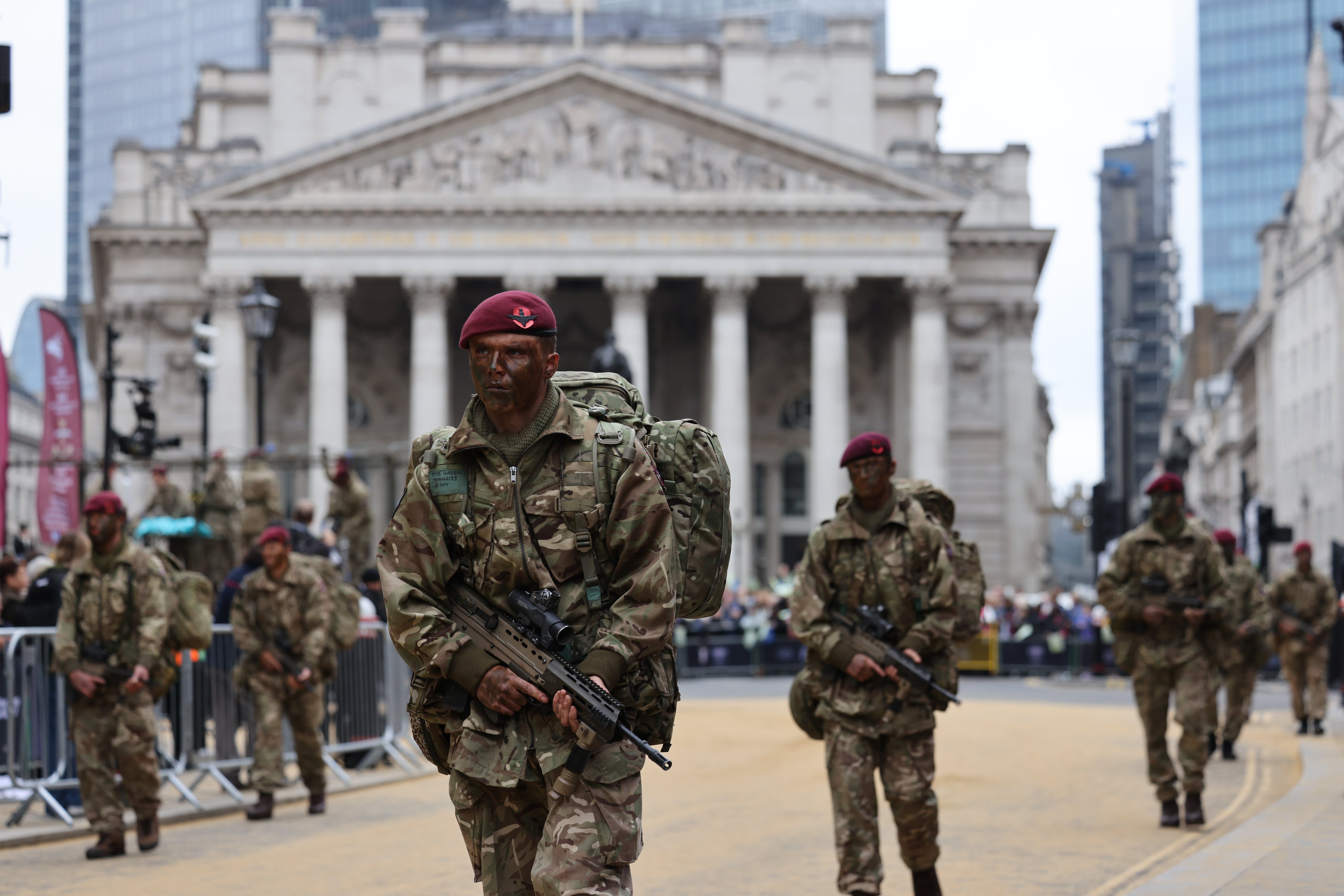
The United Kingdom is moving to revive a long-dormant national war planning system, signaling a major shift in how the country prepares for potential large-scale conflict in an increasingly unstable security environment, according to BFBS Forces News on April 13.
The framework, historically known as the government’s “war book,” dates back to the First World War, when British authorities first developed comprehensive plans not only for mobilizing the military but also for managing civilian life and industry during wartime.
We bring you stories from the ground. Your support keeps our team in the field.
Over the decades, the system evolved into a detailed, regularly updated blueprint covering the full spectrum of national response in a crisis.
That approach gradually fell out of use after the Cold War, as defense priorities shifted and governments scaled back costly preparations tied to large-scale conflict scenarios.
Now, senior military leadership says the UK is returning to that kind of thinking.
Speaking at the London Defence Conference, Chief of the Air Staff Sir Rich Knighton confirmed that elements of the concept are being brought back into focus as part of a broader reassessment of national security.
“I think that’s right,” he said when asked whether the war book is being revived.
Knighton pointed to the long period of reduced tensions following the Cold War, describing it as a time when the country benefited from a so-called peace dividend that reshaped priorities across both government and society.
“What we have seen since the end of the Cold War is the peace dividend being cashed in right across the nation and society,” he said.
Protecting UK waters...
— Royal Navy (@RoyalNavy) April 9, 2026
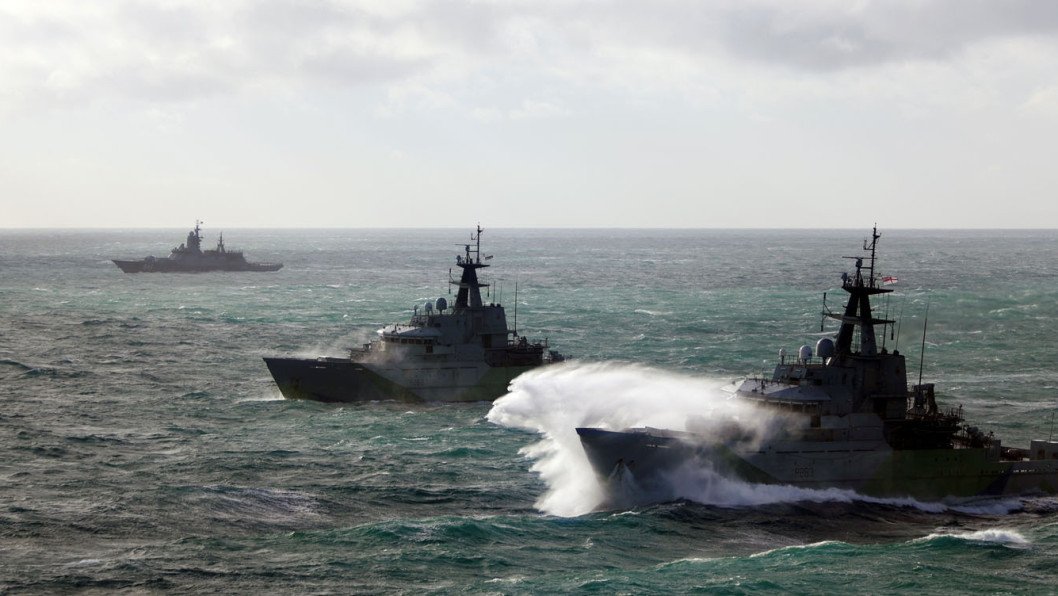
The #RoyalNavy has completed ten days of focused operations closely monitoring Russian warships and a submarine in UK waters as part of coordinated NATO efforts.
Read more: https://t.co/PKOWn2YLEf pic.twitter.com/rbVh8gJ0TN
He added that recent developments, particularly Russia’s war against Ukraine and threats to critical infrastructure, have forced a fundamental rethink.
“What Russia has done in Ukraine, what Russia was exposed to doing over our critical undersea infrastructure, that affects not just us, but the whole of Europe and the US – it’s threatening, and that requires us to think differently,” he said.
Historically, the war book divided preparedness into multiple stages, outlining specific actions for ministers and officials depending on the level of escalation.
Earlier versions included highly detailed measures ranging from military mobilization to managing hospitals, shutting down schools, and organizing food rationing—reflecting a whole-of-society approach to conflict.
-787b257529a1e055ef4ee5507bf673e2.jpg)
Maintaining that level of readiness required constant updates and rehearsals, which ultimately became difficult to sustain once the immediate threat environment changed.
According to Knighton, the goal now is not to simply recreate Cold War-era systems, but to adapt their core principles to modern conditions.
“We’re doing it in a modern context, with a modern society, with modern infrastructure,” he said.
He described the effort as part of building greater resilience across both military and civilian systems, with a particular focus on infrastructure that could be targeted in future conflicts.
“I talked before Christmas of the need that when we think about renewing our water infrastructure or electricity or transport infrastructure, to think about the threat of action from an adversary that is above the threshold of war, not just a hybrid threat,” he said.
“And think about how we build in that resilience as we renew it, and that requires making some different choices and different priorities.”
Knighton also warned that the security environment facing the UK is becoming more challenging, and that the relative stability of the past three decades can no longer be taken for granted.
“That requires us to educate ourselves and help the population understand some of those threats and help them understand what they can do to support the nation and potentially support the Armed Forces,” he said.
-6caf6aace51375d20039faf97ddbd3a9.jpg)
The renewed focus on national-level war planning reflects a broader trend across Europe, where governments are increasingly preparing for the possibility that future conflicts could extend well beyond the battlefield and directly impact civilian infrastructure and daily life.
Earlier, Germany introduced new regulations requiring men aged 17 to 45 to obtain official permission before leaving the country for extended periods.
Effective as of January 1, 2026, this rule applies to individuals planning to stay abroad for more than three months, whether for education, employment, or long-term travel.
Discuss this article:
-4a56a6b482ec132402c16ef6fcabf9a2.png)