- Category
- Latest news
Why Russia Could Target Germany First Instead of the Baltics, Expert Warns
 Prefer U24 Media on Google
- Authors

-c439b7bd9030ecf9d5a4287dc361ba31.jpg "Photo of Katherina Popilnichenko")
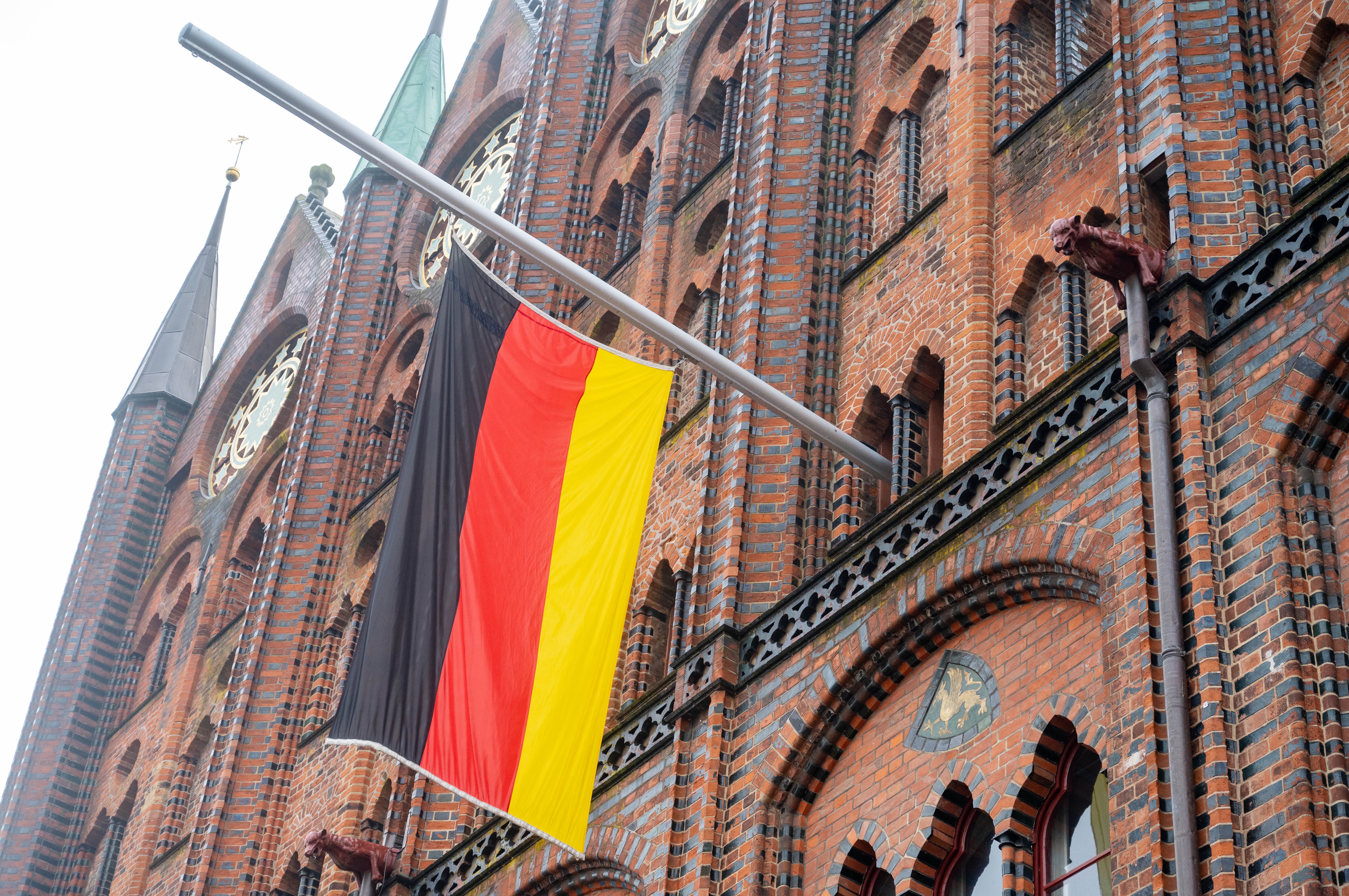
Erkki Koort, the director of the Internal Security Institute at the Estonian Academy of Security Sciences, argues that Germany is a more logical and accessible target for Russia within NATO than the Baltic states, according to Bild on April 2.
We bring you stories from the ground. Your support keeps our team in the field.
His assessment challenges common military scenarios that suggest the Baltic countries—Estonia, Latvia, and Lithuania—are Vladimir Putin’s primary focus.
According to the expert, Germany serves as the logistical and strategic heart of Europe. He suggests that anyone aiming to weaken NATO must strike its center.
“What is the point of attacking the border regions between Russia and NATO without first neutralizing the strategic flank? And this flank is in Germany,” Koort stated.
The idea of Germany being a target is not entirely new. In 2024, Defense Minister Boris Pistorius warned that Russia was already using hybrid attacks against the country.
However, Koort’s conclusion goes further, suggesting Germany is a likely target for an open military assault, rather than just covert operations.
Koort highlights several factors that make Germany vulnerable. As a central strategic hub, an attack would have a massive propaganda effect for the Kremlin. Furthermore, Germany is home to approximately 3.5 million Russian speakers, and certain segments of society harbor sympathies for Moscow or doubt Germany's ability to defend itself.
The expert notes that while a direct attack on a NATO border state like Estonia would trigger immediate military countermeasures, such a response might be less certain or immediate in the case of Germany, which does not share a border with Russia.
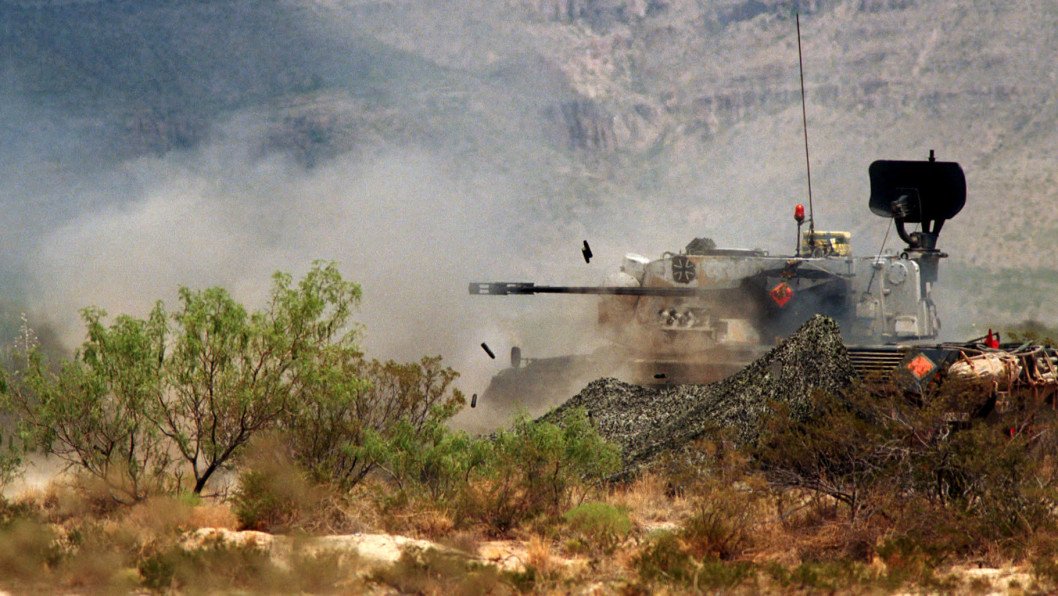
He also warns of the potential for hidden attacks designed to destabilize politics and society without immediately sparking a full-scale war.
Koort believes Russia is well-prepared for such scenarios, citing an extensive network of intelligence agents and supporters within Germany.
The expert concludes that paralyzing a critical hub for European logistics and defense would be relatively easy and would yield significant propaganda value for Russia while undermining NATO’s eastern flank.
Marcus Faber, former chairman of the Bundestag Defense Committee, expressed support for Koort’s assessment. He stated: “Erkki Koort is right. Putin’s Russia has been systematically expanding its offensive capabilities against NATO for years.
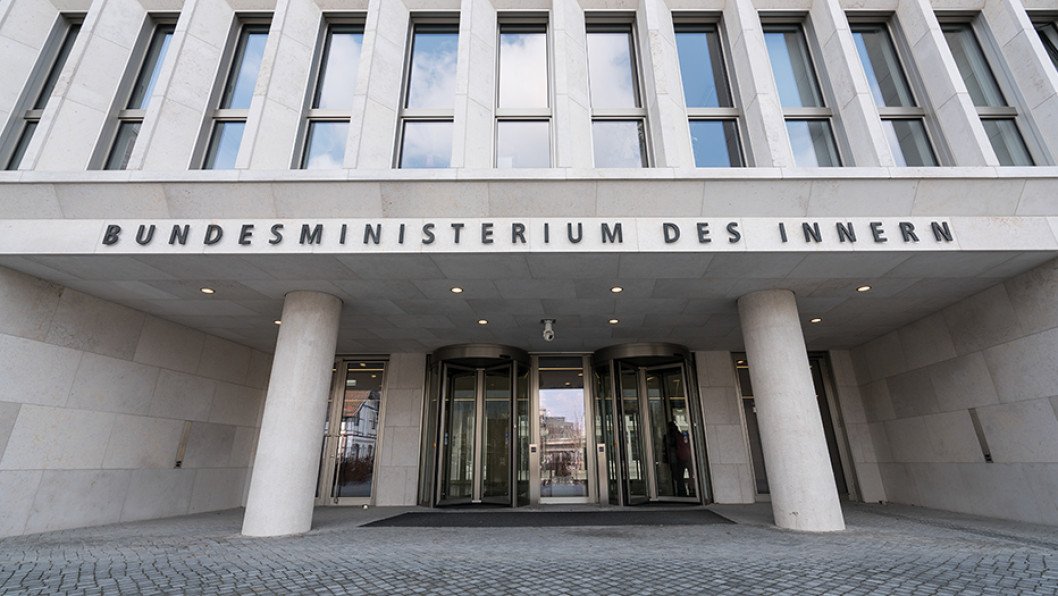
In the event of an invasion, Germany would become the support center for alliance partners. This would put the aggressor’s sights on logistical hubs, such as ports and transport centers, and would also receive public support.”
A confidential military document from Germany’s Defense Ministry, revealed that Russia was stepping up covert attacks on critical infrastructure as part of a hybrid warfare campaign.
The ministry assessed that Russia was deliberately using sabotage and cyberattacks to prepare for a future military confrontation, with the goal of developing the capabilities to wage a large-scale war against NATO by 2029 at the latest.
Discuss this article:
-9a7b3a98ed5c506e0b77a6663f5727c5.png)




-efa69d4733b5af9f7cd0a642f85424a6.jpeg "Thick black smoke rises from the heavily damaged Proton-Electrotex plant in Orel, Russia, following a reported strike. (Source: Exilenova+)")