- Category
- Latest news
Beneath the Baltic, NATO Is Fighting a Silent War With Russia Few Can See
 Prefer U24 Media on Google
- Authors


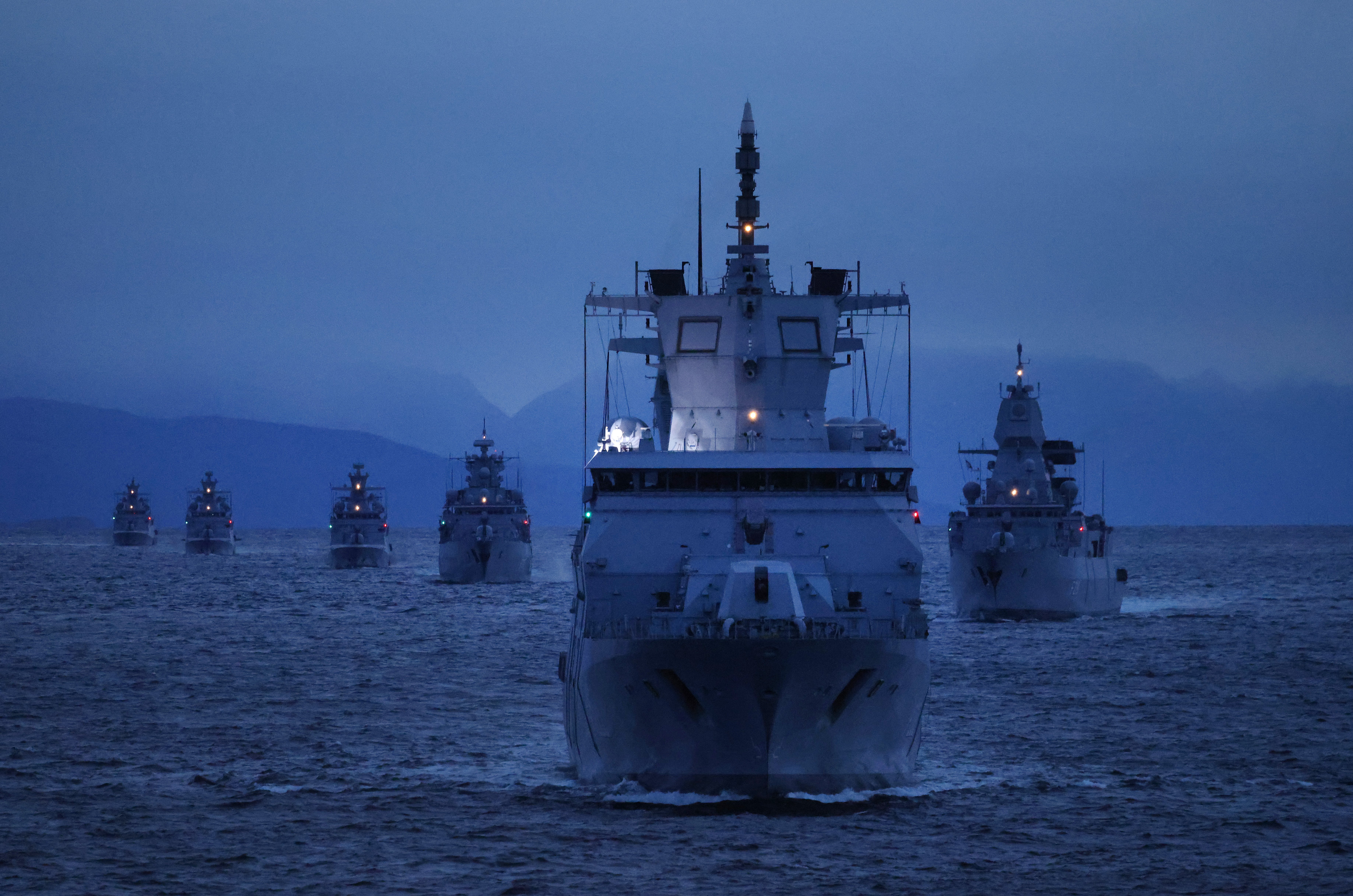
NATO has stepped up efforts to protect critical undersea infrastructure in the Baltic Sea, deploying ships, drones, and surveillance systems to counter what officials describe as a growing threat of covert sabotage, according to BFBS Forces News on March 18.
Aboard the Polish command ship ORP Czernicki, sailors are operating on what NATO considers an active mission—not an exercise—as part of the Baltic Sentry operation, launched in early 2025 to monitor and respond to incidents involving undersea cables and pipelines.
We bring you stories from the ground. Your support keeps our team in the field.
The mission was established after a rise in suspicious activity, including cases where commercial vessels appeared to drag anchors across the seabed, potentially damaging vital infrastructure.
Lieutenant Commander Thomas Støkket, Chief of Staff aboard the Czernicki, emphasized the strategic importance of these systems.
“That will be more or less able to not paralyse the society, but it will be hampered. All the internet traffic, between the bigger countries, between Norway, UK, between Europe, essentially, is travelled by cables undersea, so it is important,” he told BFBS Forces News.
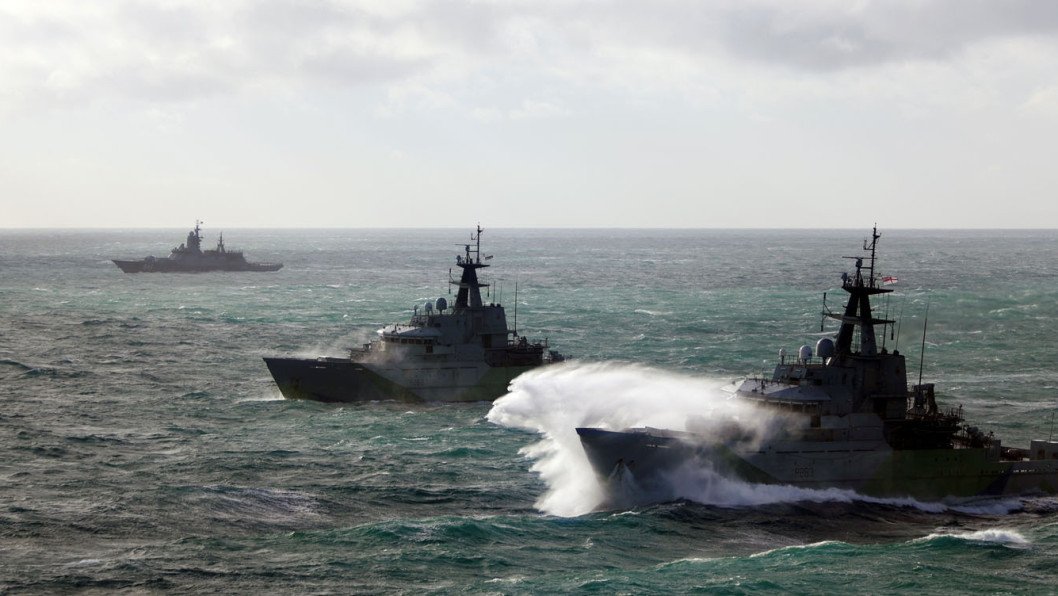
The Baltic Sea, bordered by nine countries—including NATO members such as Poland, Germany, and Sweden—has become a critical and contested zone due to the concentration of communication and energy infrastructure beneath its waters.
While NATO officials stop short of directly accusing Russia, they acknowledge that some incidents are difficult to explain.
“Merchant ships accidentally dropping anchor and dragging it – it’s impossible to say if that’s an accident or not, because we’re not on board when it happens,” Støkket said, later admitting such scenarios are unlikely.
Since the launch of Baltic Sentry, NATO says it has significantly improved its response time to incidents—from 17 hours to just one.
-787b257529a1e055ef4ee5507bf673e2.jpg)
To monitor the seabed, NATO forces are using advanced tools, including autonomous underwater vehicles like Remus and remotely operated systems such as Seafox, capable of diving hundreds of meters to inspect pipelines, cables, and potential explosive threats.
“So if we have to look into the critical underwater infrastructure, like gas or pipelines on the sea bottom, our tools can be easily used to check if they put, for example, explosives, or destroy or hamper things,” said Lieutenant Commander Edo of the Dutch Navy.
NATO crews say the mission reflects a broader shift in awareness.
“We are all dependent on internet, phone and all these cables are just going under the sea and through international waters where everyone has access to them. Five to 10 years ago, we didn’t really talk about it, but now it’s a hot topic,” said Lieutenant Hidde.
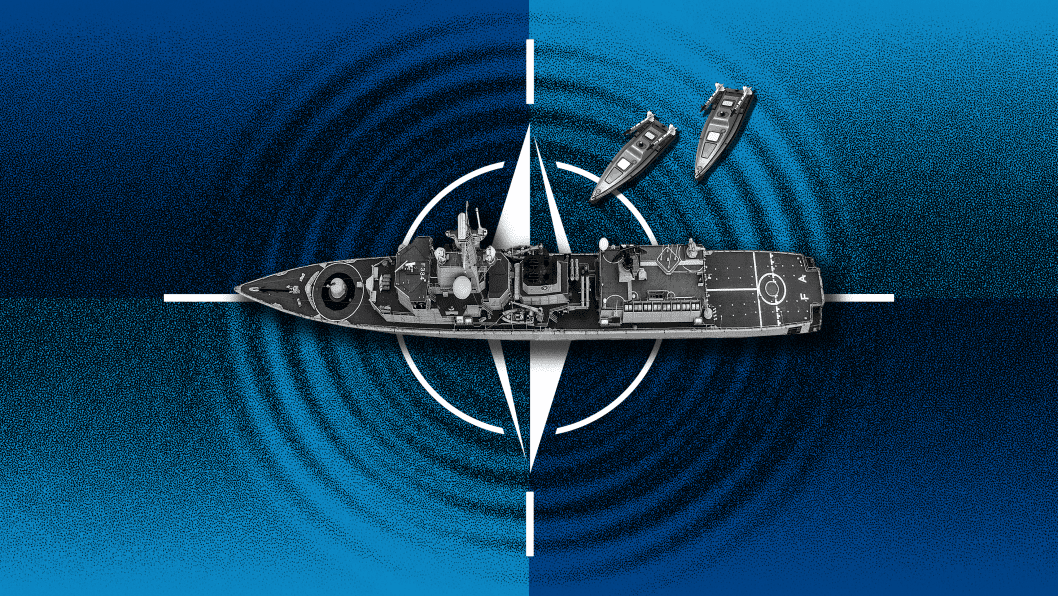
German naval officers involved in the operation also report an increase in activity by Russia’s so-called “shadow fleet,” often accompanied by naval escorts.
“[We see] routine transiting, especially of the shadow fleet and merchant ships… accompanied by some Russian units, more and more. And also, the Russian units use the Baltic Sea for their own training,” said Commander Michael Voigt.
While NATO officials acknowledge that incidents have not stopped entirely, they say the increased presence has made covert operations more difficult—and faster to detect.
Earlier, Lieutenant General Kai Rohrschneider, head of NATO’s Allied Joint Support and Enabling Command (JSEC), stated that NATO must extend its Cold War-era fuel pipeline network hundreds of kilometers east to ensure allied forces can sustain a high-intensity conflict with Russia.
Discuss this article:
-9bd5e1532102621f8fb1c4ba871a3171.png)


-c439b7bd9030ecf9d5a4287dc361ba31.jpg "Photo of Katherina Popilnichenko")