- Category
- Latest news
How Ukrainian MAGURA Sea Drones “Sank” a NATO Frigate—and the Crew Didn’t Even Notice
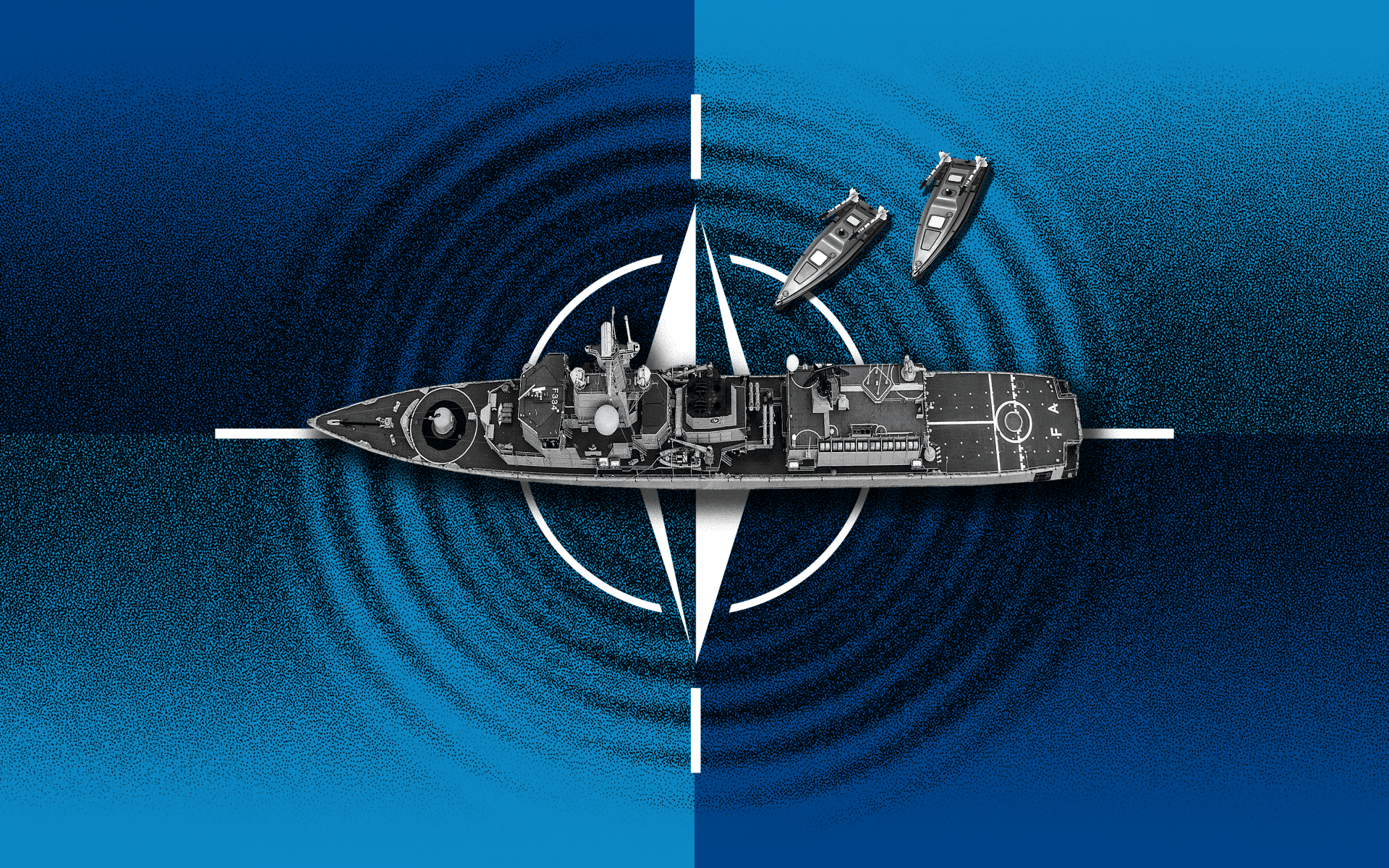
A NATO frigate was effectively “sunk” during a major multinational naval exercise—and its crew didn’t even realize they had been attacked until it was already too late.
 Prefer U24 Media on Google
- Authors


During the REPMUS/Dynamic Messenger 2025 exercises in Portugal, Ukrainian forces demonstrated the growing threat posed by naval drones, reportedly disabling a NATO frigate in a simulated attack without triggering a timely response from the crew.
The exercise scenario placed multinational forces into opposing teams, with Ukrainian personnel leading one of the sides, Ukrainian defense media outlet Defense Express reported on March 17.
We bring you stories from the ground. Your support keeps our team in the field.
How the “attack” unfolded
Ukrainian units deployed several Magura V7 uncrewed surface vessels, equipped with simulated combat payloads and machine guns.
In the exercise framework, targets were considered destroyed once operators captured visual confirmation—such as photos or video—of a successful strike.
🇺🇦🇵🇹 Magura V6 drones took part in the world's largest experimental exercise dedicated to the use of unmanned maritime platforms REPMUS/DYMS 2025 in Portugal. pic.twitter.com/MpfHnPg1X3
— MAKS 25 🇺🇦👀 (@Maks_NAFO_FELLA) September 23, 2025
To complete the simulated attack, the drones would have needed to approach the target vessel at close range. At the same time, defending forces could “neutralize” the drones by detecting and documenting them before impact.
During one phase of the exercise, Ukrainian operators directed a coordinated drone strike against a NATO frigate on the opposing side.
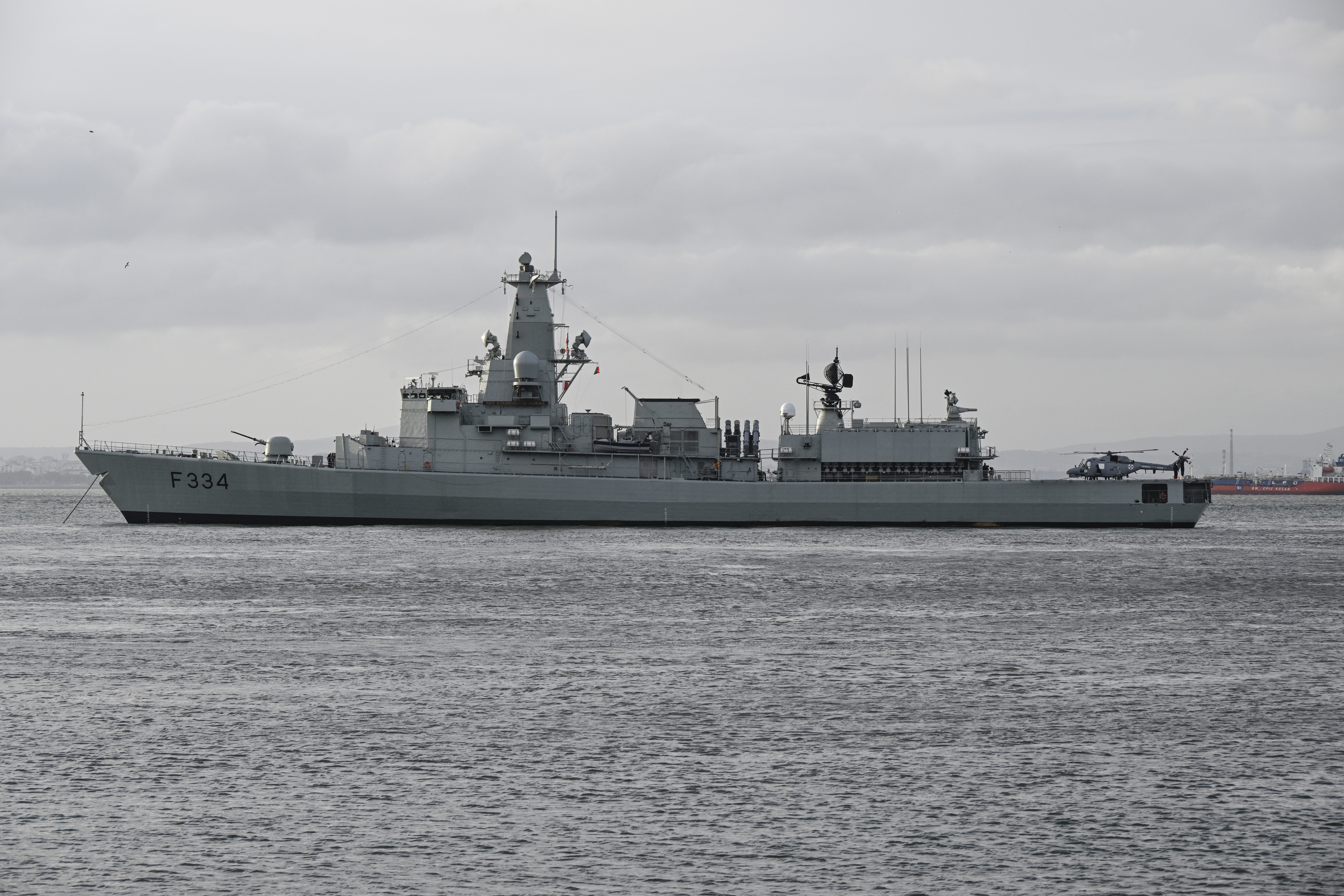
The result: multiple successful “hits” that, in a real-world scenario, would likely have caused catastrophic damage or even sunk the ship.
Yet, remarkably, the frigate’s crew did not appear to recognize the attack as it was happening.
Several minutes after the strike had already been completed, members of the opposing team reportedly asked in a shared communication channel whether the attack had even begun.
Ukraine’s Security Service (SBU) unveils new SeaBaby naval drones capable of traveling over 1,500 km and carrying up to 2 tons of payload.
— Clash Report (@clashreport) October 22, 2025
The upgraded models can mount a 10-barrel Grad rocket launcher or a heavy machine gun with auto-targeting. pic.twitter.com/S2lIMKmRhf
Detection—not firepower—was the real issue
According to Defense Express analysis, the outcome was not due to a lack of defensive weaponry aboard the frigate.
Modern NATO warships are heavily armed, typically equipped with automatic cannons, machine guns, and layered defense systems capable of engaging small surface threats.
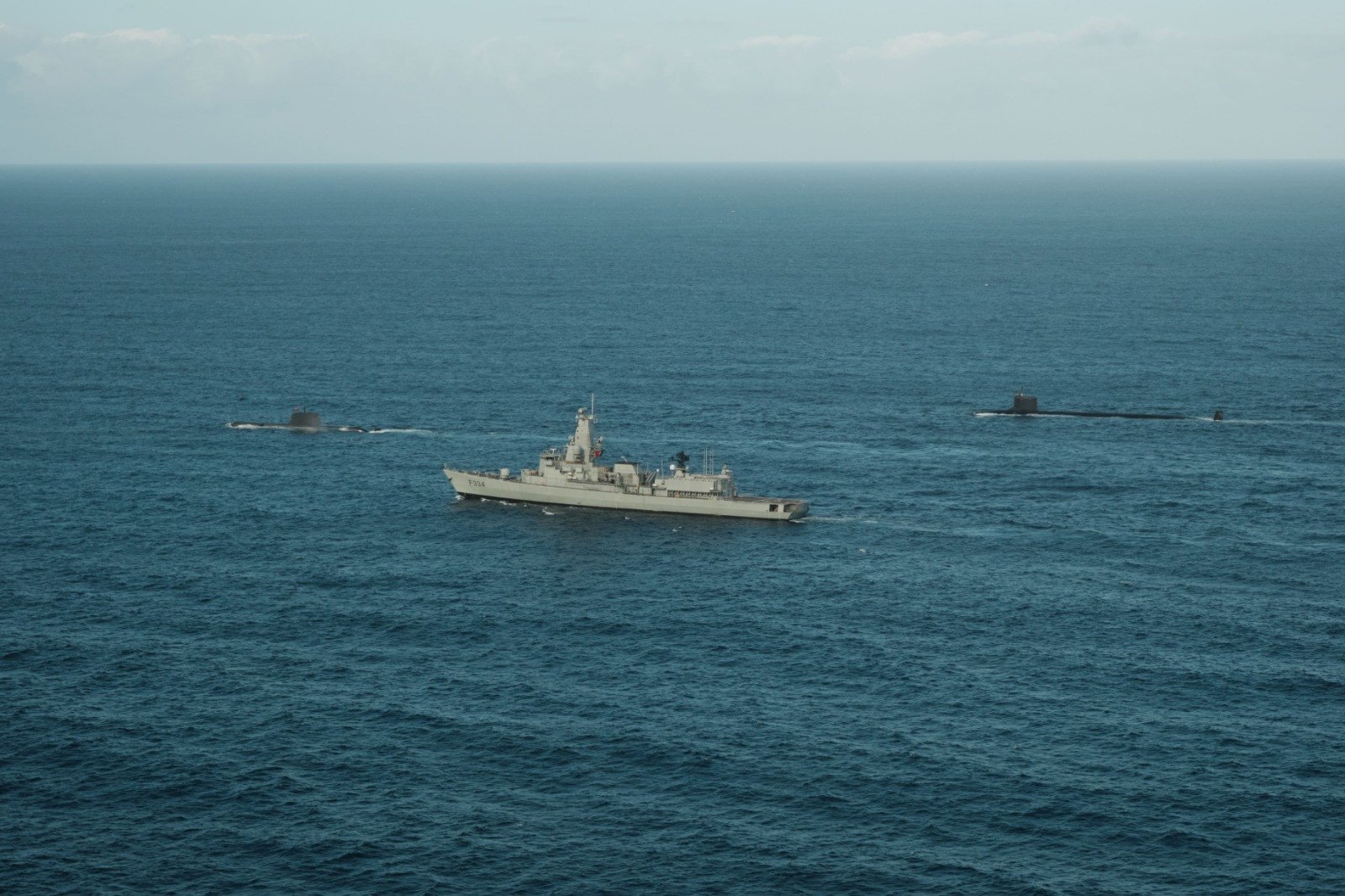
If the drones had been detected in time, they likely would have been destroyed before reaching the ship. Instead, the key vulnerability lay in detection.
As Defense Express notes, Ukrainian naval drones are often built using radar-transparent materials, making them difficult to track using conventional radar systems.
Their small size, low profile, and minimal draft further complicate detection, allowing them to blend into sea clutter and remain hidden among waves.
Traditional shipboard sensors—including radar, sonar, and optical systems—may struggle to reliably identify such targets, especially in complex maritime environments.
⚡️Ukraine’s military intel is testing marine drone carriers — a new type of sea drone that launches up to 4 FPVs from the water. Built with NATO tech & AI, it can carry 500–3000 kg of air, surface or underwater weapons. https://t.co/gjBSH2eNqS pic.twitter.com/UWCByz2iaN
— NOELREPORTS 🇪🇺 🇺🇦 (@NOELreports) May 9, 2025
A glimpse into future naval warfare
The exercise highlighted a critical shift in naval combat dynamics, where relatively low-cost unmanned systems can challenge even advanced warships.
According to Defense Express, countering this threat will depend less on additional firepower and more on improving detection capabilities—particularly through expanded use of AI-assisted visual systems and sensor fusion technologies.
Ukrainian maritime drone "Sea Baby", equipped with an MLRS "Grad" pic.twitter.com/1vIDFsSzFL
— NEXTA (@nexta_tv) May 23, 2024
The drills ultimately concluded with the Ukrainian-led team emerging as one of the top performers, underscoring the effectiveness of drone-centric tactics in modern warfare.
The incident serves as a stark reminder: in today’s battlespace, the most dangerous threat may not be the one you can’t defeat—but the one you never see coming.
Earlier, reports emerged that Ukraine tested a new modification of its Magura naval drone that effectively transforms the platform into a launch base for airborne interceptor drones—an approach that could turn these unmanned surface vessels into “floating aircraft carriers” designed to counter hostile UAVs over the Black Sea.
Discuss this article: