- Category
- Latest news
NATO Plans to Extend Cold War Fuel Pipeline East to Boost Defense Against Russia
 Prefer U24 Media on Google
- Authors

-72b63a4e0c8c475ad81fe3eed3f63729.jpeg "Photo of Cyril Barabaltchouk")
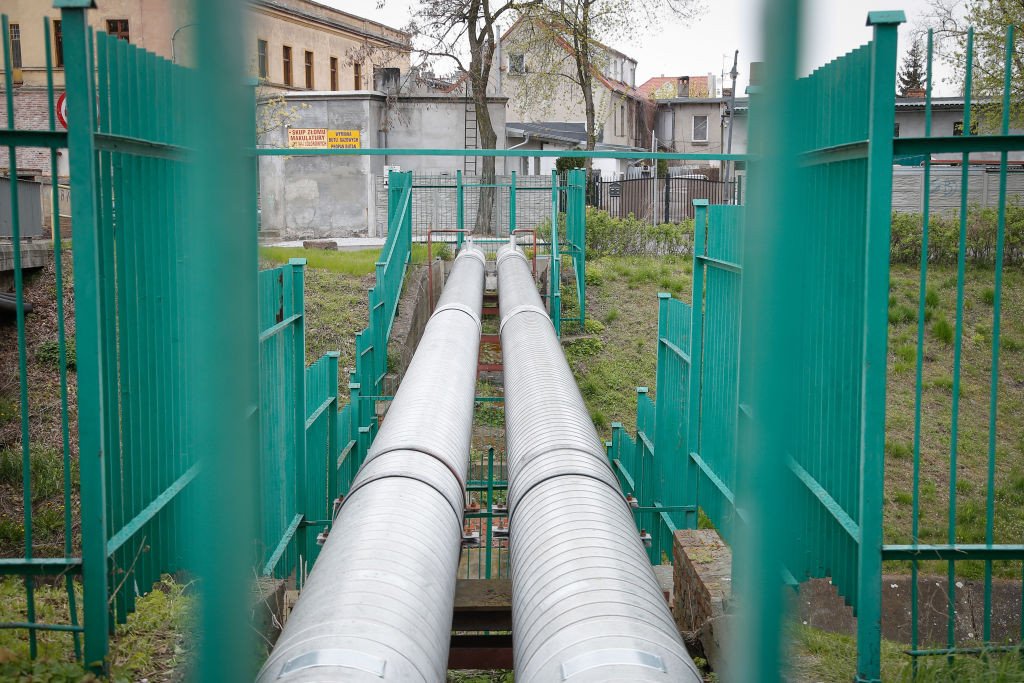
NATO must extend its Cold War-era fuel pipeline network hundreds of kilometers east to ensure allied forces can sustain a high-intensity conflict with Russia, a senior NATO military officer told Reuters on March 19.
Lieutenant General Kai Rohrschneider, head of NATO’s Allied Joint Support and Enabling Command (JSEC), warned that the current 10,000-kilometer network—which terminates in western Germany—is insufficient for the alliance’s expanded eastern borders.
We bring you stories from the ground. Your support keeps our team in the field.
“From a military operational point of view, it would make a lot of sense to extend the pipeline system further to the east,” Rohrschneider told Reuters. He specifically highlighted the need to reach Poland, the Baltic states, Finland, and Romania to address “maybe the biggest supply challenge we face.”
The existing infrastructure, buried 80 centimeters underground, was designed to serve Western air bases like Ramstein during the Cold War. However, modern warfare requirements have changed dramatically.
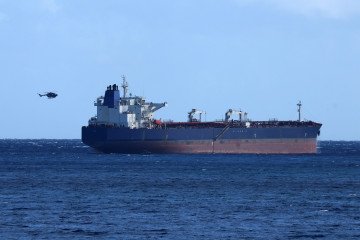
Air forces are expected to account for 85% of total fuel consumption during a conflict, requiring hundreds of thousands of cubic meters per day. While the jet fuel in these pipelines can be modified for use in tanks and trucks, the sheer volume needed exceeds current storage and transport capacities in the east, Reuters wrote.
“What we will need in the end is a network of resilient fuel storage sites… that covers the whole rear of NATO's territory,” Rohrschneider added. Despite military consensus on the necessity of the project, political and financial hurdles remain. The extension is estimated to cost €21 billion ($24 billion) and could take up to 25 years to complete, with a final decision potentially pending before the NATO summit in Ankara this July.
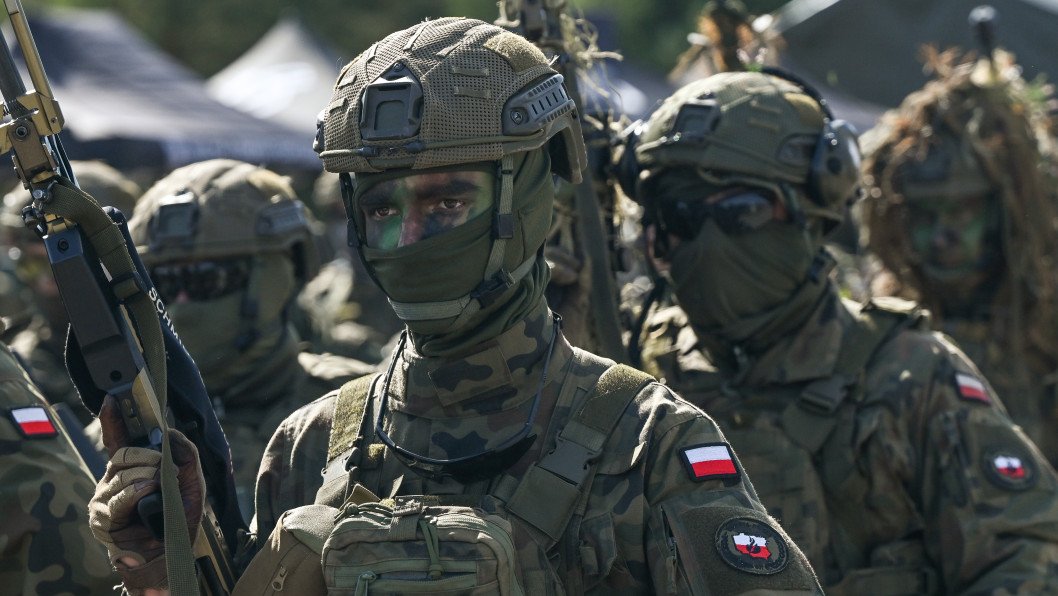
NATO military planning shifted drastically toward its eastern borders over the past two years to counter the growing threat of Russian aggression. Following the accession of Finland and Sweden on April 4, 2023 and March 7, 2024 respectfully, the alliance faced the massive challenge of integrating northern and eastern supply routes into its aging Cold War infrastructure.
European leaders are currently pushing a “military Schengen” plan to cut transit times for heavy equipment and fuel that currently face 45-day delays. Currently, as Poland and the Baltic states build out new “defense lines,” Brussels is under increasing pressure to finalize the financing for a multi-billion-euro logistics corridor that would link Western European refineries directly to the front lines in the east.
Discuss this article:





-c439b7bd9030ecf9d5a4287dc361ba31.jpg "Photo of Katherina Popilnichenko")