- Category
- Latest news
Poland’s Mega Military Buildup Escalates: Submarines From Sweden, Tanks From the US and Korea
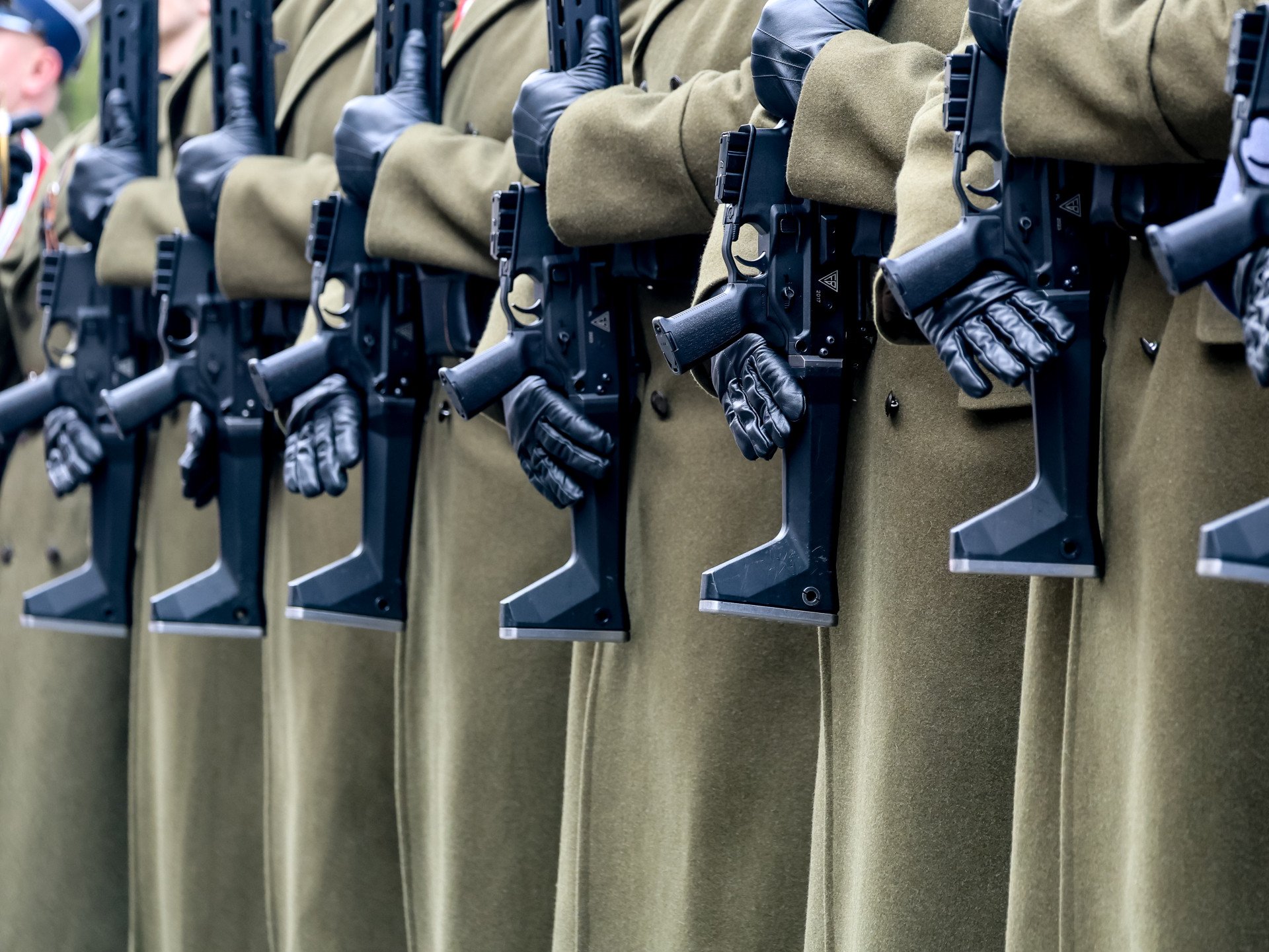
Poland has taken one of its most consequential defense steps since Russia’s full-scale invasion of Ukraine, selecting Sweden’s Saab to build a new fleet of submarines as Warsaw accelerates its transformation into NATO’s frontline military powerhouse.
 Prefer U24 Media on Google
- Authors


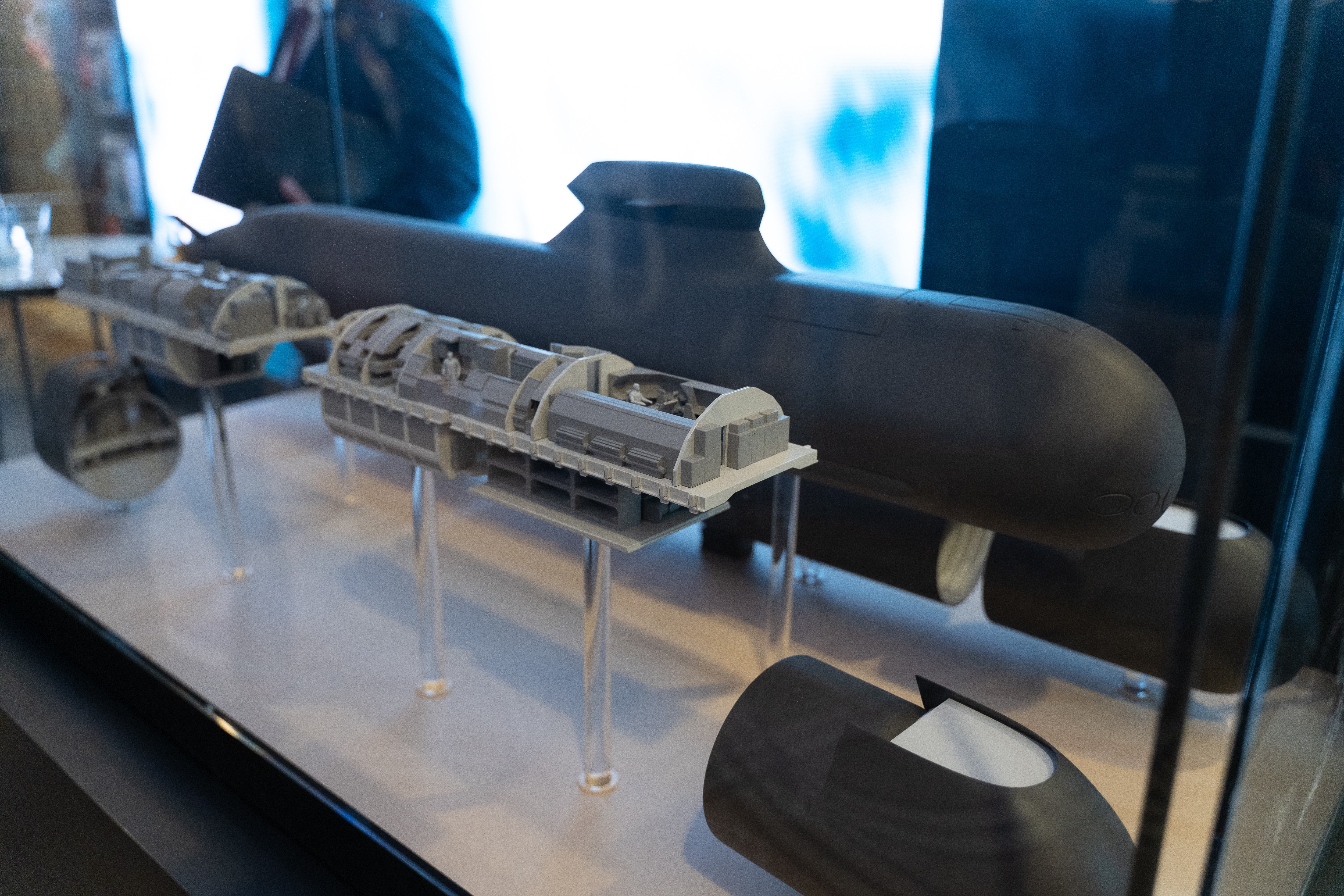
Poland has selected Sweden’s Saab to build three A26-class submarines in a deal worth $2.61 billion, marking a major step in Warsaw’s campaign to dominate the Baltic Sea and harden its defenses against Russia. Sweden will also provide a temporary “gap-filler” submarine for training, while Stockholm has agreed to purchase Polish armaments as part of the broader partnership, according to BFBS Forces News on November 27.
Deputy Prime Minister Władysław Kosiniak-Kamysz said, “Sweden presented the best offer in terms of all criteria, delivery time and operational capability, especially in the Baltic Sea.”
We bring you stories from the ground. Your support keeps our team in the field.
The submarines—central to Poland’s Orka modernization program—are expected to be delivered by 2030.
At sea: a new Baltic deterrent
According to the BFSF, the A26 submarines are designed for seabed warfare, intelligence missions, and disrupting hostile activity beneath critical underwater infrastructure. NATO sees them as a future pillar for surveillance and counter-sabotage operations in a region where Russian underwater interference has repeatedly raised alarms.
Alongside the submarine deal, Poland is also buying three Miecznik-class frigates—similar to the UK’s Type 31—and is considering up to five more. The UK is contributing equipment to the submarine program.
On land: the largest standing army in the EU
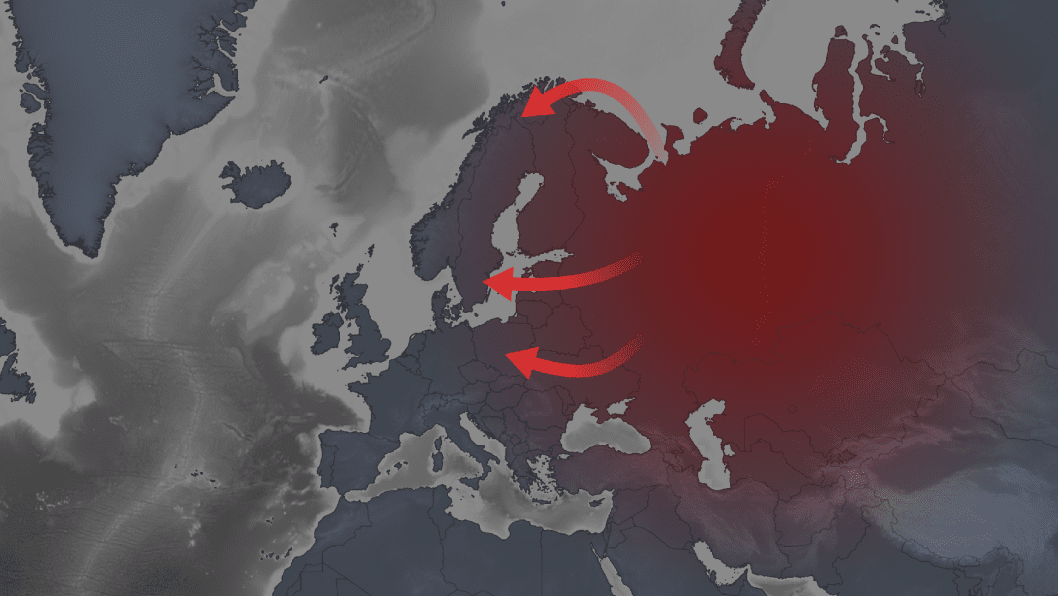
Sharing a 250-mile border with Belarus—Moscow’s closest military ally—Poland is building an army on a scale unmatched in Europe, Forces News reported.

By 2030, Poland aims to field 300,000 troops, supported by one of the most ambitious procurement programs of any NATO state:
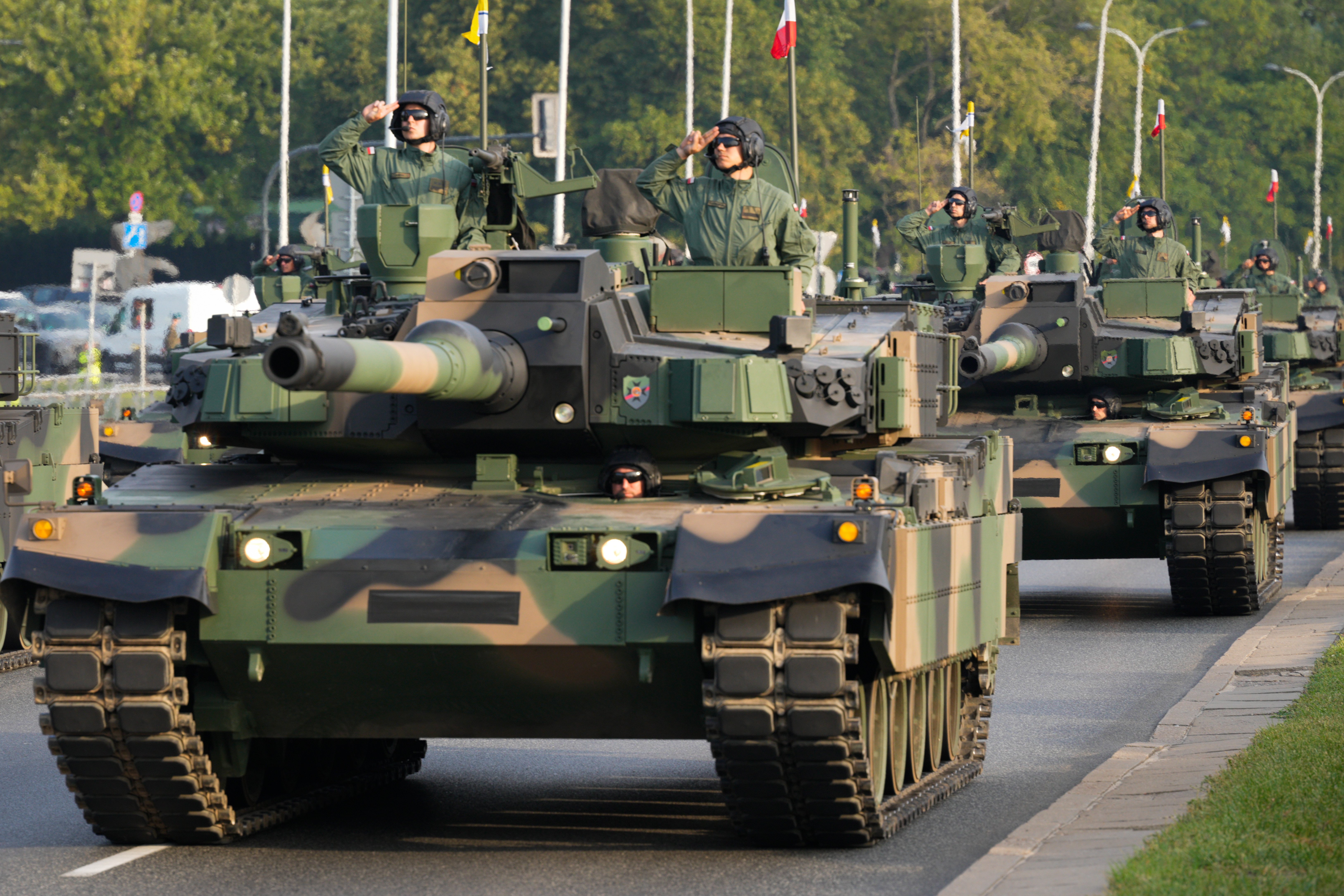
1,300 tanks, including 800+ South Korean K2 Black Panthers;
250 M1A2 SEPv3 Abrams with mine ploughs and dozer blades;
182 Krab self-propelled howitzers;
200 South Korean K9 Thunder howitzers;
96 AH-64E Apache attack helicopters;
Poland has opened an Abrams Tank Academy in Poznań so its crews can train domestically.
One of the most striking new initiatives is “wGotowości” (“Readiness”), a large voluntary training program teaching first aid, survival, cybersecurity, and basic defense skills on weekends. Prime Minister Donald Tusk wants 100,000 volunteers trained each year.
Poland’s parliament has also approved withdrawal from the Ottawa Convention, signaling readiness to reintroduce anti-personnel landmines—an idea reportedly under consideration for the Belarusian border.
In the air: F-35s, air patrols, and new shelters
After Russian drones violated Polish airspace in September, Warsaw activated NATO’s Article 4 and initiated a comprehensive review of bomb shelters. More than 1,000 shelters have been deemed suitable for civilian protection, Forces News notes.
NATO’s Operation Eastern Sentry now provides constant air patrols along the eastern frontier, strengthened by UK aircraft and personnel.
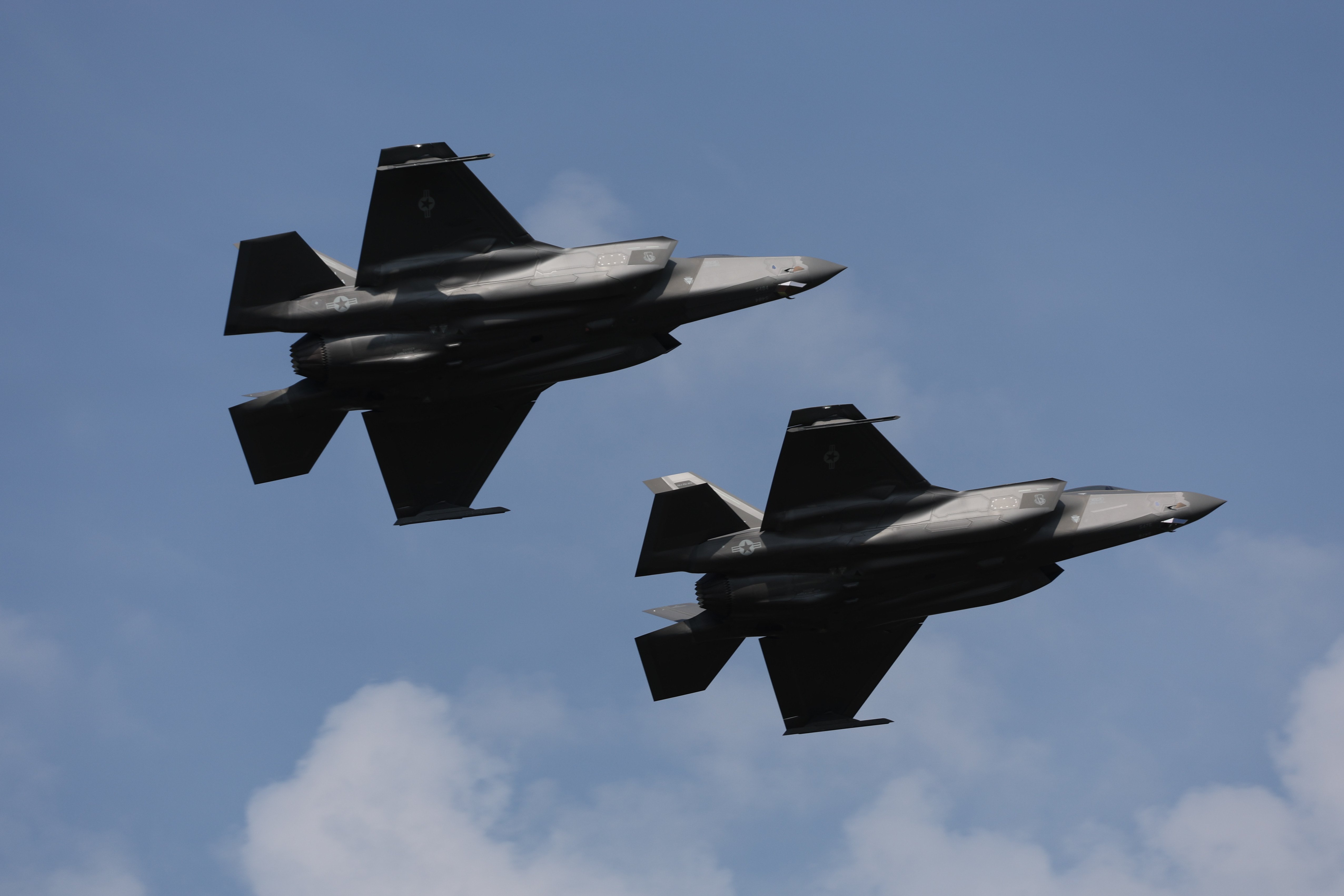
Meanwhile, Poland is building a new-generation air force. The country signed a $4.6 billion contract for 32 F-35A fighters, and the first Polish pilots completed training this summer.
Defense spending: Europe’s heavyweight
According to Forces News, Poland now has one of NATO’s three largest militaries—behind only the United States and Turkey—and far exceeds Germany, France, and the UK in troop numbers.
It also spends the highest share of GDP on defense in the entire Alliance. This year, Warsaw is increasing defense spending from 4.1% to 4.7% of GDP, totaling roughly €30 billion ($34.8 billion).
Earlier, Poland announced what officials call the largest national defense training program in its modern history—a sweeping effort to teach up to 400,000 citizens basic military, medical, and cyber-resilience skills by 2027.
Discuss this article:


-b7da0e3033ba5fc9d5f47439cb28c6ad.png "Illustration featuring the logos of AI chatbots Claude (left) and Mistral (right). (Illustration: UNITED24 Media)")
-111f0e5095e02c02446ffed57bfb0ab1.jpeg "Photo of Roman Kohanets")
-72b63a4e0c8c475ad81fe3eed3f63729.jpeg "Photo of Cyril Barabaltchouk")
-939a6aae373f6c76f1b33cce63f6c7e2.png "Ukrainian paratroopers target a gas pipeline used by Russian infantry to conceal their movements in the Sumy direction. (Source: 71st Separate Airmobile Brigade)")