- Category
- Latest news
Germany Launches Wartime Overhaul—Orders 600 Leopard Tanks and 1,000 Boxer APCs
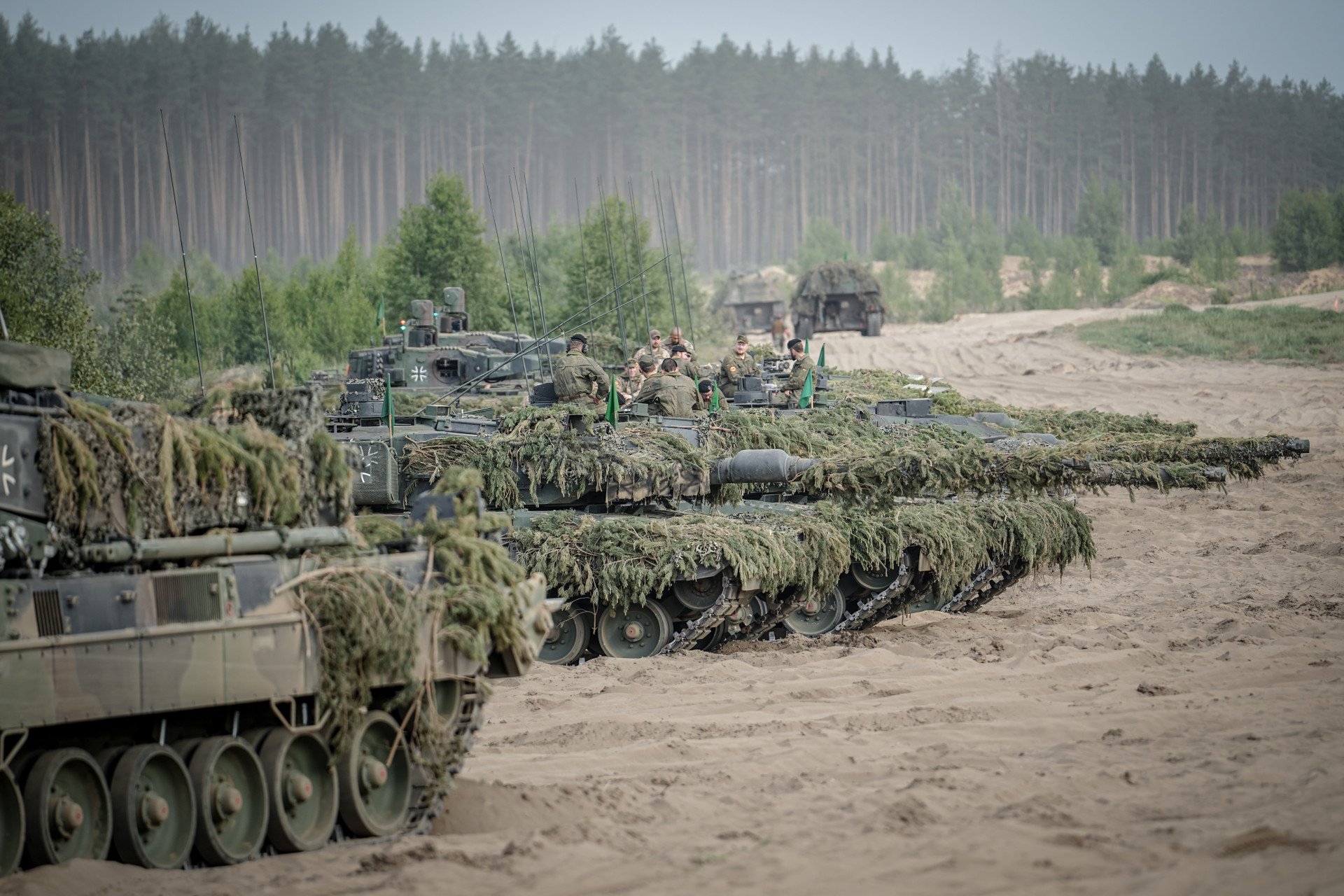
Germany is undergoing a sweeping military overhaul, with plans to procure hundreds of new tanks, infantry fighting vehicles, and armored personnel carriers as part of its most ambitious rearmament initiative since the Cold War.
 Prefer U24 Media on Google
- Authors


The transformation comes in response to the growing threat of high-intensity conflict in Eastern Europe and the ongoing Russian invasion of Ukraine, German newspaper Handelsblatt reported on June 30.
At the heart of this strategic shift are a multibillion-euro procurement drive for up to 600 Leopard 2A8 main battle tanks, 1,000 Boxer 8×8 wheeled armored vehicles, and a significant number of Puma infantry fighting vehicles.
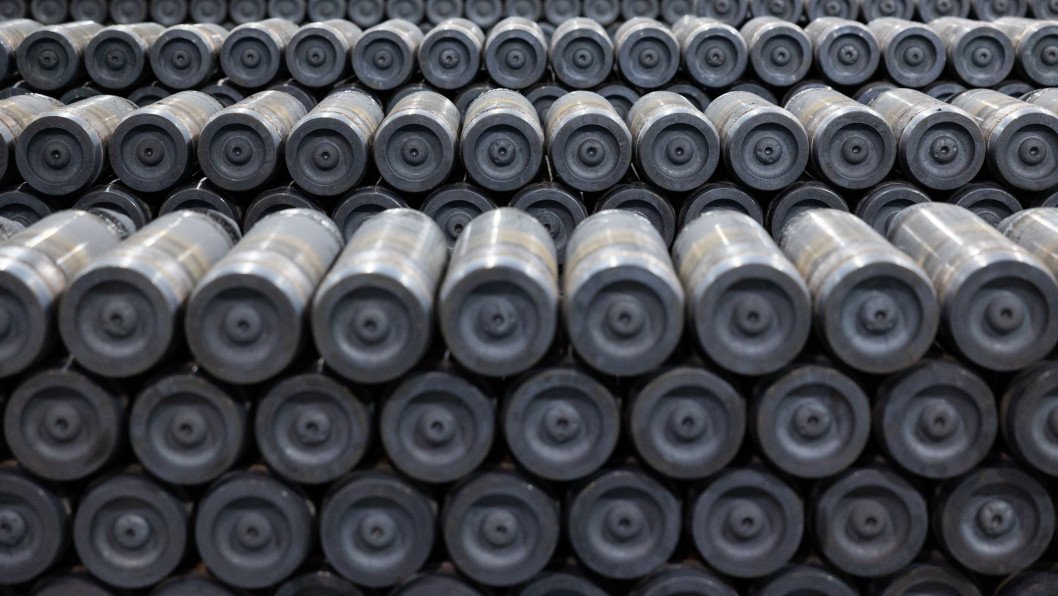
The scale and scope of the plan, confirmed by Alexander Sagel, CEO of leading defense manufacturer Renk, reflects a dramatic reassessment of Germany’s defense doctrine and a determination to transition from a peacekeeping force to a combat-ready army.
“This is a historic moment for the Bundeswehr,” said Sagel. “We are witnessing the birth of a new, highly capable fighting force built for NATO’s frontlines.”
Zeitenwende: from defense symbolism to combat readiness
Germany’s post-WWII military posture had long emphasized restraint, multilateralism, and symbolic contributions to NATO. But Russia’s full-scale invasion of Ukraine in 2022 triggered what Chancellor Olaf Scholz called a “Zeitenwende”—a turning point that shattered decades of defense orthodoxy.
Since that moment, Berlin has committed to building fully equipped, high-readiness forces that can deploy rapidly and sustain operations alongside NATO allies.
This includes the formation of the 45th Panzer Brigade, a new permanent German combat unit in Lithuania tasked with front-line deterrence against Russian aggression.
While the Bundeswehr currently fields 313 main battle tanks (Leopard 2A5, A7, and A7V variants) and nearly 700 infantry fighting vehicles (Marder 1A3, A4, and Puma), analysts warn these numbers fall short of what’s needed for a prolonged conventional conflict.

The newly announced procurement plan aims to close this gap—modernizing and expanding Germany’s land forces for high-intensity warfare.
The Leopard 2A8: the backbone of NATO’s heavy armor
The Leopard 2A8, a heavily upgraded version of the 2A7V, will serve as the spearhead of Germany’s armored renewal.
It includes the Trophy active protection system, advanced thermal imaging, enhanced armor, and networked battlefield integration—making it a formidable match for modern anti-tank weapons and drone warfare.

With up to 600 units on order, the Leopard 2A8 will become the core of Germany’s heavy tank fleet and a central pillar of NATO’s collective armored capabilities.
Puma IFVs and Boxer APCs: mobility and lethality combined
The Puma infantry fighting vehicle is designed for urban and high-threat environments. With unmanned turrets, 30mm autocannons, composite armor, and digital combat integration, the Puma provides German infantry with superior protection, agility, and firepower.
Meanwhile, the Boxer 8×8 vehicle brings unmatched operational flexibility. Its modular design allows configurations for troop transport, command and control, medevac, and fire support. Germany’s planned 1,000-unit expansion of the Boxer fleet ensures rapid deployment capabilities for NATO operations across Europe.
A new strategic and fiscal paradigm
Berlin’s military ambitions are backed by a fiscal pivot. Germany is now preparing to raise defense spending to 5% of its national budget, a significant departure from years of underspending and below-NATO-threshold investment.
This funding surge supports not just procurement but also logistics, personnel, training, and digital infrastructure—building a military force ready for 21st-century warfare.
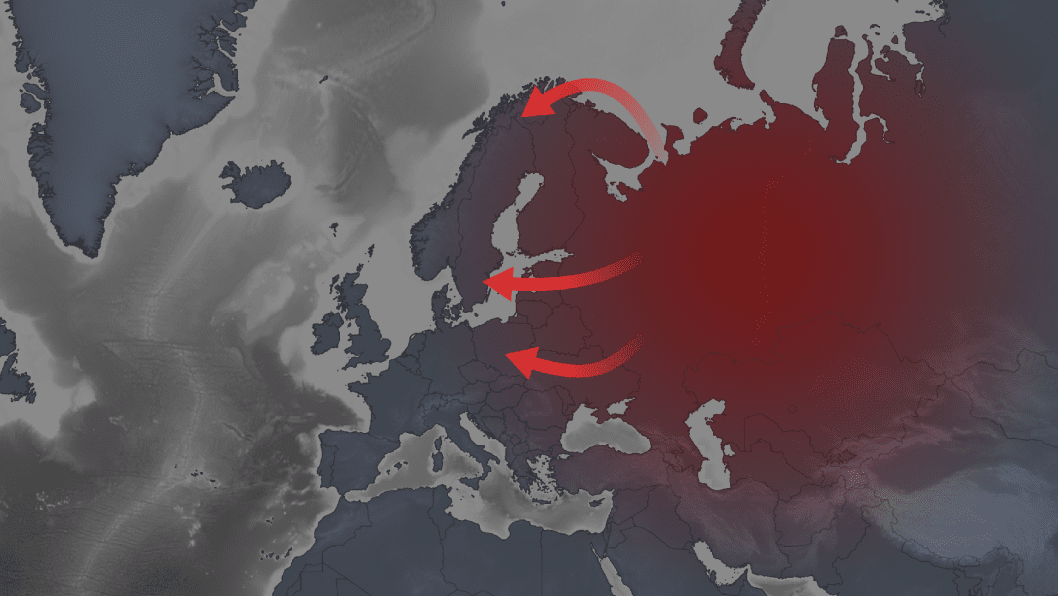
As German defense firms like Renk scale up production and infrastructure, Berlin is positioning itself as a core guarantor of NATO’s eastern defenses, ready to respond to crises from the Baltic to the Black Sea.
Earlier, reports emerged that Germany may provide Ukraine with up to €9 billion ($10.4 billion) in military support in 2025.
Berlin initially allocated €4 billion ($4.6 billion) for Ukraine this year but increased the amount to €7 billion ($8.1 billion) in recent months. An additional €1.9 billion ($2.2 billion) is now being proposed, pending final approval by the Bundestag.
Discuss this article:




-80134f2dc17b4a887d01513a1c7bc929.png "Illustration of Russian military infrastructure targeted by Ukrainian strikes in temporarily occupied eastern Ukraine. (Source: General Staff of the Armed Forces of Ukraine)")