- Category
- Latest news
NATO Prepares High-Tech “No-Man’s Zone” on Its Eastern Border to Deter Russia and Belarus
 Prefer U24 Media on Google
- Authors


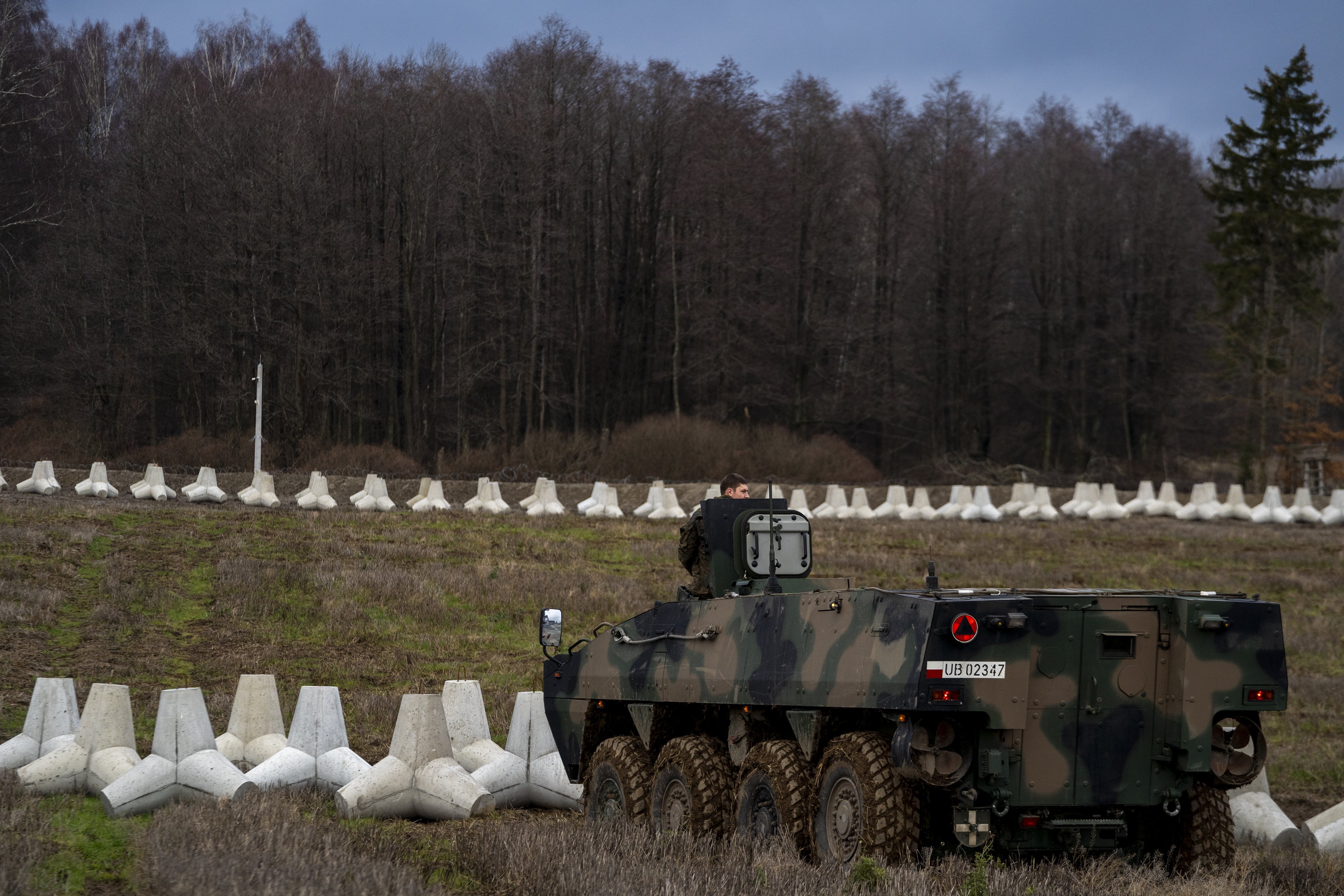
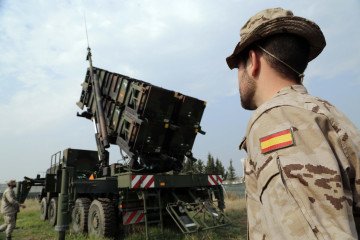
NATO is preparing to establish a largely unmanned, high-tech defense zone along its eastern border with Russia and Belarus as part of a broader effort to bolster deterrence capabilities.
The project, known as the Eastern Flank Deterrence Line (EFDL), will feature layered defenses built on autonomous weapons systems, surveillance sensors, and AI-integrated monitoring tools.
According to Welt am Sonntag, Brigadier General Thomas Löwin of the German Bundeswehr became the first NATO official to publicly outline the EFDL concept. He described the zone as a “hot area” designed to weaken the adversary’s offensive capabilities before direct engagement with NATO’s operational forces.
Speaking to Welt, Löwin explained that the EFDL aims to reduce human exposure during the initial stages of a potential conflict. While advanced technologies will play a leading role, Löwin emphasized that all decisions to use force will remain under human control, in accordance with international law and ethical guidelines.
The proposed zone will include autonomous ground platforms, armed drones, semi-autonomous vehicles, and automated air and missile defense systems.
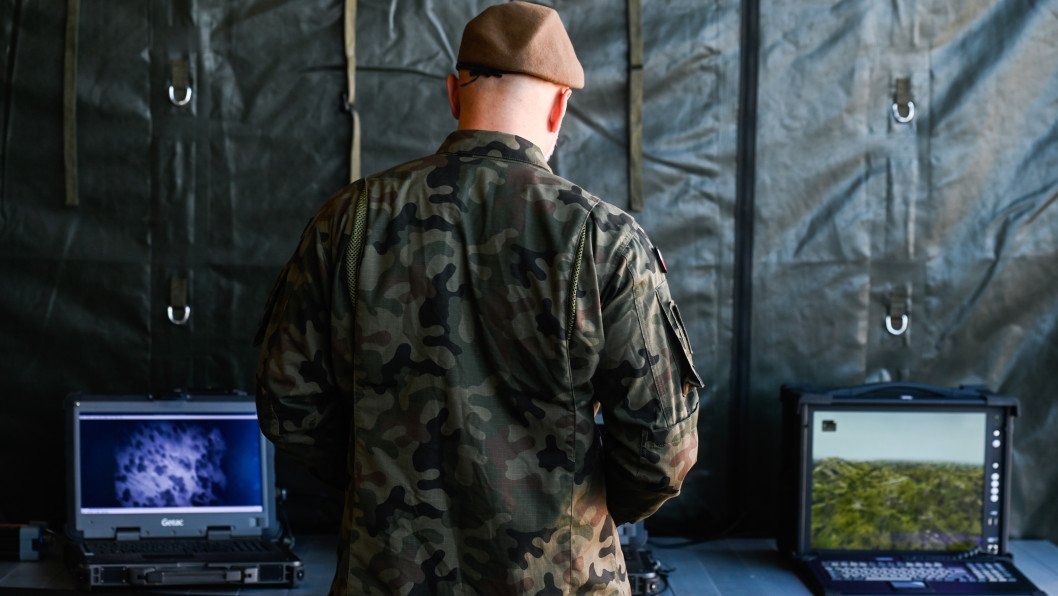
At its core will be a multi-tier sensor network composed of fixed and mobile radar systems, optical and acoustic detectors, satellite feeds, early warning aircraft, and reconnaissance drones—including quadruped robotic scouts.
These systems will feed data into NATO command centers, where artificial intelligence will analyze movements in real time and trigger appropriate defensive responses. The automated layer is intended to slow any advancing force and disrupt its operational tempo without risking NATO personnel.
The initiative will also involve significantly expanding stockpiles of ammunition and weapons in frontline NATO countries to ensure rapid logistics and reinforcement in case of escalation.
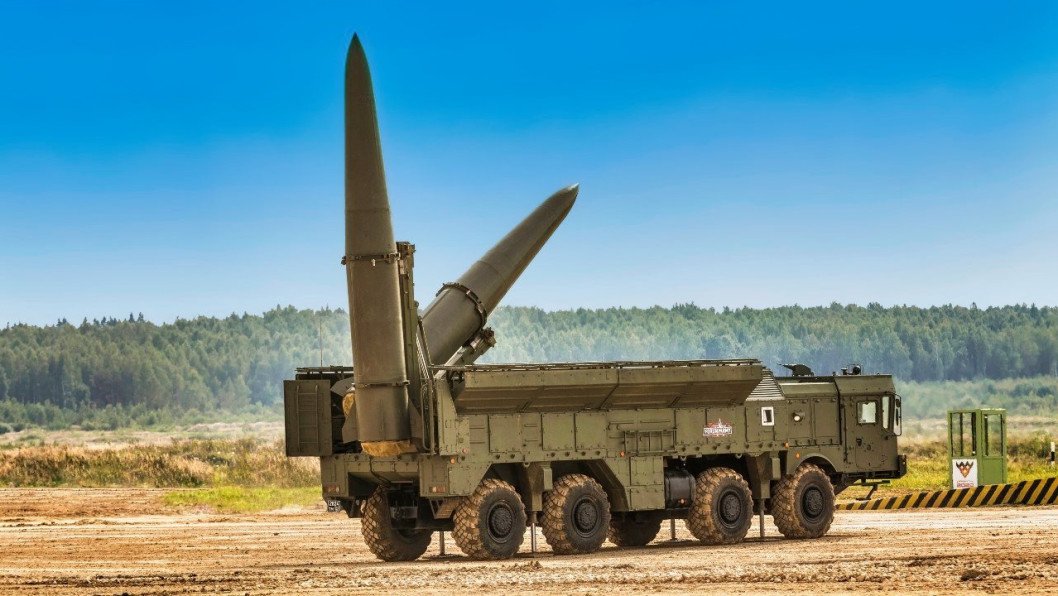
According to Welt am Sonntag, NATO aims to complete the EFDL project by the end of 2027, depending on funding and logistical coordination. The effort reflects the alliance’s ongoing recalibration of its defense posture following Russia’s full-scale invasion of Ukraine in 2022 and a series of subsequent provocations, including drone incursions into NATO airspace.
Löwin noted that the line of deterrence will not only integrate traditional forces but also rely on advanced technological systems to create what he called a “robotized or automated zone” along the border.
Lithuania, one of the countries directly bordering Russia and Belarus, has already taken steps to reinforce its defenses, including preparations to disable infrastructure such as bridges in case of a crisis.
Analysts, including those cited by Ukraine’s 24 Kanal, suggest that while a Russian attack on Europe remains unlikely in 2026, Moscow is expected to continue testing NATO’s response thresholds.
Earlier, Ukrainian President Volodymyr Zelenskyy warned in an interview with The Guardian on November 9 that Russia could launch an attack on NATO even before the war in Ukraine ends, describing Putin’s strategy as a potential attempt to offset battlefield setbacks by opening a new front in Europe.
Discuss this article:
-4a56a6b482ec132402c16ef6fcabf9a2.png)