- Category
- World
Russia Is Mass-Producing 1000-km Iskander Missiles That Can Reach Most of Europe, Leaks Reveal
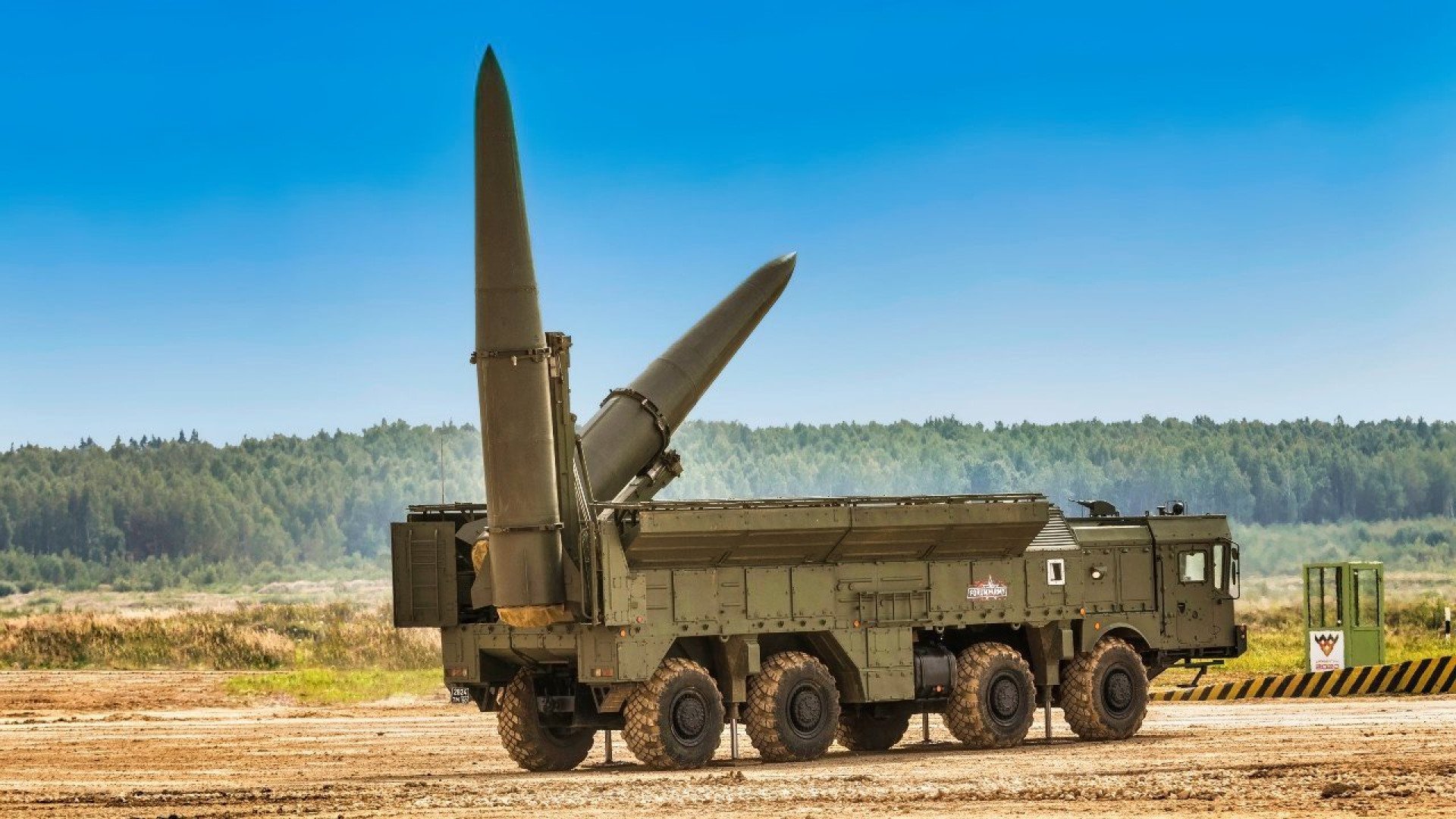
Leaked Russian production and financial documents show that Moscow is manufacturing a new Iskander 1000 ballistic missile with a range of up to 1,000 kilometers, capable of striking Oslo, Hamburg and other numerous European cities. Despite existing sanctions, the missile continues to rely on a wide range of Western-made components, and not all companies involved in its production are currently sanctioned.
 Prefer U24 Media on Google
- Authors


-206008aed5f329e86c52788e3e423f23.jpg "Photo of Oleksandr Moiseienko")
-605be766de04ba3d21b67fb76a76786a.jpg "Joseph Place")
The documents indicate that the missile, a modernized version of the 9M723 known internally as 9M723-2, has moved beyond experimental testing and entered serial production.
The Iskander system is already one of Russia’s most effective and frequently used weapons against Ukraine, routinely employed to strike both military and civilian targets. An extended-range version of this missile would significantly expand the threat beyond Ukraine, potentially placing much of Europe within reach if deployed from Russian territory or Kaliningrad.
What is the Iskander 1000 threat?
The Iskander missiles (designated as 9K720 Iskander) are a family of short-range ballistic missiles used by Russia and also exported to other countries. They are incredibly fast, with a speed of 2100–2600 m/s, making them extremely dangerous as they are very difficult to intercept, and warnings can often come too late.
Within the Iskander family, there are three categories. The two main groups are M and K. The former is primarily quasi-ballistic missiles, and the latter, K, yields cruise missiles. There is also the E group, which is short-range for export. Depending on the model, Iskander ballistic missiles can use different warhead types, such as cluster, thermonuclear, penetration, and thermobaric.
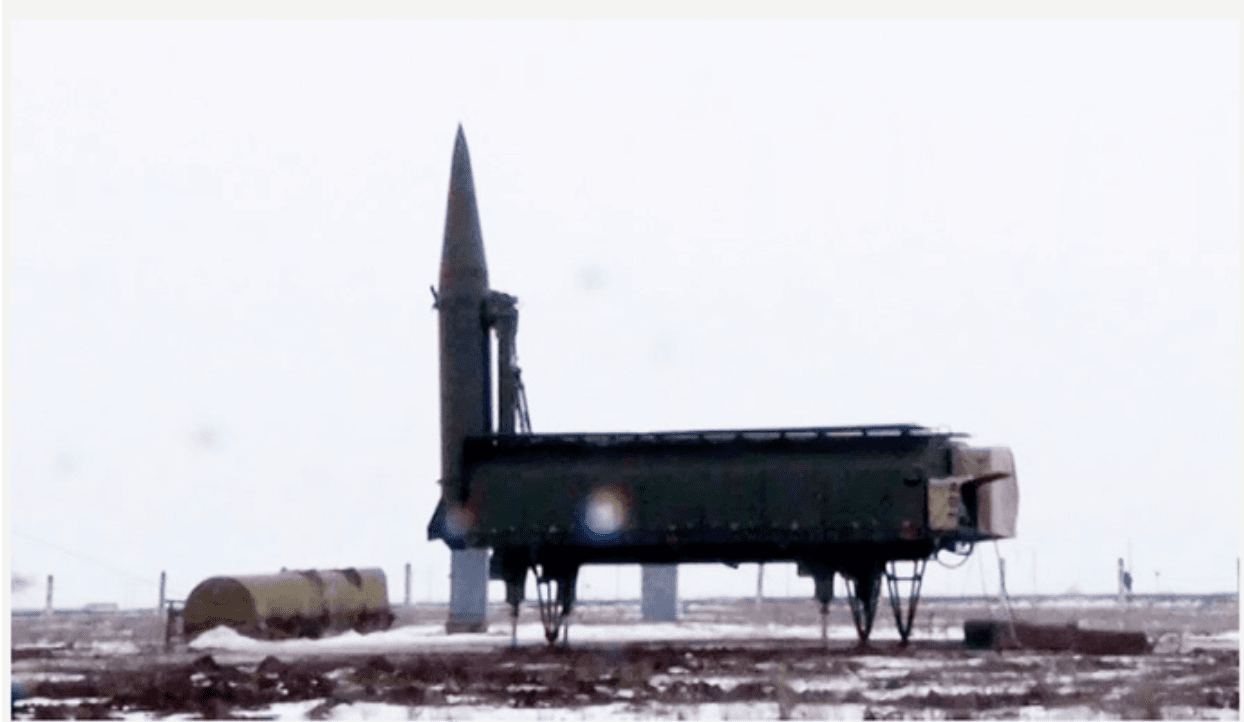
The new development is a variation of the M class, the 9M723 missile. This missile is the result of modifications from older variants and has been used against Ukraine since earlier this year, according to various sources, including the Royal United Services Institute. Technical and tactical enhancements include:
Enhanced maneuverability, making it harder to intercept.
Designed to overload air defenses, and routinely used to strike both military and civilian infrastructure.
Dubbed “Iskander 1000” due to its extended range of 1,000 km.
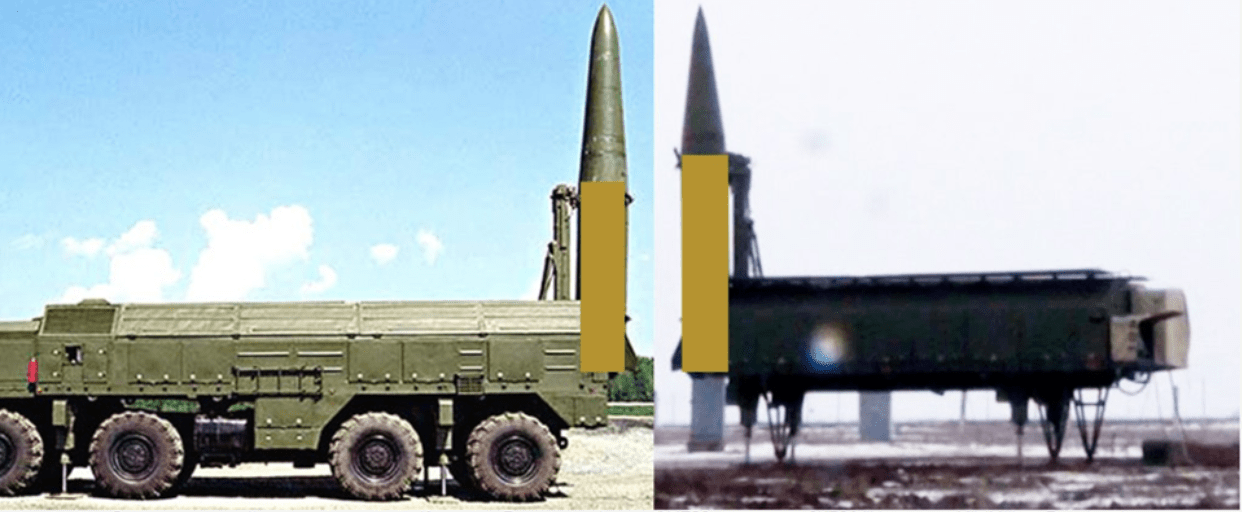
On the left is the 9M723, and on the right is the modernized version of the ballistic missile 9M723-2 dubbed the Iskander-1000.
What is concerning is that, so far, it has been difficult to distinguish between the different models from surveillance, as indicated in some open-source information from Russian sources.
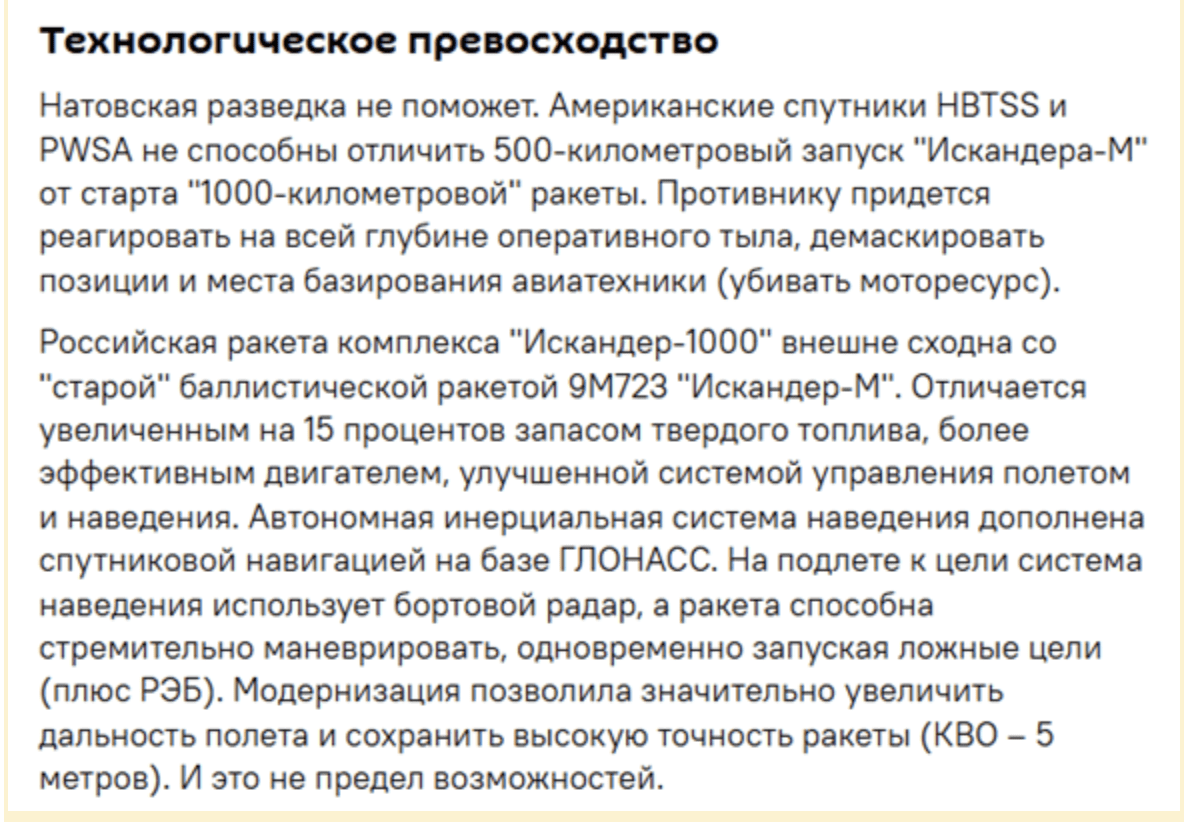
“NATO reconnaissance won't help. American HBTSS and PWSA satellites are unable to distinguish between a 500-kilometer Iskander-M launch and a 1,000-kilometer missile. The enemy will have to respond throughout the entire operational rear area, revealing the positions and locations of aircraft (killing their aircraft)” - says russian open sources.
Proof that the Iskander 9M723-2 is in production
We can see from leaked documentation that these missiles are in production, not just undergoing testing.
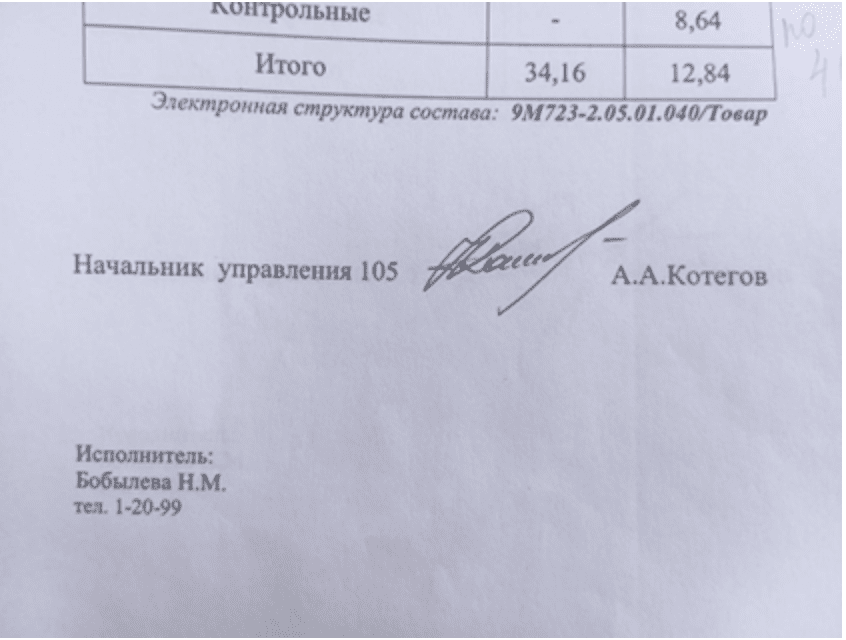
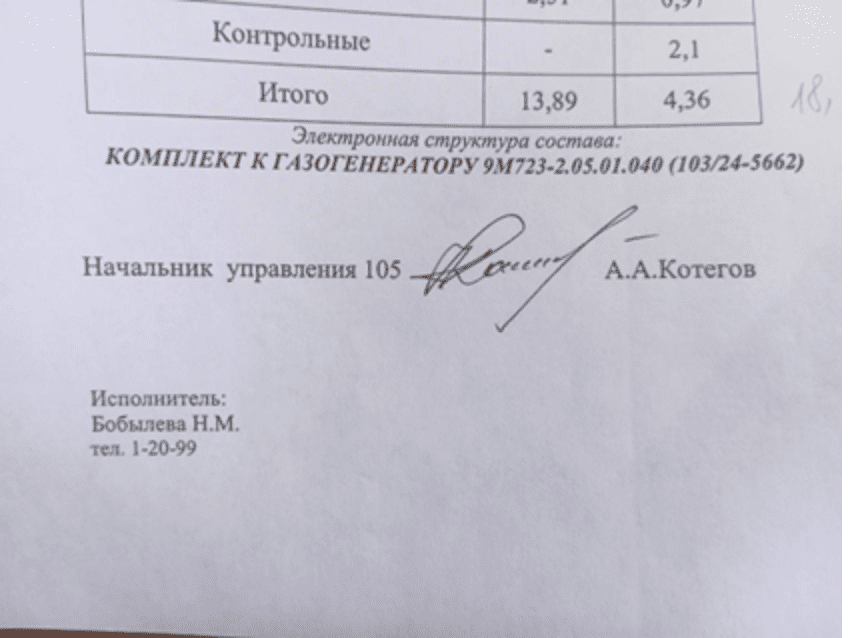
These two documents are financial records related to these missiles and indicate that they are procuring components for them. The documents specifically number 9M723-2 missiles and would only be used during the production cycle.
Further documentation proves they are in production.
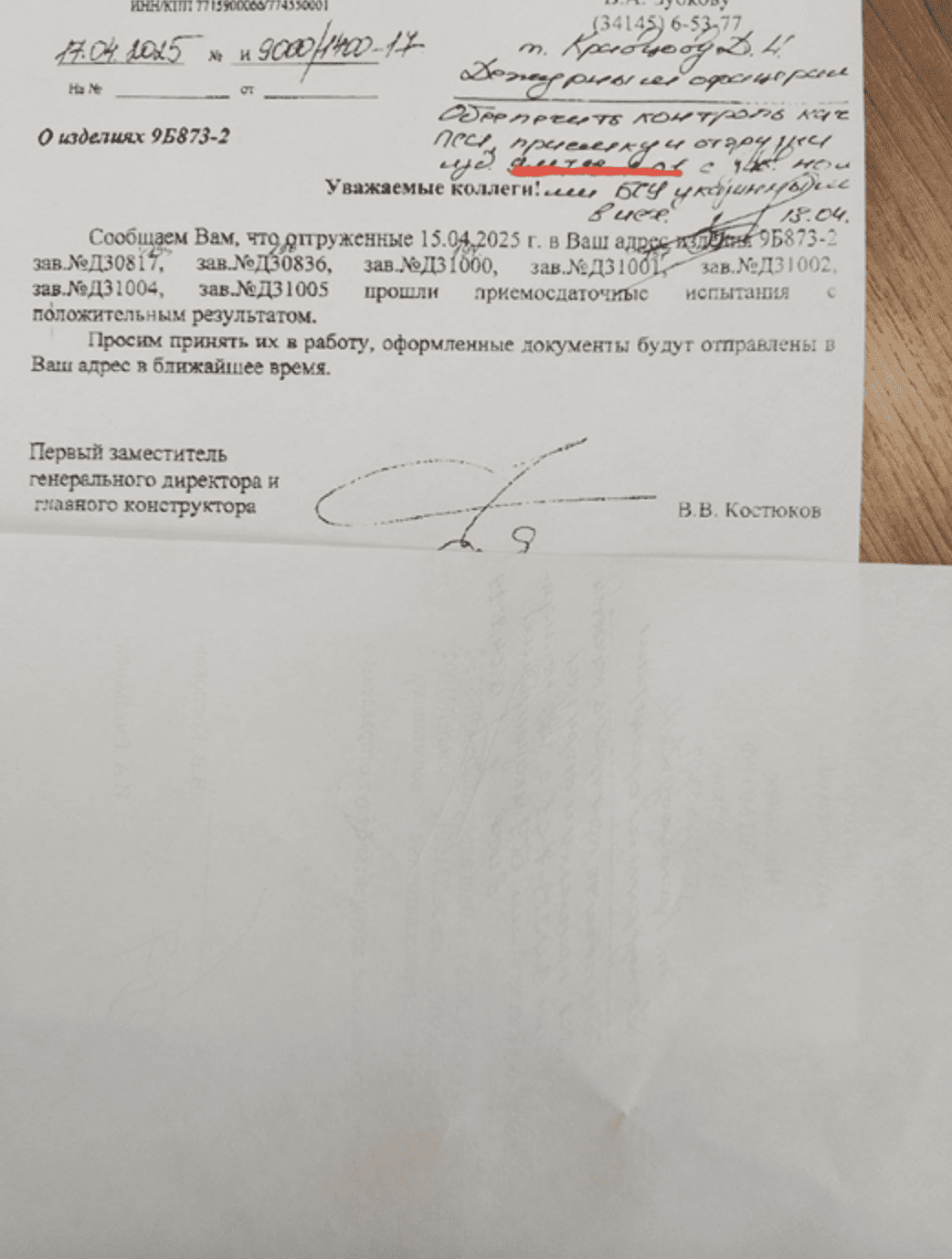
This document provides information on the manufacture and testing of the 9B873-2 BSU (autonomous inertial guidance system) for 9M723-2 ballistic missiles. Therefore, these missiles are in production, which should cause alarm across Europe.
Where could Russia hit with the Iskander-1000?
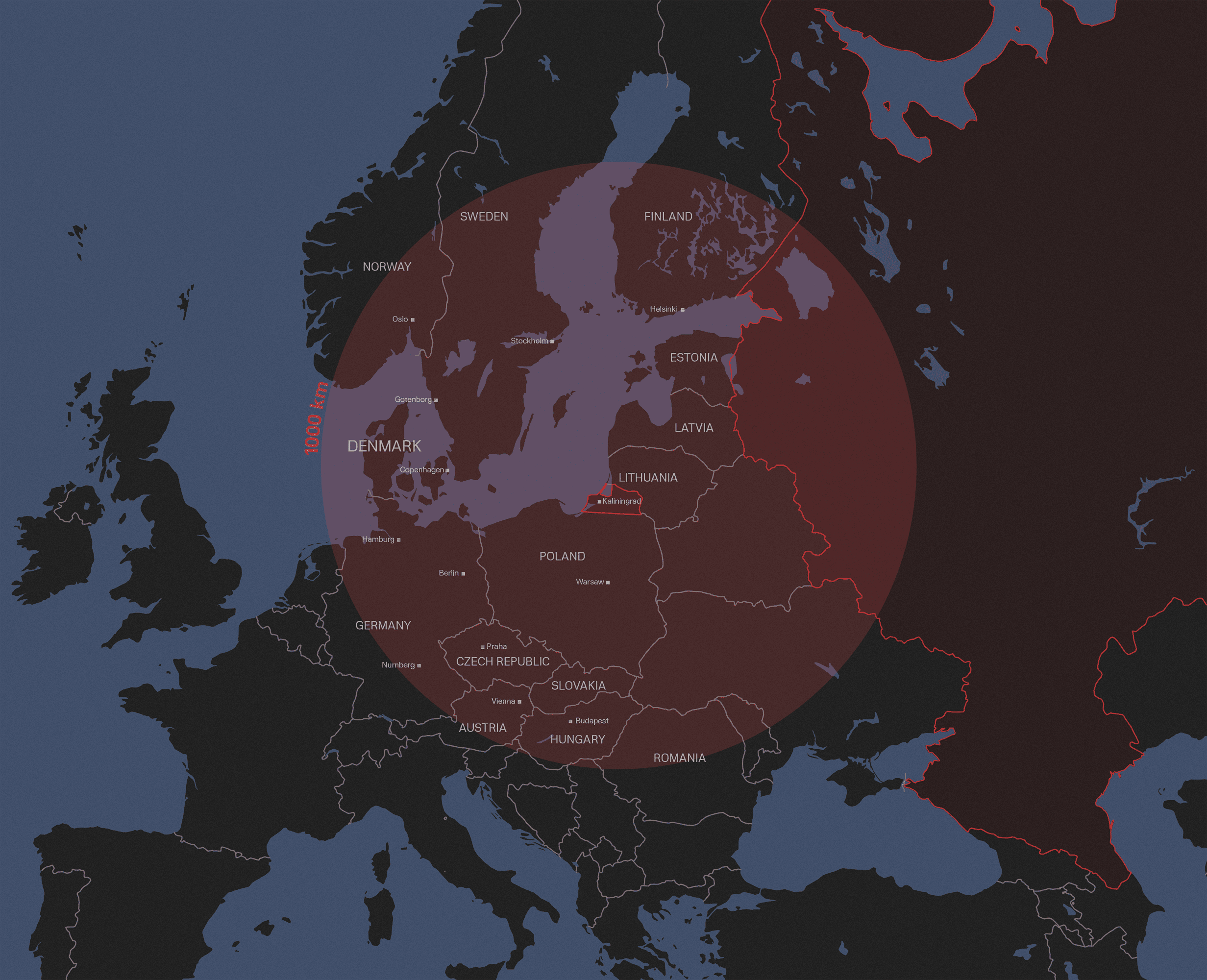
In January 2025, Russia announced it would begin manufacturing these missiles and deploy them in Kaliningrad. This enclave forms the most Western part of Russian territory, bordering Lithuania and Poland. This would put various European locations at risk of attack, such as:
Entirety of Poland
Much of Germany
Copenhagen and the shipping straits of Denmark
Southern Norway
Southern Sweden
Helsinki
Entireity of Estonia, Latvia, and Lithuania
Parts of the Netherlands
Czechia
Slovakia
Romania
Moldova
Even if the range was less even, within 500km, the position from Kalingrad still threatens much of Central and Eastern Europe, notably key NATO positions around the Suwalki gap, the Baltic countries, Poland, and parts of Germany.
Russia consistently attacks Ukraine with Iskander missiles. They are often used against civilian infrastructure, such as recent attacks in Dnipro and Kyiv, often as part of attacks with different missile types to overwhelm air defense, which have often hit hospitals, including children’s and maternity hospitals.
How foreign companies create the parts for the new missiles
New research by the Ukrainian intelligence service HUR has uncovered the components currently being used in the production of the new Iskander-1000 missiles.
The HUR announced: “The main executor of state contracts for the development and production of 9M723 missiles is the Russian ‘Engineering Design Bureau.’ The production of missiles is carried out at the facilities of the ‘Votkino Plant.’ Both enterprises have long been under sanctions by most countries of the sanctions coalition, as have most other manufacturers of components for the ballistic ‘Iskander.’”
There are also factories in the production chain that are currently not even under sanctions. “Thirteen of the 49 companies disclosed today are not currently under sanctions by any of the countries in the sanctions coalition,” said HUR. Among them are:
Morozov Plant, one of the manufacturers of solid propellant charges for Iskander engines;
PSB-Technologies and Pantes companies, manufacturers of circuit board kits for “Comet,” which Russia has begun to install in 9M723 missiles in place of false targets;
Serpukhov plant “Metalist,” manufacturer of accelerometers for platform-free inertial navigation systems of missiles.
What is most troubling is the wide range of Western-made parts from major companies, meaning there is a secondary transfer of these components to Russia.
The parts made abroad, which you can explore, are:
Country | Component | Company | Primary Use |
United States | Altera MAX EPM7160STI100-10N (FPGA) | Altera (Intel) | Logic and control circuits |
United States | Xilinx FPGA components | Xilinx (AMD) | Guidance and control electronics |
United States | IRF3710 MOSFET (power transistor) | International Rectifier (Infineon) | Power management |
United States | ILQ74 Optocoupler | Vishay Intertechnology | Signal isolation |
United States | CY7C1041DV SRAM | Cypress Semiconductor | Volatile memory for onboard computing |
United States | ADuM1300 Digital Isolator | Analog Devices | Signal isolation in control systems |
United States | Various ICs | ON Semiconductor | Power regulation and logic |
Taiwan | Vortex86DX (x86-compatible SoC) | DM&P Electronics | Onboard computer and navigation processing |
Switzerland / Italy | Microcontrollers and logic ICs | STMicroelectronics | Guidance, navigation, and control electronics |
Germany | Power components | Infineon Technologies | Power management and switching |
Japan | Capacitors and passive components | Murata, TDK | Signal conditioning and power stabilization |
South Korea | Memory chips | Samsung Electronics | Data storage and processing |
Netherlands | Logic ICs | NXP Semiconductors | Control and interface electronics |
“In the spring of 2025, Ukraine imposed sanctions on manufacturers of Iskander missiles,” Vladyslav Vlasyuk, Presidential Commissioner for Sanctions Policy, told us, commenting the issue of foreign-made parts. “The sanctions package included 60 legal entities, of which less than half (22) are under sanctions in at least one jurisdiction (mostly US sanctions)”
Ukraine is working with partners to further disrupt the military supply chain on various materials, he said, including “Carbon fiber, which is produced using raw materials imported by Russia from EU countries (Austria, Italy, Germany, Czechia), as well as Türkiye and China.” These parts are essential for the process of manufacturing, and proper sanctions can prevent more of these missiles from being manufactured.
What should Europe do?
First, there is a heightened capability for Russia to strike deep into Europe with these missiles, which, in the event of a wider conflict, would bolster Russian capabilities. It can also be used as leverage for negotiations and to pressure Europe and NATO. Further, these missiles could jeopardise global security.
It is important to note, as HUR did, that these missiles may also find themselves in the hands of other countries, such as North Korea, which has received weaponry from Russia in the past. Iran and other countries could also acquire these missiles in the future. Russia is currently producing Su-35 with the intention of export to Iran, fulfilling an order from before the full-scale invasion, as leaked documentation shows. Therefore, it is conceivable that these missiles could also be exported to Iran or other countries.
What is the proper response? “First, the EU should increase the scope of sanctioning companies involved in circumventing sanctions on specific goods and services.” Olena Yurchenko, director for analysis, investigations, and research at the Economic Security Council of Ukraine (ESCU) said. “Currently, the pace is slow, and the number is small, around 5-7 companies per package on average, while there are thousands of circumventing companies.
Second, focus on improving the sanctions enforcement mechanism. Particularly mandatory compliance checks of buyers by European exporters, which should be extended to all goods that can have military use or contribute to Russia’s industry potential. This rule only applies to the Common High Priority list. The market needs to be told that ignorance does not overrule responsibility.
Thirdly, Russian enterprises are increasingly using Chinese technologies and not only goods of Western origin that are re-exported through China. The EU faces the challenge of balancing relations with Beijing, and sanctions are often half-hearted. Even if the EU does not want to sanction China, it can sanction intermediary companies that export to Russia.
Finally, the EU has consistently established strong mechanisms in several packages, in particular, mirroring Russian restrictions on jurisdictions that are particularly active in circumventing sanctions. Although the likelihood of introducing such measures is minimal, there is still room for maneuver, including in the sanctions diplomacy of the EU Special Representative for Sanctions.”
Discuss this article:

-c439b7bd9030ecf9d5a4287dc361ba31.jpg "Photo of Katherina Popilnichenko")
-72b63a4e0c8c475ad81fe3eed3f63729.jpeg "Photo of Cyril Barabaltchouk")
-111f0e5095e02c02446ffed57bfb0ab1.jpeg "Photo of Roman Kohanets")