- Category
- Latest news
As Russia’s Hybrid War Escalates Across Europe, NATO Weighs a More Forceful Response
 Prefer U24 Media on Google
- Authors


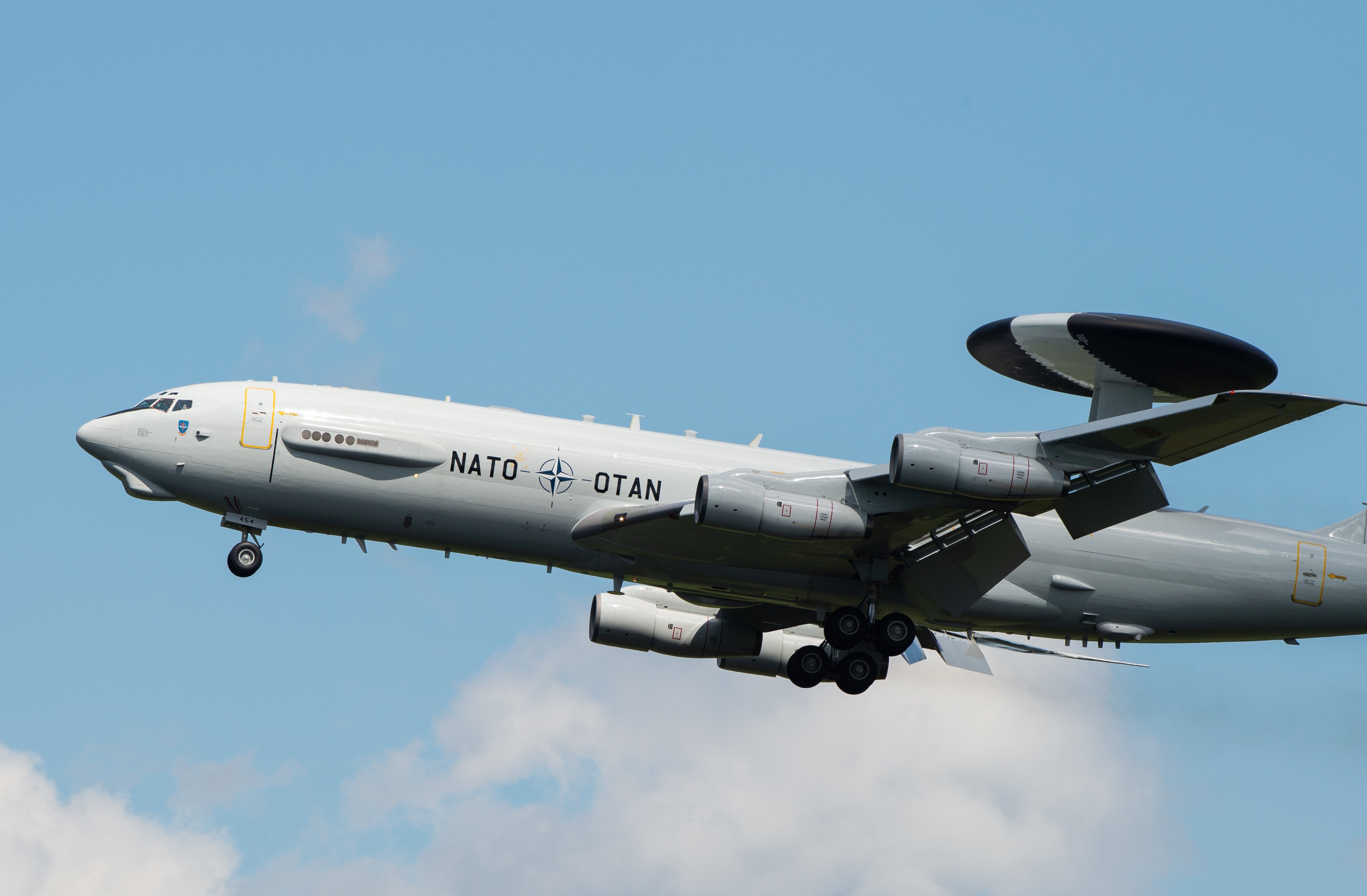
European governments and NATO are increasingly discussing the possibility of taking active measures against Russia in response to a surge in cyberattacks, sabotage incidents, and other forms of hybrid pressure, Politico reported on November 27.
According to the outlet, Russian drones and operatives have continued striking targets across NATO territory—a level of activity that has pushed Europe to consider options that would have been unthinkable only a few years ago, including joint offensive cyber operations against Russia, rapid attribution of hybrid attacks, and surprise NATO-led military drills.
We bring you stories from the ground. Your support keeps our team in the field.
“The Russians are constantly testing the limits—what is the response, how far can we go?” Latvian Foreign Minister Baiba Braže told Politico. “A more proactive response is needed… it’s doing, not talking, that sends a signal.”
Recent months have seen Russian drones violate the airspace of Poland and Romania, while unidentified UAVs disrupted airports and military installations across Europe.
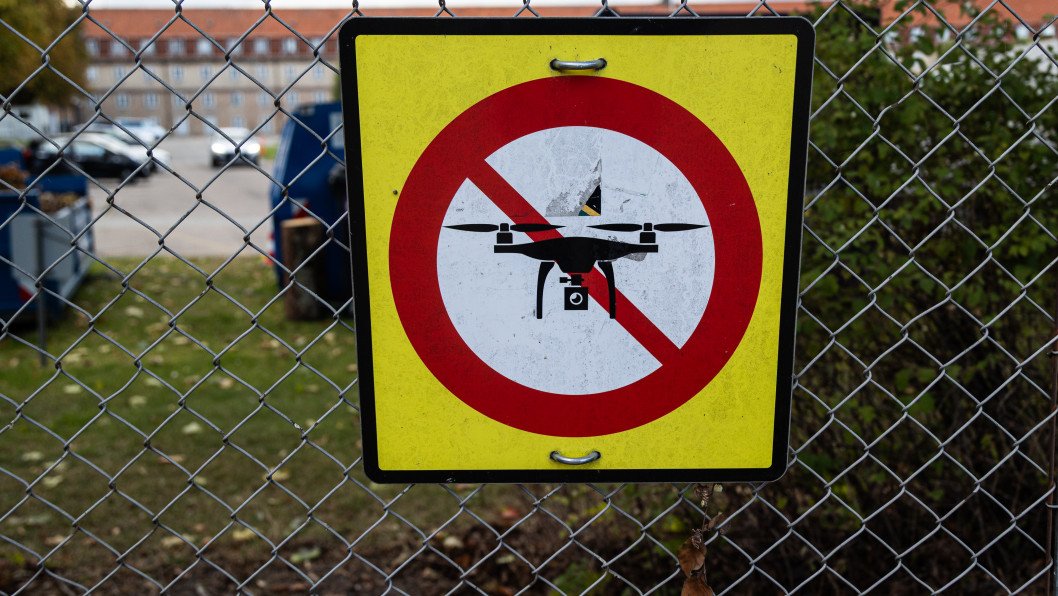
Other incidents include GPS jamming, incursions by Russian aircraft and naval vessels, and even an explosion on a critical Polish rail line used to move military aid to Ukraine.
German Deputy Defence Secretary Florian Hahn said Europe must decide “how long we are willing to tolerate this type of hybrid warfare… and whether we should consider becoming more active ourselves.”
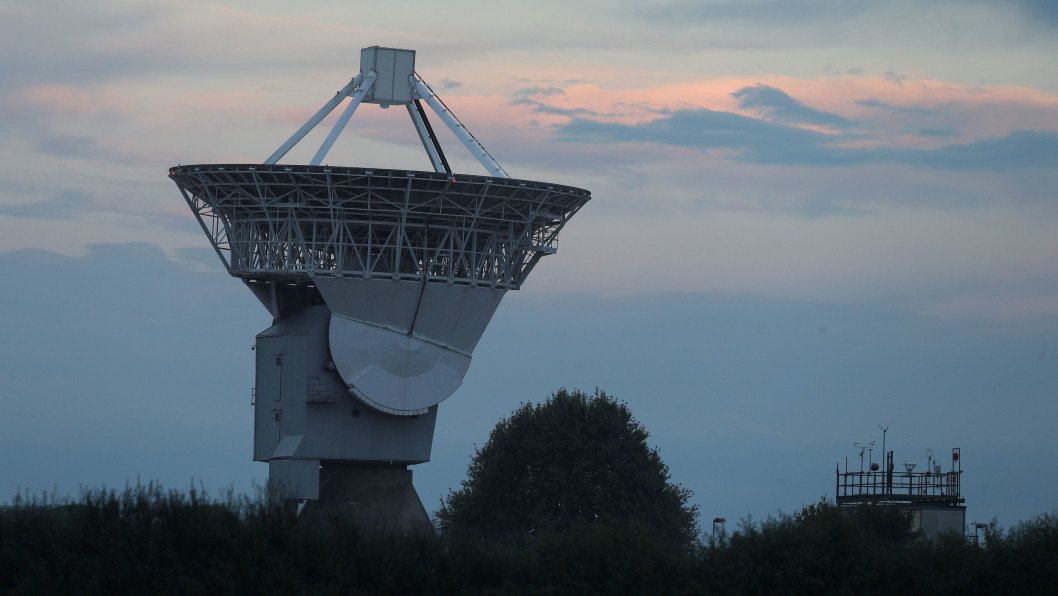
According to Politico, those hybrid attacks are not new—Russia has been accused for years of assassinations in the UK, blowing up ammunition depots in Central Europe, financing far-right parties, and interfering in elections. What is new, analysts say, is the scale. The think tank Globsec counted more than 110 sabotage attempts and attacks across Europe between January and July, mostly in Poland and France, involving individuals linked to Moscow.
Still, Western officials stress that Europe does not seek open conflict with a nuclear-armed Russia. The challenge is crafting deterrence that is forceful enough to signal resolve but avoids triggering a direct confrontation.
Last night, Poland’s airspace was breached 19 times by drones manufactured in Russia. Our assessment is that they did not veer off course but were deliberately targeted.
— Radosław Sikorski 🇵🇱🇪🇺 (@sikorskiradek) September 10, 2025
Poland, EU and NATO will not be intimidated and we will continue to stand by the brave people of Ukraine.… pic.twitter.com/prAEqrIUKX
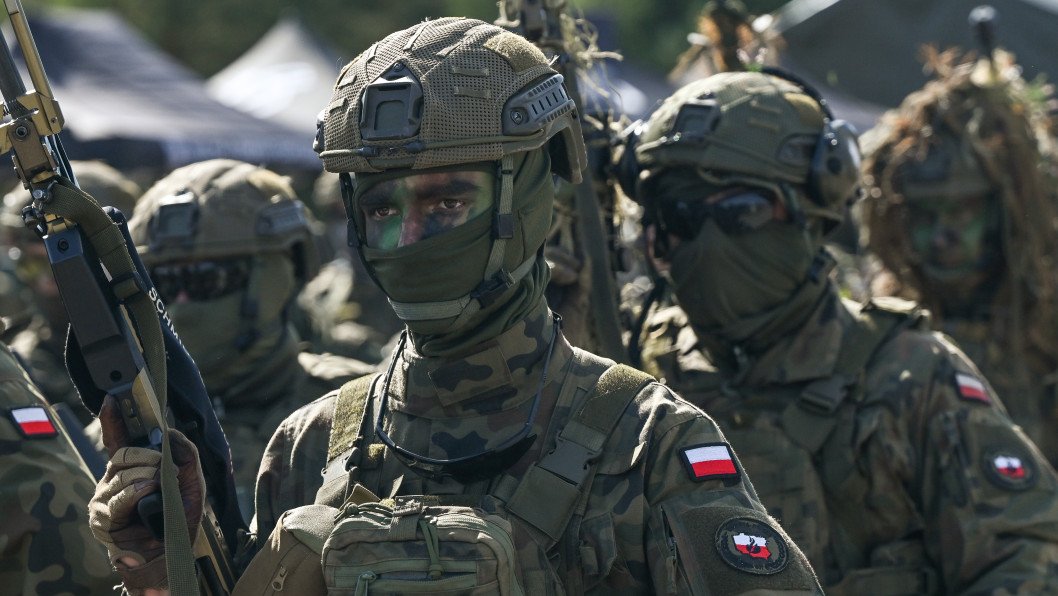
European capitals are beginning to shift tone. Poland deployed 10,000 troops to guard key infrastructure after sabotage on the Warsaw–Kyiv rail line, with Prime Minister Donald Tusk accusing Moscow of “state terrorism.” EU foreign policy chief Kaja Kallas warned such threats pose an “extreme danger” to the bloc and require “a strong response.”
Several governments have rolled out new defensive authorities, including rules allowing security forces to shoot down drones over airports and restricted sites. National cyber units are also expanding offensive capabilities—Denmark, Czechia, and the UK already conduct such operations, Politico noted.
Braže said allies must “be more proactive on the cyber offensive” and improve intelligence sharing, while analysts told Politico that cyber tools could be used to disrupt Russia’s war-related infrastructure—including the Alabuga industrial zone that produces Shahed drones.
But any future action, one EU diplomat cautioned, must come with plausible deniability.
For its part, NATO remains wary of crossing into offensive territory, but former alliance spokesperson Oana Lungescu said the bloc can still respond forcefully through rapid attribution, no-notice military drills near Russia’s borders, and visible demonstrations of unity.
A senior NATO diplomat told Politico that more work is needed on hybrid threats, stressing the importance of collective messaging after attacks and proving that the alliance “can shift assets around in a flexible way.”
Earlier, Germany took delivery of its first P-8A Poseidon maritime patrol aircraft, initiating a significant expansion of Berlin’s long-range sea surveillance and anti-submarine capabilities.
Discuss this article:



-c439b7bd9030ecf9d5a4287dc361ba31.jpg "Photo of Katherina Popilnichenko")