- Category
- Latest news
Russia Targets German Satellites With Electronic Attacks as Both Moscow and Beijing Close In From Orbit
 Prefer U24 Media on Google
- Authors


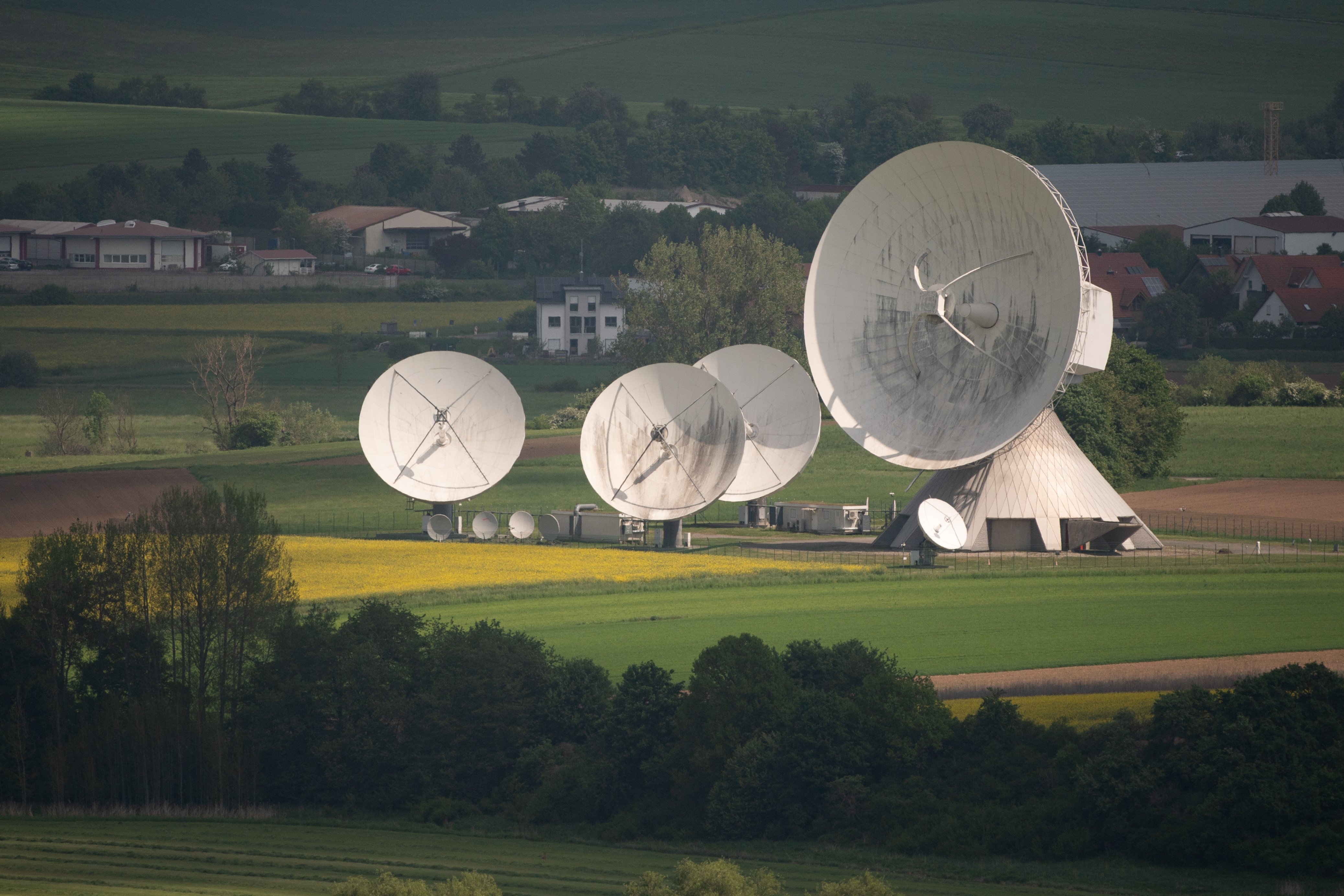
Germany’s military intelligence has confirmed a surge in hostile Russian activity in orbit, including satellite jamming, close-approach maneuvers, and attempts to monitor Ukrainian troops training on German soil, according to a joint investigation by WDR, NDR, Süddeutsche Zeitung, and Tagesschau on November 18.
Officials told reporters that one German military satellite temporarily lost communications for several hours this spring after Russia jammed it from a ground site—an incident described as one of several recorded since last year.
“We are under threat. Russia has the capability to seriously disrupt us in space,” said Maj. Gen. Michael Traut, head of Germany’s Space Command.
Did You Know SpaceX is launching German Military satellites this morning? They are! Let's see what they are all about.
— S.E. Robinson, Jr. (@SERobinsonJr) December 23, 2023
SARah, short for Satellite-based Radar Reconnaissance System, is Germany's cutting-edge successor to the SAR-Lupe radar satellite constellation, that serves the… pic.twitter.com/aeifwMLF2m
Data from French tracking firm Aldoria shows that since April 2023, Russian satellites have repeatedly maneuvered to within roughly 140 kilometers of German military spacecraft—close enough, analysts say, to intercept sensitive signals. German officials confirmed the trend and said deliberate jamming attempts targeting both ground and orbital infrastructure are increasing.
Investigators also report that Russian satellites have positioned themselves to observe German bases where Ukrainian soldiers receive training. When such maneuvers are detected, exercises are sometimes moved indoors to avoid surveillance.
Moscow isn’t the only concern. The investigation found that Chinese satellites have also approached German spacecraft, with one incident last July involving a Chinese satellite closing to roughly 120 kilometers. While Berlin avoided commenting on specific cases, officials acknowledged China’s “ambitious” space program and its demonstrated ability to conduct close-proximity operations.
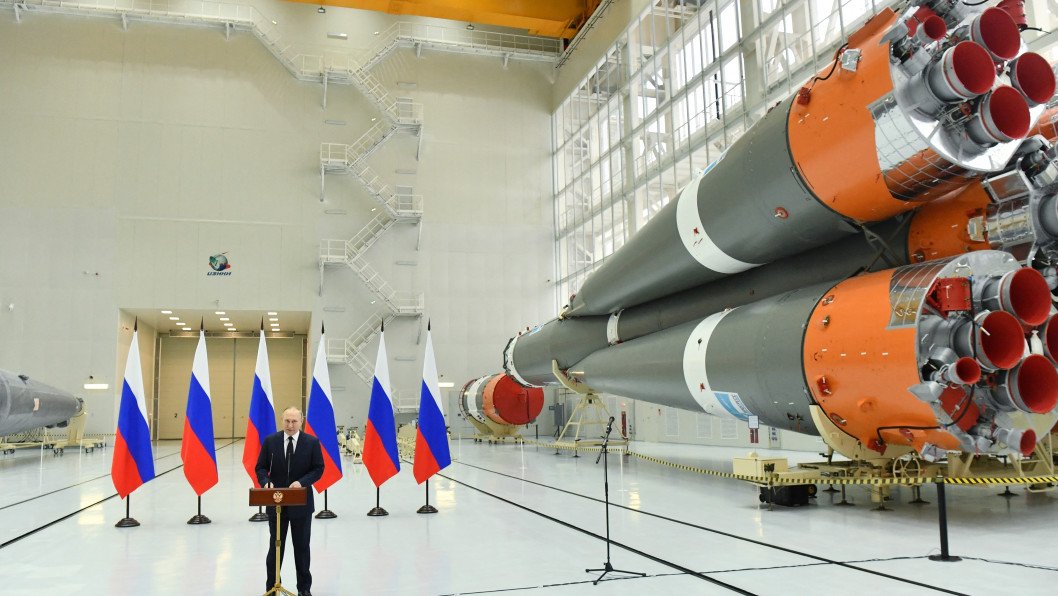
Germany plans to unveil its first national space-security strategy this week, a move accelerated by what officials describe as a rapidly deteriorating threat environment. Berlin’s draft strategy names Russia and China as primary risks and warns both countries have demonstrated or tested capabilities to interfere with, damage, or destroy satellites.
The concerns mirror warnings from other NATO members. In October, Britain’s Space Command said Russia attempts to interfere with UK military satellites “on a near-weekly” basis. France’s President Emmanuel Macron recently cautioned that space “has become a battlefield.”
The stakes are high. Modern militaries—and global civilian infrastructure—depend on satellites for navigation, communications, finance, and weather forecasting. Shortly after Russia launched its full-scale war against Ukraine, a suspected Russian cyberattack on a European communications satellite disrupted Ukrainian military connectivity, underscoring how space operations can have direct consequences on the ground.
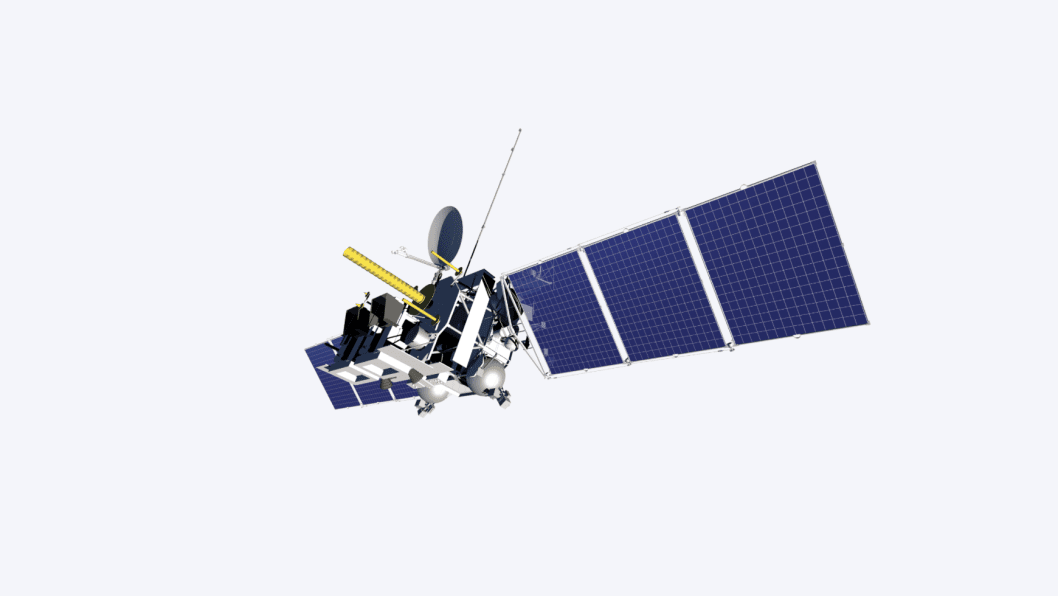
Germany has only a handful of military satellites, far fewer than the United States’ roughly 200, Russia’s 100, or China’s 150. The EU collectively operates just over 30. Berlin’s new strategy earmarks €35 billion for space programs through 2035 and calls for building deterrence capabilities if rival powers refuse to uphold norms in orbit.
Western security officials believe Russia may be developing a nuclear anti-satellite system—capabilities NATO Secretary General Mark Rutte warned about earlier this year. While some of Russia’s space assets are considered outdated, its willingness to escalate in Ukraine has heightened concerns that Moscow might expand conflict into space.
China, meanwhile, continues to demonstrate technical sophistication. Years ago, Beijing successfully maneuvered a satellite close to another object in orbit and nudged it off its trajectory—an act that alarmed Western militaries and highlighted China’s potential counter-space capabilities.
Earlier, Maj. Gen. Paul Tedman, head of the UK Space Command, reported that Russia was routinely shadowing and trying to jam British military satellites.
Discuss this article:



-c439b7bd9030ecf9d5a4287dc361ba31.jpg "Photo of Katherina Popilnichenko")