- Category
- World
Not an Army, But Close—Russia’s Shadow Fleet Is a Covert Military Asset
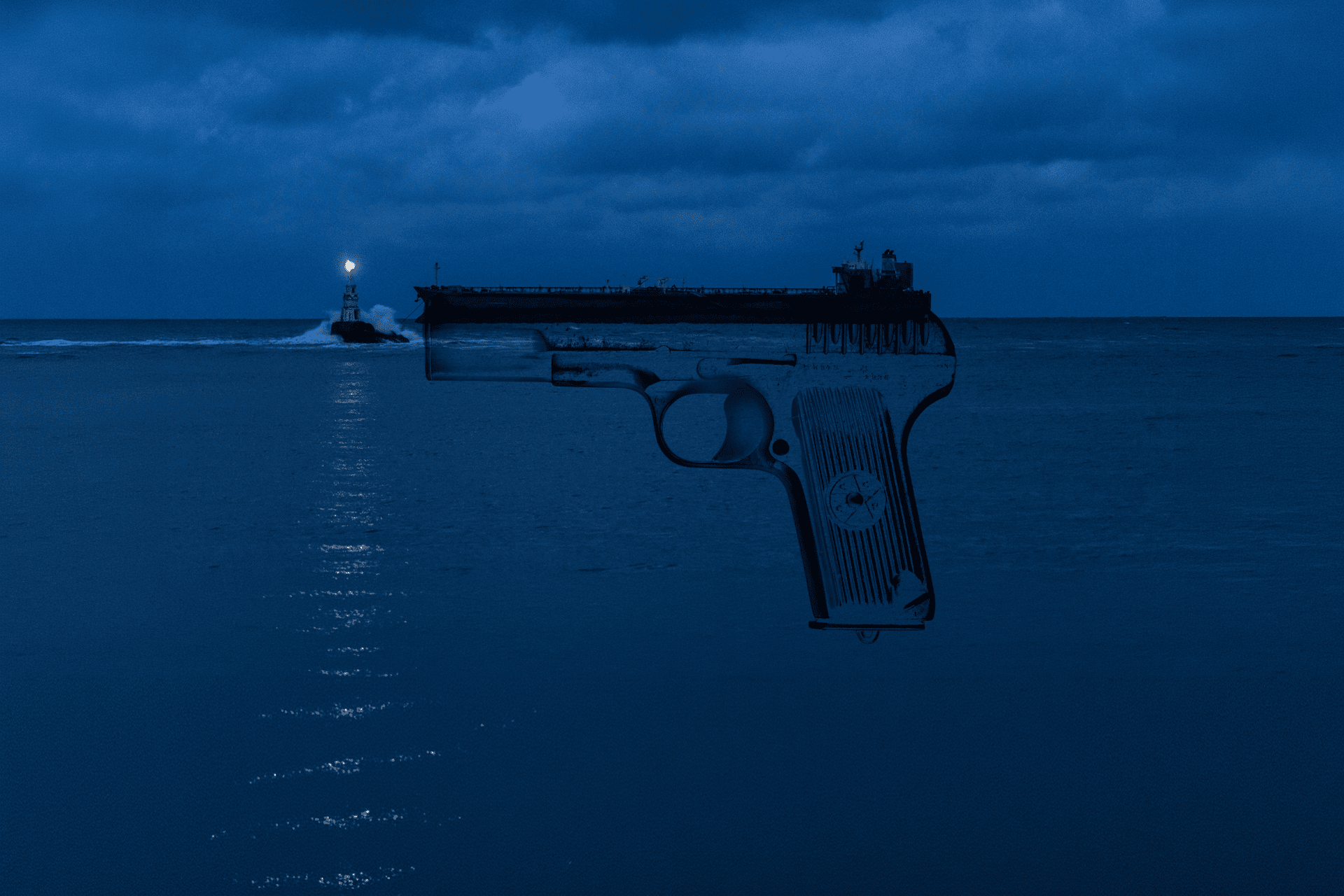
Our investigation reveals how Russia’s shadow fleet is the backbone of the Kremlin’s military logistics, controlled by all aspects of the Russian state, turning the vessels into key instruments of power.
 Prefer U24 Media on Google
- Authors

-46f6afa2f66d31ff3df8ea1a8f5524ec.jpg "Photo of Jess Daly")
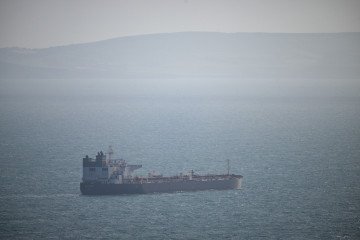
Since the beginning of the full-scale invasion of Ukraine, Russia has relied on its “shadow fleet” of tankers as a critical military and economic instrument to sustain its war effort.
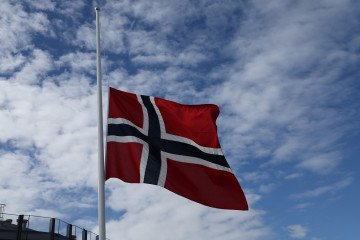
The fleet operates under flags of convenience to evade sanctions, transporting oil, stolen Ukrainian grain, and weapons. They have also been linked to sabotage activity in the Baltic Sea.
UNITED24 Media’s investigation, based on analysis of internal documents, reveals that Russia’s shadow fleet is, in fact, a Kremlin-built structure operating under direct strategic control, deeply embedded within the country’s security services, defense agencies, and state banks, with its operations overseen by key figures in the inner circle of Russian leader Vladimir Putin.
Now, every tanker should be considered a military asset, operating as an extension of Moscow’s state power at sea.
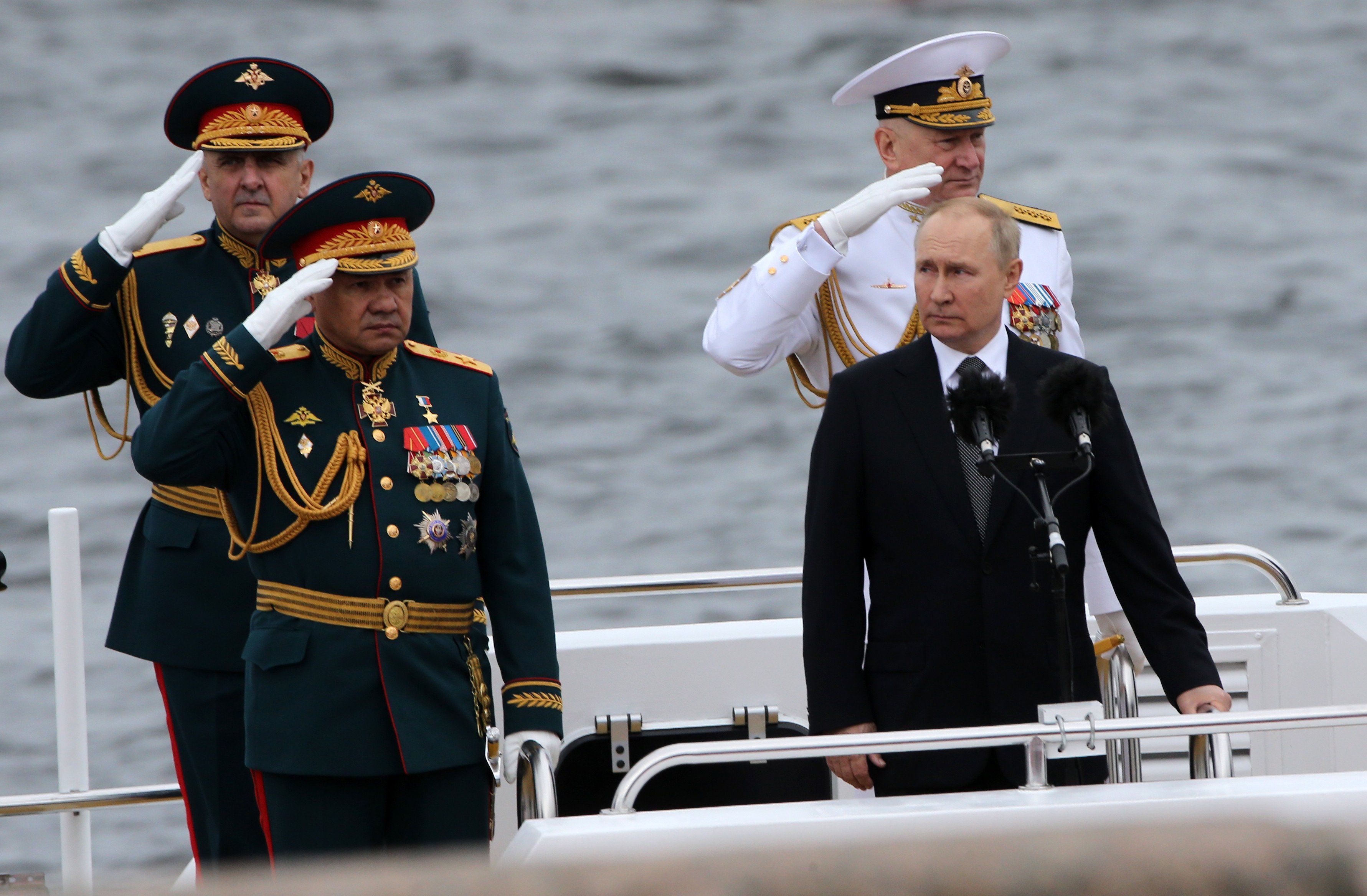
There are an estimated 1,400–1,800 vessels in Russia’s fleet, accounting for roughly 10% of global wet cargo capacity. Oil and gas revenues remain the lifeblood of the Russian budget, and around 80% of Russian oil is moved via three categories of tankers: those controlled by Russian intelligence, those operated by allied states such as Iran and China, and those run by independent carriers.
The family at the top of Putin’s shadow fleet operation
Russia’s shadow oil tanker fleet reflects a centralized, Soviet-style system built on scale, ageing assets, and tight state control. At the centre of the fleet’s operations is the Fradkov family.
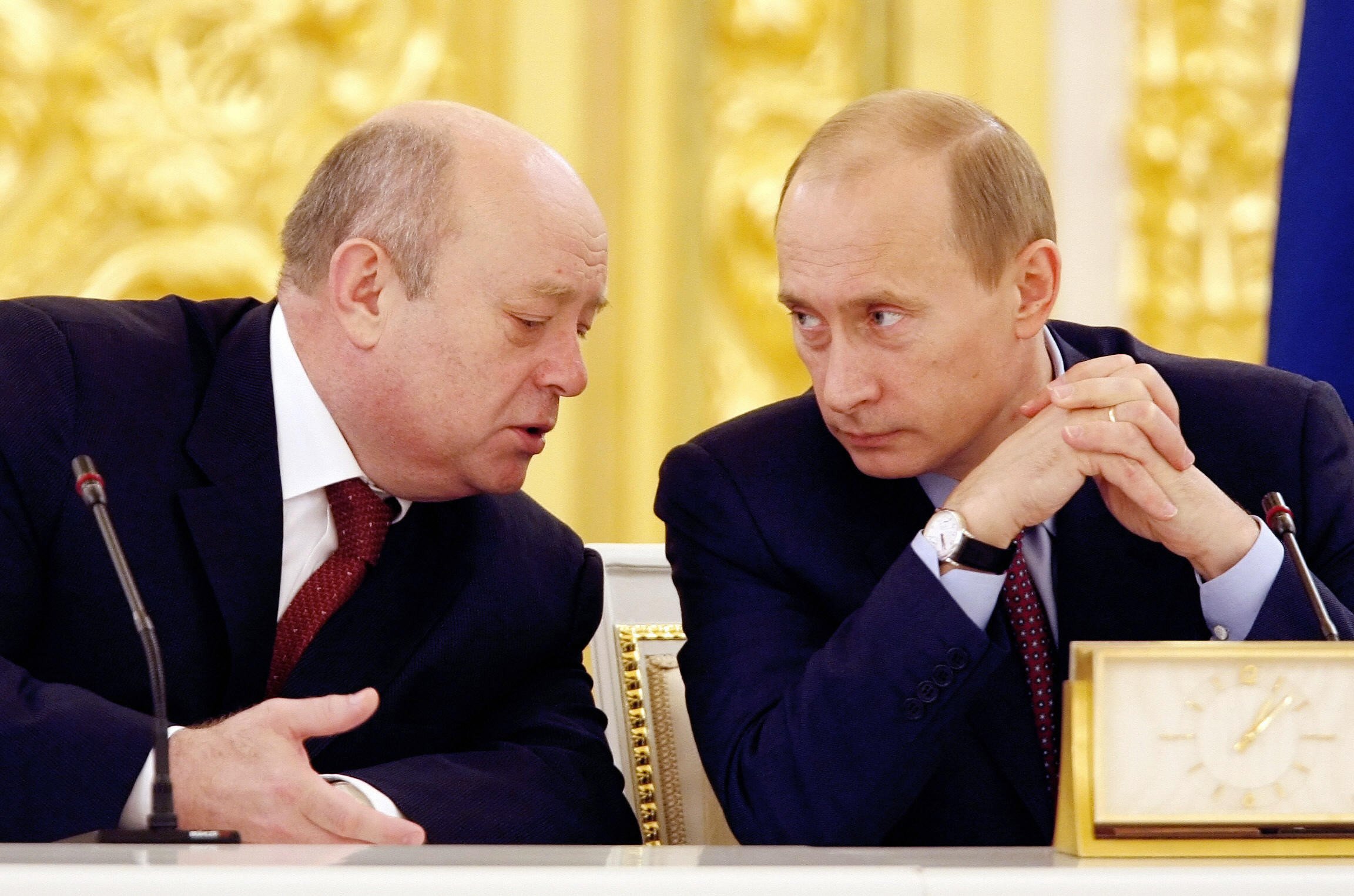
Mikhail Fradkov, former prime minister and ex-head of Russia’s Foreign Intelligence Service, now leads the Russian Institute for Strategic Studies (RISS), widely seen as an extension of Russia’s security services and widely linked to state influence operations in Europe.
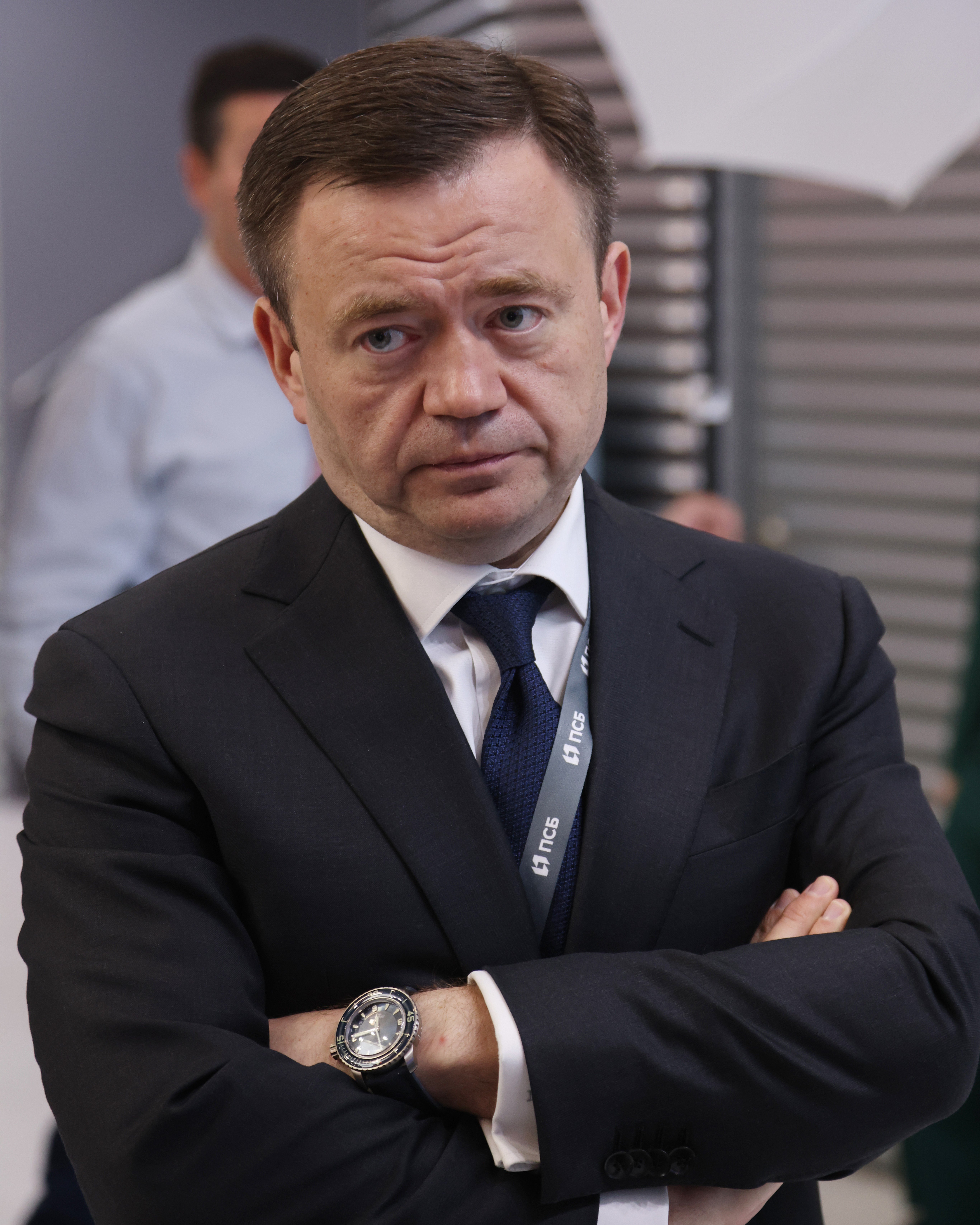
His sons also hold key roles. Pyotr Fradkov chairs Promsvyazbank (PSB), a state bank central to Russia’s defense sector and sanctioned for supporting the war economy, sanctions evasion, influence operations in Moldova, and a $2.5B covert cash transfer to Iran.
Then there’s Pavel Fradkov, who serves as Deputy Minister of Defense. Oversight of oil shipments is also linked to the Ministry of Defense and military intelligence, underlining the fleet’s integration into state security structures.
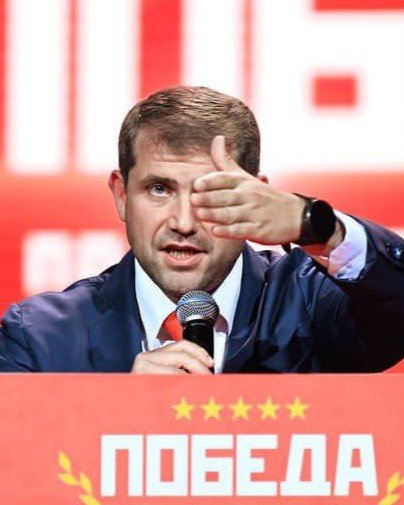
Another central figure is Ilan Șor, who is reported to manage financial operations linked to the fleet. Convicted in Moldova for large-scale bank fraud, Șor now operates from Moscow and through his organisation A7—linked to PSB—he is involved in financial and logistical channels connected to the fleet.
The next key players in the Kremlin’s shadow fleet operations
Vladislav Surkov, a former aide to Putin and widely regarded as a key Kremlin strategist, is also linked to the shadow fleet network. His former associate, Mikhail Silantiev, is thought to oversee shipments, having previously supplied oil to Russian-occupied Donbas and Crimea.
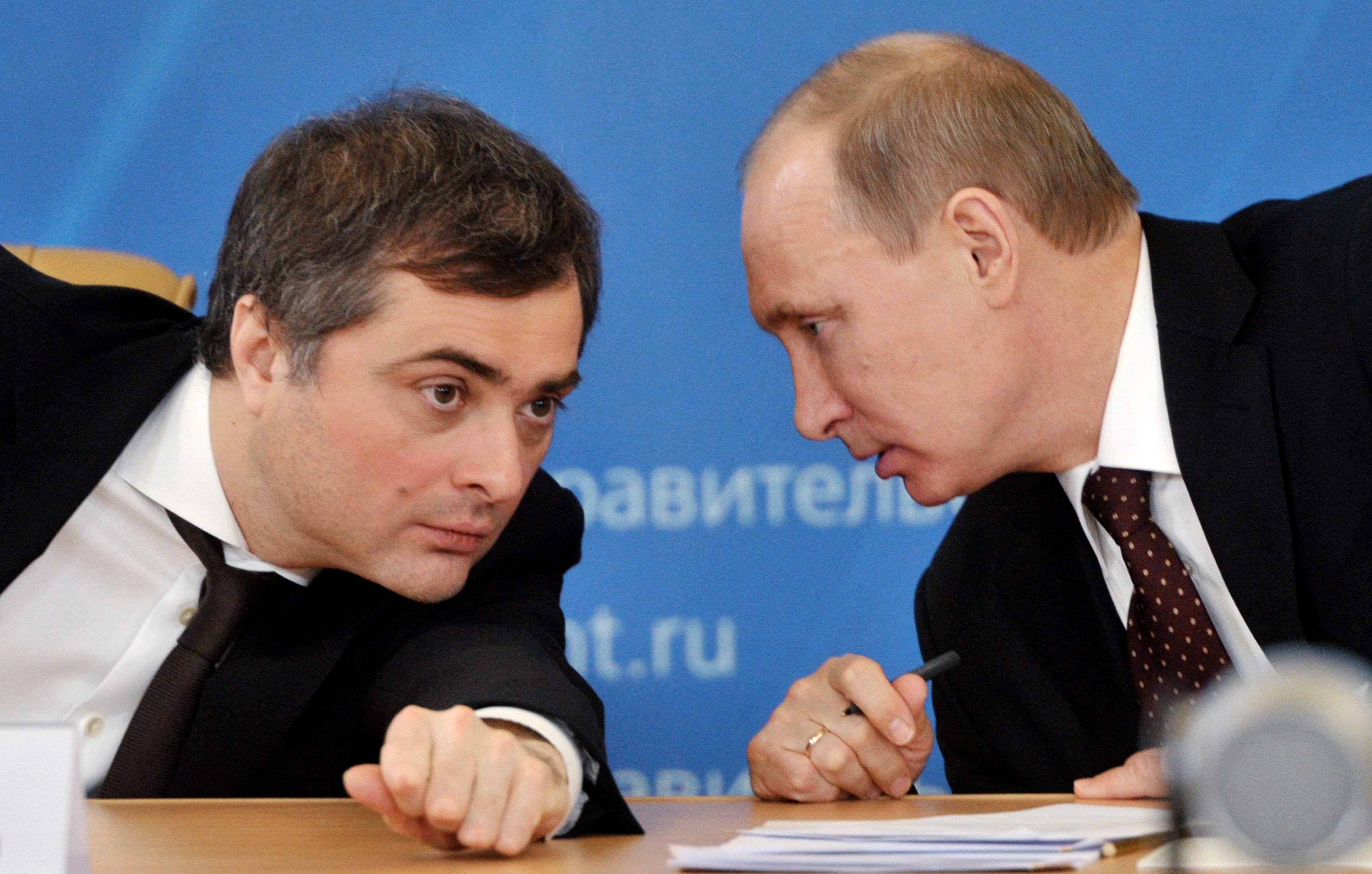
Kremlin aide Nikolai Patrushev is reported to oversee shipbuilding, while his son Andrei Patrushev—a former FSB officer—heads the Arctic Research Center and is believed to supervise parts of the fleet’s operations.
Igor Sechin, a long-time Putin ally and CEO of Rosneft , is also linked to the network, likely managing elements of Russia’s shadow shipping system.
Overall, control of the shadow fleet rests with the Kremlin, with defence and intelligence structures delegating operations to trusted intermediaries.
Military and espionage operations
The fleet is used not only to transport oil, money, weapons, and stolen Ukrainian agricultural goods, but is also closely integrated with Russia’s military, with units deployed aboard some of its vessels.
For example, Ukrainian drones struck the Russian oil tanker Qendil in the Mediterranean Sea in December 2025. Major General Andrei Averyanov and commander of GRU Unit 29155, may have been killed on board the tanker. Not only is Averyanov part of Russia’s military, but also suspected of having been behind the Salisbury novichok poisoning of Sergei and Yulia Skripal.
⚡️ BREAKING: For the first time ever, a Russian “shadow fleet” tanker was critically damaged by drone strikes in the Mediterranean and is now out of operation, according to media reports. pic.twitter.com/O5W6nK7vzx
— UNITED24 Media (@United24media) December 19, 2025
The fleet also uses its forces to conduct espionage operations and damage critical European underwater infrastructure. Two Russian nationals with ties to the Wagner Group and the GRU (Russian military intelligence) were also discovered aboard the Qendil. One was Alexander Malakhov, a former member of Russia’s elite 22nd Spetsnaz Brigade, under the command of the GRU.
The second, Viktor Alexandrov, who has a criminal background, including a robbery conviction in the early 2000s. He later joined the Wagner Group, serving as a BMP driver in the group’s sixth assault detachment under the callsign “Katso.”
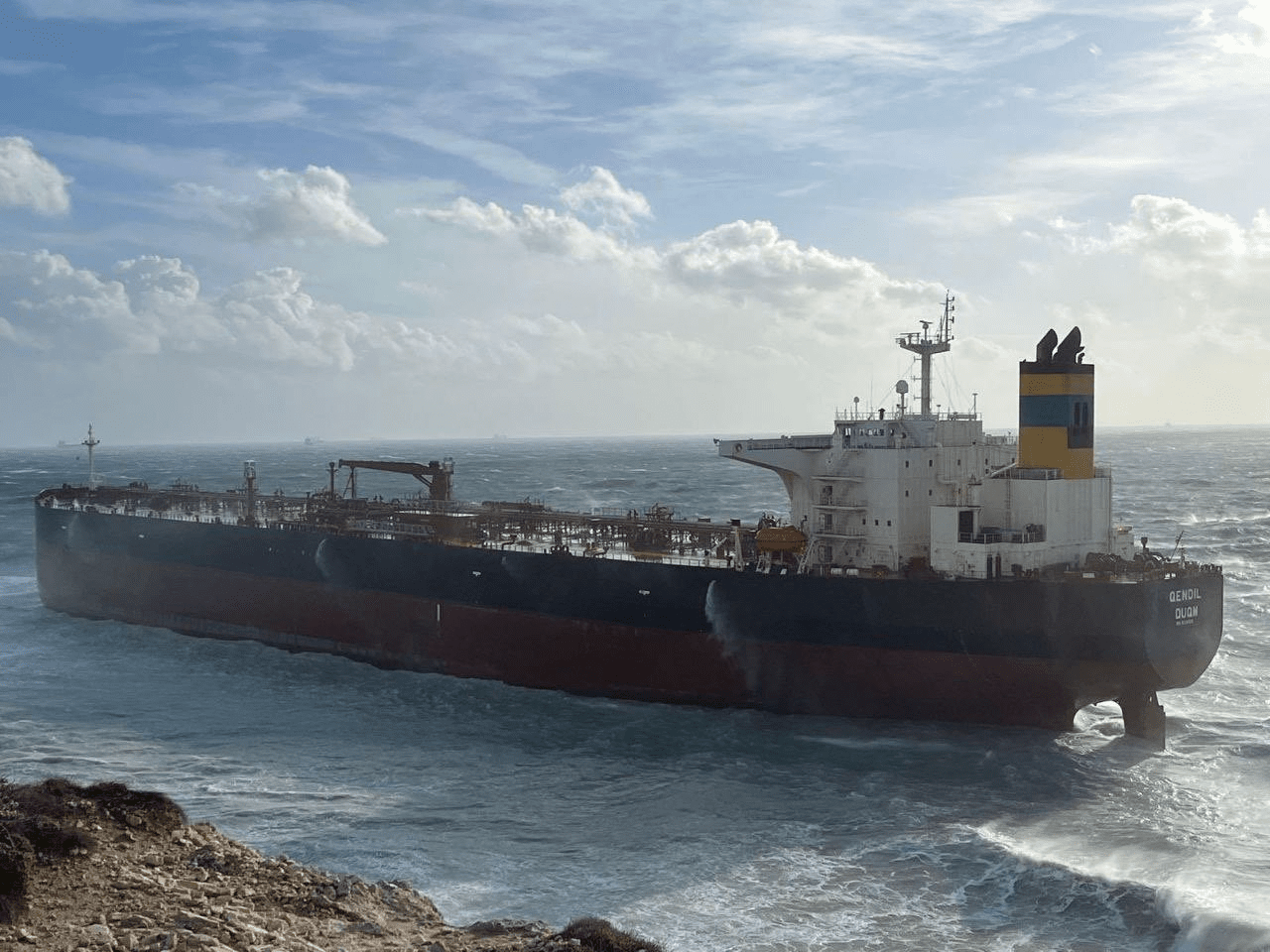
The presence of Russian security personnel aboard these tankers turns the shadow fleet into a covert extension of Moscow’s military and intelligence operations.
Russia’s financial network for shadow fleet operations
To enable the Kremlin’s deep control of the fleet, sustaining it financially and evading sanctions, Șor—alongside Ilya Bugay—established a financial company A7. Bugay is also the owner of the shadow tanker Marinera (formerly Bella 1), a US-sanctioned vessel under counter-Iran measures targeting illicit oil sales linked to regional instability.
This ship, with a nefarious history, is part of a Russian-Iranian axis of sanctions evasion which is fuelling terrorism, conflict and misery from the Middle East to Ukraine.
UK Defense Secretary
A7, and the crypto network is linked to PSB, enabling sanctioned actors to bypass Western finance through a crypto-based ruble payment system. A7 connects maritime logistics to Russia’s security and financial networks, allowing oil revenues to bypass sanctions and sustain a parallel Kremlin-aligned system.
Our payment infrastructure is designed in such a way that sanctions cannot affect the fulfilment of our obligations. Therefore, clients and partners of A7 can be confident that all agreements will be fully executed.
Putin’s family ties to insurance companies
Russia’s ageing shadow tanker fleet is a ticking environmental time bomb. Around 40% of its vessels are over 30 years old, making accidents increasingly likely.
On December 15, 2024, a storm in the Kerch Strait caused two Russian tankers—Volgoneft-212 and Volgoneft-239—to collide, spilling an estimated 4,000 tons of fuel oil into the Black Sea and triggering an ecological disaster from Crimea to Georgia.
Russian insurers have been stripped of reinsurance capacity through sanctions. To address insurance issues, Russia now transfers its risks to the state-owned Russian National Reinsurance Company (RNPC), a subsidiary of the Central Bank
In practice, any insured losses—official or shadow fleet—end up squarely on the Russian state’s books, and many of its main insurers are close to the Russian leader, such as:
Sogaz, whose Deputy Chairman, Mikhail Putin—Putin’s cousin—is sanctioned by the UK for his role in destabilizing Ukraine. As a top figure at both SOGAZ Insurance and Gazprom , he’s tied directly to Kremlin-linked state operations.
Ingostrakh, de facto owned by Oleg Deripaska, a sanctioned oligarch accused of being part of a network which forced minors into prostitution between 2018 and 2019. Deripaska was married to the daughter of Valentin Umashev, former chief of staff and current son-in-law of Russia's first president, Boris Yeltsin.
Alfa Insurance, controlled by Mikhail Fridman, who we previously reported for insuring vehicles and weapons used by the Russian military, including National Guard units operating in occupied Ukrainian territories, and providing vehicles to Putin.
RNPK, owned by Russia’s Central Bank (CBR), which was hit with sanctions that froze roughly $300 billion of its $476 billion in foreign reserves. To plug a chronic budget gap while keeping military spending high, the CBR is selling physical gold from its reserves for the first time in nearly 25 years.
By backing the shadow fleet through Kremlin-linked insurers, Putin’s inner circle ensures these tankers are shielded from sanctions and can continue to sail international waters.
Russia’s shadow fleet isn’t just moving oil, it’s a full-scale military operation. Controlled by Putin’s top security, intelligence, and defense agencies, funded and insured through state banks, and staffed with GRU and special forces personnel, these tankers are commercial vessels turned instruments of national power. The fleet is a network designed to extend Moscow’s power with precision and impunity.
Discuss this article:
-9bd5e1532102621f8fb1c4ba871a3171.png)


-c439b7bd9030ecf9d5a4287dc361ba31.jpg "Photo of Katherina Popilnichenko")
-72b63a4e0c8c475ad81fe3eed3f63729.jpeg "Photo of Cyril Barabaltchouk")