- Category
- Defense Tech
Ukraine’s Future Gripen Air Force Could Be Built in Canada—Here’s How
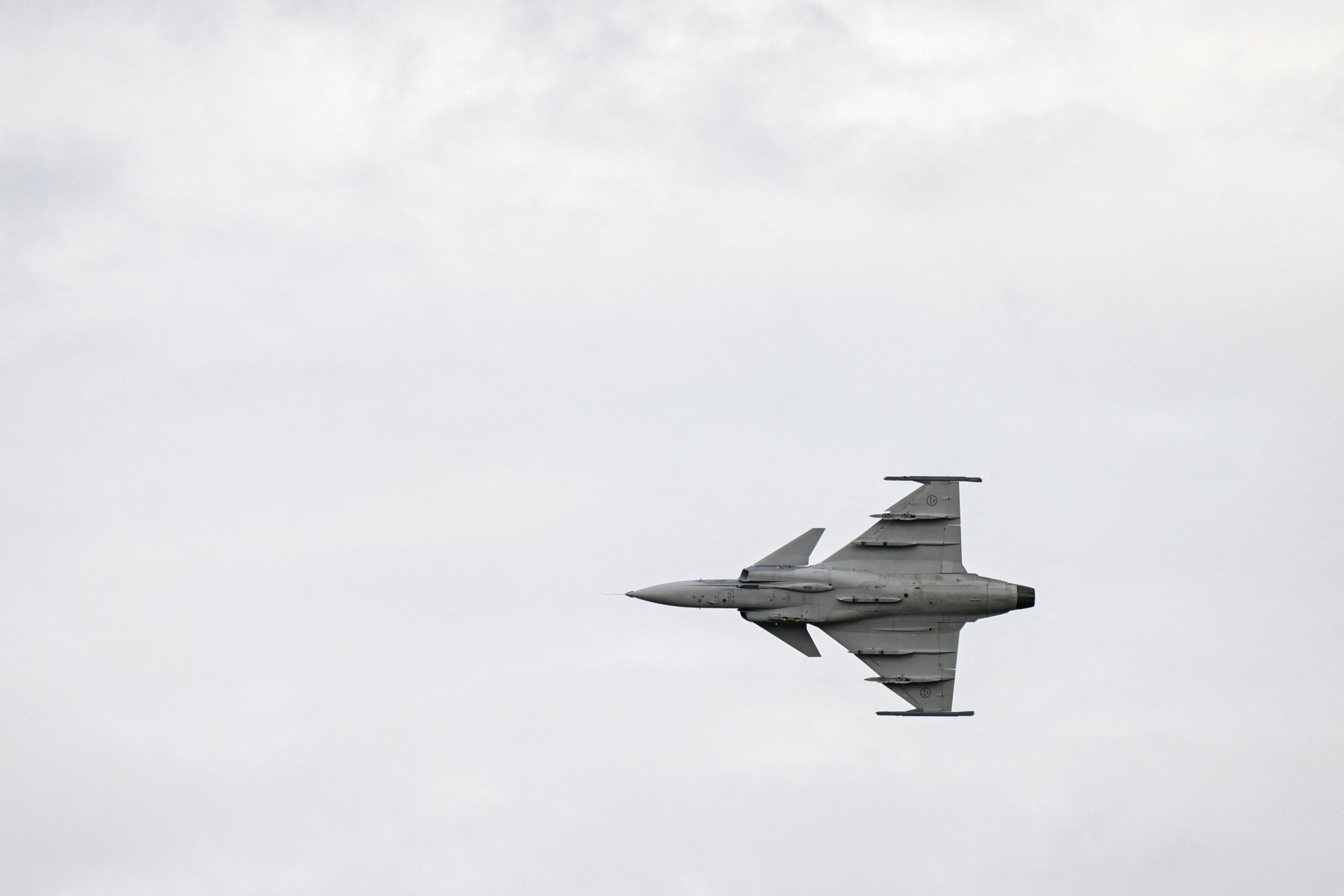
Ukraine’s ambitious plan to acquire up to 150 Gripen fighter jets from Sweden could soon become a three-country project. While Stockholm would supply the aircraft, Canada may play a critical role by assembling Gripens for Ukraine, creating a defense partnership that stretches from Scandinavia to North America.
 Prefer U24 Media on Google
- Authors

-29a1a43aba23f9bb779a1ac8b98d2121.jpeg "Photo of Illia Kabachynskyi")
Back in 2025, Ukraine and Sweden announced a plan to supply up to 150 Saab JAS 39 Gripen aircraft. For Ukraine, renewing its Soviet-era fighters and bombers with modern European equipment is critically important: Ukraine’s air component is many times smaller than Russia’s, with far fewer aircraft and strike capabilities, and the fleet itself is older. Modernization is necessary to ensure the security of Ukrainian airspace.
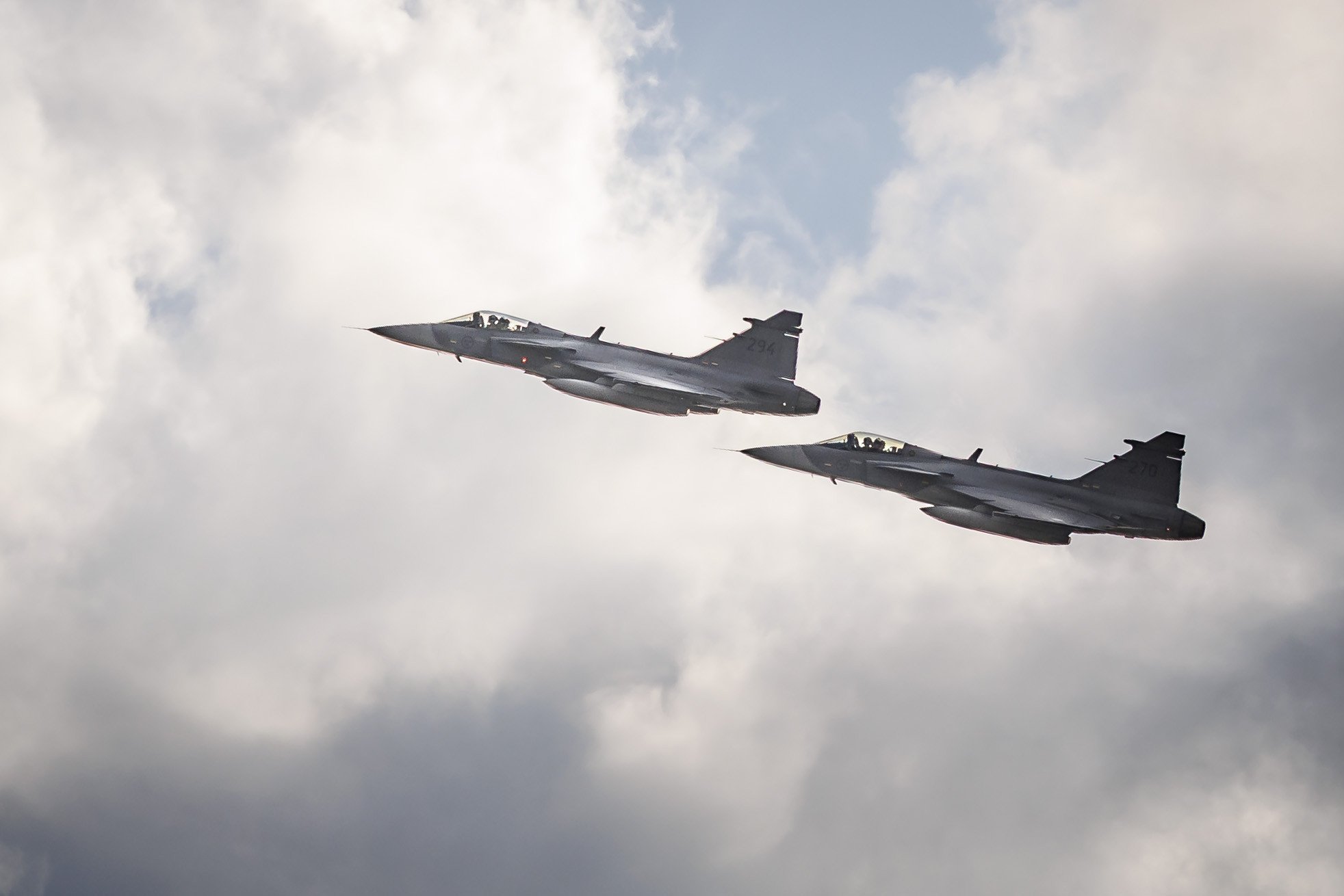
Modern weapons, such as Meteor missiles, would make it possible to push Russian fighters away from Ukraine’s borders—aircraft that launch guided aerial bombs at Zaporizhzhia, Kherson, Kharkiv, and other cities closer to the front line. In other words, modern European fighter jets are part of Ukraine’s security strategy.
Combat experience shaping the future of the Gripen
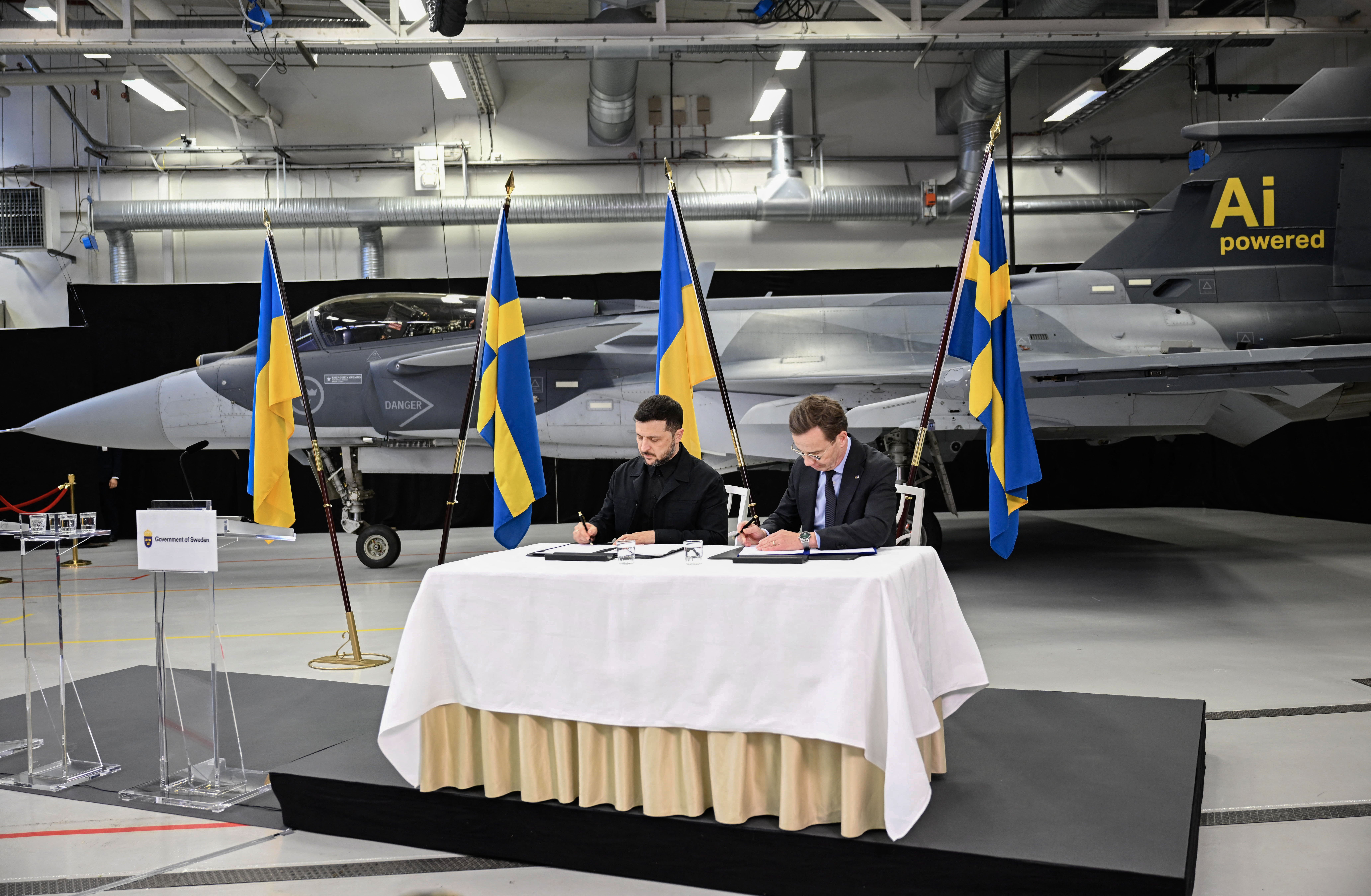
In the near future, Sweden plans to transfer the first 16 aircraft as part of partner assistance. At the same time, Ukraine is already preparing to sign a contract for the first 20 brand-new JAS 39 E/F Gripen jets. Ukraine plans to sign several more similar framework agreements, allowing it to expand its fleet of modern Swedish fighters to more than 100 aircraft and support the Ukrainian-Swedish partnership at the highest level for the next decade.
A case like this always becomes the subject of close cooperation between the two countries. By receiving 100 to 150 aircraft, Ukraine would effectively become the largest Gripen operator in the world: today, no other country has more than 70 to 80 of these aircraft in service, and in the near future, only Sweden itself will be able to match Ukraine by this measure.
In that case, the two countries would exchange feedback on an ongoing basis. The fact that Ukraine will use the Gripen in real combat during the war will allow Saab to obtain valuable data on how to improve the fighter, what additional equipment can be used, and how the company’s entire aviation segment could evolve. Ukraine, in turn, will gain the maximum involvement of its partner in ensuring that the Gripen performs as effectively as possible. But this is only the beginning of a broad international partnership.
Ukraine–Sweden–Canada
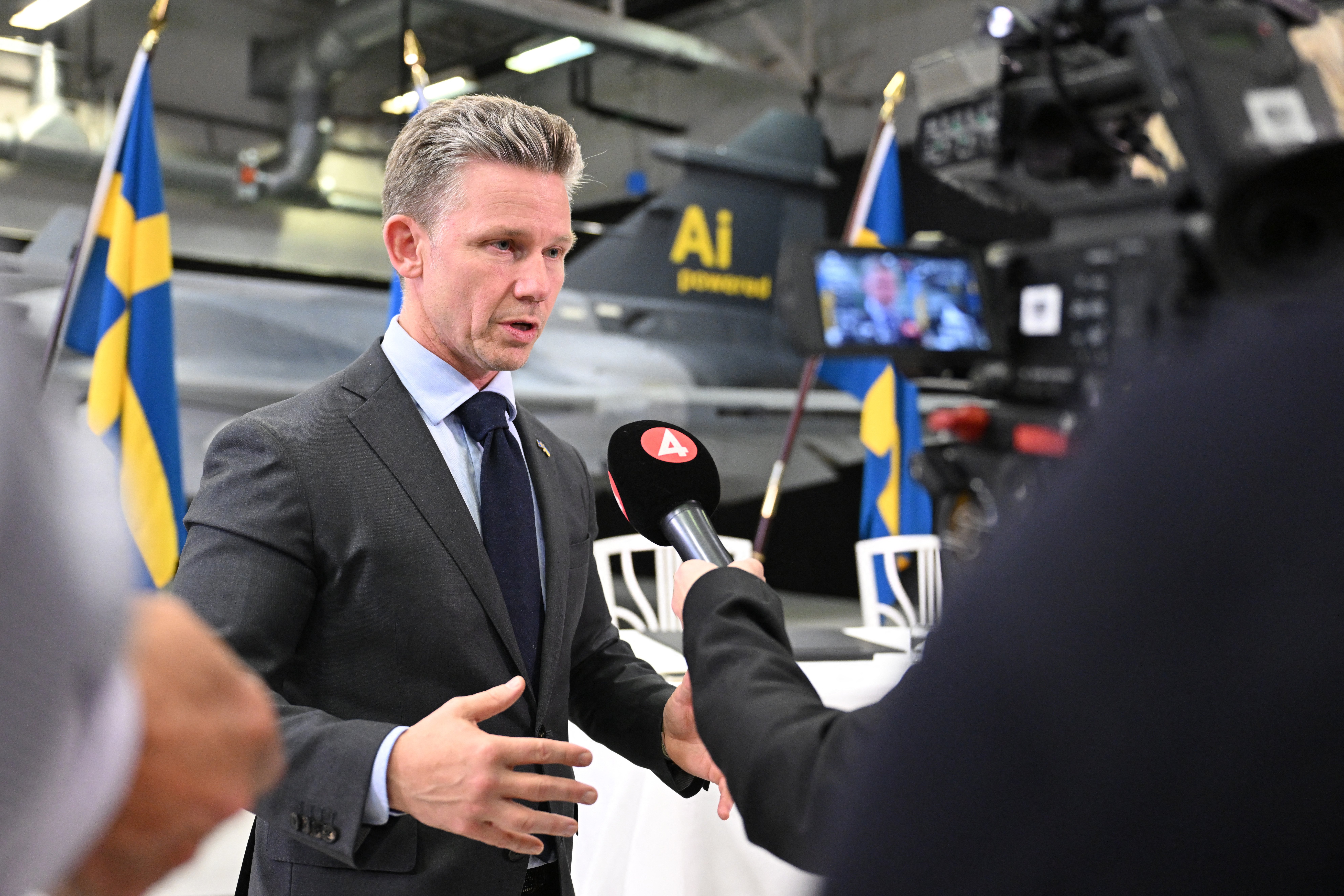
In spring 2026, reports emerged that Saab could assemble Gripen aircraft for Ukraine at a facility in Canada. Official Ottawa is considering purchasing Swedish fighters for its air force, with large-scale localization of production at domestically built facilities.
For each country, this is an opportunity to gain a significant boost: Sweden would receive an additional site for aircraft assembly and maintenance, and strengthen cooperation with Canada.
For Ottawa, production would create 3,000 new jobs—and, according to some reports, more than 4,500. The country would also receive new modern aircraft and strengthen its air fleet, since it would produce aircraft both for itself and for export.
Ukraine, meanwhile, would gain access to a broader supplier network and aircraft maintenance facilities, since repair or servicing is often the bottleneck in the aviation industry.
Of course, cooperation among all three countries would also include the exchange of knowledge and technology at the highest level, with Sweden and Canada gaining access to insights directly from the battlefield in Ukraine.
But this is only the beginning. What may appear to be an agreement between two countries actually involves many more.
Europe’s stake in Ukraine’s Air Force
For example, the United Kingdom is a major supplier of components for Gripen fighters and has also congratulated Ukraine and Sweden on their landmark agreement. The country stands to benefit from a major order, with work for around 5,000 people. That is why London should also be interested in supporting Ukrainian rearmament initiatives, since it is also a direct participant in this process.
Ukraine and France also have an agreement on the transfer of French aircraft to Ukraine: several Mirage jets are already actively operating on the battlefield, and deliveries of Rafale aircraft are expected to begin in the future. Paris has said that both fighters will be able to operate effectively together in Ukrainian skies and is preparing to expand production capacity.
A European loan of 90 billion euros, which Ukraine urgently needs in the near future, would enable this partnership to be financed. The first batch of 20 Gripen jets will be funded with this money. As a result, part of the financing allocated to Ukraine will remain in Europe and likewise strengthen the economies of European countries that are extensively involved in producing aircraft and military equipment.
In this way, the project to rearm Ukraine’s air force is becoming a truly international effort, uniting Sweden, Canada, and Europe as a whole—an alliance that will strengthen everyone.
Discuss this article:


-c439b7bd9030ecf9d5a4287dc361ba31.jpg "Photo of Katherina Popilnichenko")