- Category
- World
Sweden Is Reviving Its Cold War-Era Civil Defense With Lessons From Ukraine
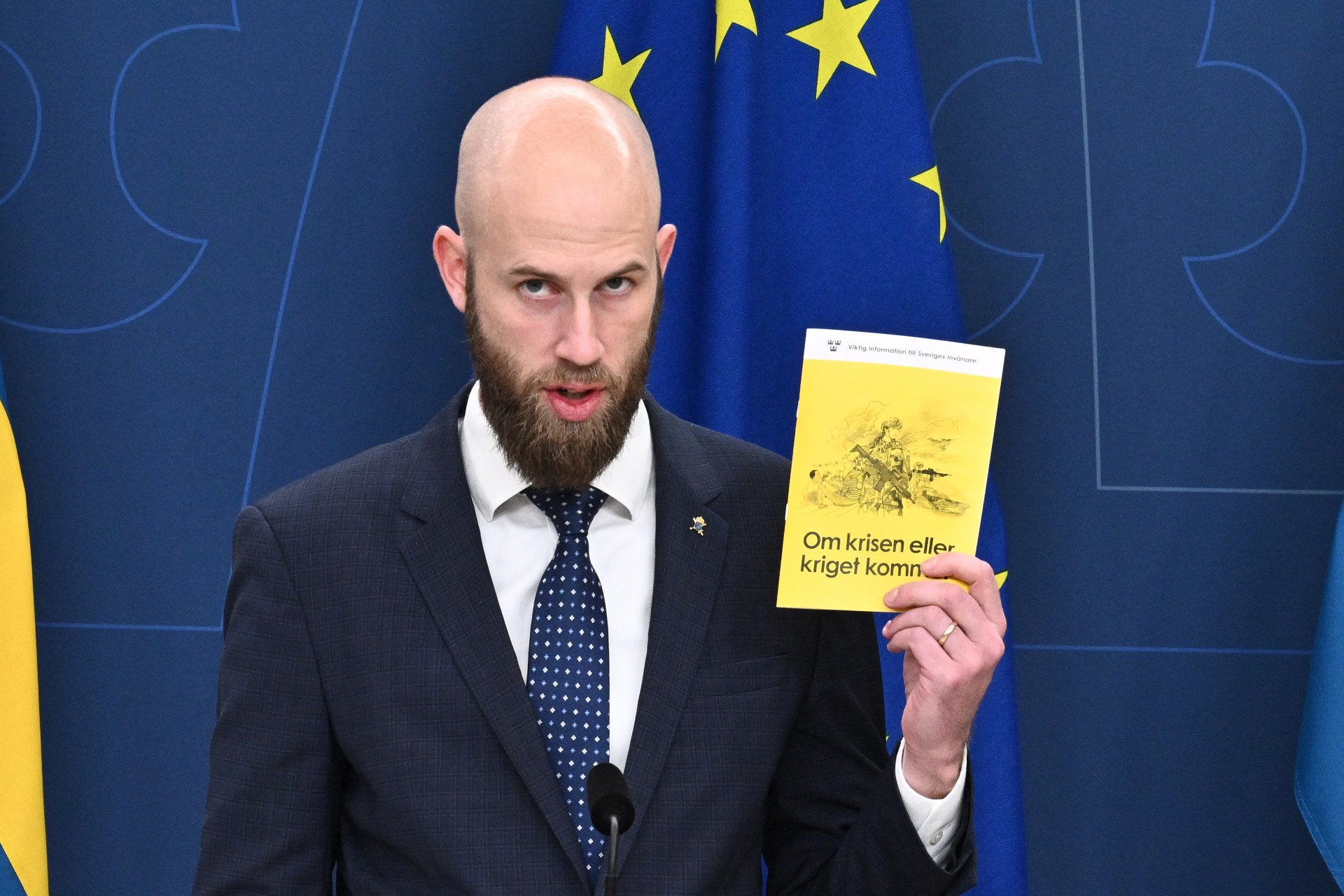
What role do civilians play in defending their country in the event of a military attack? As Russia continues its aggression against Ukraine and hybrid war against Europe, Sweden is resurrecting its Cold War-era “Total Defense” strategy. Speaking exclusively with Sweden’s top civil defense officials, we explore how Stockholm is preparing every layer of society using hard-won lessons from Ukraine’s defense.
 Prefer U24 Media on Google
- Authors



-73e9c0fd8873a094288a7552f3ac2ab4.jpg "Photo of Olena Blizniakova")
In late 2022, several months after Russia’s full-scale invasion of Ukraine, the Swedish government established a dedicated Ministry for Civil Defense . "This is the first time since World War II that we have this position," Minister Carl-Oskar Bohlin tells UNITED24 Media. It marks a major shift toward a "Total Defense" concept—a strategy Sweden relied on during the Cold War but dismantled in the decades of peace that followed.
Now, they are racing to bring it back.
Rebuilding “Total Defense”
"It has changed a lot indeed," Bohlin says, referencing Stockholm's outlook since Russia’s war of aggression. He notes that since taking office in his new department, which sits directly within the Ministry of Defense, his team's full focus is to "rebuild the Swedish Total Defense as fast as we can."
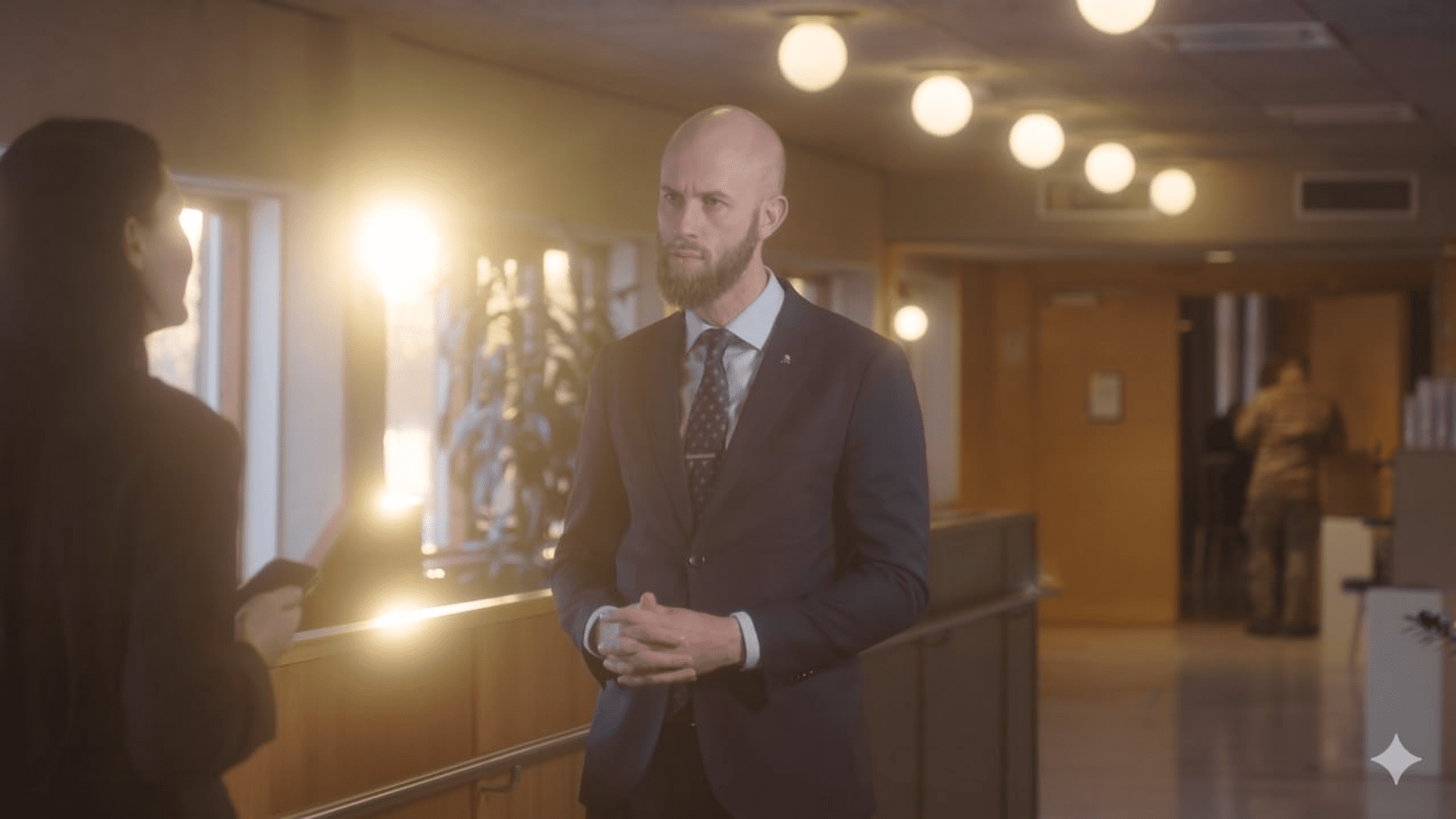
To achieve this, Bohlin explains they have reorganized the Ministry of Defense to "reach out to all the other relevant departments in the Swedish government to get a coordinated effort in building more resilience."
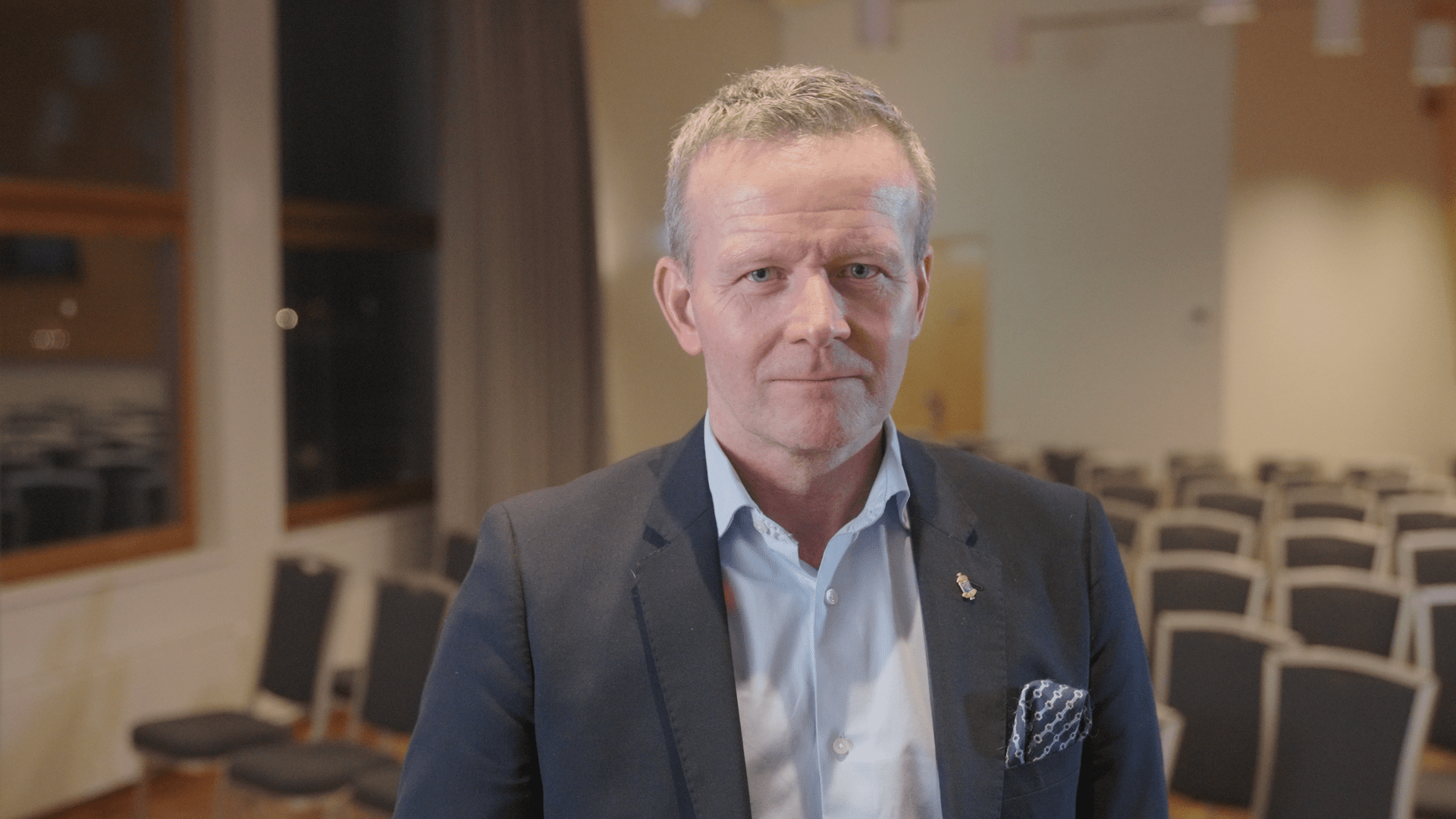
The most prominent of these bodies is the Swedish Civil Defense and Resilience Agency (MCF). Amplifying Bohlin’s sense of urgency, its Director-General, Mikael Frisell, tells UNITED24 Media his mission: "To prepare the society for crisis, heightened alert, and war, and work so we can build the capability as fast as possible.”
This strategic shift is already visible as policy starts to take effect across the country.
The financial commitment
An investment of SEK 12 billion ($1.1 billion) through 2028 includes expanding medical stockpiles and building up food contingency reserves. Simultaneously, a SEK 15 billion ($1.4 billion) air defense shield is being built to protect military assets, critical infrastructure, and urban areas—part of a broader mission Bohlin defines as “protecting the civilian population in Sweden.”
The human element
Civil conscription has returned for the first time since the Cold War, legally mandating service from skilled civilians—such as firefighters and engineers—to ensure the power grid and emergency response remain functional.
We have extra echelons of people that can come in in the event of an armed attack against Sweden.
Carl-Oskar Bohlin
Minister for Civil Defense of Sweden
These citizens will “work within those sectors that are put under a higher degree of strain than in peacetime conditions,” says Bohlin.
Hardening the grid
Since civil defense is "cross-sectoral, it entails all the critical societal functions and ensures to make them robust and redundant,” says Bolhin. In defense terms, redundancy means incorporating backup layers into the system—if one power station or supply line is destroyed, another immediately takes its place.
Building these backups has required an accelerated shift in the MCF perspective. "We are now really working to build the capability fast in order to deter Russia,” says Frisell. “We need to tweak our way of working, and we need to focus even more on the worst-case scenario—the dimensioning scenario,” a Swedish doctrine that replaces peacetime safety margins with a planning model prepared for war.
Meeting the threat of a full-scale armed attack requires a massive, unified effort. To execute this, Frisell employs a "whole of government approach, a whole of society approach," ensuring that every department—not just the military—is ready for the worst.
Pointing to these immediate priorities, Bohlin says "the importance of investing in robustness when it comes to critical infrastructure," specifically citing the urgent need for "strengthening the energy grid but also strengthening critical sectors." This mandate places the responsibility for securing drinking water and stockpiling food and medicine at the center of a national defense strategy designed to keep the country functional for at least three months of active hostilities.
The lessons learned from Ukraine
To adapt its strategy, Bohlin notes that Sweden is actively seeking to "draw lessons from the war in Ukraine and how they have been handling the situation and then implementing that into the Swedish development of the Swedish Total Defense concept". When looking at these lessons, he notes that what is "impressive is of course the heroism, the bravery of the Ukrainian people and the resilience that is being shown all across society.”
To Bohlin, getting the whole country involved is the real key to fighting back, stating: "That approach from the Ukrainian people also reveals the secrets of why you have been able to fight this war with such success… because all of society is engaged. That has also meant that you can keep living life, and keep society running in between the attacks.”
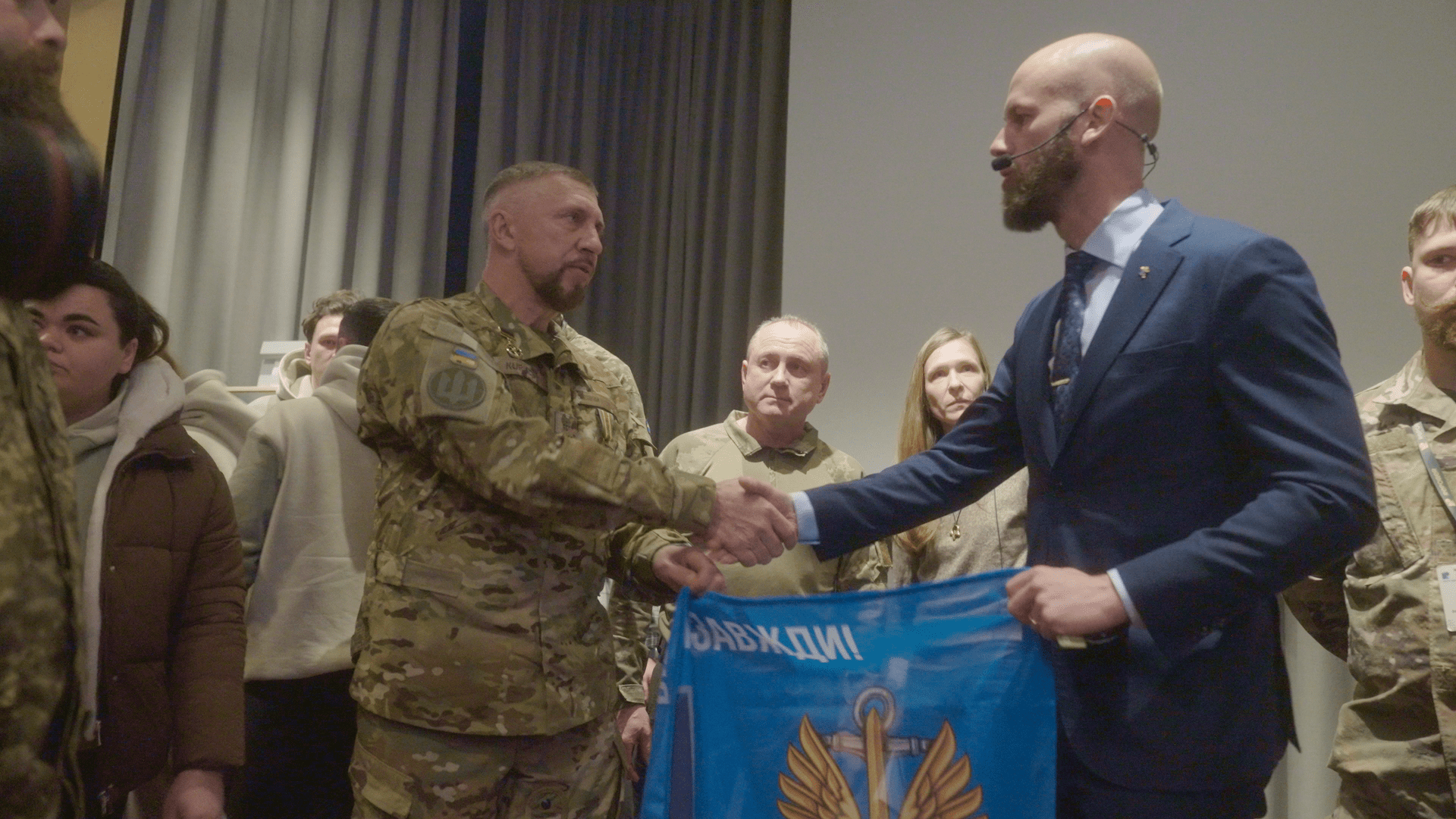
Frisell is in charge of putting these lessons to work, pointing out that Russia’s war “has affected the whole of Europe.” To ensure Sweden builds capability fast enough to deter aggression, he maintains a direct presence in Ukraine: "I have more or less 30 to 50 people working in Ukraine on the ground… and we have strengthened the cooperation and the relation since the full-scale invasion started".
His agency currently prioritizes supporting "the energy supply in Ukraine and also the rescue services, demining, and health care first responders". Through a formal agreement with the State Emergency Service of Ukraine (DSNS), Frisell notes that they "support the rescue service a lot with equipment.”
Beyond state institutions, Frisell points to their partnerships with local Ukrainian volunteer NGOs specializing in combat casualty care: "We also work with some civilian organizations, for instance, Tactical Medicine North, where we support training of medic instructors," he says, adding that these teachers "then train medics for the front lines".
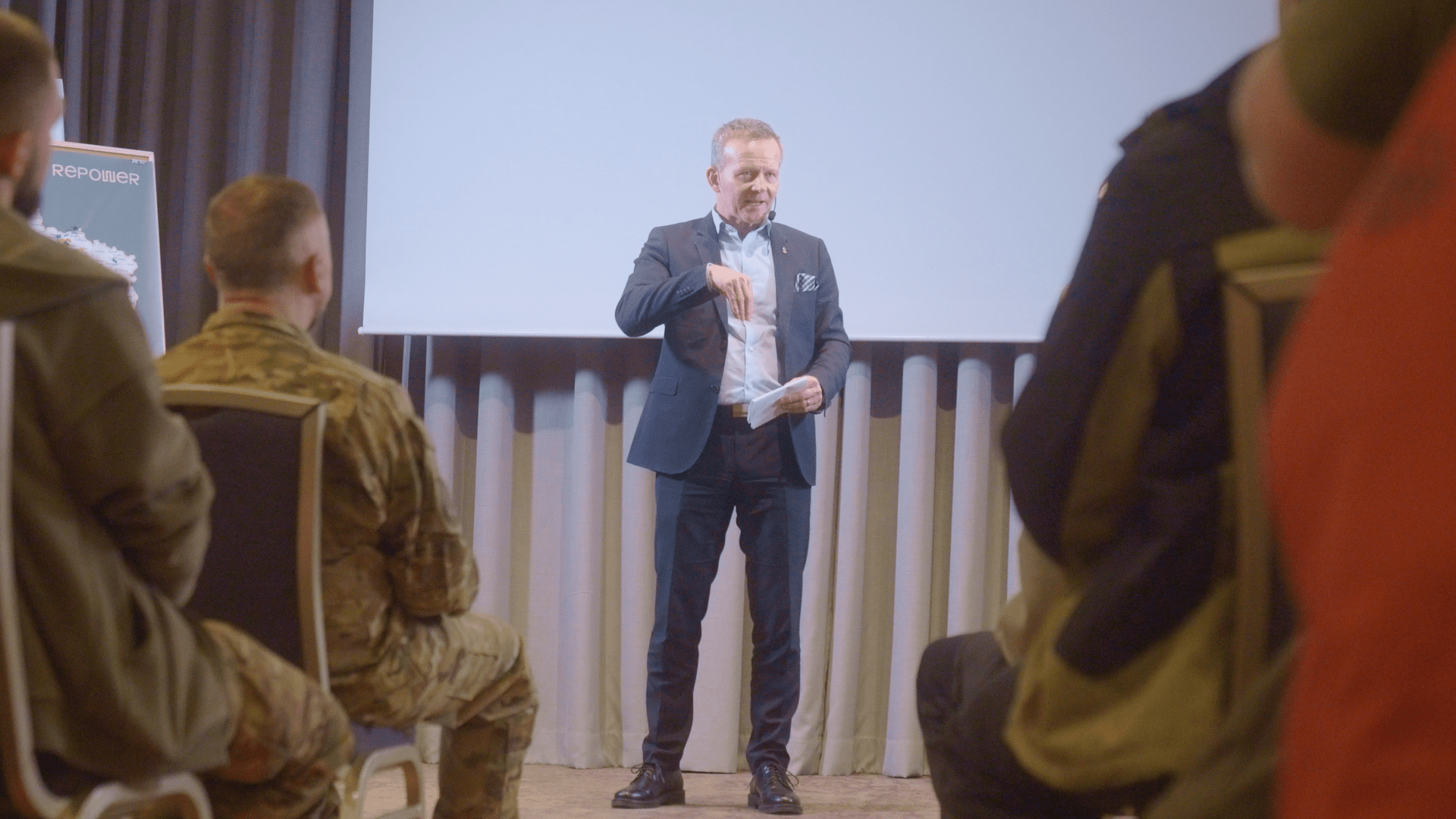
Ultimately, all the equipment and training come down to one goal: helping sustain that everyday resilience, something he witnessed firsthand during a visit to the Ukrainian capital. "When I came to Kyiv for the first time, I was surprised to see a wonderful city functioning," he recalls. Observing the daily routine of the war—"we had the alarms and the warnings and down to the shelters, and then back up… and everybody walking outside"—served as a profound lesson. "It was amazing to see that you always try to have society functioning," he notes.
The psychology of deterrence
But physical infrastructure is only part of the equation. When analyzing Russia’s strategy of striking civilians and the energy grid, Frisell identifies a clear psychological objective: "they want to crush the people's will to defend the country".
Protecting this mindset is a critical priority for Frisell, speaking from his own lived experience. "I have also been in conflicts and war as a military officer," he notes. Because "when you are in war, you have this mental stress, so you really need to take care of that." He hopes Sweden can expand its healthcare assistance to address these unseen injuries. "Maybe in the future we can work with some rehab centers that have a mental focus… not only physical wounds," says Frisell.
For Frisell, a nation's survival rests on a few core elements: "you need to have a strong military defense, you need to have a strong civil defense—where you can protect the population—and you also need to have a strong will to defend the nation". But they have to work as one: "You need to have all this together and there you are a leading example in the world," he says.
Holding these elements together serves a larger strategic goal. Bohlin points to the reality of the threat: "Right now we have a very assertive Russia that has shown itself capable of taking huge military and political risks.” Against this threat, a prepared society acts as a shield. "The civil defense as a part of the Total Defense also makes our deterrence credible because it shows that we are prepared to do this for as long as it would take if necessary," Bohlin says, "And that is to deter an adversary.”
This rush to rebuild a system largely dismantled after the Cold War is a direct response to a war Bohlin believes affects the entire continent. As he observes, "Ukraine is fighting for the entirety of Europe against a tyrant and regime that shows little constraint right now". As Sweden hardens its own society, Frisell offers a final, resolute message to Kyiv: "Continue fighting. We will solve this war together. You have Sweden, me, my agency behind you, and we will support you as long as needed".
Discuss this article:


-c439b7bd9030ecf9d5a4287dc361ba31.jpg "Photo of Katherina Popilnichenko")


-72b63a4e0c8c475ad81fe3eed3f63729.jpeg "Photo of Cyril Barabaltchouk")