- Category
- World
What Ukrainian Drone Pilots Taught NATO Troops at Sweden’s Largest Military Drill
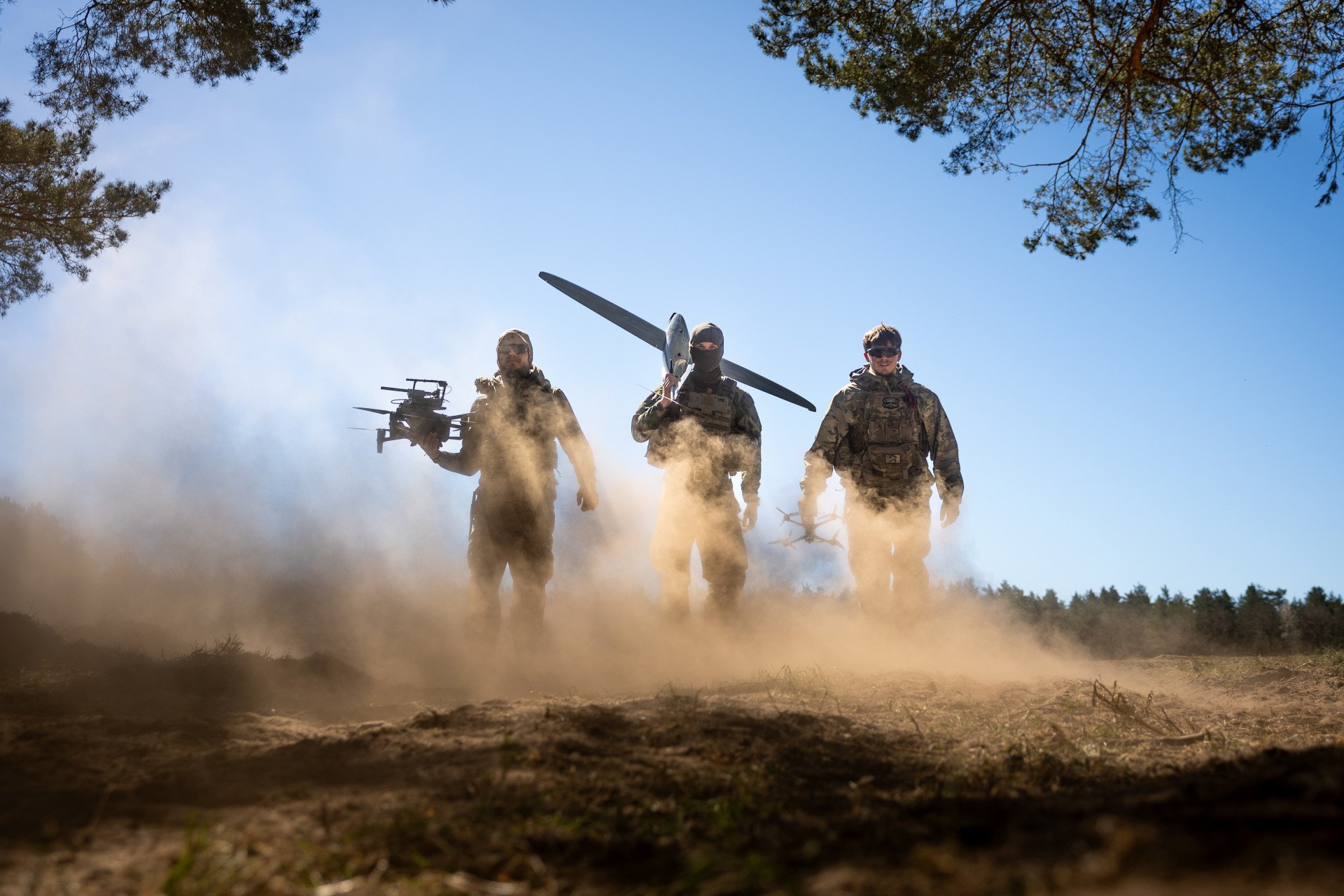
Just a few years ago, Ukrainian soldiers arrived at NATO training grounds as students. Today, they’ve returned as instructors. In Sweden’s Exercise Aurora 26, Ukrainian drone operators shared their drone expertise forged through more than four years of existential war.
 Prefer U24 Media on Google
- Authors

-f88628fa403b11af0b72ec7b062ce954.jpeg "Photo of Amira Barkhush")
Exercise Aurora 26, Sweden’s largest military drill, brought together around 18,000 troops from 13 countries this spring, including Ukraine, as Stockholm and its allies prepare for the deteriorating security environment in the Baltic Sea region.
“We are no longer practicing ‘what if,’” Swedish Navy Vice Admiral Ewa Skoog Haslum said during a live demonstration at the Väddö Firing Range on May 5, attended by UNITED24 Media. “We are practicing for what is.”
The exercises, held across Sweden and the Baltic Sea from April 27 to May 13, focused on integrating allied forces into Sweden’s defense plans amid growing concerns over Russian military activity in northern Europe. One of the key locations was Gotland, the strategically important island often described as the “unsinkable aircraft carrier” of the Baltic Sea.
“All the drills, all the exercises we have today are a part of the deterrence operations against Russia,” Skoog Haslum said. “Being an ally of NATO and working with the other 31 countries, we need to train together a lot to really improve. Doing it together with the Ukrainian people, and material, and all the good examples that you have.”
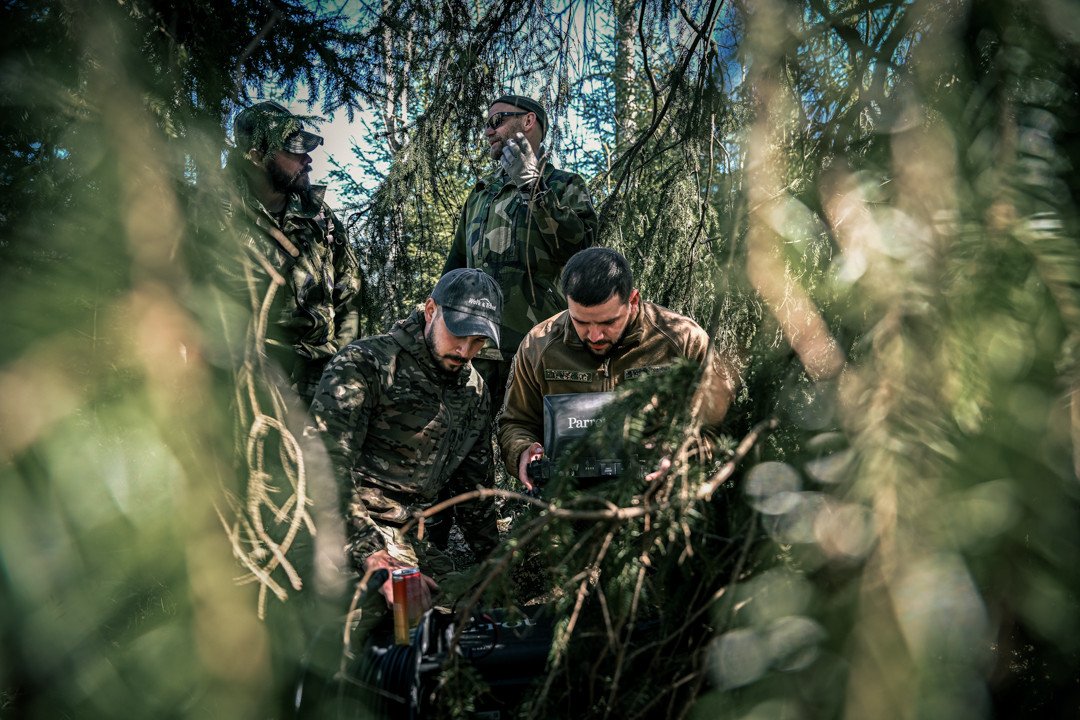
During training, Ukrainians tested the effectiveness of Sweden’s electronic warfare and radio defense systems and supported a mechanized assault by a Swedish tank brigade, operating both in offensive scenarios and while simulating defensive positions.
“They were very impressed by how our systems operated,” said Tarik, a Ukrainian drone operator who took part in the drills. “The coordination between our equipment, repeaters, and drones. For them, this kind of warfare is still unfamiliar, but they are willing to learn and adopt our experience.”
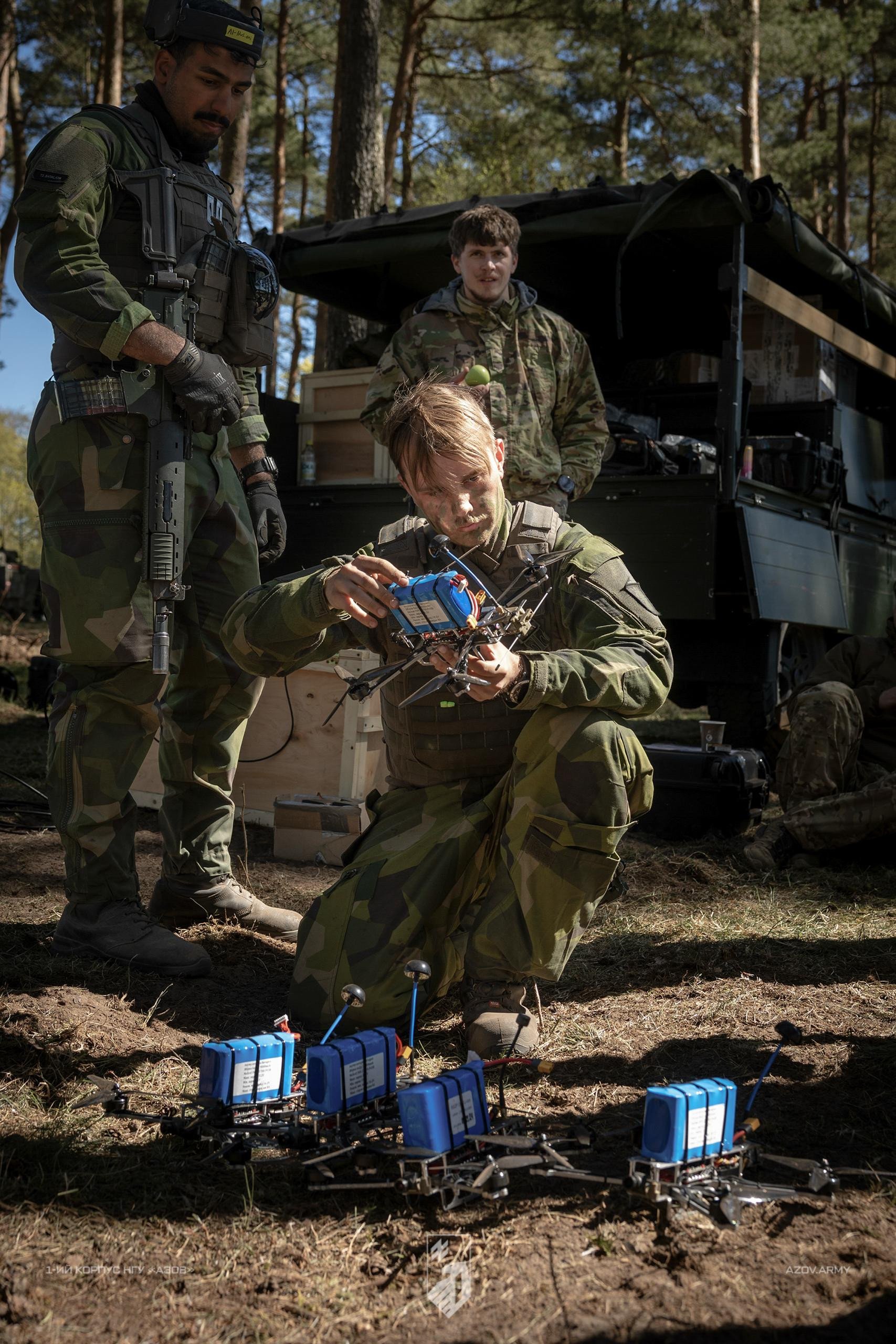
What four years of Russia’s war taught Ukrainian soldiers
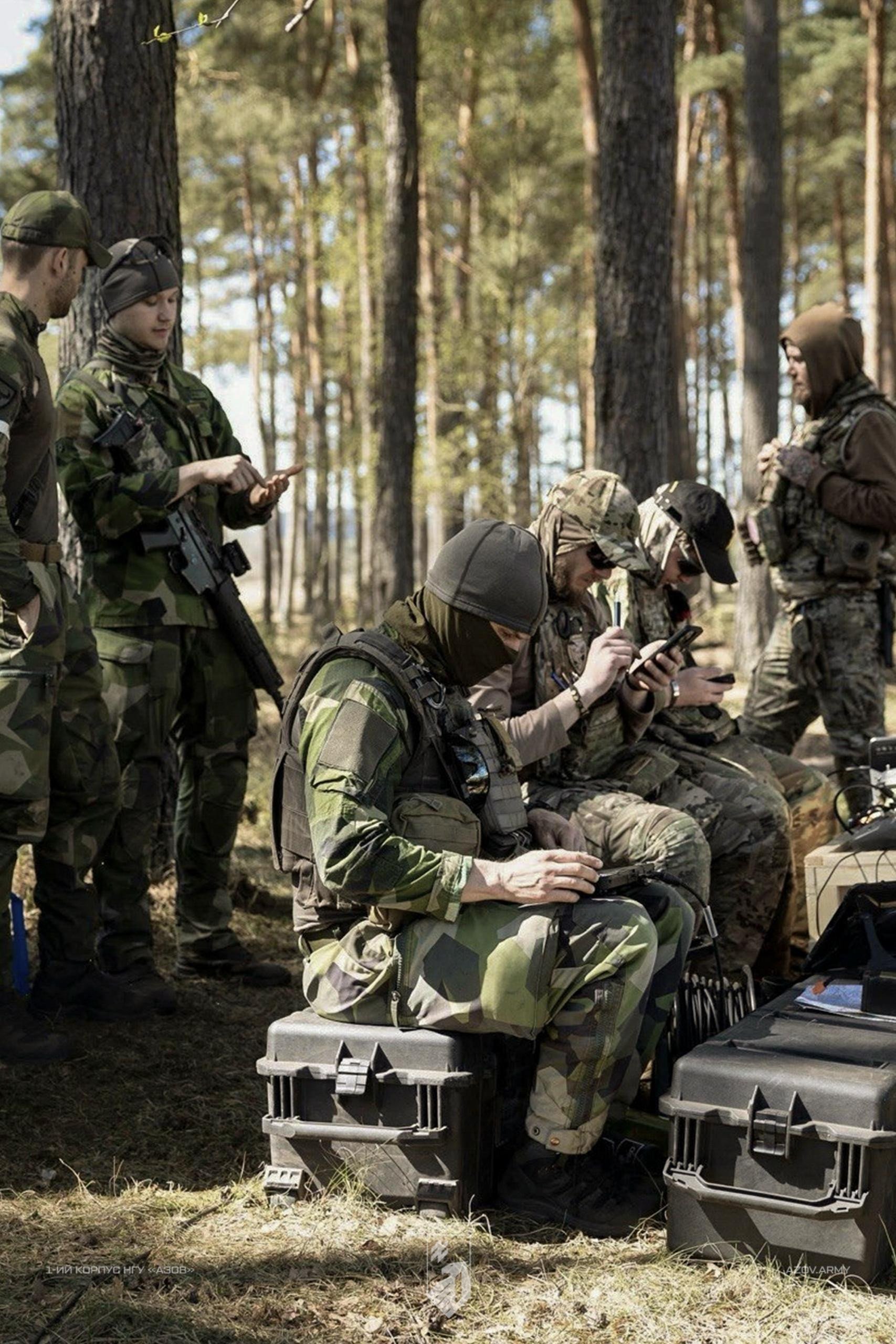
Ukraine participated under its enhanced partnership with the Joint Expeditionary Force, a UK-led coalition of northern European nations. At Aurora 26, they were teaching allied militaries how modern warfare has been reshaped by drones, electronic warfare, and battlefield adaptations forged over more than 4 years of war against Russia.
When Russia launched its full-scale invasion in 2022, many doubted Ukraine could withstand the assault. But Ukraine has not only endured. It has transformed into one of Europe’s most experienced militaries.
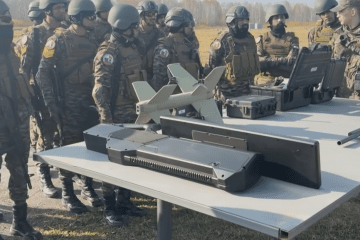
During the exercises, Ukrainian drone operators demonstrated how cheap FPV drones can destroy armored vehicles worth millions of dollars, while also sharing tactics developed under real combat conditions.
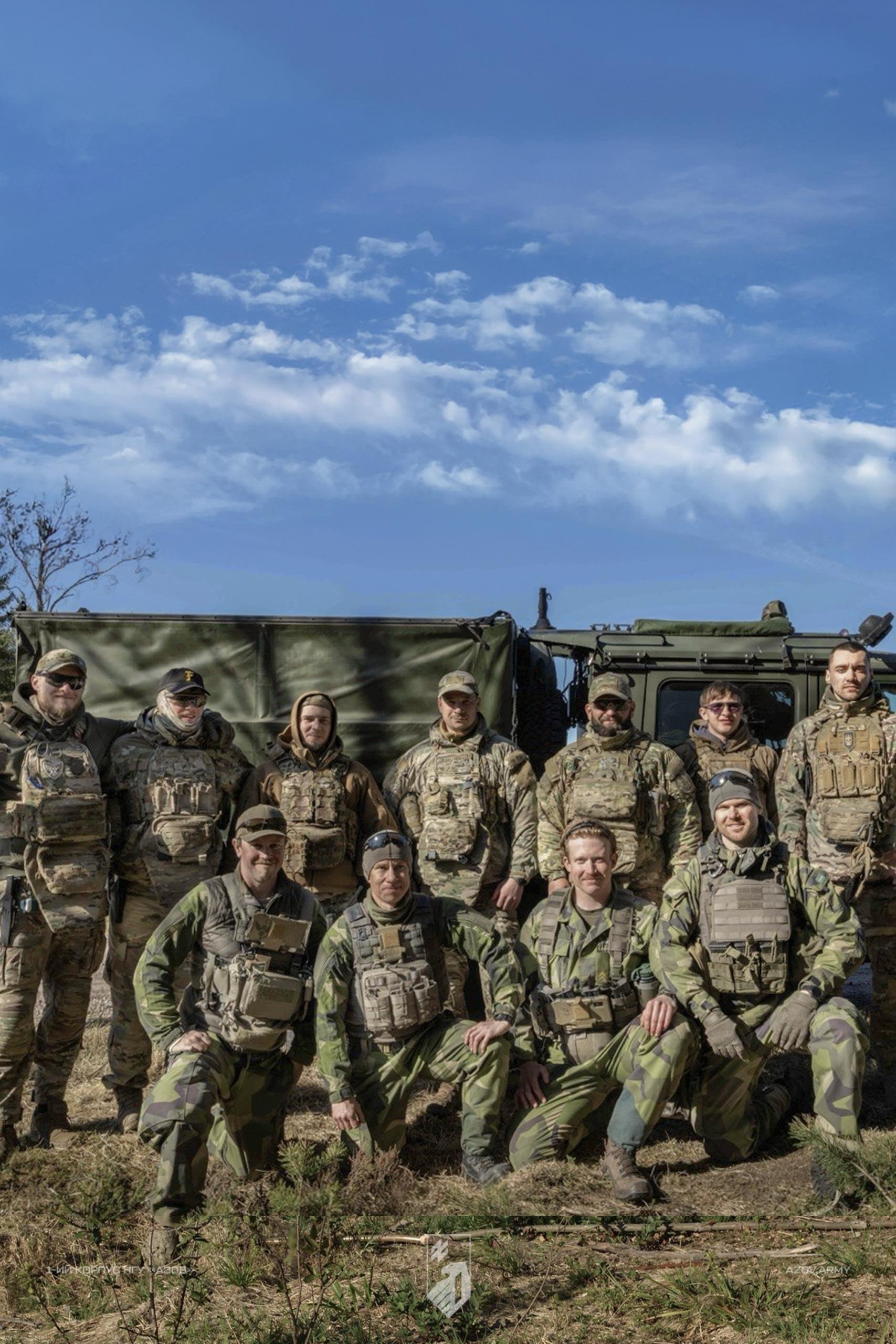
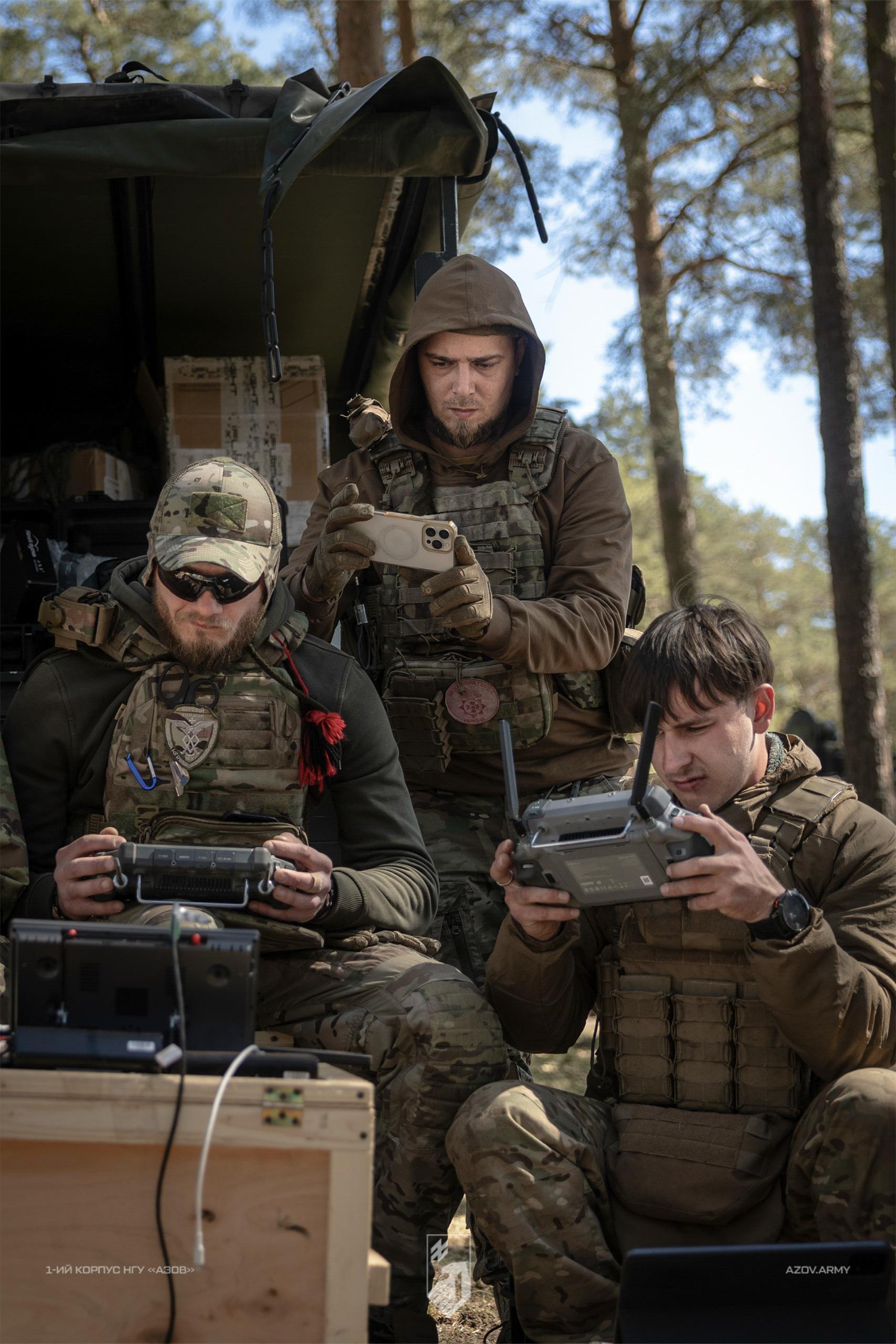
“It is noticeable that they have just started to develop in this area,” said Oleksii, a Ukrainian reconnaissance operator participating in the drills. “It is good that they understand they are lagging behind, because this has become the number one aspect of modern warfare.”
Swedish military officials openly acknowledged the value of Ukraine’s battlefield experience.
“We are extremely glad to have our Ukrainian friends here,” said Johan Norlén in a comment to UNITED24 Media on May 5. “To actually teach us something, and for us to learn from their experience.”
Colonel Andreas Gustafsson said Sweden urgently needs more training both with drones and against them. “Their experience fighting Russia with drone warfare is really useful for us to develop our own capabilities,” he said.
The simulated attack that forced the Swedes to restart
The lessons were not theoretical. Both Ukrainian participants and Swedish officials say that drone teams repeatedly disrupted planned maneuvers during the exercises, forcing commanders to stop and restart drills after large portions of armored columns had been “destroyed” in simulated attacks.
“One mission involved attacking an airfield,” said Helix, a Ukrainian drone pilot. “From the Swedish side, they wanted to test the airfield’s defensive capabilities. We were then tasked with moving into position, setting up, and carrying out a drone strike on the airfield. Our team hit both our assigned targets and the targets of the second team as well.”
The exercises also exposed what Swedish commanders described as a growing vulnerability among Western militaries: large armored formations moving in the open, once considered a cornerstone of conventional warfare, are now increasingly exposed to reconnaissance and strike drones.
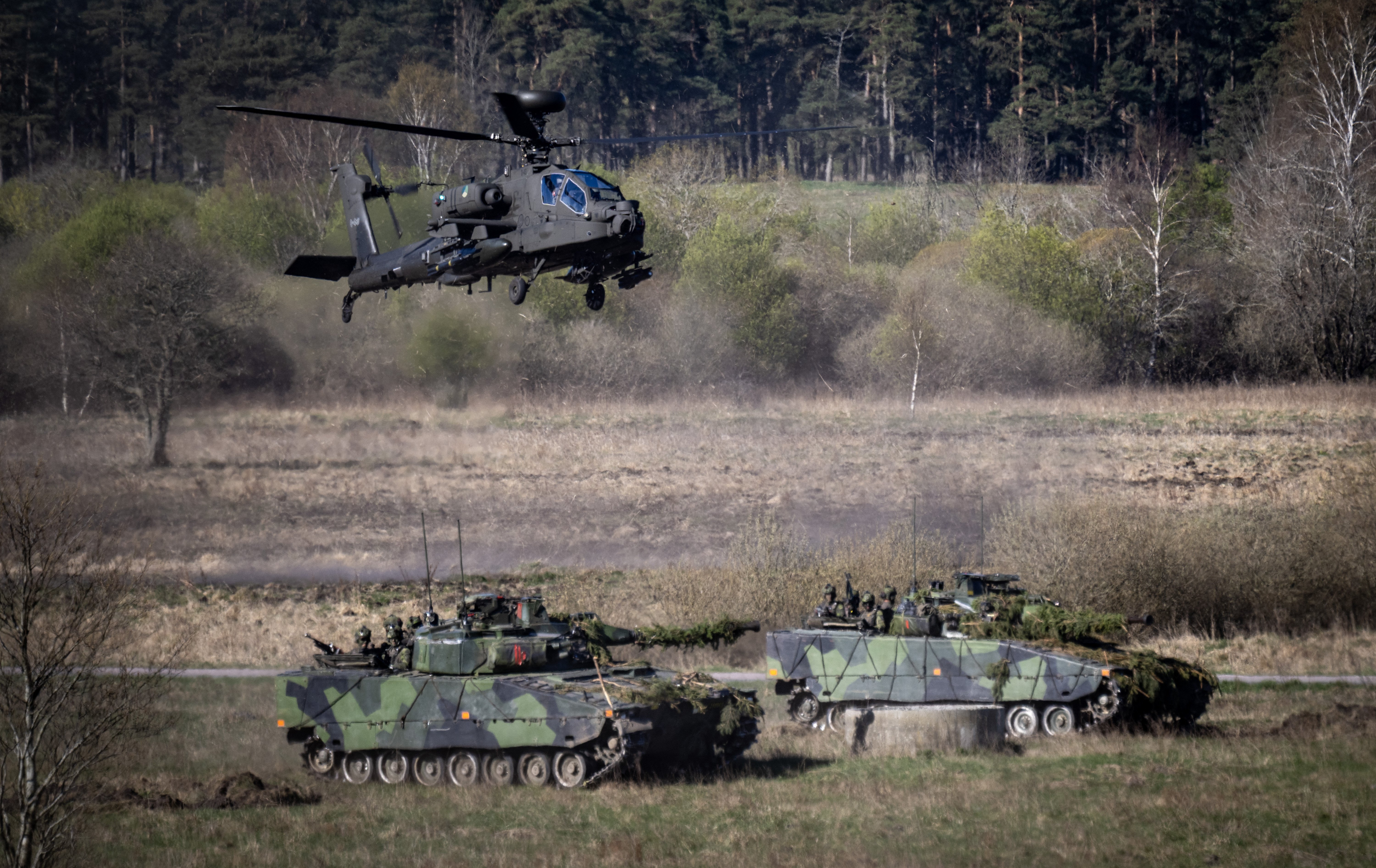
“I think the big change is, of course, the scale of drones,” said Jonny Lindfors, Commander of the Swedish Army, during an exclusive interview with UNITED24 Media in January. “You are fighting a naval war without a significant navy, fighting in the air domain without a robust air force, and fighting on land in ways we haven’t seen before.”
As unidentified drones increasingly appear near NATO borders and critical infrastructure across Europe, Ukraine’s battlefield experience has become even more valuable to allied militaries seeking to adapt to a rapidly evolving battlefield.
Still, Ukrainian soldiers stressed that drones alone cannot win wars. Territory, they said, is still captured and held by infantry, armored units, artillery, and drones operating together.
Discuss this article:

-111f0e5095e02c02446ffed57bfb0ab1.jpeg "Photo of Roman Kohanets")