- Category
- War in Ukraine
Moscow on Fire Again as Ukrainian Drones Target Yet Another Oil Refinery
 Prefer U24 Media on Google
- Authors


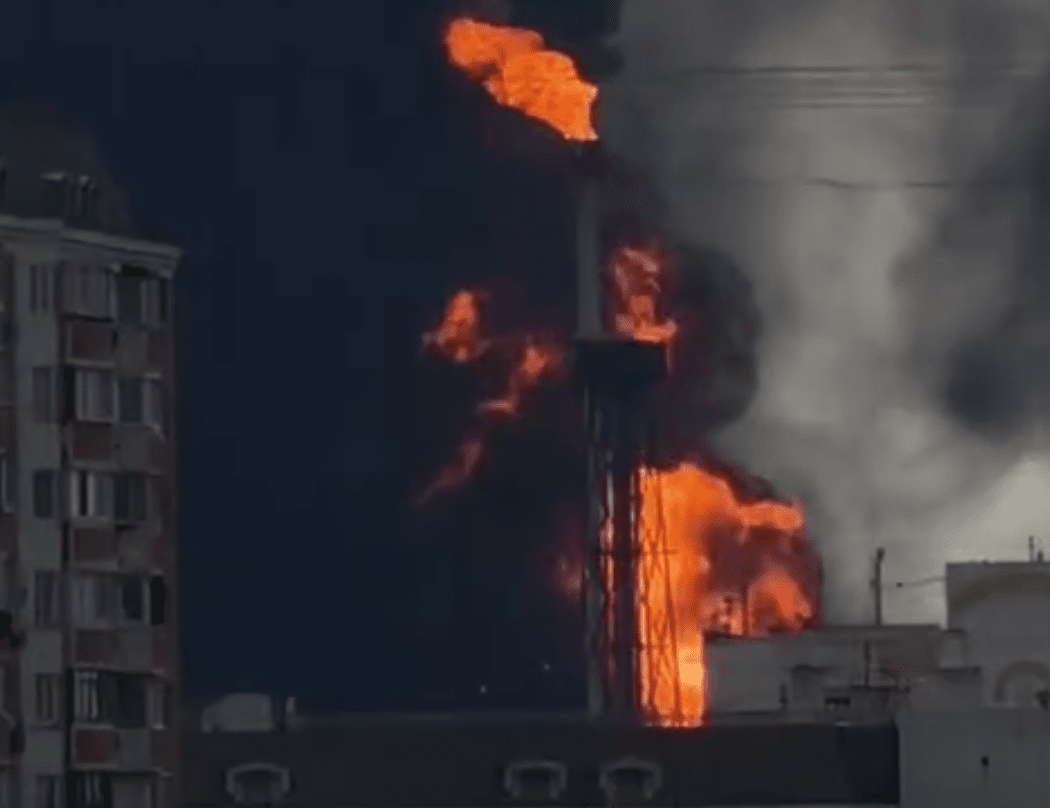
The Moscow Oil Refinery, one of the capital’s key fuel supply facilities, came under repeated drone strikes as dozens of Ukrainian UAVs targeted Moscow and its surrounding region on June 18.
Dozens of drones targeted Moscow and the surrounding Moscow region in the early hours of June 18, with several reaching the Moscow Oil Refinery.
We bring you stories from the ground. Your support keeps our team in the field.
Russian Telegram channels began reporting drone activity over Moscow and the Moscow region, publishing footage that appeared to show drones flying over the capital and nearby areas.
Moscow Mayor Sergei Sobyanin said that several drones managed to reach the Moscow Oil Refinery in the Kapotnya district, located about 15 kilometers southeast of the Kremlin. He said authorities were working to deal with the consequences of the strike.
“Air defense forces continue to repel the massive attack. Several drones managed to reach the Moscow Oil Refinery. Measures are being taken to eliminate the consequences,” Sobyanin wrote.
Moscow Oil Refinery pic.twitter.com/bJ46PgjCK3
— Exilenova+ (@Exilenova_plus) June 18, 2026
“At the Moscow Oil Refinery, there are at least five separate fire hotspots,” Telegram channel Exilenova+ wrote.
Kapotnya pic.twitter.com/R2hkHYmZuc
— Exilenova+ (@Exilenova_plus) June 18, 2026
Images and videos shared online also indicated damage to several buildings in Moscow.
More from Moscow pic.twitter.com/Tcleekfxt7
— Exilenova+ (@Exilenova_plus) June 18, 2026
Sobyanin said drone debris fell on the grounds of the Sadovod shopping center, causing minor damage to one of the buildings. He initially did not comment on reports of a strike against the refinery.
The incident follows a sustained campaign targeting Russian oil refineries, with Ukrainian assessments pointing to increasing strain on Russia’s air defense network.
In May, Ukraine’s Unmanned Systems Forces reported that ten major Russian oil refineries had been struck, with six of them either fully or partially suspending operations. Among them was the Moscow refinery, which halted work following a large-scale attack on the capital that also damaged other industrial facilities. Several refineries were hit repeatedly over the course of the month.
This data, according to Ukrainian military assessments, highlights a growing strain on Russia’s air defense network, which is increasingly unable to fully intercept Ukrainian drones. Officials suggest the situation is deteriorating further, as Ukrainian forces continue to systematically target and destroy air defense assets. In April alone, more than 250 air defense units were reportedly destroyed, @with similar monthly losses of up to 300 systems recorded in February and March.
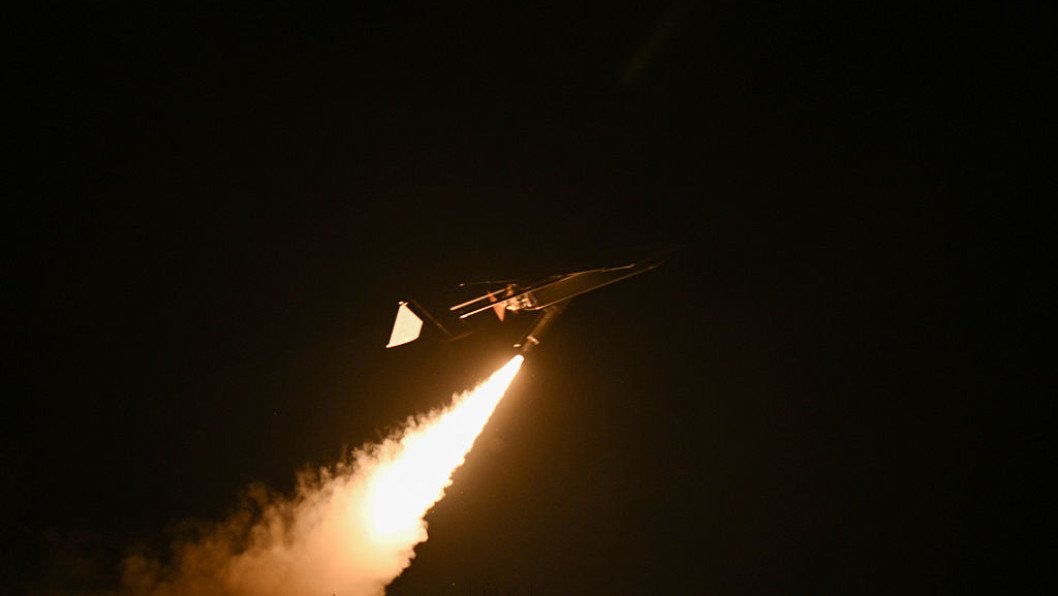
The sustained degradation of these systems is assessed to be opening deeper operational corridors for Ukrainian drone strikes, leaving areas of Russia’s rear infrastructure progressively less protected.
Several days earlier, Ukrainian long-range drones struck the Moscow Oil Refinery overnight on June 16, hitting a facility located about 15 kilometers from the Kremlin despite multiple layers of Russian air defenses deployed around the capital.
According to Defense Express, the attack was directed at the refinery in Moscow’s Kapotnya district. Ukraine’s Unmanned Systems Forces stated that the operation was carried out in coordination with the Special Operations Forces, the Main Intelligence Directorate, and the Security Service of Ukraine.
The refinery is among the largest fuel-processing facilities supplying Moscow. Defense Express reports that it has an annual processing capacity of up to 11 million tons of oil and plays a key role in providing the city with gasoline, diesel, and aviation fuel.

Following the strike, the facility was forced to suspend operations entirely.
Industry sources told Reuters that the attack caused significant damage to a primary processing unit responsible for around 53% of the plant’s total capacity. While local emergency services said the blaze was quickly brought under control and did not affect production, industry insiders disputed this account, confirming that operations at the facility had been halted.
Discuss this article:
-4a56a6b482ec132402c16ef6fcabf9a2.png)