- Category
- Latest news
Ukraine to Deploy Ballistic 850 km Missiles by Summer—Up to 30 Could Be Launched at Once Toward Moscow
 Prefer U24 Media on Google
- Authors


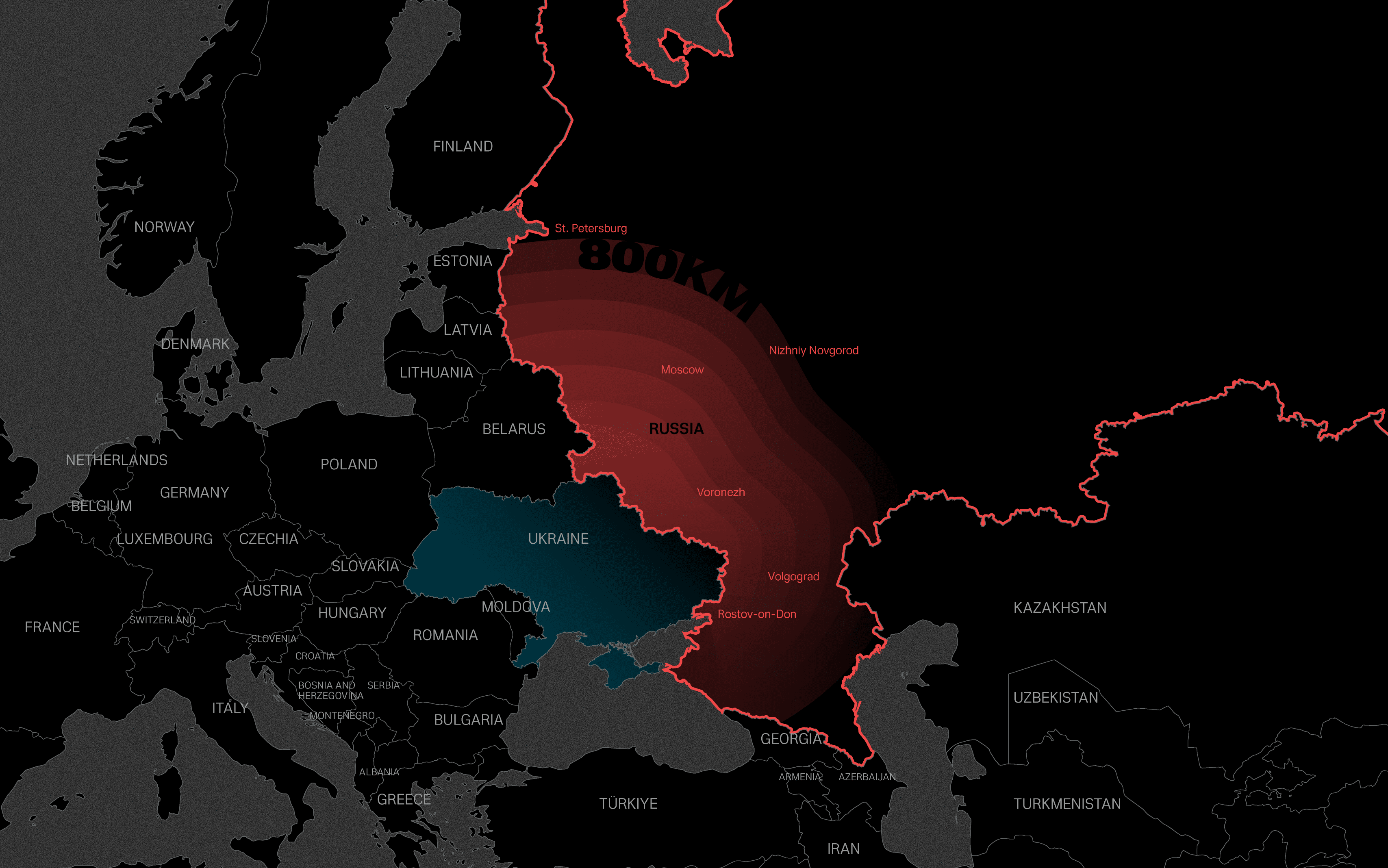
Ukraine is progressing toward deploying domestically produced ballistic missiles capable of striking targets up to 850 kilometers away, with initial systems potentially ready by mid-2026.
We bring you stories from the ground. Your support keeps our team in the field.
In an interview with journalist Dmytro Gordon published on April 1, Denys Shtilerman, chief designer and co-founder of the weapons company Fire Point, said Ukraine has established a near-complete domestic production cycle for ballistic missiles.
He stated that only one component is sourced from abroad, while all other elements are manufactured within the country.
The co-founder and chief designer of the Ukrainian Fire Point defense company, Denys Shtilerman, says that a Ukrainian domestic-produced ballistic missile with 850km range is set to be ready in the middle of 2026.
— Status-6 (War & Military News) (@Archer83Able) April 1, 2026
He also proposes to launch 20-30 such missiles at Moscow. pic.twitter.com/KG2HBXXyri
Shtilerman outlined two missile systems under development. The shorter-range FP-7 has a reported range of up to 300 kilometers and a warhead weighing up to 250 kilograms, with an estimated cost of up to $500,000. A longer-range variant, the FP-9, is designed to reach distances of up to 850 kilometers and carry a warhead of up to 800 kilograms.
He noted that the FP-9 remains under development, with engine testing still pending before final cost estimates can be determined.
“The nine (FP-9—ed.)—I don’t know, we’ll see. Now we will make it, launch it, understand it, because it was smooth on paper, but they forgot about the ravines. Now everything is ready for the nine (FP-9—ed.), except for the engine. We will test the engine and then the pricing will become clear,” Shtilerman said.
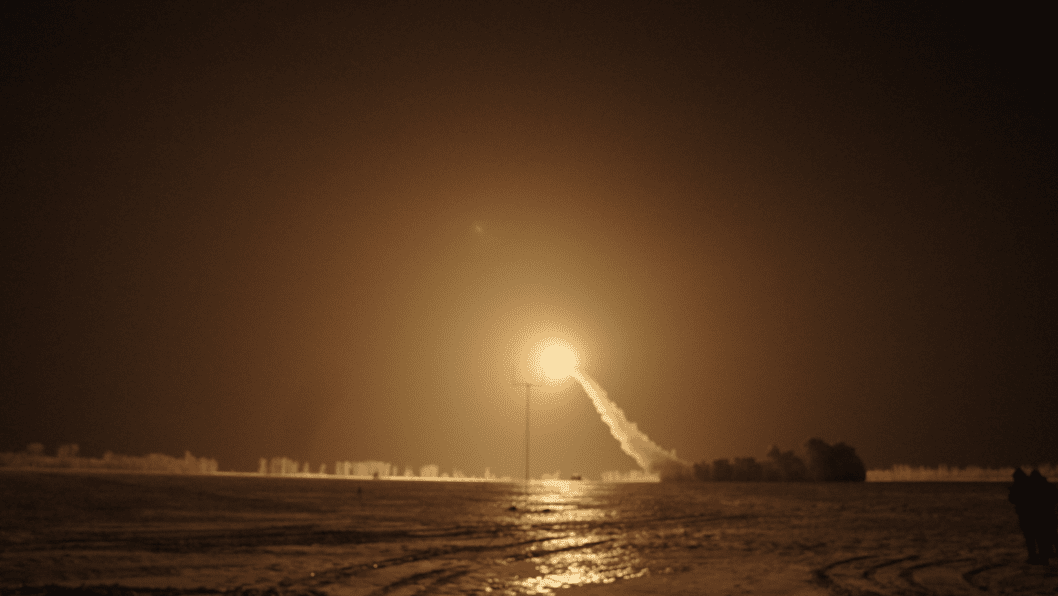
According to Shtilerman, the system could be ready as early as mid-2026. He also suggested that multiple missiles could be launched simultaneously in operational scenarios. “We would launch 20–30 at once toward Moscow,” he said. “I don’t know, I think at least a quarter, and possibly none will be intercepted,” he added, referring to the potential effectiveness of such strikes.
Shtilerman also stated that Russian forces have limited experience in intercepting ballistic missiles. “They have not yet had interceptions of ballistic missiles, they have never done this, they have nothing to learn from… They will learn someday, but that will be later. The first ones should enter like children going to school,” he said.
In the same interview, he outlined potential strike approaches, arguing that attacks should focus on locations with significant operational impact. “My opinion as an ordinary citizen… Lubyanka must be wiped off the face of the earth,” he said, referring to central government and defense-related facilities in Moscow.
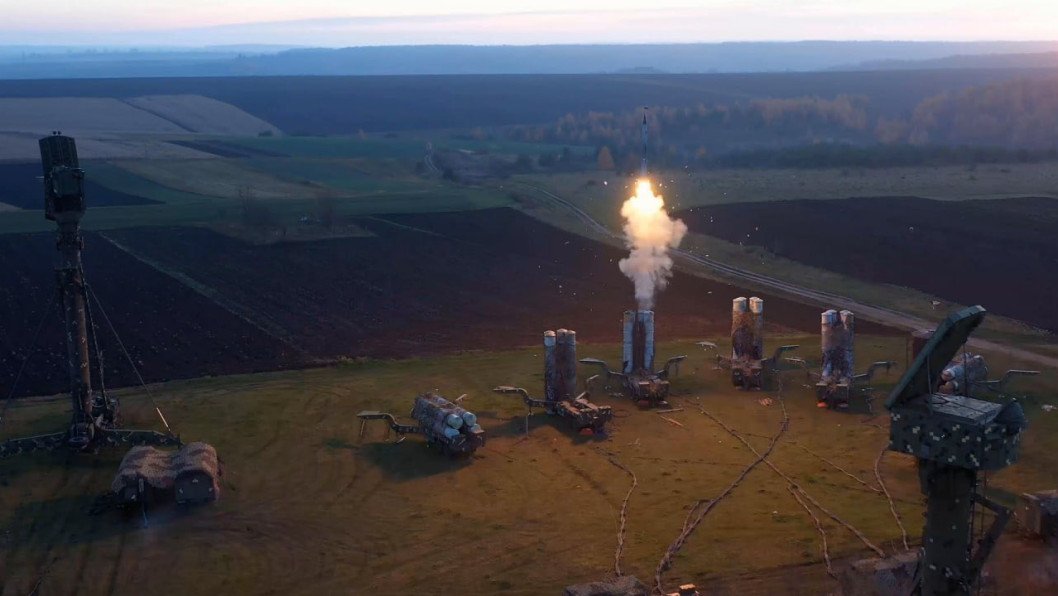
Separately, Shtilerman addressed infrastructure targets, including the Kerch Strait Bridge. He stated that while fully destroying the structure would be unlikely due to its reinforced construction, individual spans could be repeatedly disabled. “The spans can be knocked out every week. They won’t be able to replace them every week,” he said.
Ukraine’s missile development efforts have accelerated in recent years. In August 2024, President Volodymyr Zelenskyy confirmed that Ukraine had tested its first domestically produced ballistic missile, noting that the country is gradually moving toward using its own missile systems rather than relying solely on partner-supplied weapons.
Earlier, Ukrainian forces struck the Promsintez explosives plant in Russia’s Samara region using domestically produced FP-5 Flamingo missiles. The facility, which produces over 30,000 tons of military-grade explosives annually, was hit, followed by an explosion in the production area.
Discuss this article:
-9a7b3a98ed5c506e0b77a6663f5727c5.png)


-c439b7bd9030ecf9d5a4287dc361ba31.jpg "Photo of Katherina Popilnichenko")