- Category
- Latest news
Ukraine Unveils Domestic S-300/400-Style Air-Defense Missile, And Adds New FP-9 Ballistic Weapon
 Prefer U24 Media on Google
- Authors


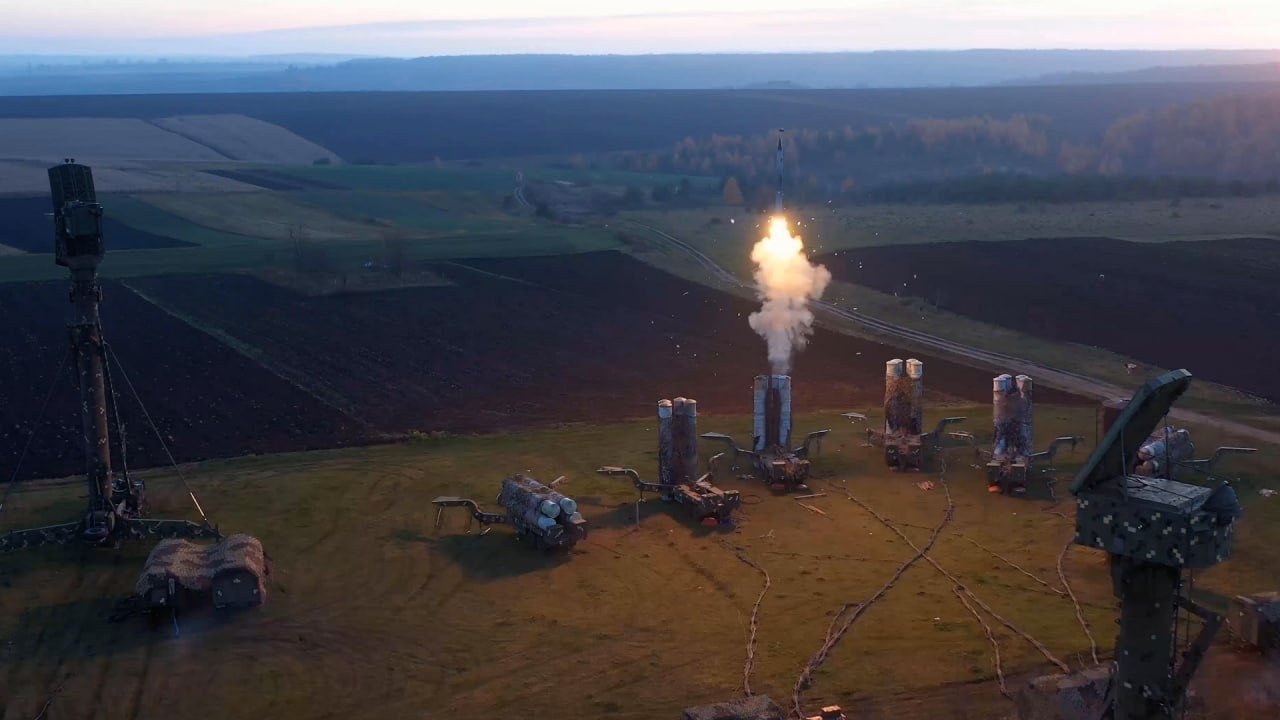
Ukraine’s defense industry is now working to locally produce missiles compatible with the Soviet-made S-300 and S-400 air-defense systems, pairing them with a European radar, Fire Point chief designer Denys Shtilerman told the BBC on December 10.
Shtilerman said Fire Point initially responded to a military request by creating a clone of the fourth section of an S-300/S-400 interceptor, including its actuators.
We bring you stories from the ground. Your support keeps our team in the field.
The next request was for a new rocket motor—a component the company expects to manufacture by January 2026 and begin dynamic testing shortly thereafter.
According to Shtilerman, the plan is to integrate these localized missiles with a European-made radar station.
S-300 air defense system in action 🔥
— Defense of Ukraine (@DefenceU) February 23, 2025
📹: @United24media pic.twitter.com/uJWO5sNfUj
“For now, since we don’t yet have the capability to integrate fully with European radars, we’re using it as a cheap short-range ballistic missile,” Shtilerman explained.
Fire Point also confirmed in September that it is developing its own ballistic-missile family, known as FP-7 and FP-9.
The FP-7 is designed for targets out to 200 kilometers, reaches 1,500 m/s, carries a 150-kilogram warhead, and has a flight time of up to 250 seconds.
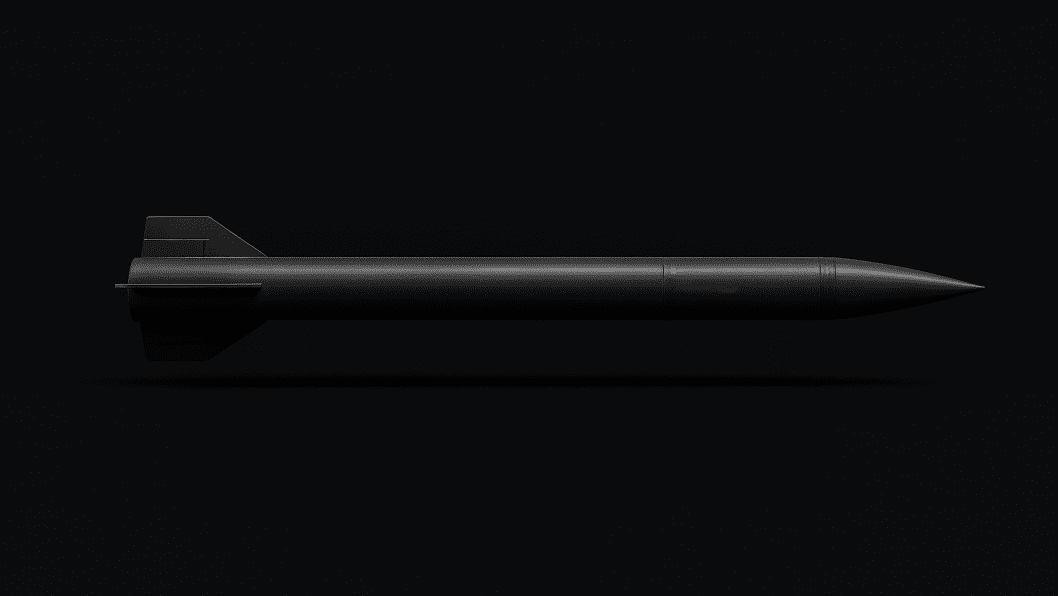
The larger FP-9 extends the range to 855 kilometers, reaches 2,200 m/s, carries an 800-kilogram payload, climbs to 70 kilometers in altitude, and is advertised with a 20-meter circular error probable—enabling deep-strike missions far behind Russian lines.
During Soviet development, S-300 missiles were engineered to strike fixed ground targets with known coordinates, not just aerial threats.
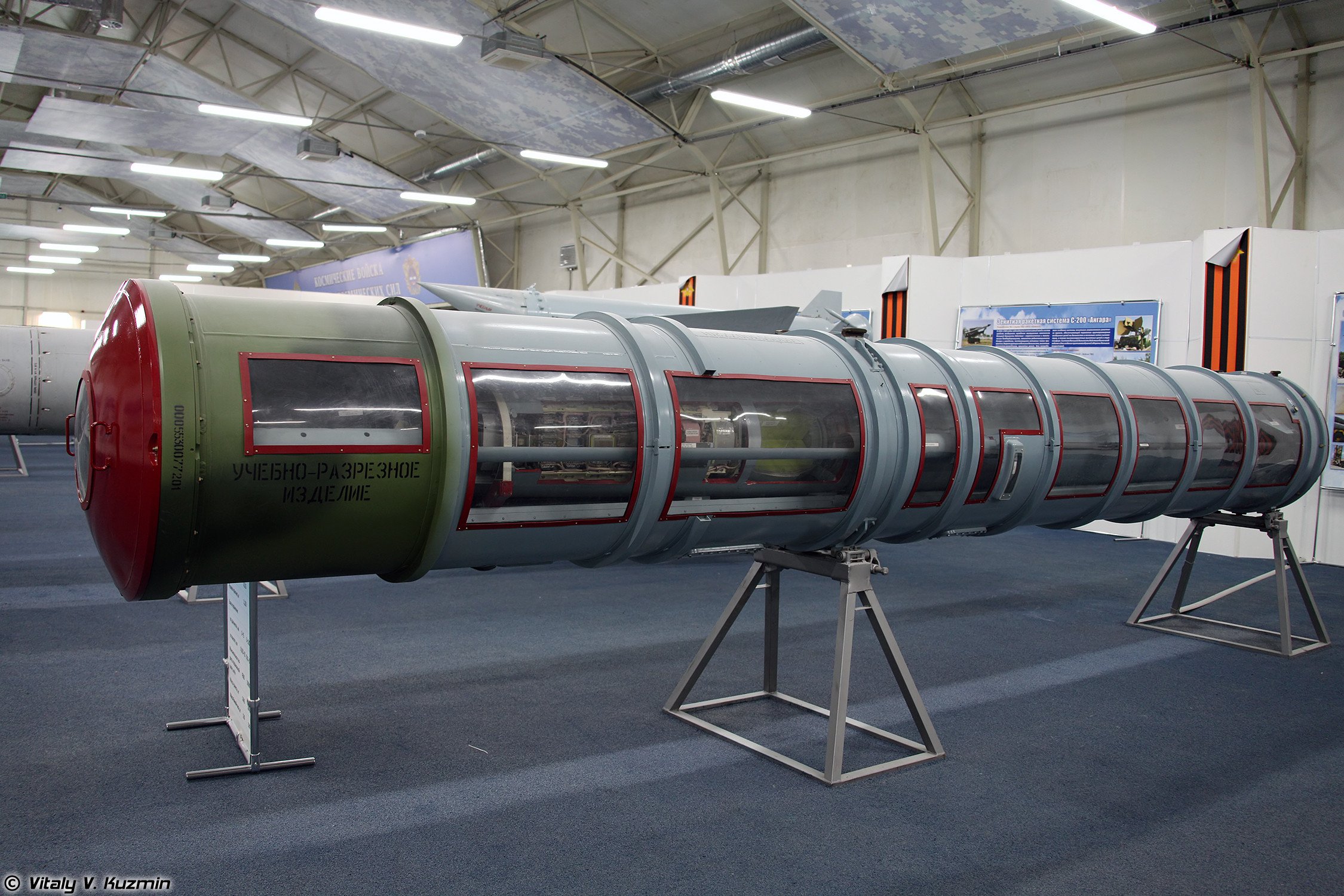
Today, Russia routinely fires S-300 and S-400 missiles at Ukrainian cities using 5V55 or 48N6-series interceptors, which rely on semi-active radar guidance and fragmenting warheads filled with pre-formed metal cubes. These weapons can be lethal against exposed troops, vehicles, warehouses, and infrastructure.
According to Ukrainian defense outlet Militarnyi, Ukraine previously explored extending the range of its own 5V55R missiles from 75 km to 150 km—a modernization concept publicly discussed in 2018.
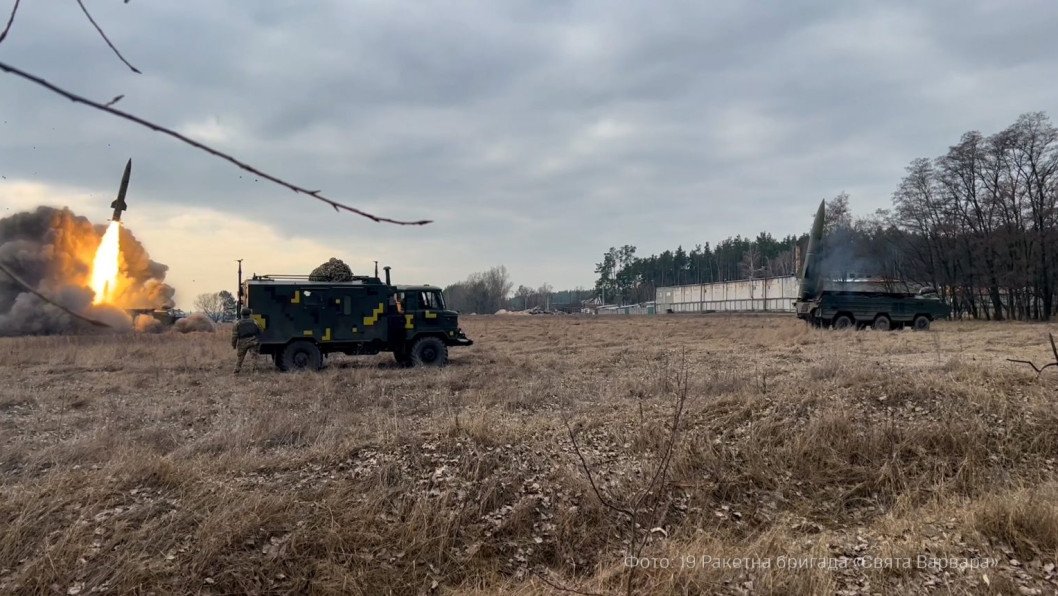
Before the full-scale invasion, Ukraine still held a meaningful stock of 5V55-series missiles for its S-300PT/PS/V1 systems. Since 2004, the state enterprise Ukroboronservice has been responsible for repairs and life-extension of the country’s S-300 inventory, establishing a dedicated center for air-defense maintenance and modernization.
It remains possible, analysts note, that Ukraine’s current effort involves a fresh upgrade of the 5V55 family rather than a full localization of more modern 48N6-series missiles.
Earlier, Ukraine began using its domestically built Sapsan ballistic missile in combat against Russia.
Discuss this article: