- Category
- Latest news
Did Ukraine Copy Russia’s S-400 for Its New FP-7 Ballistic Missile? Yes and No
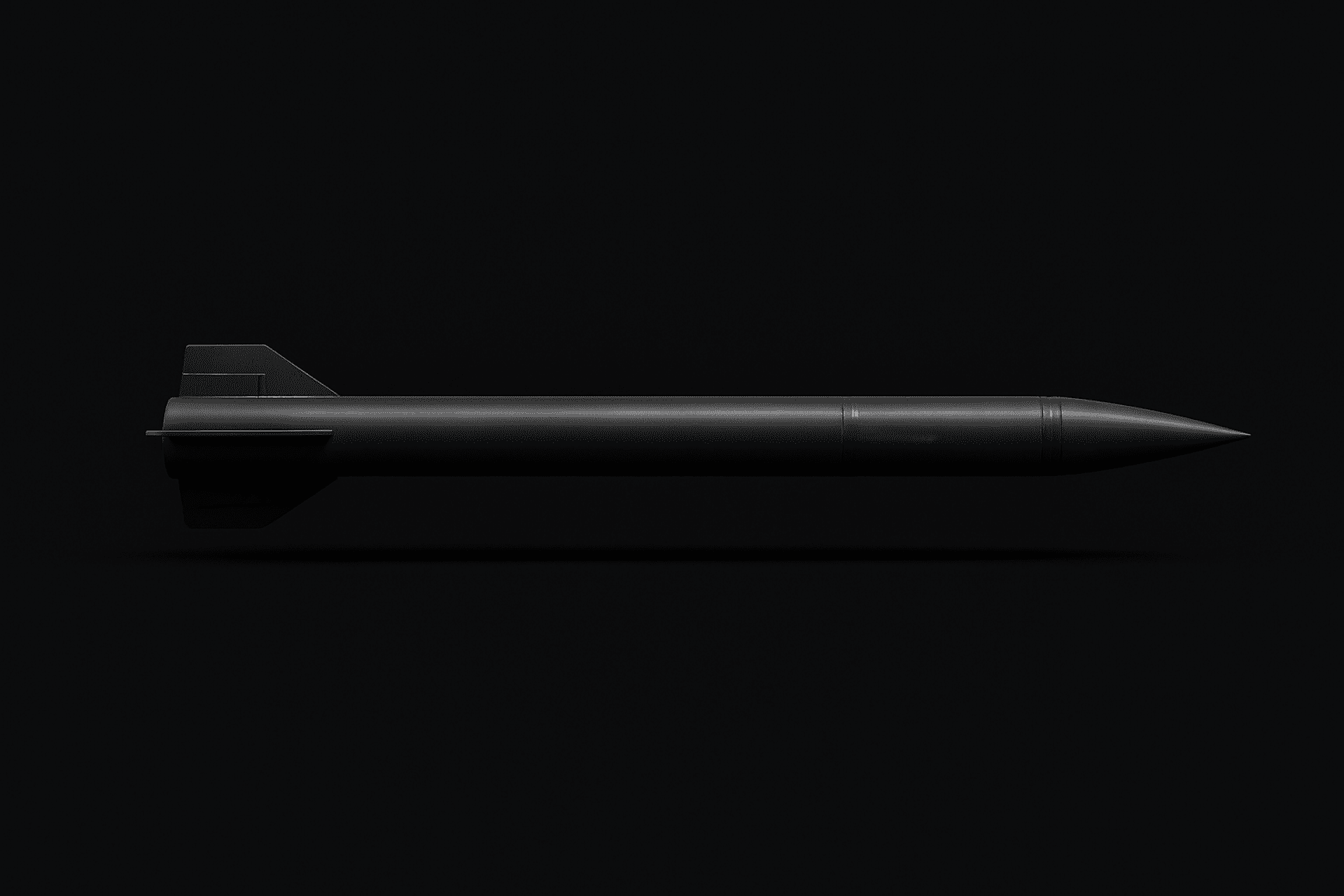
Ukraine’s new domestically produced FP-7 missile bears a striking resemblance to Russia’s S-400 interceptor—but the similarity is only skin-deep.
 Prefer U24 Media on Google
- Authors




Ukraine’s defense firm Fire Point has confirmed that its latest ballistic missiles, the FP-7 and the long-range FP-9, adopt the external aerodynamic design of the Soviet-era 48N6 missile, which is currently used in Russia’s S-300PM and S-400 air defense systems.
We bring you stories from the ground. Your support keeps our team in the field.
According to Defense Express on November 24, Fire Point openly described the FP-7 as a “clone” of the 48N6 in terms of external layout—while emphasizing that its internal construction, materials, and guidance systems are entirely Ukrainian.
Design Choice and Production Plans
The FP-7 is designed for ground strikes at ranges up to 200 kilometers. Fire Point stated it expects the missile to complete codification—a process required before military adoption—by the end of the year. Its longer-range counterpart, the FP-9, has a projected strike range of up to 855 kilometers and is set to follow the same process.
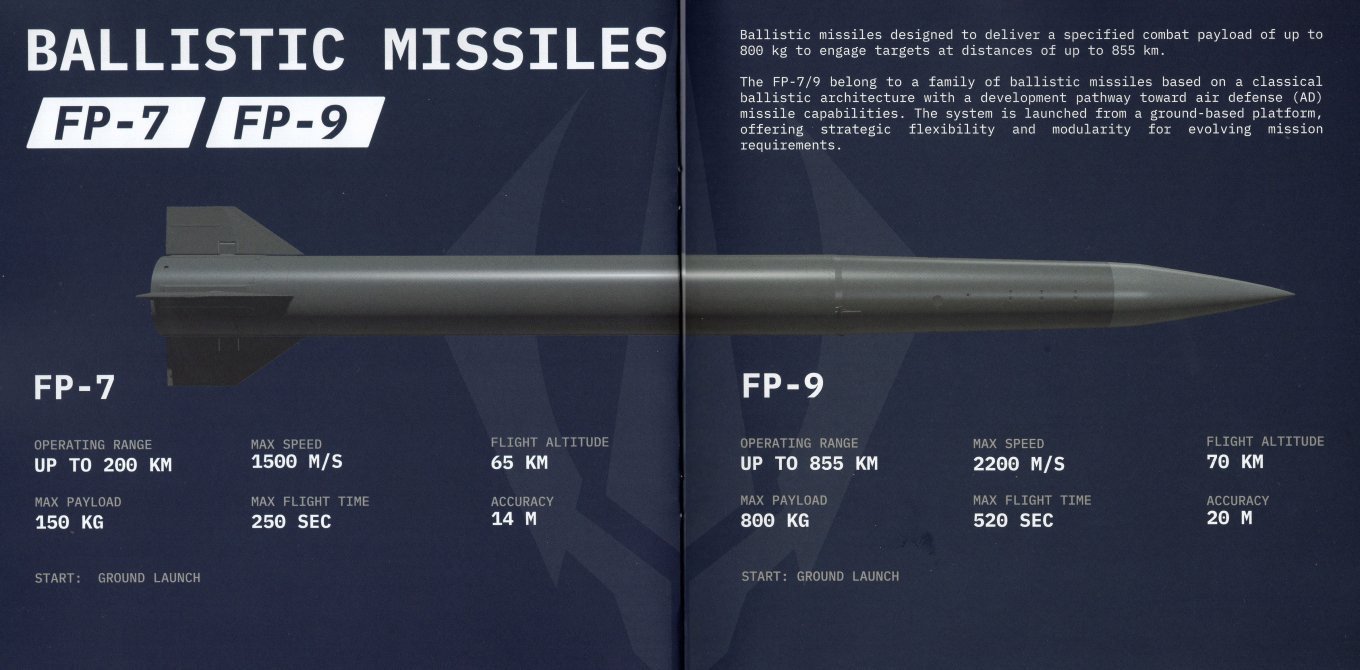
According to Defense Express, company representatives said during a recent press conference that they deliberately reused the aerodynamic structure of the 48N6 as a time-saving measure.
During the briefing, Fire Point explicitly acknowledged this choice, describing the FP-7 as “clone missile” and stressing that the similarities are limited to the outer form.
The company also noted that the Ukrainian version relies on a “fully composite structure,” which reduces weight and increases performance, while “all flight-control and targeting systems are entirely different” and produced in Ukraine.
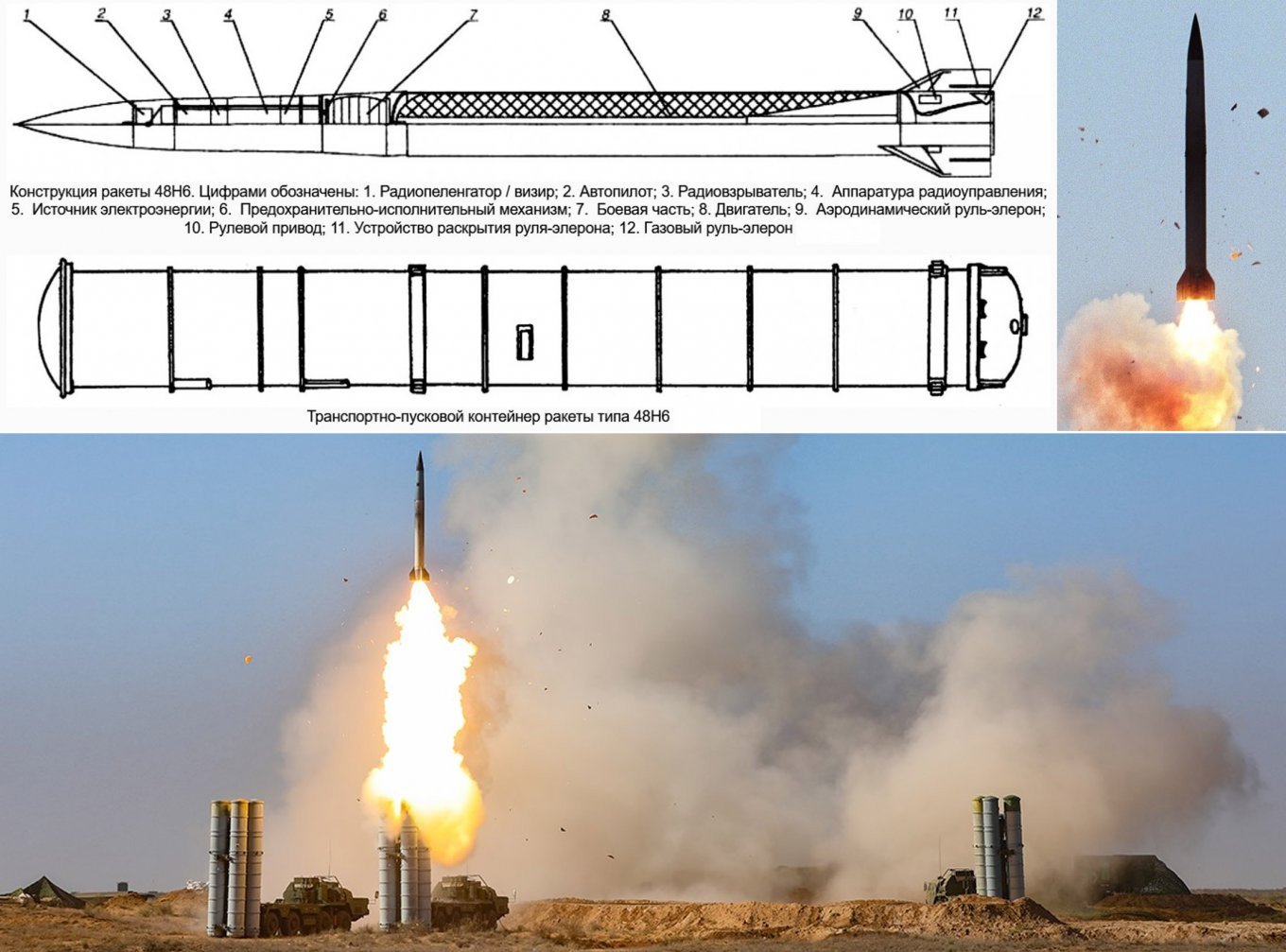
Fire Point reiterated that only the external aerodynamic form was reused, while all internal systems were developed in Ukraine.
Technical Comparison
The original 48N6 missile, developed in the 1980s and adopted in 1990, measures 7.5 meters in length and weighs approximately 1,900 kilograms.
Powered by a solid-fuel engine with a burn time of about 12 seconds, it reaches top speeds of 1,900–2,100 meters per second and maintains an average velocity of around 1,190 meters per second.
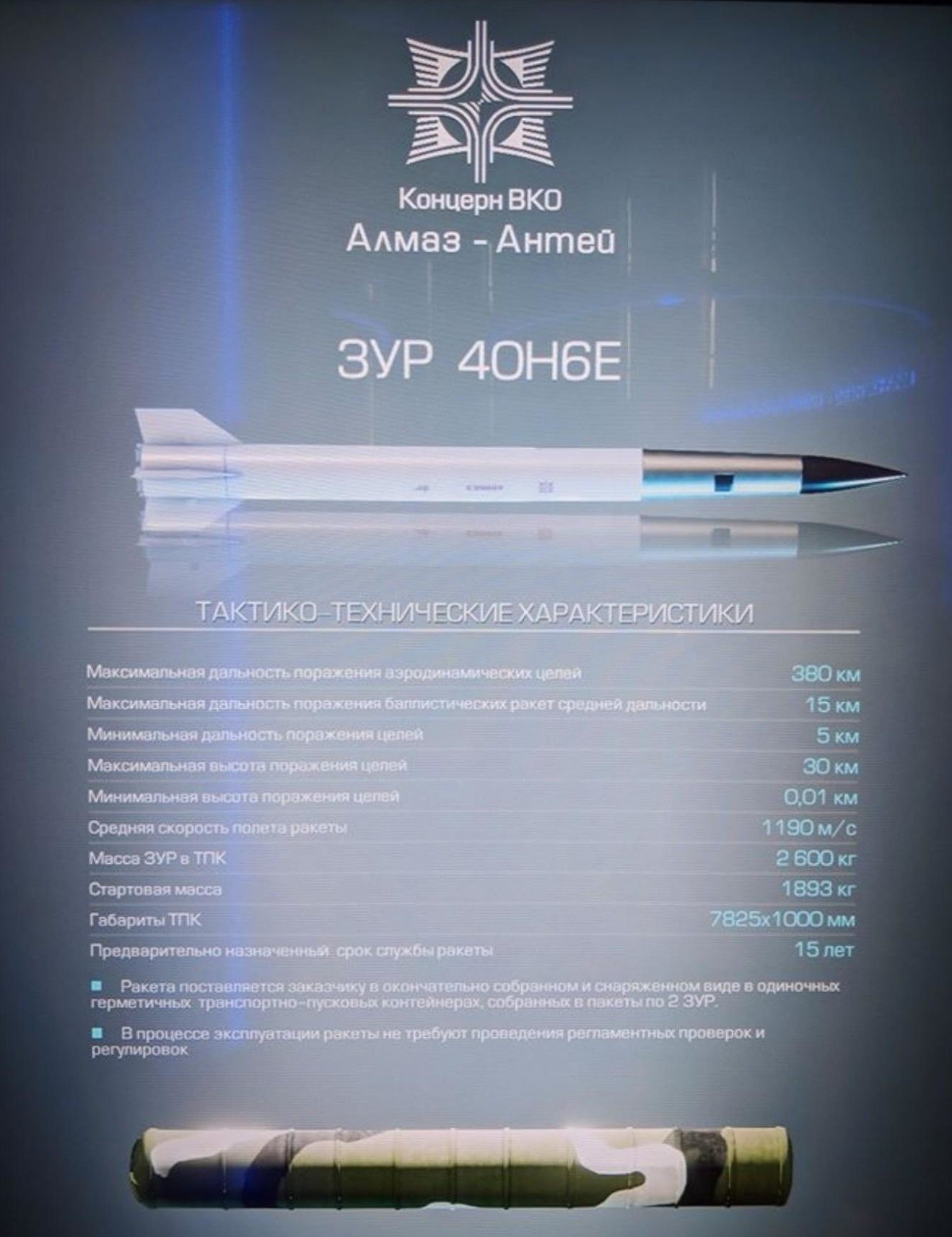
The warhead payload across various versions ranges from 145 to 180 kilograms, with effective interception ranges between 150 and 250 kilometers.
Fire Point’s FP-7 carries a warhead of up to 150 kilograms and has a declared range of over 200 kilometers. The missile reaches a maximum velocity of roughly 1,500 meters per second, with a total flight time of 250 seconds—translating to an average speed near 800 meters per second.
Defense Express notes that differences in propulsion systems and fuel characteristics likely explain the gap between peak and sustained velocities when compared to the 48N6.
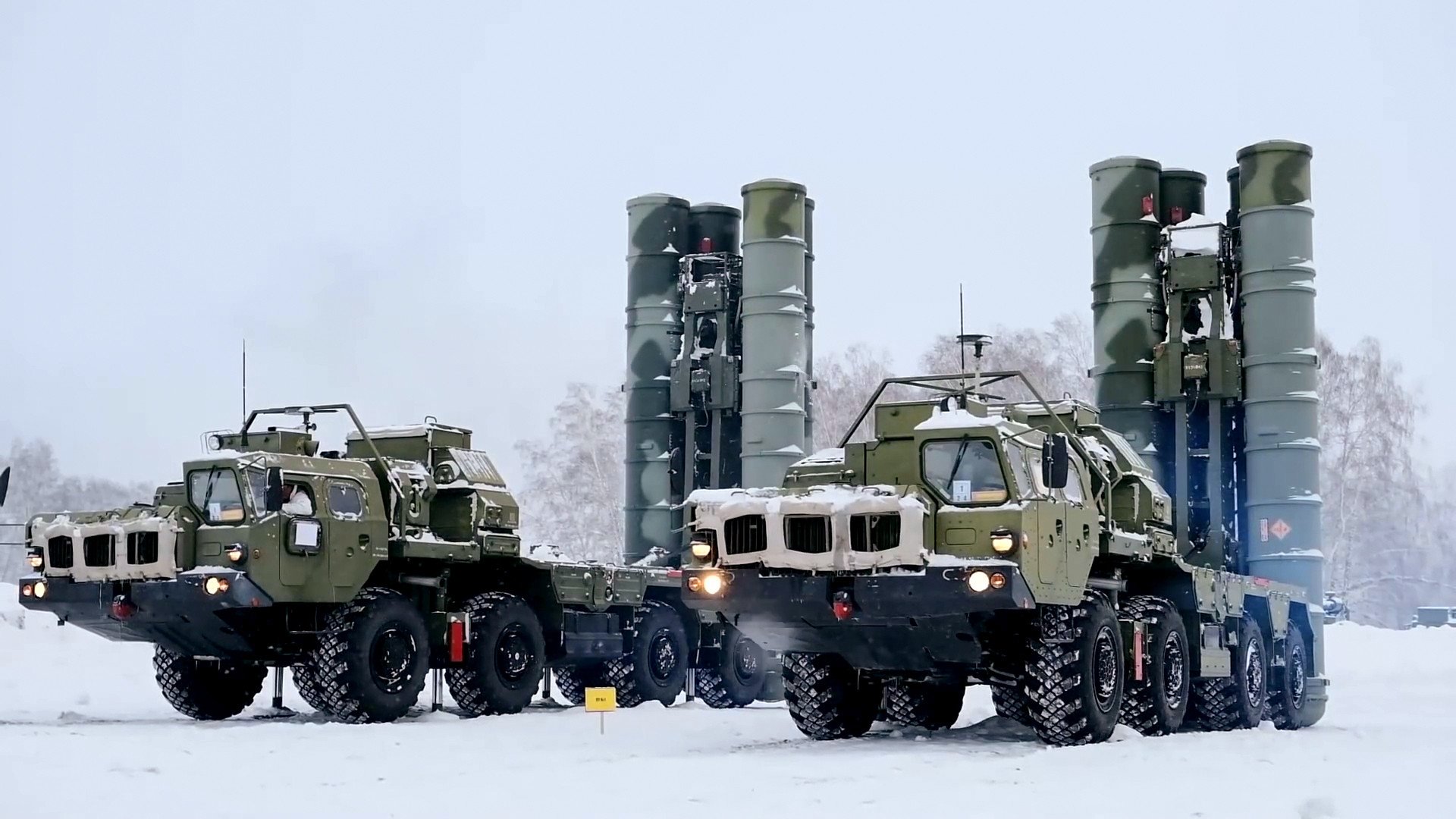
As Defense Express explains, adopting proven aerodynamic designs can significantly shorten the development cycle of new weapons systems. Russia continues to use the 48N6 in combat operations, including long-range strikes on Ukrainian territory.
By replicating the missile’s aerodynamic shell while integrating domestic technology, Fire Point aims to rapidly deliver a new generation of long-range precision weapons for Ukraine’s armed forces.
Earlier, Fire Point owner Denys Shtilerman told Ukrainian media that the company plans to launch serial production of its new ballistic missile by the end of 2025, with scale comparable to its FP-5 cruise missiles—“they will come out like hotcakes,” he said.
Discuss this article:
-9bd5e1532102621f8fb1c4ba871a3171.png)


-c439b7bd9030ecf9d5a4287dc361ba31.jpg "Photo of Katherina Popilnichenko")