- Category
- Latest news
The Missile Fuel the US Won’t Share and Russia Can’t Copy—Only Ukraine Can Make It
 Prefer U24 Media on Google
- Authors


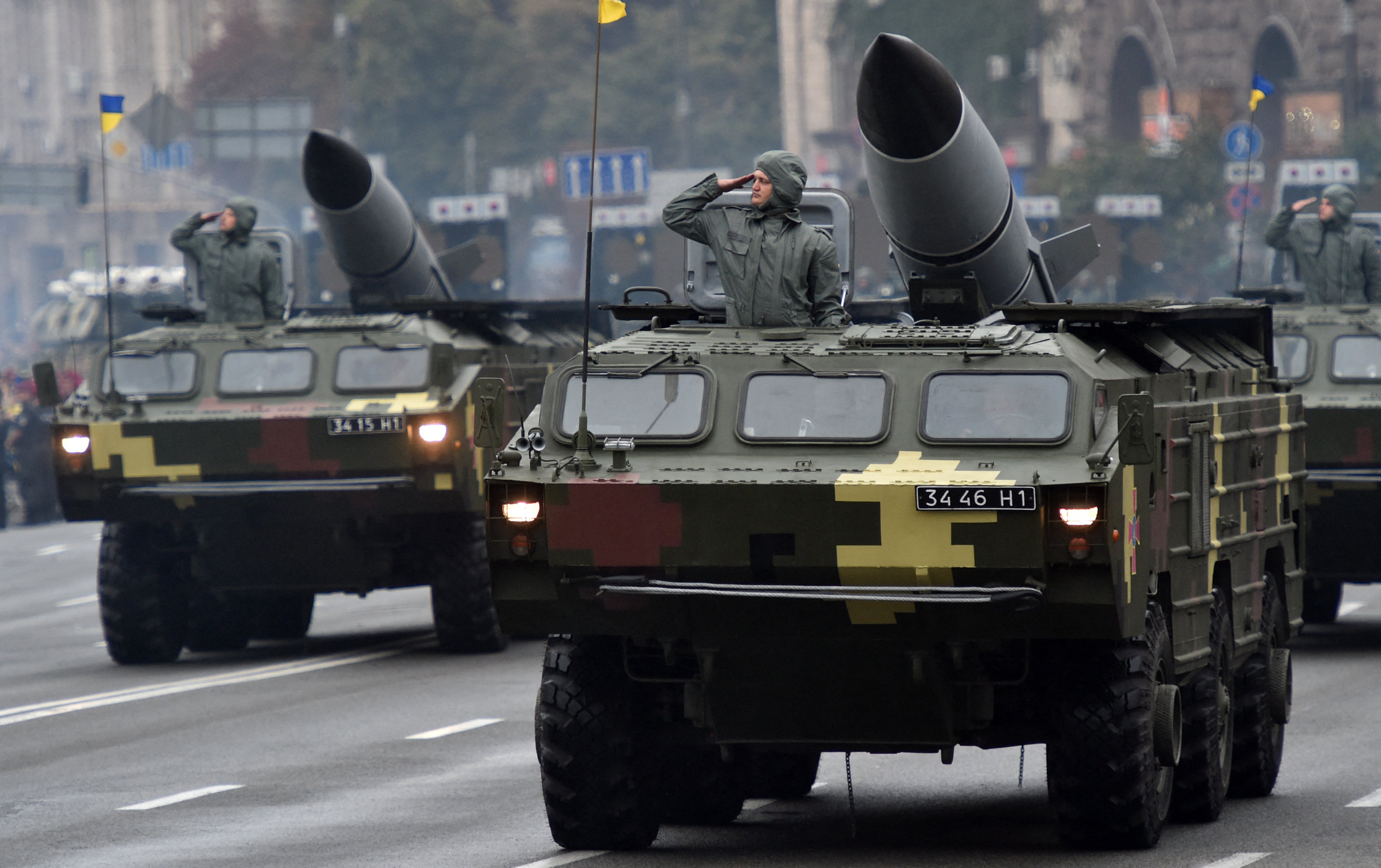
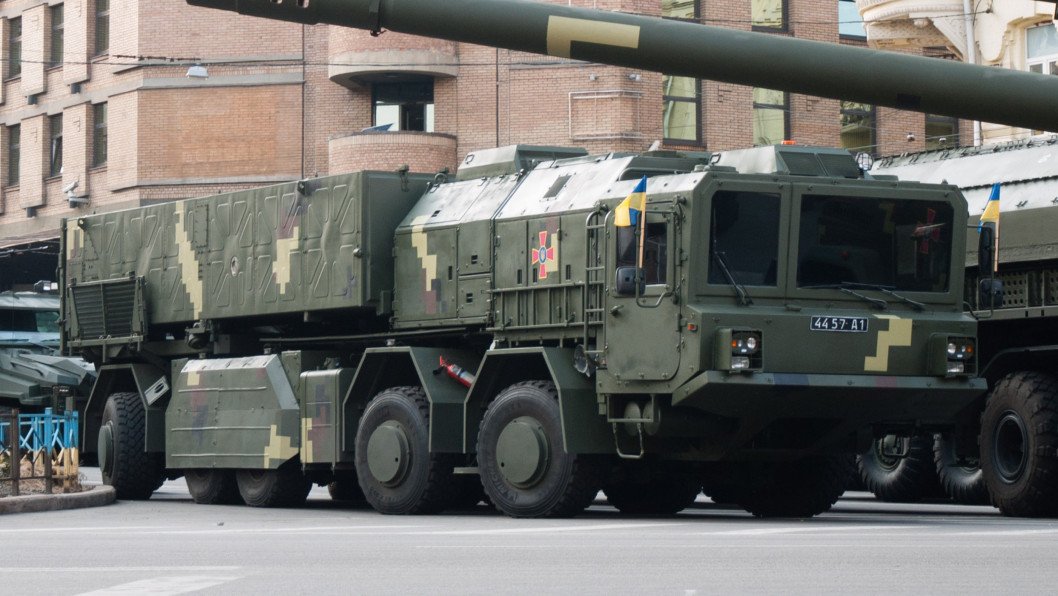
Ukraine remains the only nation capable of producing the solid rocket fuel needed for its long-range ballistic missile projects such as the Sapsan, according to Defense Express.
The reason lies in a unique combination of scientific expertise, inherited industrial infrastructure, and access to proprietary Soviet-era technologies that are no longer available elsewhere.
According to Defense Express, the country’s ability to manufacture high-energy solid propellants determines the range and payload capacity of future Ukrainian missiles.
The difference in fuel composition can mean a missile reaching 300, 500, or even 1,000 kilometers while maintaining similar dimensions and payload mass.
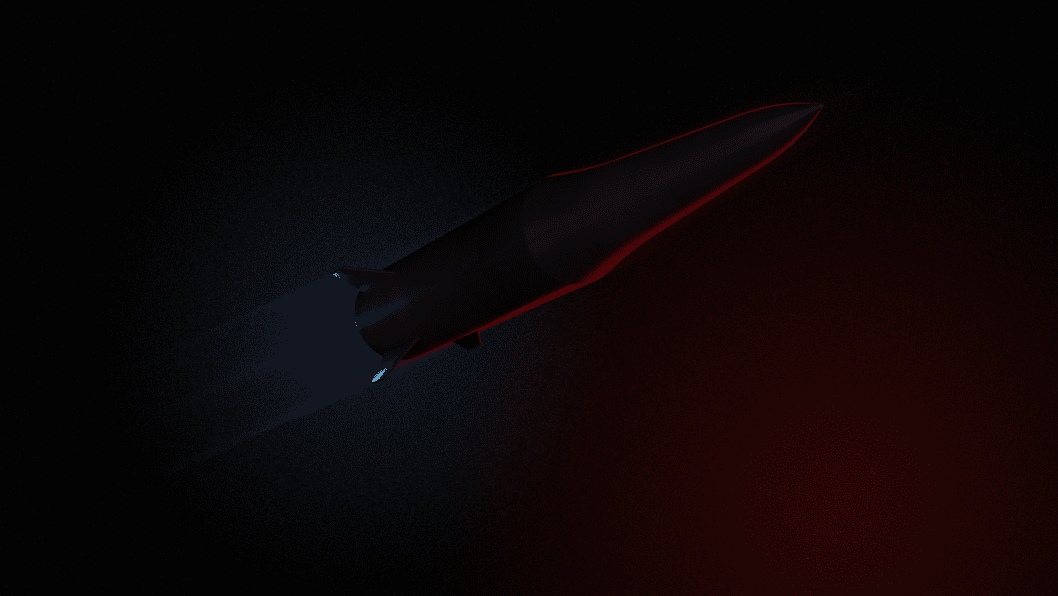
Zinoviy Pak, Doctor of Chemical Sciences and former head of the “Soyuz” research and production association that developed solid-fuel engines for Soviet ballistic missiles, explained that the foundation for advanced propellant chemistry was laid in the early 1970s.
“In 1971, the USSR developed ADN (ammonium dinitramide),” Pak said. “I used this new molecule as the basis for a completely new class of rocket fuels.”
He noted that the United States discovered ADN roughly 20 years later and patented it, while the Soviet Union had already established industrial production of rocket fuel based on ADN by that time.
This breakthrough enabled Ukrainian designers at the Pivdenne Design Bureau to develop a new generation of solid-fueled intercontinental ballistic missiles (ICBMs), including the three-stage RT-23.
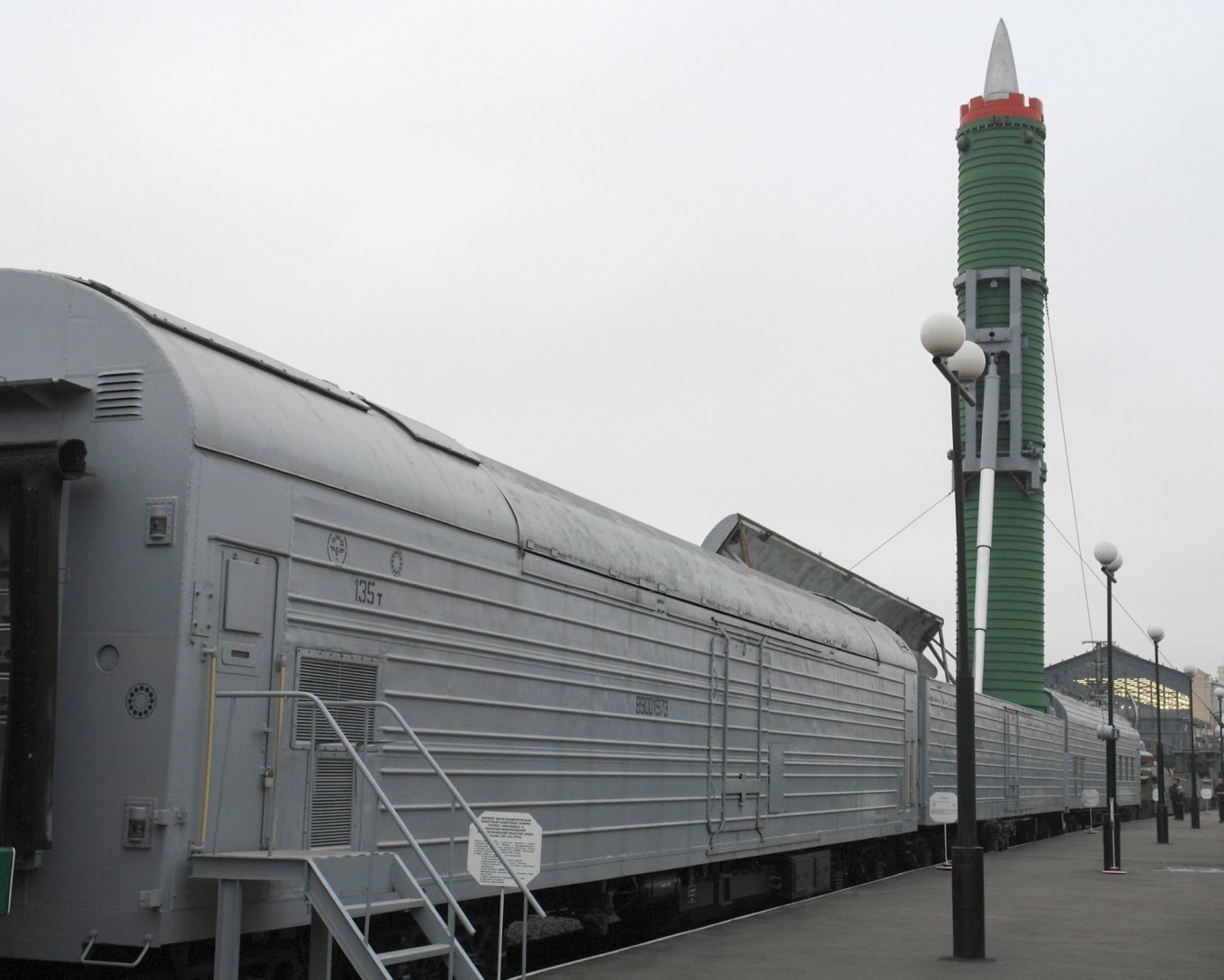
The RT-23, produced at the Pavlohrad Mechanical Plant, weighed 104.5 tons and had a range of more than 10,000 kilometers. Its third-stage fuel was particularly advanced, combining ADN with aluminum hydride—an extremely reactive compound that had long been considered unsuitable for stable, long-term storage.
Pak explained that his team found a way to stabilize the compound by converting the released hydrogen gas into a liquid, maintaining fuel stability over decades of deployment. This method was patented under a classified Soviet patent that Russia cannot replicate today.
“How to combine aluminum hydride and ensure both stability and efficiency remains a challenge for many countries developing ballistic missiles,” Pak said.
Defense Express noted that even advanced missile producers such as South Korea and Turkey continue to face limitations in developing similar fuel compositions.
In Europe, only France’s ArianeGroup manufactures solid-fueled ballistic systems, including the M51 submarine-launched missile. However, France has little incentive to share or export such critical technologies.
The same applies to the United States, which declined Ukraine’s request to supply or transfer solid propellant from retired ATACMS missiles for its new Sapsan systems. According to Defense Express, this leaves Ukraine with one viable path—to develop and produce the necessary fuel independently.
Pak, who now lives in Slovenia and has applied for Ukrainian citizenship, said his goal is to help restore Ukraine’s missile production capabilities. “To have real sovereignty, we must first achieve ammunition and missile sovereignty,” he said. “Only then will we have a genuine guarantee of security.”
Earlier at the MSPO defense exhibition in Poland, Ukrainian defense firm Fire Point introduced the FP-9—a new ballistic missile capable of striking targets up to 855 kilometers away. With a top speed of 2,200 m/s and an 800-kilogram warhead, the FP-9 expands Ukraine’s strategic reach deep into enemy territory.
Discuss this article:


-72b63a4e0c8c475ad81fe3eed3f63729.jpeg "Photo of Cyril Barabaltchouk")

-111f0e5095e02c02446ffed57bfb0ab1.jpeg "Photo of Roman Kohanets")