- Category
- Latest news
NATO Air Defenses Neutralize Iranian Ballistic Missile Over Turkish Border
 Prefer U24 Media on Google
- Authors


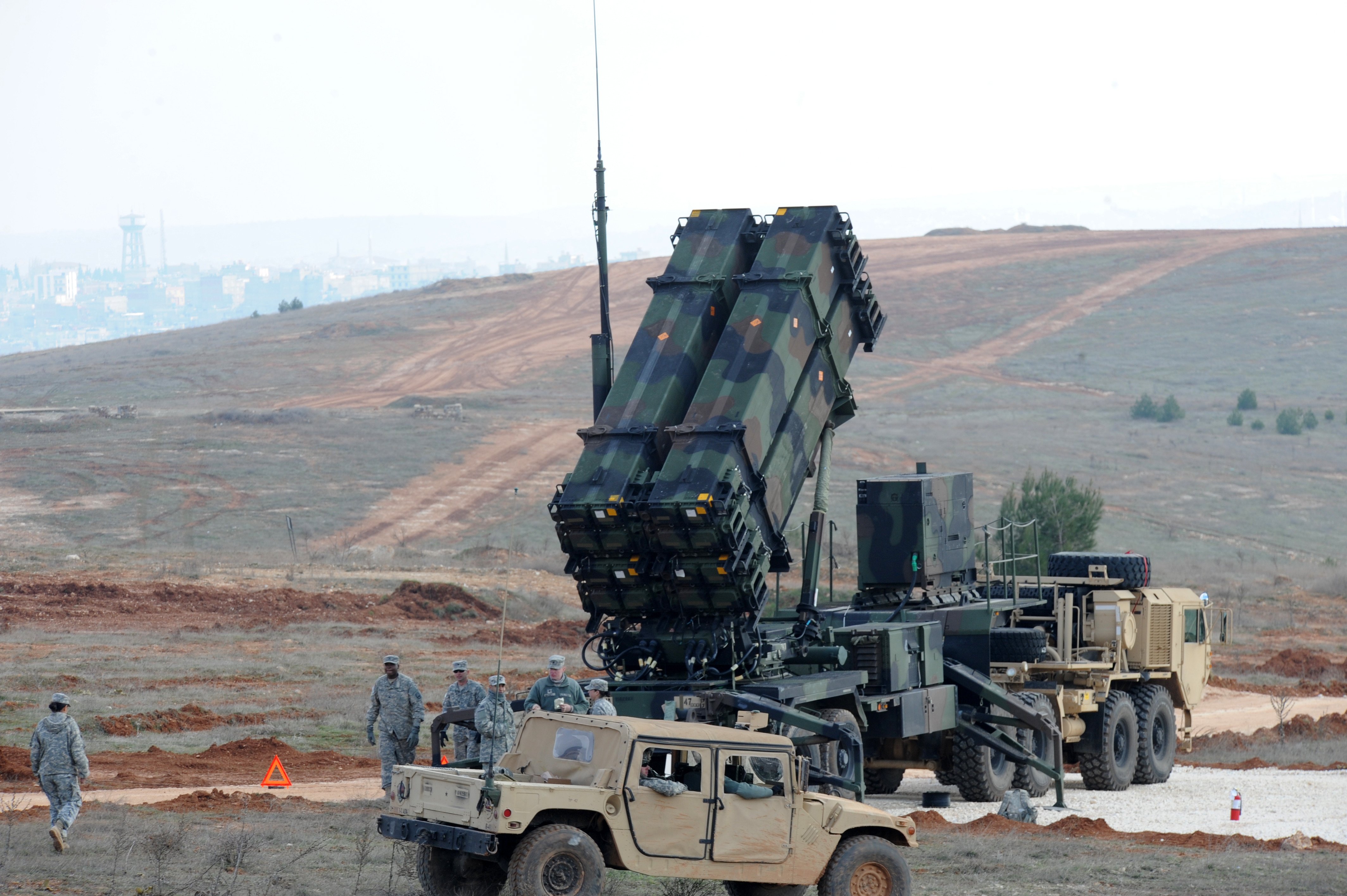
A ballistic missile launched from Iran toward Turkish airspace was intercepted on March 4 by NATO air defense systems stationed in the Eastern Mediterranean.
According to an official statement from the Turkish Ministry of National Defense on March 4, the projectile was detected traversing Iraqi and Syrian airspace before heading toward Turkey. The ministry confirmed that the threat was “engaged and neutralized in a timely manner” by NATO-integrated missile defense assets.
We bring you stories from the ground. Your support keeps our team in the field.
Debris from the interception fell in the Dörtyol district of Hatay province, located in southern Turkey. Following an investigation, the Turkish Ministry of National Defense clarified that the fragments found on the ground belonged to the interceptor missile used to destroy the incoming threat.
“There were no casualties or injuries in the incident,” the ministry stated in its official press release. This was echoed by Burhanettin Duran, Head of the Communications Directorate of the Turkish Presidency, who confirmed that the fragment fell in an open area in Dörtyol.
Etkisiz Hâle Getirilen Balistik Mühimmat ile İlgili Açıklama#MillîSavunmaBakanlığı pic.twitter.com/F59bAU7AhW
— T.C. Millî Savunma Bakanlığı (@tcsavunma) March 4, 2026
The interception follows a period of heightened friction between Ankara and Tehran. The two nations exchanged diplomatic warnings in February regarding border security following multiple violations of Turkish airspace in the southeast.
The Turkish Ministry of National Defense emphasized its readiness to protect its sovereign territory, stating: “Our will and capacity to ensure the security of our country and our citizens is at the highest level. We remind you that our right to respond to any hostile attitude toward our country is reserved.”
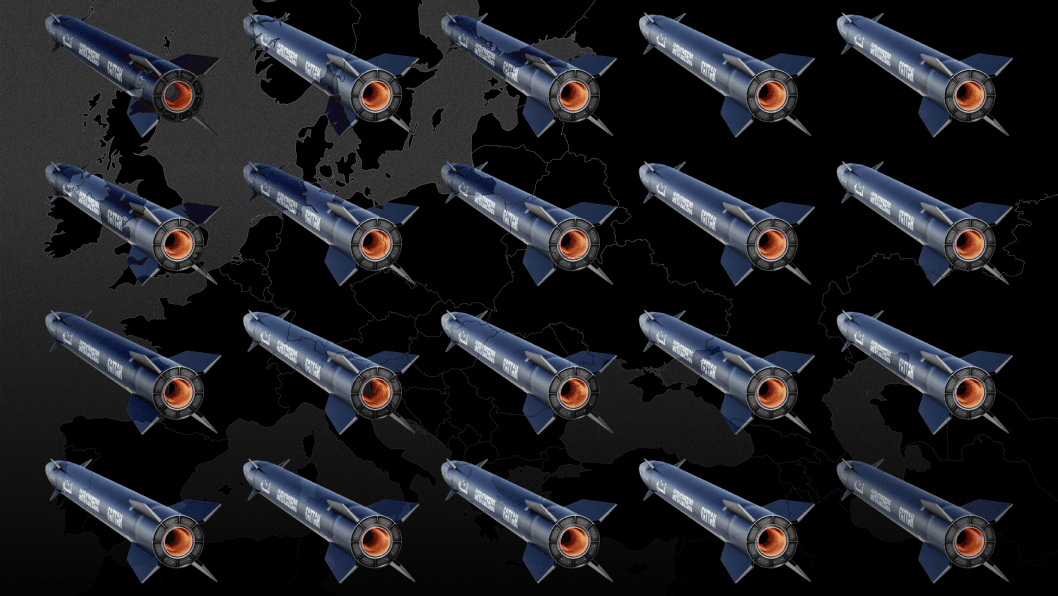
Turkey, which maintains the second-largest standing army in NATO after the United States, further urged all regional actors to avoid escalatory steps that could broaden current conflicts.
Earlier, satellite imagery analyzed by defense experts appeared to show damage to a US AN/FPS-132 Upgraded Early Warning Radar facility in Qatar following an Iranian strike. The radar, part of the regional missile detection network covering the Persian Gulf, is designed to track ballistic missile launches and airborne threats across thousands of kilometers.
Discuss this article:
-4a56a6b482ec132402c16ef6fcabf9a2.png)


-c439b7bd9030ecf9d5a4287dc361ba31.jpg "Photo of Katherina Popilnichenko")