- Category
- World
What’s Behind the US-French Intelligence Effort Powering Ukraine’s Deep Strikes
 Prefer U24 Media on Google
- Authors

-c439b7bd9030ecf9d5a4287dc361ba31.jpg "Photo of Katherina Popilnichenko")
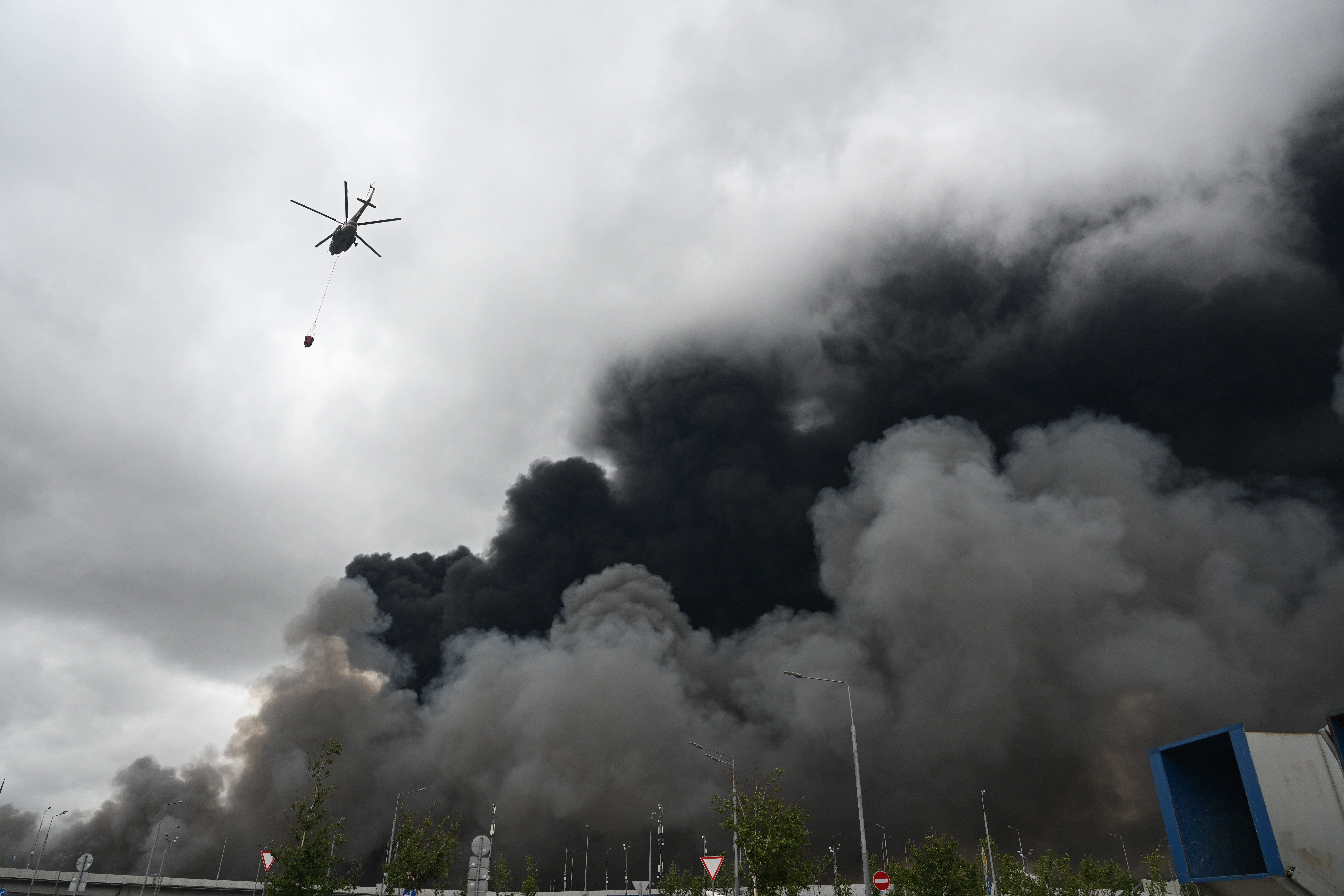
US and French intelligence agencies are providing critical targeting assistance to Ukraine, enabling a series of long-range strikes against key industrial facilities deep inside Russian territory.
The strategic guidance helped Ukrainian forces strike dozens of large oil refineries and eight Wildberries fulfillment centers covering approximately 860,000 square meters—representing roughly 15.4% of the marketplace's total storage capacity, according to Financial Times on July 29.
We bring you stories from the ground. Your support keeps our team in the field.
The heaviest damage occurred at the Wildberries warehouse in Elektrostal, near Moscow, where a July 18 attack burned through roughly 250,000 square meters.
Western intelligence officers assist Ukrainian forces by mapping targets, assessing Russian air defense positions, and identifying optimal flight paths for long-range drones. Ukrainian officials noted that this intelligence integration allows planners to treat Russian state assets as an interconnected network.
According to former Ukrainian Defense Minister from 2019 to 2020, Andrii Zagorodnyuk, intelligence from the US and France improved Ukraine’s ability to determine priority targets and shift to secondary options if primary targets are obstructed by air defense or technical issues.
The tactical approach focuses on disrupting essential components rather than conducting broad attacks on entire industrial sites. CIA specialists identified specific industrial machinery components that are extremely difficult for Russia to replace or repair.
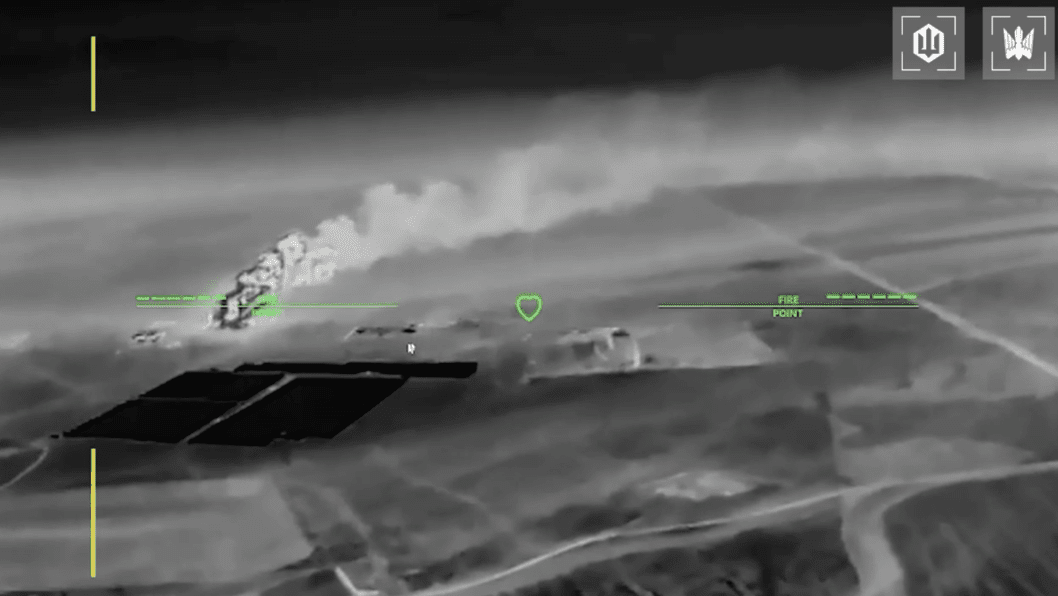
Intelligence assistance also extends to operations using maritime drones and unmanned aerial vehicles against tankers operating in the Black Sea, the Mediterranean Sea, and other international waters.Before launching attacks, drone crews consult with engineers and industry experts to pinpoint vulnerable items essential for plant operations.
Ukrainian units also execute repeat strikes on damaged facilities to prevent repairs from being completed. Planners have compiled a comprehensive map of Russian energy infrastructure to identify vulnerable locations capable of causing widespread operational disruptions.
Due to these targeted drone strikes, operations were suspended at the Tyumen refinery on July 28, the Gazprom Salavat Petrochemical site on July 14, Rosneft's Syzran refinery on July 12, the Saratov refinery on July 8, the Omsk refinery on July 6, and Lukoil's Nizehegorodnefteorgsintez plant on July 2.
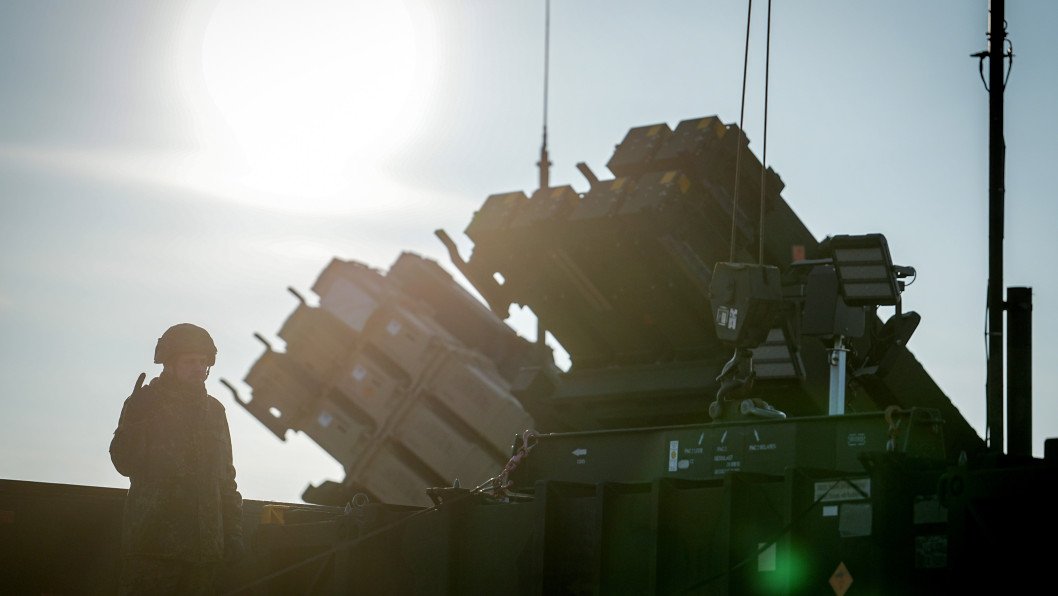
Energy Intelligence estimates that Russian oil refining volumes fell to 3.58 million barrels per day in July, marking a potential low not seen since at least 2002.
Following a Ukrainian drone strike, Russia’s Tyumen Oil Refinery, one of the country’s largest independent processing facilities with an annual capacity of approximately 9 million metric tons, completely suspended crude oil processing and fuel production.
The attack hit the refinery’s diesel fuel hydrotreater and a combined high-octane gasoline unit, leaving the timeline for restoring operations unclear. As a result, the facility—which annually produces around 500,000 metric tons of gasoline and nearly 3 million metric tons of diesel—became the sixth major Russian refinery forced to halt operations due to drone attacks within that month.
Discuss this article:


-72b63a4e0c8c475ad81fe3eed3f63729.jpeg "Photo of Cyril Barabaltchouk")



-111f0e5095e02c02446ffed57bfb0ab1.jpeg "Photo of Roman Kohanets")