- Category
- War in Ukraine
Ukraine Hits All 11 of Russia’s Largest Oil Refineries in Long-Range Drone Campaign
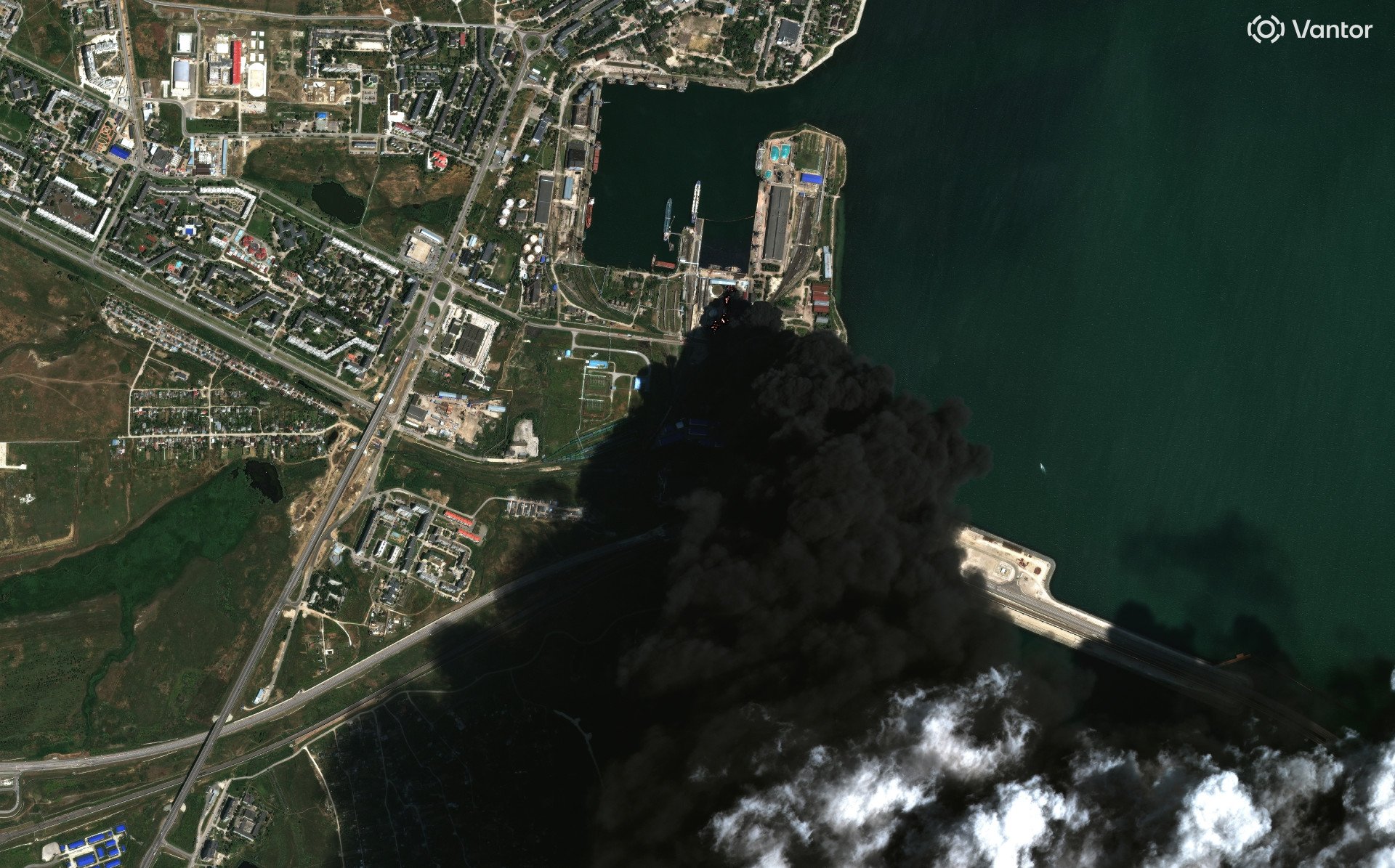
With a drone strike on Russia’s biggest oil refinery in Omsk—more than 2,500 kilometers from Ukraine’s border—Ukraine crossed a strategic milestone. Every one of Russia’s 11 largest oil refineries has now been hit. This is the culmination of a campaign designed to steadily erode the financial foundation of Russia’s war effort.
 Prefer U24 Media on Google
- Authors

-29a1a43aba23f9bb779a1ac8b98d2121.jpeg "Photo of Illia Kabachynskyi")
Ukraine has systematically targeted one of Russia’s key sources of economic strength by repeatedly striking the country’s oil refineries—among the Kremlin’s most valuable financial assets and a major source of funding for its military budget.
After dramatically expanding production of long-range drones and missiles, Ukraine has now struck every one of Russia’s largest refineries. The campaign has already produced tangible results: gasoline shortages are being felt across much of Russia, including Moscow, while revenues from the sector are no longer sufficient to offset soaring military expenditures.
Ukraine’s strike on the Omsk Oil Refinery on July 6 completed the list—every one of Russia’s 11 largest oil refineries has now been hit by Ukrainian drones or missiles. This is not simply a series of successful attacks but a systematic campaign with a single objective: to deprive Russia of the funds it needs to continue the war. From an economic perspective, the campaign represents one of the three pillars of the Ministry of Defense’s strategy: defeating the enemy on the ground, in the air, and in the economy.
From a financial standpoint, these strikes are particularly painful. Russia exports crude oil, but refined petroleum products command significantly higher prices and generate greater profits. Refineries also supply the domestic market, helping keep fuel prices relatively stable for Russian consumers. After a sustained series of successful attacks, however, the Kremlin has lost on every front: exports have declined, domestic gasoline supplies have become insufficient, and prices are rising. Russia is now forced to seek gasoline imports from other countries, spending even more money in the process. As a result, oil—once expected to be the lifeline for Russia’s deficit-ridden budget—has failed to fulfill that role.
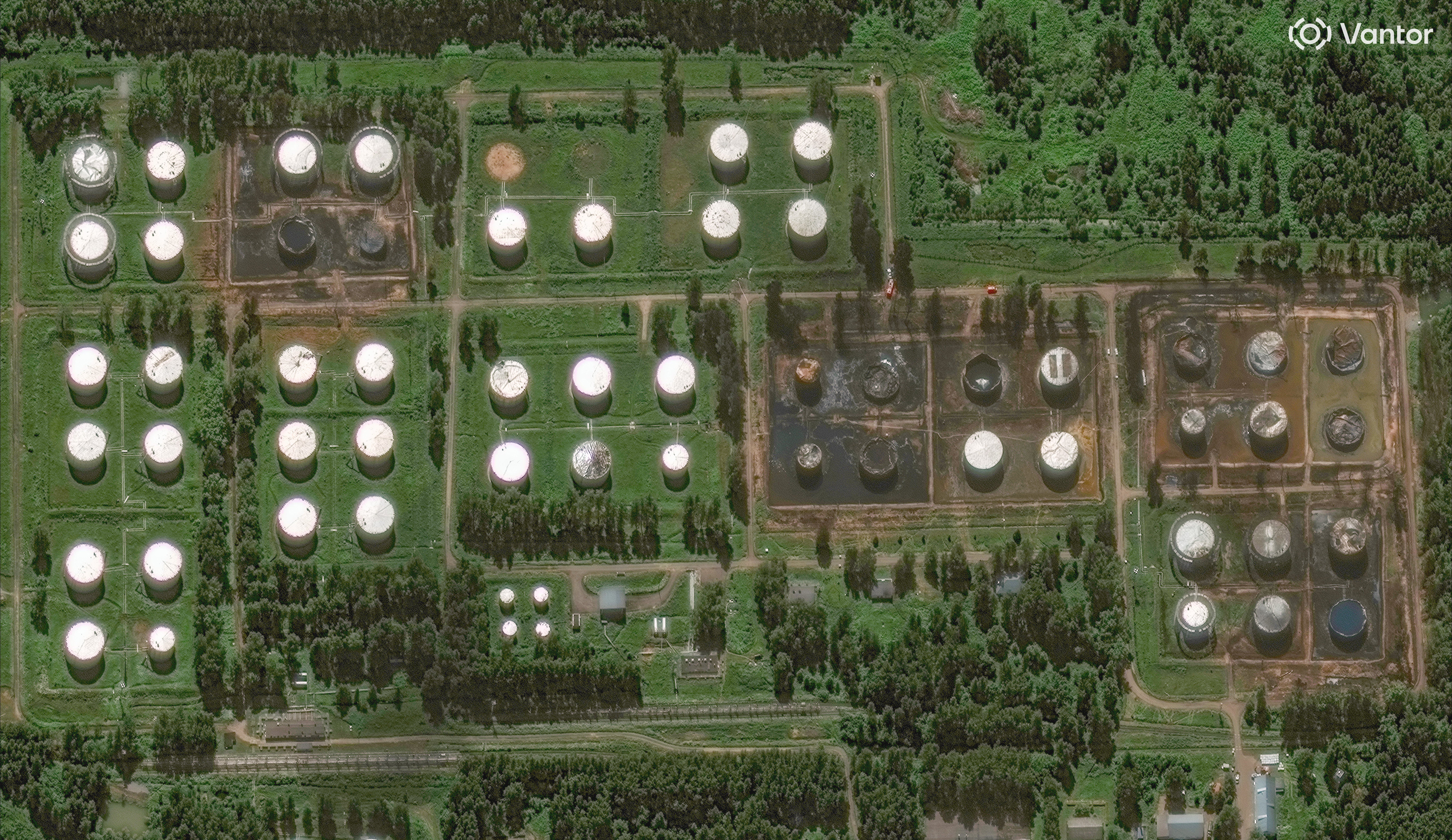
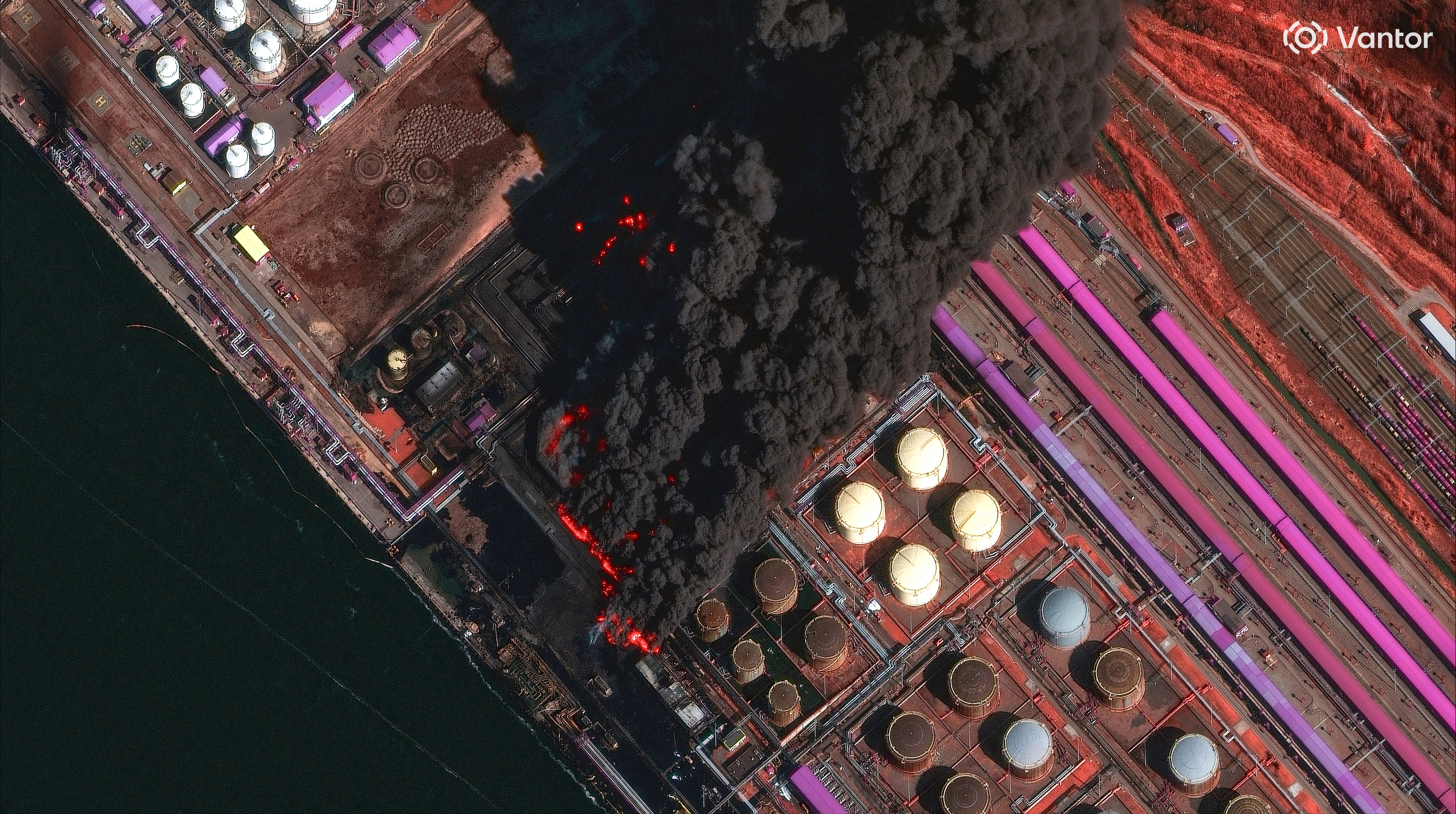
Omsk Refinery: the final name on the list
During the night of July 6, Ukrainian long-range drones struck the Omsk Oil Refinery, Russia’s largest refinery with an annual processing capacity of 22 million metric tons, located roughly 2,500 kilometers (1,550 miles) from the Ukrainian border. It was the last of Russia’s top 11 refineries that had never before been attacked during the full-scale invasion. That distinction no longer exists—Russia no longer has a single major refinery that has remained untouched.
Omsk Oil Refinery—22 million tons per year. First struck on July 6 by FP-1 drones at a range exceeding 2,500 kilometers, setting a new distance record.
Kirishi Oil Refinery (KINEF)—20–21 million tons per year. Repeatedly attacked throughout 2026.
Ryazan Oil Refinery—17.1 million tons per year. Processing has been suspended since May 15 following a drone strike.
Kstovo Oil Refinery—17 million tons per year, including more than 4.8 million tons of gasoline annually. Struck on July 2, losing more than half of its production capacity.
Yaroslavl Oil Refinery—15 million tons per year. Repeatedly attacked during the spring and summer.
Volgograd Oil Refinery—14.8 million tons per year. Targeted multiple times.
Perm Oil Refinery—13.1 million tons per year.
Moscow Oil Refinery—Approximately 12 million tons per year. Attacked twice in June and expected to remain offline through the end of the year.
Novokuibyshevsk Oil Refinery—8.8 million tons per year. Processing halted after strikes damaged the AVT-11 and AVT-9 crude distillation units.
Syzran Oil Refinery—8.5 million tons per year. Shut down due to damage to the AVT-6 unit.
Bashneft-Novoil (Novo-Ufimsky) Oil Refinery—7.4 million tons per year.
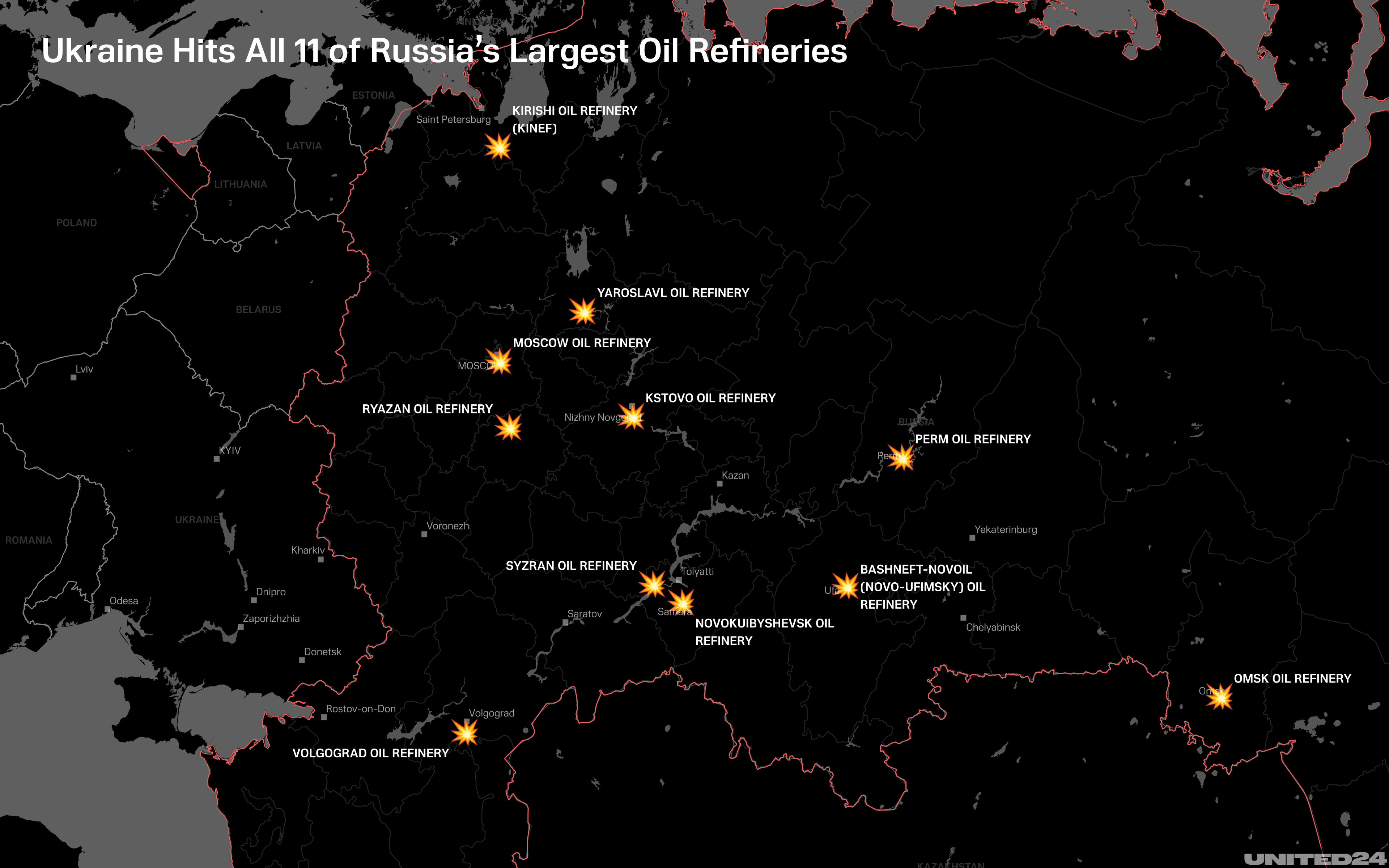
The strikes have not targeted isolated facilities but Russia’s entire refining network—from the country’s largest refinery to much smaller regional plants.
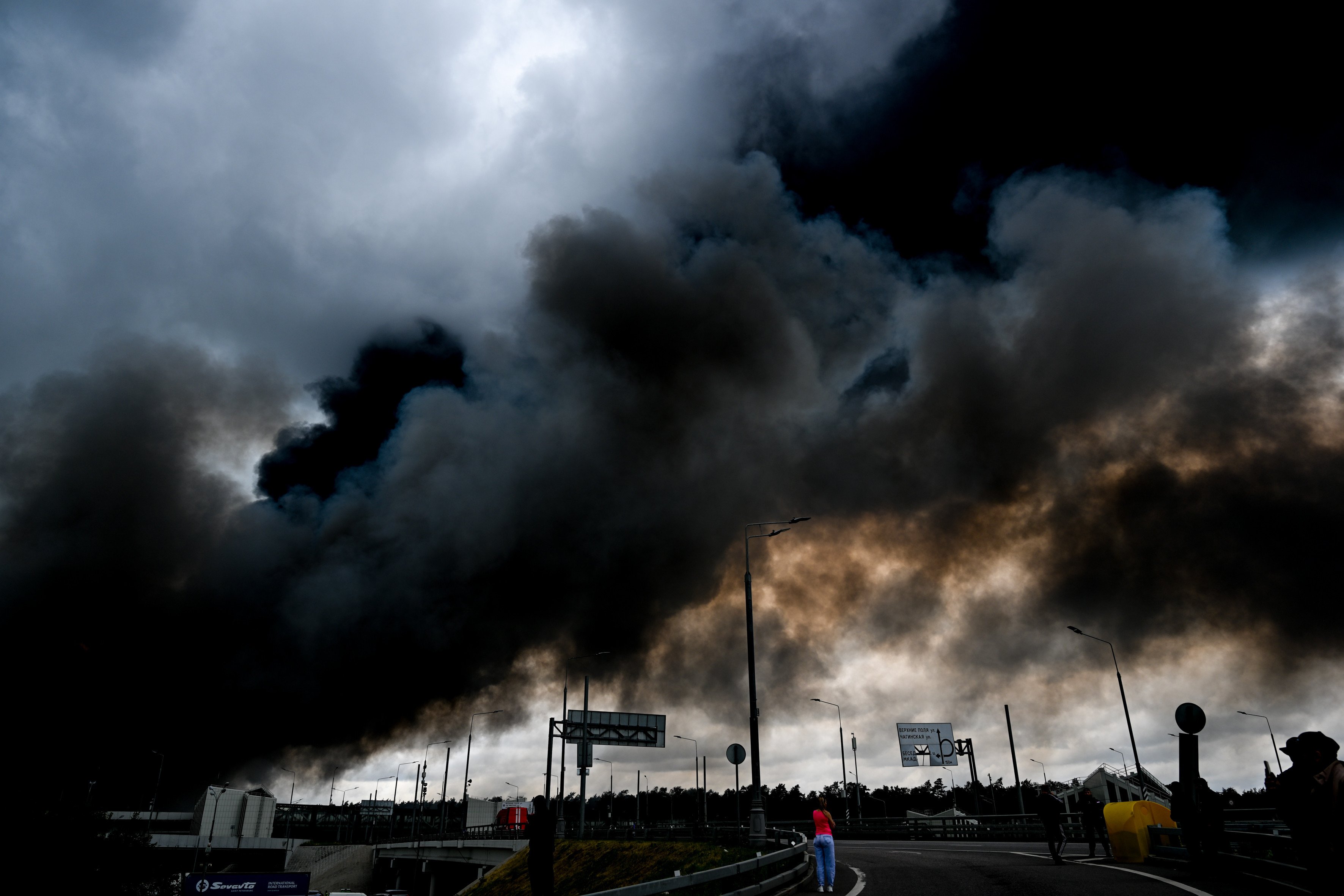
Several facilities have suffered particularly severe damage. The Moscow Oil Refinery, for example, is expected to remain offline for repairs until early 2027. Before the attack, it supplied about 60% of the Moscow region’s fuel demand. Fuel deliveries to the Russian capital will now have to come from other regions, increasing transportation distances and making logistics both more expensive and more complicated.
Russia’s fuel crisis
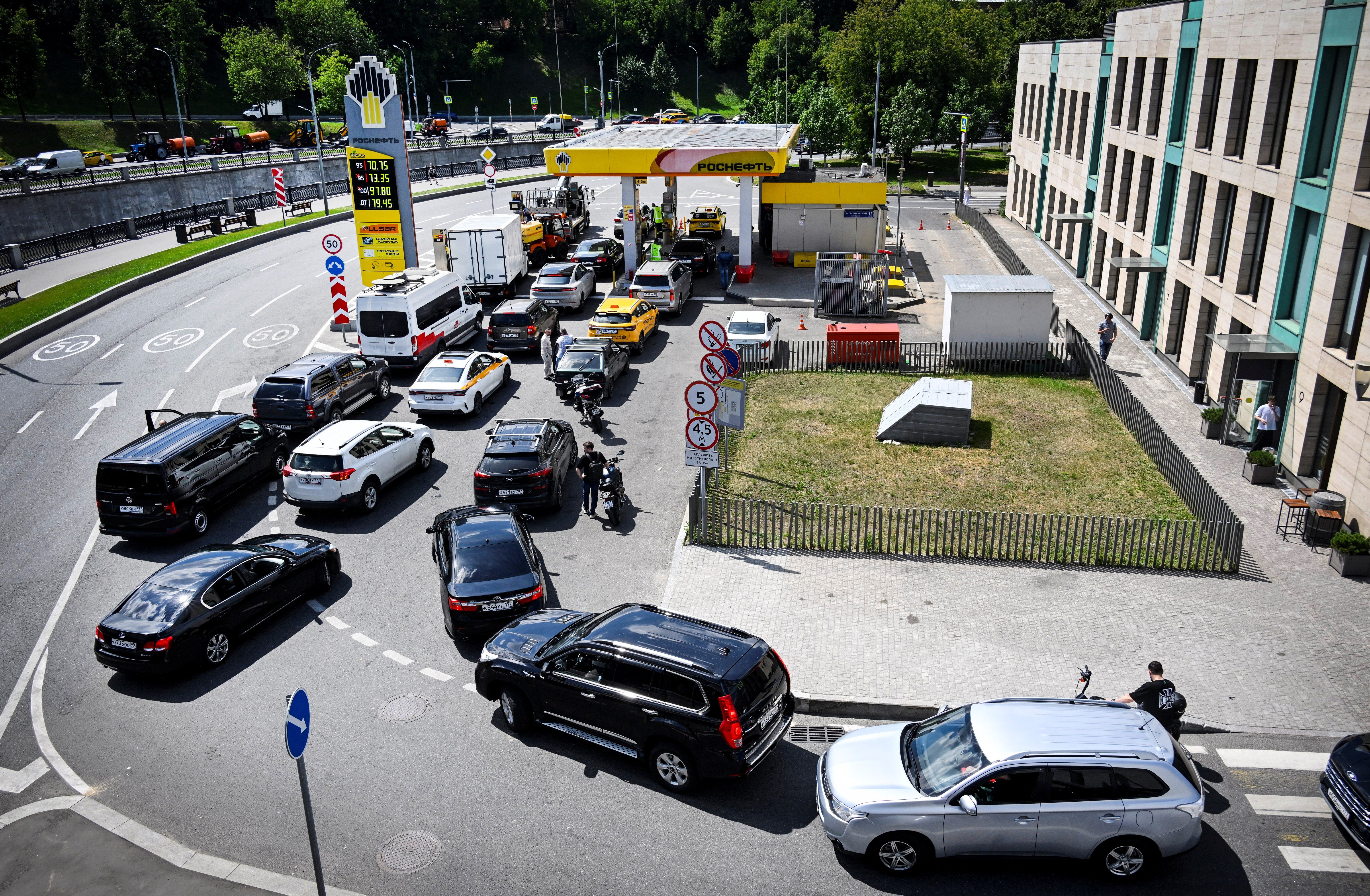
As of early July, Ukrainian strikes had disabled 42.7% of Russia’s designed oil refining capacity, Ukraine’s General Staff reports. Fuel production in June fell by 25% year over year, while current output is estimated to be about 20% below domestic demand. Since the beginning of 2026, drones have attacked Russian refineries at least 194 times, with eight facilities targeted in the past month alone. Total losses for the refining sector since August 2025 are estimated at $13.5 billion.
Russia has been forced to sell crude oil to India at discounted prices while simultaneously purchasing expensive refined petroleum products abroad to cover domestic shortages. The country is negotiating gasoline imports with virtually all of its neighbors ahead of the vacation season and harvest, putting additional pressure on fuel prices and inflation more broadly. Prices are rising across the economy.
Russia’s domestic debt has already exceeded 6 trillion rubles, while both oil production and refining have fallen to record lows. At the same time, tensions between the Central Bank and the government continue to escalate. By all indications, the Central Bank is likely to lose that struggle in the near future, leaving the Russian economy under even greater strain.
The less revenue Russia earns from petroleum product exports, the fewer resources it has to finance weapons production and sustain its military. As one refinery calculates losses from a fire, another prepares for repairs, and a third comes under attack yet again, the Kremlin’s room for maneuver—financially as well as militarily—continues to shrink. The objective, as repeatedly stated by Ukrainian President Volodymyr Zelenskyy, is to force Russian leader Vladimir Putin to the negotiating table.
Ukraine’s long-range strikes
Ukraine has expanded its long-range strike capabilities to levels that would have seemed unimaginable just a few years ago. Every day, hundreds of drones target Russian oil refineries, logistics hubs, military factories, and bases. The campaign has grown to the point where Ukrainian long-range drones are now capable of reaching Omsk, more than 2,500 kilometers from the border.
-496d2603f5ac63a0e4aab3cf40f8d6a5.png)
The challenge is not only the distance but Ukraine’s ability to plan and execute such operations. These missions involve dozens or even hundreds of additional drones that exhaust Russian air defenses, as well as thousands of drone operators capable of coordinating complex attacks. Notably, such operations now take place almost daily.
Ukraine’s missile program has become an important complement to this effort. This year alone, Ukrainian missiles have already carried out several strikes at distances of up to 1,000 kilometers. Missile attacks are larger in scale and inflict substantially greater damage on their targets.
Taken together, these represent two major industries that Ukraine has built virtually from scratch in just a few years, scaling them to the point where they are independently capable of disabling more than one-third of Russia’s oil refining capacity. Continued support from Ukraine’s partners will be essential to increase the number of such strikes and ultimately achieve the strategic objective: compelling the Kremlin to come to the negotiating table.
Discuss this article:



-c439b7bd9030ecf9d5a4287dc361ba31.jpg "Photo of Katherina Popilnichenko")


-111f0e5095e02c02446ffed57bfb0ab1.jpeg "Photo of Roman Kohanets")